 Free shipping on orders over £29,85
  Shipping Tracking!


 Google
 Facebook
How to store resin?
Proper resin storage is essential to maintain its clarity, performance, and shelf life—whether you use resin for big table pours or fine jewellery. This guide explains how to keep your epoxy resin in perfect condition, avoid yellowing or thickening, and ensure every project starts with fresh, reliable material.
Protect your resin from yellowing, moisture, and contamination.

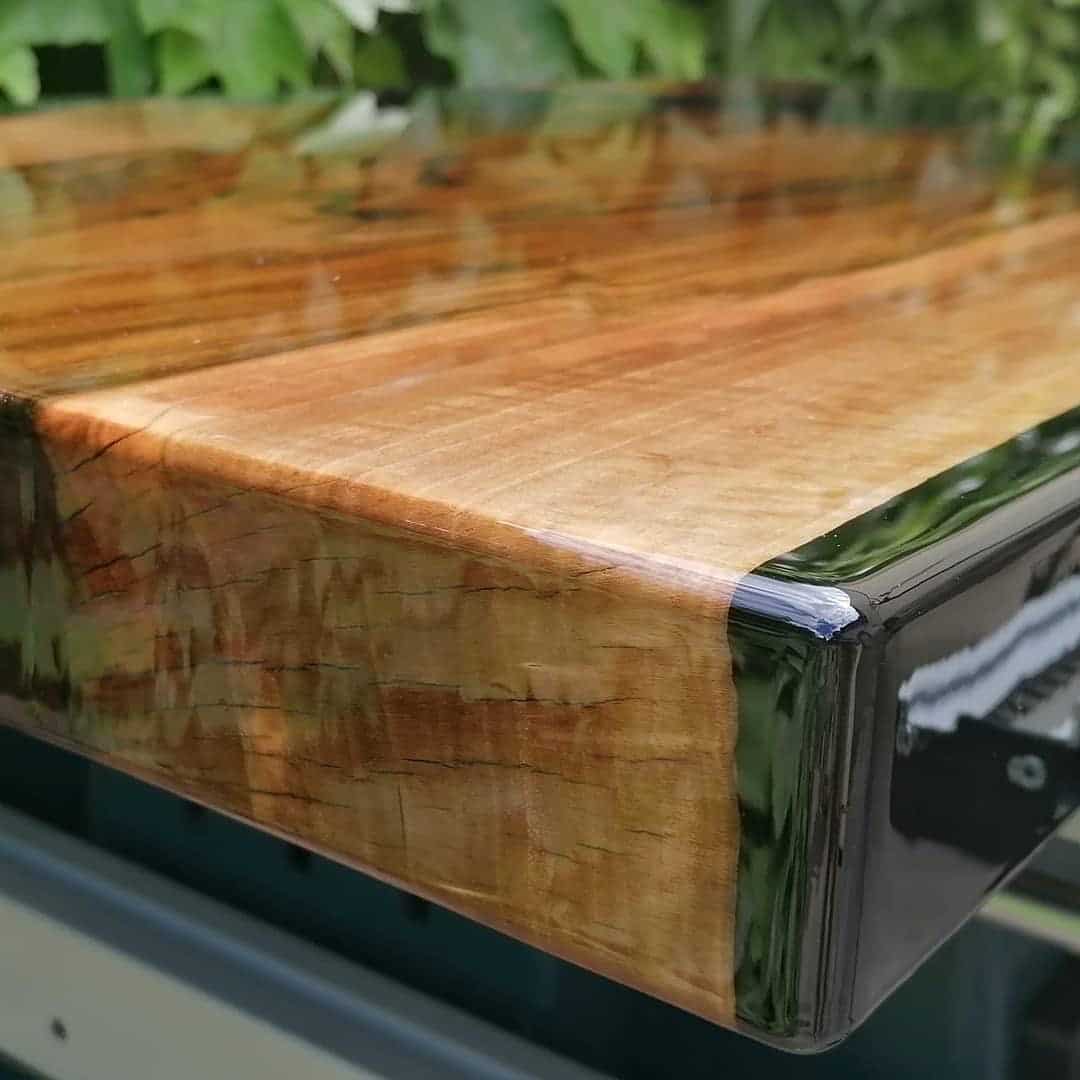
What You’ll Need
- Resin containers (such as “Epoxytable 10-Ten” – Deep Pour Epoxy Resin for Tables, Up to 10cm Casting or other resin types)
- Original packaging with secure lids or caps
- Clean, dry measuring and mixing tools
- Permanent marker for labelling
- Optional: airtight plastic tubs or moisture-absorbing silica gel packs

Why Proper Storage Matters for Epoxy Resin
Storing resin correctly preserves its clarity and performance. Exposure to heat, sunlight, or moisture can cause premature yellowing, thickening, or curing—resulting in wasted material and project disappointment. Maintaining a stable, dark, and dry storage environment ensures your resin remains ready for flawless casting or coating when the next inspiration strikes.
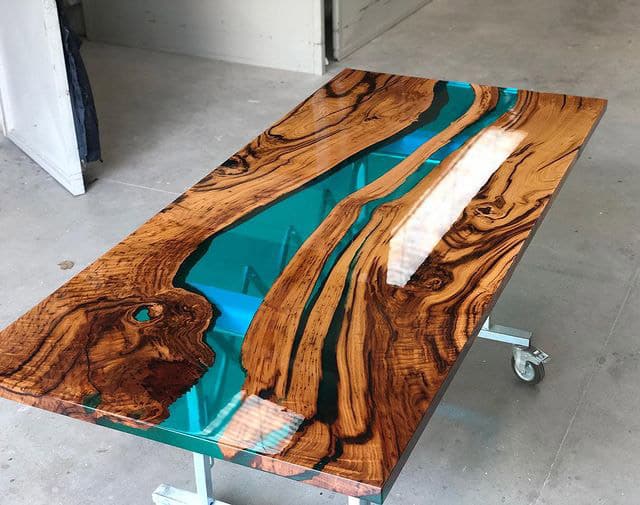
Step 1: Choose the Right Storage Location
Identify a place in your work area or home that maintains a consistent, cool temperature—ideally between 15°–25°C. Avoid locations exposed to direct sunlight, heaters, or freezing conditions. Excessive heat can accelerate yellowing, while freezing can cause irreversible crystal formation or thickening. Cupboards, interior closets, or shaded shelves away from windows or radiators are ideal.
Step 2: Keep Containers Tightly Sealed
Keep containers tightly sealed after each use to prevent air, moisture, or dust entering the resin. Exposure to air can not only promote yellowing but also increase viscosity, making future mixing difficult. Always wipe the rim of the bottle or tub with a clean, dry cloth before sealing to ensure a tight fit and reduce the risk of contamination.
Step 3: Store Resin Away from Moisture and Light
Store resin in a cool, dry, and dark environment to keep it free from humidity, which can cause cloudiness or premature curing. Use opaque containers or store bottles in a box if the original packaging is clear. If you live in a damp environment, adding silica gel packs inside your storage cupboard can help control moisture. Labelling each bottle with the purchase date using a permanent marker ensures you use older stock first.
Step 4: Avoid Cross-Contamination
Do not mix old and new batches in the same container to reduce the risk of contamination or unpredictable curing. Always use original, dedicated bottles for each resin batch. When portioning resin for a project, pour what is needed into a clean measuring cup—never return unused resin to the main bottle.

Step 5: Use Clean Tools and Maintain Hygiene
Use clean measuring cups and tools for each project to keep your main resin supply uncontaminated. Any residue of hardener, pigment, or dust can compromise the next project. Rinse or replace mixing tools as soon as they show signs of leftover resin or other materials, and always recap bottles immediately after use. By keeping the storage area tidy and bottles clean, you greatly extend the shelf life of products like “Icrystal” – Clear Epoxy Resin – Odourless Formula – Up to 1.5cm.
Tips, Common Mistakes, and Troubleshooting
Never store resin below 10°C or above 30°C, as extreme temperatures compromise shelf stability. If resin appears cloudy or grainy due to cold, allow it to rest at room temperature before use, but do not heat forcefully. If yellowing occurs, it often results from light or air exposure—start with a fresh batch for projects requiring high clarity. Use up resin within the recommended shelf life (typically 12–24 months) for best results. When in doubt, conduct a small test pour before launching a large project.
Maintaining Opened and Unopened Resin
Unopened resins typically have a shelf life of at least a year when stored properly. For “Trasparente” – Multipurpose Clear Epoxy Resin for Casting – Up to 2cm, this means sealed, dark, and dry storage away from heat sources. Once opened, minimise air and moisture exposure to prevent chemical reactions that could affect your results. Always check appearance and consistency before each use, especially after long storage.

- “Epoxytable 10-Ten” – Deep Pour Epoxy Resin for Tables, Up to 10cm CastingPrice range: £33.85 through £334.85“Epoxytable 10-Ten” is designed for creating tables and artistic projects with super-deep casting up to 10cm.
- "EpoxyTable 5-Five" – Deep Pour Epoxy Resin for Tables and Large Projects – Up to 5cmPrice range: £16.85 through £1,099.85EpoxyTable 5-Five is a deep pour epoxy resin designed for tables and large projects, suitable for castings up to 5cm thick.
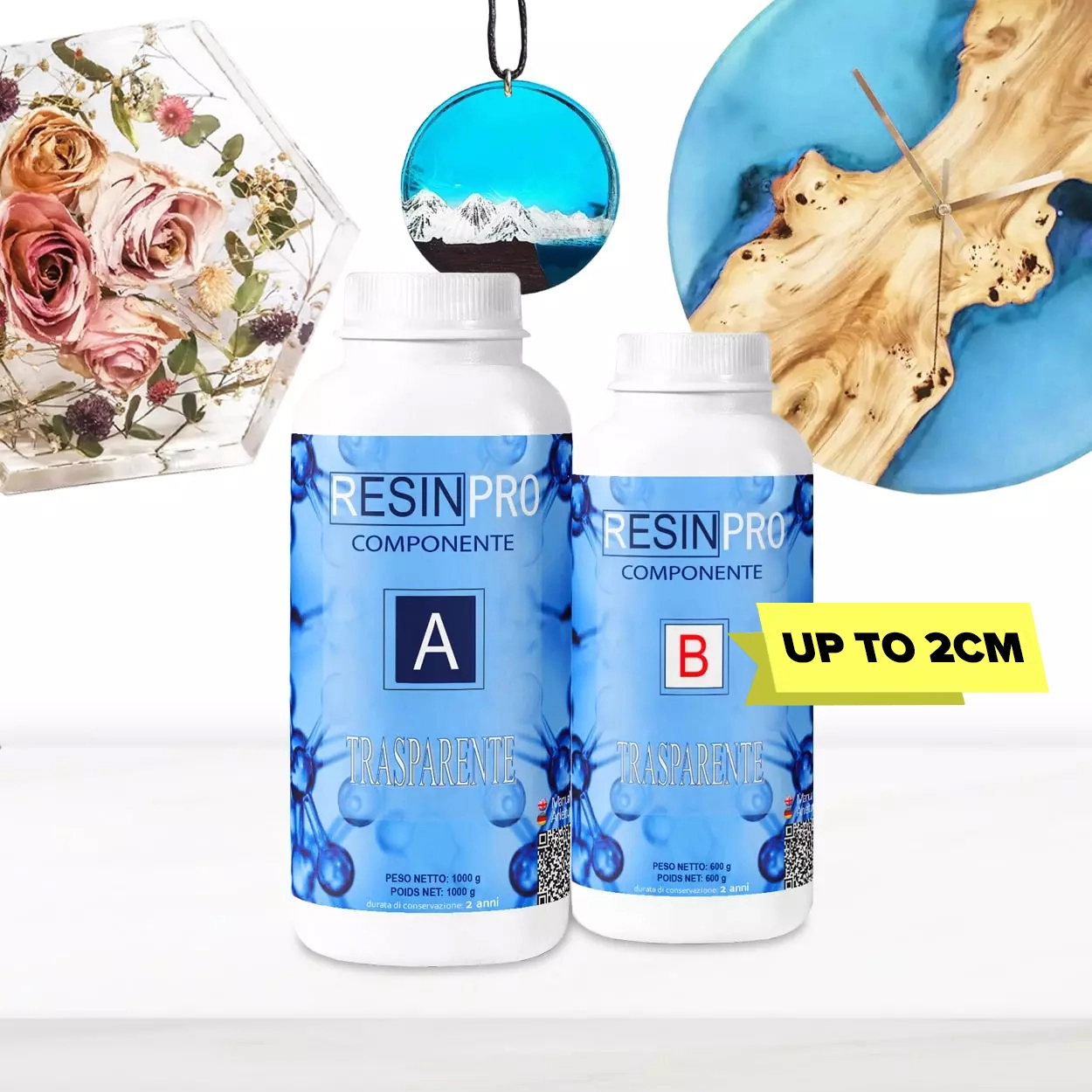 "Trasparente" – Multipurpose Clear Epoxy Resin for Casting – Up to 2cmPrice range: £8.45 through £948.85The transparent multipurpose casting epoxy resin offers a clear, self-levelling finish for layers up to 2cm, suited for varied DIY and woodworking…
 "Icrystal" – Clear Epoxy Resin – Odourless Formula – Up to 1.5cmPrice range: £11.65 through £954.85"Icrystal" is a transparent, odourless epoxy resin designed for clear coatings and artistic uses with easy handling.
Frequently Asked Questions
What is the best temperature range for storing resin?
Store resin between 15°–25°C in a cool, stable environment to avoid thickening or yellowing.
How do I stop resin from yellowing in storage?
Keep containers sealed, shield resin from light, and avoid heat sources to minimise yellowing.
Can cloudy or thick resin be saved?
Allow it to warm gently to room temperature; if cloudiness persists, test a small batch before use.
What are the most common storage mistakes?
Leaving containers open, exposing resin to sunlight, or storing in damp or fluctuating temperatures.
How should I label resin for storage?
Write the purchase date on each bottle with a marker to ensure first-in, first-out usage.
Does resin expire more quickly once opened?
Yes, as exposure to air and moisture can reduce shelf life; use opened resin within 12 months if possible.
Do I need to store hardener differently?
Store hardener with the same care as resin—sealed tightly and away from heat, light, and moisture.