 Free shipping on orders over £29,85
  Shipping Tracking!


 Google
 Facebook
How to use epoxy resins in jewelry?
Step-by-step guide for beautiful transparent resin jewellery
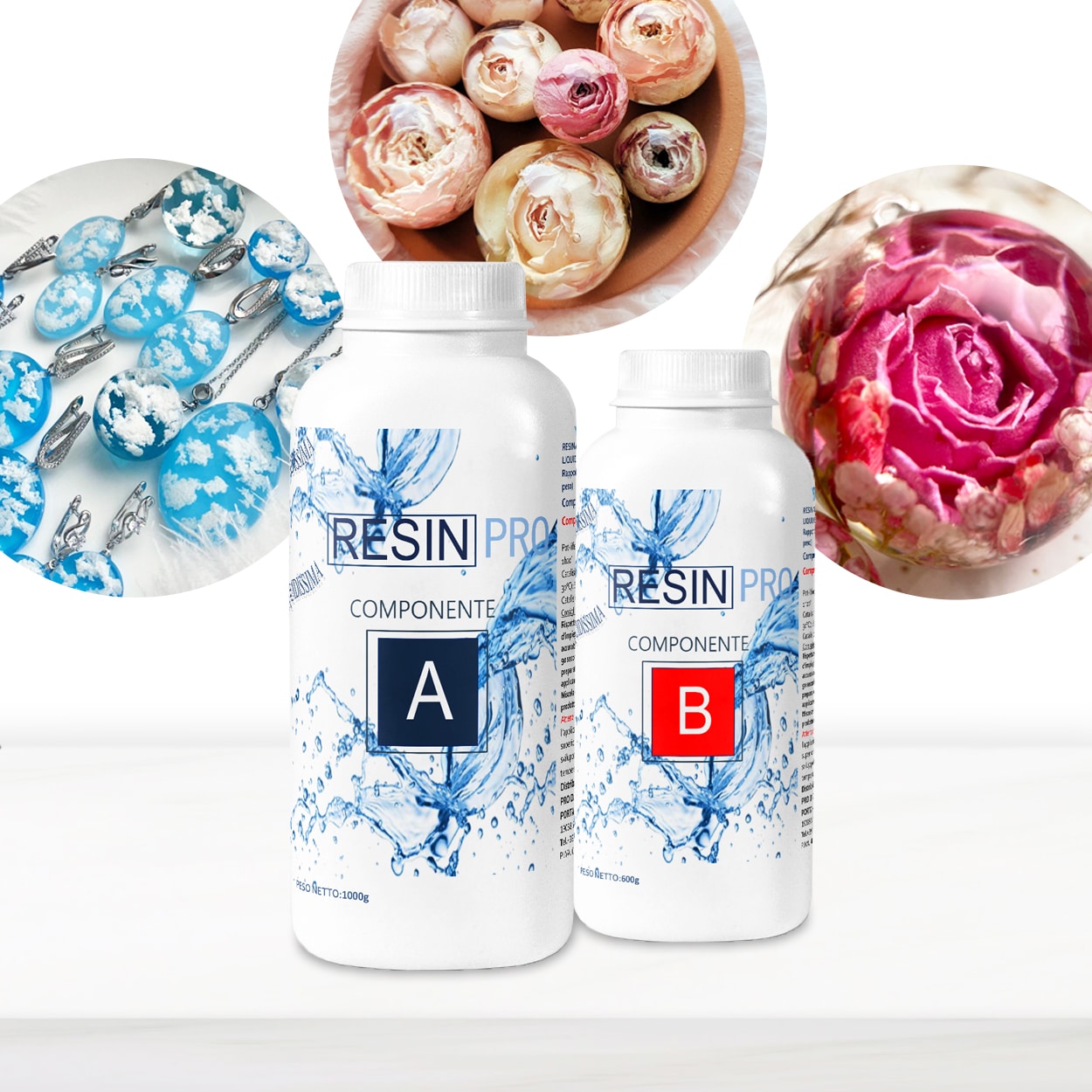

Creating your own resin jewellery is a rewarding way to express your creativity, combining stunning clarity with endless design possibilities. This guide will walk you step by step through using epoxy resins in jewellery projects, ensuring durable, professional-looking results whether you are a beginner or have some experience. You will learn the essential steps—preparing moulds, mixing, pouring, demoulding, and finishing—so your earrings, pendants, and statement pieces turn out clear and flawless.
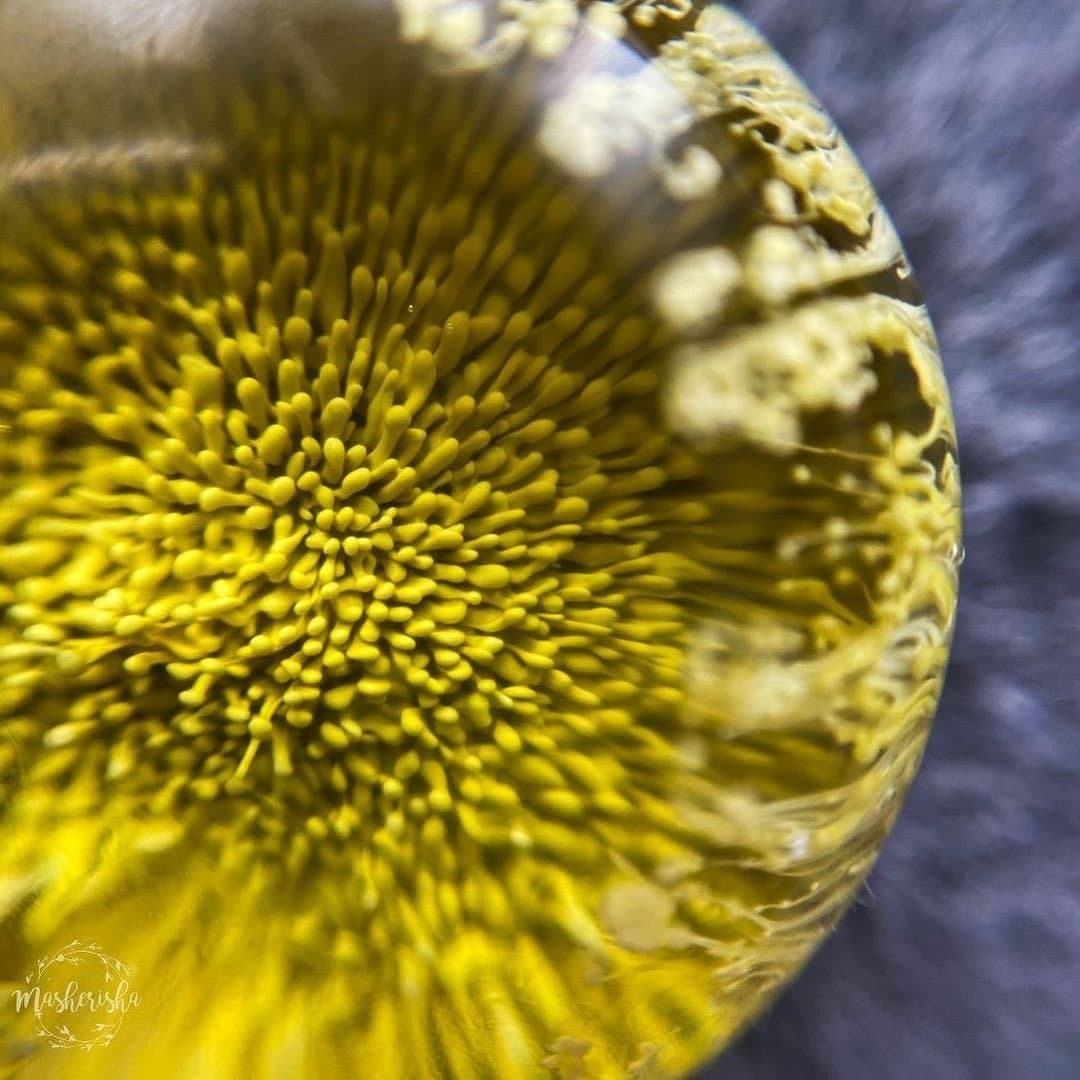
What You’ll Need
- “Liquidissima” – Epoxy Resin For Creations & Jewellery – designed for clarity in detailed moulds
- “Evershine Collection” – Artisan Jewellery Epoxy Resin Kit with 100+ Accessories – includes resin, pigments, moulds, and findings
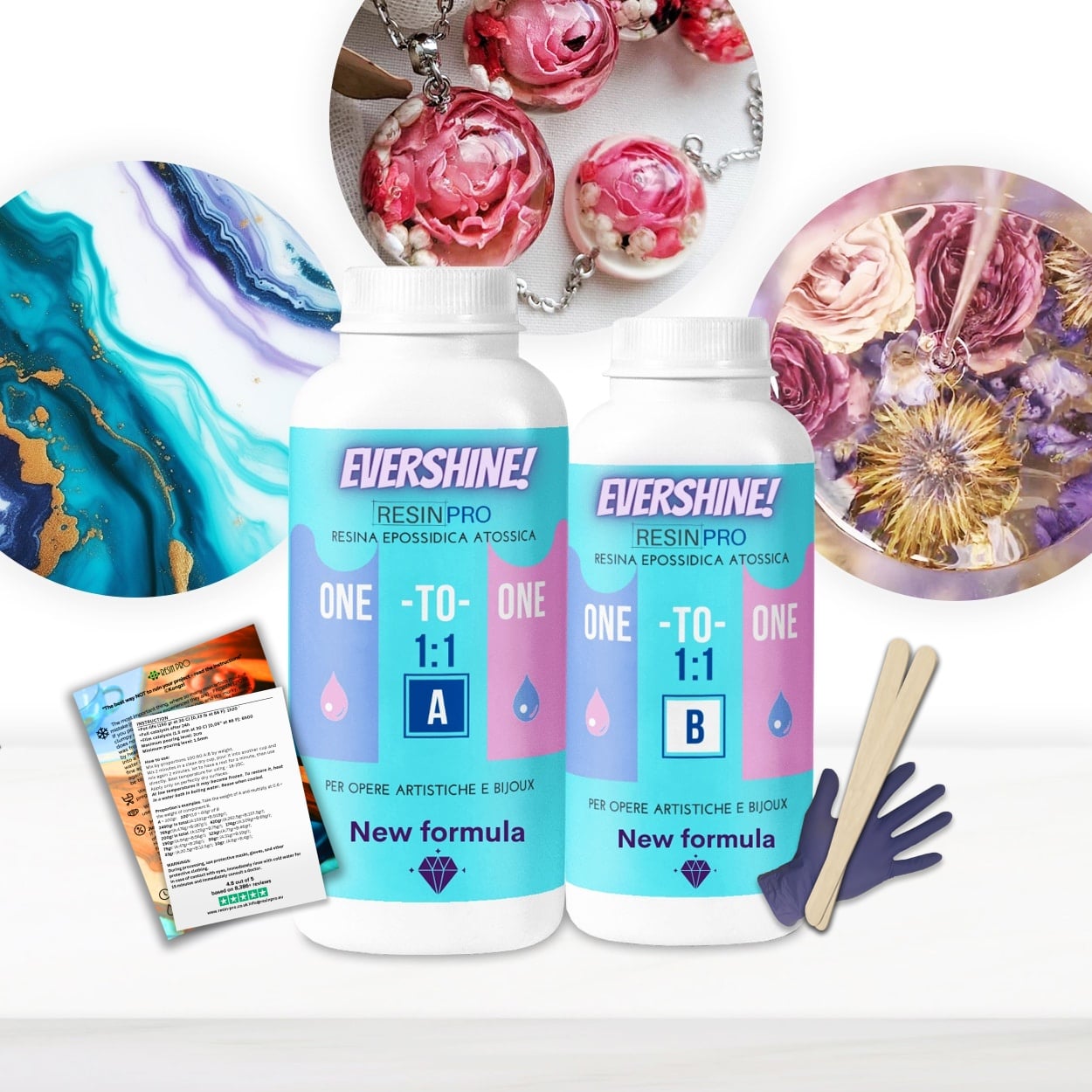
- “One-2-One” – Epoxy Resin for Handcraft, 1:1 Mixing Ratio – easy mix resin for decorative casts
- “ICreation” – Fast Epoxy Resin, 6h Demoulding, Transparent Gloss Finish – for quicker projects
- Jewellery silicone moulds
- Protective gloves and apron
- Mixing cups and stirrers
- Pigments, glitter, dried flowers (optional for design)
- Toothpicks or tweezers for detail work
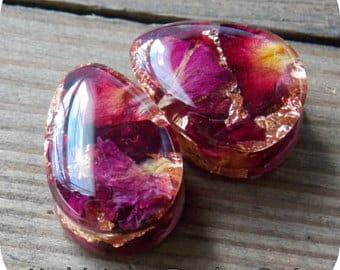
Essential Tools and Workspace Setup
Have all your mixing tools, protective equipment, and silicone moulds ready before starting. Ensure your workspace is well-ventilated, flat, and free from dust for best results. Prepare all decorative elements in advance so you can work efficiently once your epoxy resin is mixed.
Step 1: Prepare Your Workspace and Moulds
Start by choosing a clean, dust-free workspace with good ventilation. Lay out baking paper or silicone mat to protect surfaces from drips. Make sure your silicone moulds are clean, dry, and free of dust, as any particles can show through the transparent resin. Place moulds flat to prevent the resin from pooling unevenly. Have all design inclusions like dried flowers or glitter ready before mixing your resin.

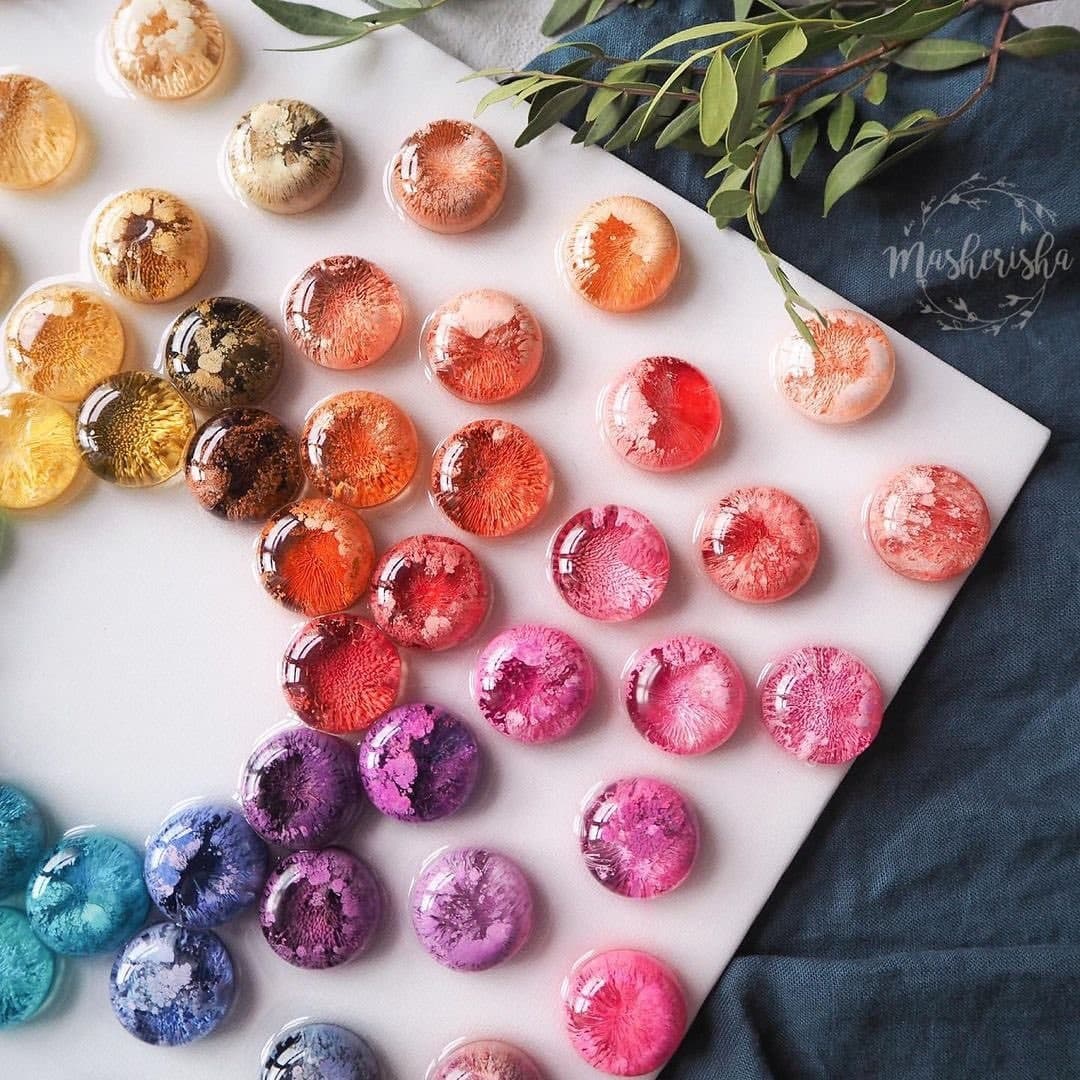
Step 2: Measure and Mix Your Epoxy Resin
Carefully measure your resin and hardener using dedicated mixing cups, following the ratios specified in your chosen resin product—such as the straightforward 1:1 ratio with “One-2-One” – Epoxy Resin for Handcraft, 1:1 Mixing Ratio. For time-critical projects, “ICreation” – Fast Epoxy Resin is suitable, but still requires precise 2:1 mixing.
Gradually combine the two components in your cup. Mix slowly but thoroughly for 3–5 minutes, scraping the sides to prevent unmixed material, which causes cloudiness or soft spots. Avoid whipping air bubbles into the mixture. If using a kit like the Evershine Collection, you can easily add pigments or dried botanicals at this stage for custom effects.
Step 3: Pour Into Moulds and Create Your Design
Pour the mixed resin gently into each mould cavity. Pour in layers for depth and clarity; a slow pour helps reduce trapped bubbles. Use a toothpick or heat gun on a low setting to pop surface bubbles if they appear, taking care not to disturb your design elements.
If embedding delicate items (flowers, glitter), use tweezers and add them after pouring a thin layer of resin. Allow this layer to set slightly, then top up with more resin for a beautiful, suspended look. Products such as “Liquidissima” – Epoxy Resin For Creations & Jewellery are specially formulated to flow easily into intricate mould shapes, capturing fine details.


Step 4: Demould and Finish Your Unique Jewellery
Most resins need several hours to cure fully; fast-cure options like “ICreation” – Fast Epoxy Resin can be demoulded after 6 hours, while others are best left overnight. Check the product instructions for precise timings. Demould gently to avoid breakage—carefully flex the silicone mould and ease out your jewellery piece.
Once demoulded, any sharp edges can be sanded smooth, and findings such as earring hooks or keyrings can be attached using glue or a small drill (included in starter kits like the Evershine Collection). Allow pieces to cure fully for maximum durability and brilliance.
Tips and Common Mistakes to Avoid
Work in a dust-free area—particles on uncured resin will mar the finish. Use gloves and avoid skin contact with resin before it hardens. Don’t rush mixing; unblended areas result in sticky or unevenly cured jewellery. Cover your moulds while curing to protect from dust and avoid handling too soon: Allow full curing time for durability. If bubbles persist, consider warming the resin slightly before mixing, but don’t exceed temperatures recommended on the product.
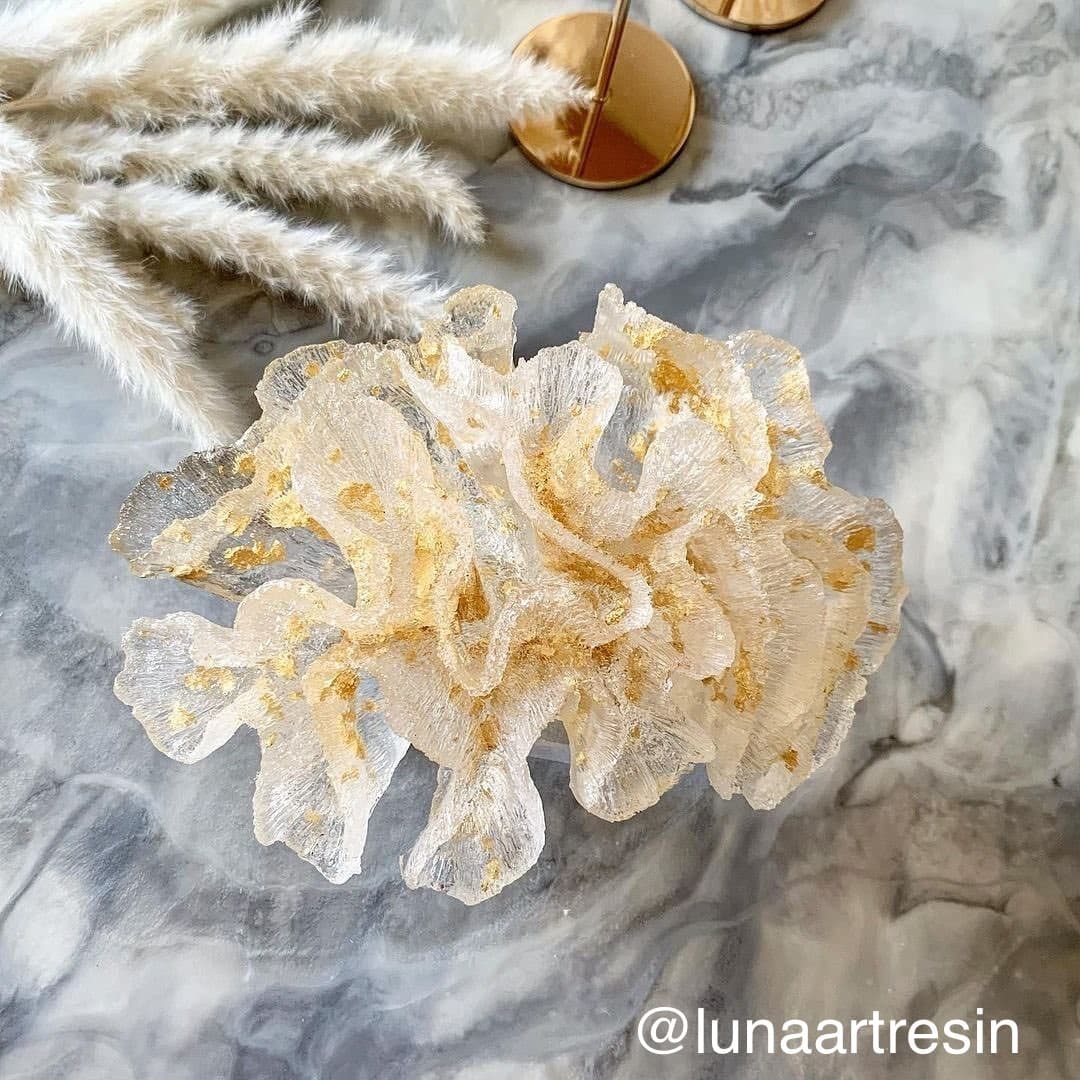
Finishing Touches for Resin Jewellery
Smooth the edges with fine sandpaper after demoulding for a comfortable wear. Attach findings such as ring backs or earring wires only after the piece is fully cured to prevent stress or deformation.
- "Liquidissima" – Epoxy Resin For Creations & JewelleryPrice range: £12.85 through £31.85"Liquidissima" epoxy resin is designed for jewellery and creative projects, offering clarity and flow suited to intricate moulds.
- "Evershine Collection" – Artisan Jewellery Epoxy Resin Kit with 100+ Accessories£21.95"Evershine Collection" includes 500g crystal-clear resin and 100+ accessories, designed for jewellery makers and craft enthusiasts.
- "One-2-One" – Epoxy Resin for Handcraft, 1:1 Mixing RatioPrice range: £15.95 through £59.95"One-2-One" epoxy resin offers a clear, glossy finish with a 1:1 mixing ratio, suitable for jewellery and decorative crafting.
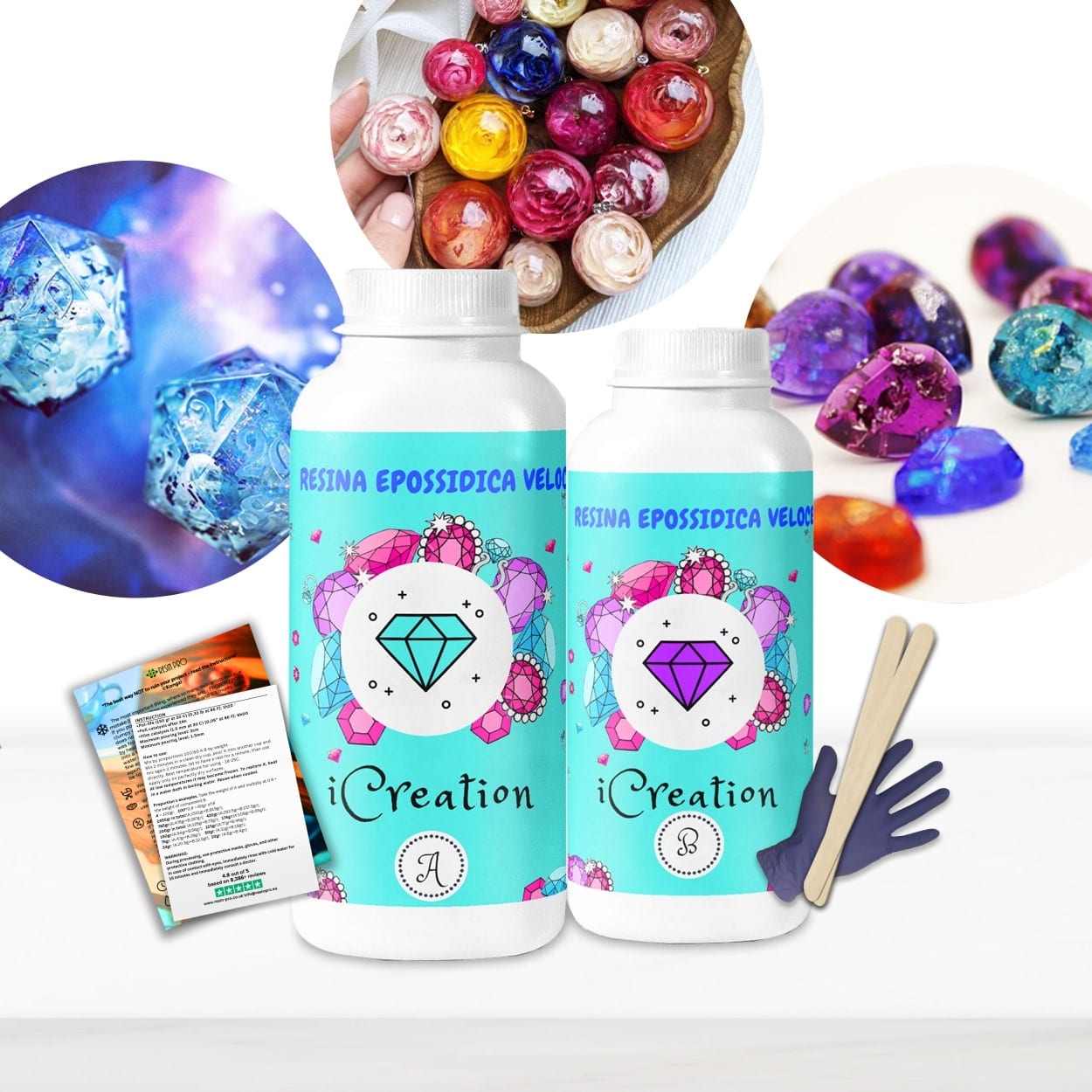 "ICreation" – Fast Epoxy Resin, 6h Demoulding, Transparent Gloss FinishPrice range: £15.95 through £55.95ICREATION Fast Epoxy Resin is a fast-curing transparent resin with a glossy, self-levelling finish, suitable for jewellery and craft projects.
Frequently Asked Questions
What is the key to bubble-free epoxy resin jewellery?
Mix resin and hardener slowly, pour in a thin layer, and use a heat tool to remove bubbles after pouring.
How long should epoxy resin jewellery cure before demoulding?
This depends on the resin; fast-cure types need about 6 hours, while others should cure overnight for best results.
How do you stay safe when working with epoxy resin?
Wear gloves, work in a ventilated space, and avoid skin contact until the resin is fully cured.
What items can be embedded in resin jewellery?
You can embed dried flowers, glitter, tiny charms, or pigments to personalise your pieces. Ensure they are dry and clean.
Why is my resin jewellery sticky or cloudy?
Sticky resin results from incorrect mixing; cloudiness often occurs from moisture or unmixed resin. Mix thoroughly and use dry inclusions.
Do I need special resin for jewellery making?
Yes, jewellery epoxy resin is formulated for clarity, self-levelling, and suitability with silicone moulds for best results.