 Free shipping on orders over £29,85
  Shipping Tracking!


 Google
 Facebook
← Back to How to make silicone moulds for resin?
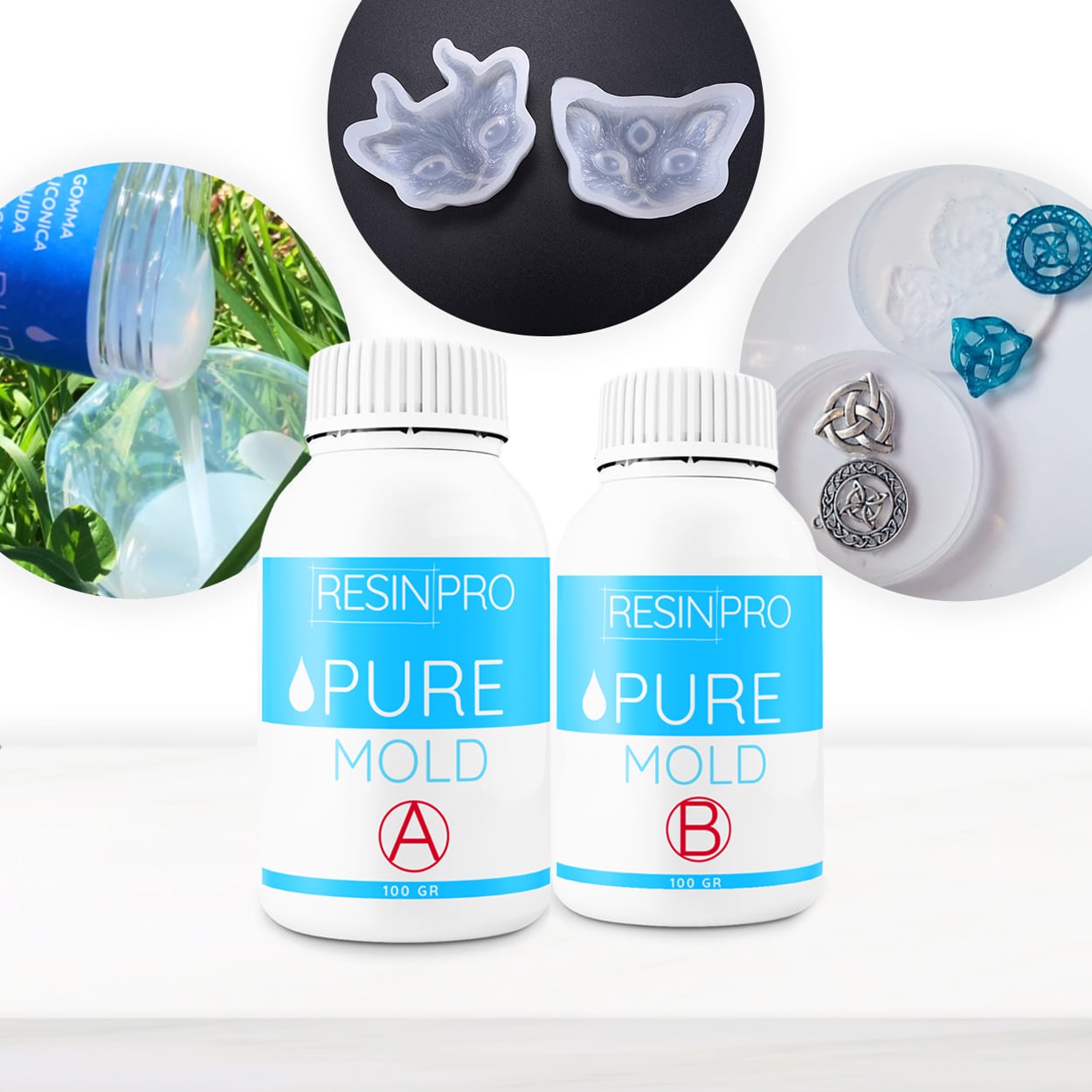
When making silicone moulds for resin projects, getting the right mix ratio is critical. Mistakes here can lead to soft or sticky moulds, ruining detail and risking wasted materials. Here’s what you need to know about avoiding these common pitfalls.
Why Mix Ratios Matter in Silicone Mould Making
Silicone moulding compounds, such as bi-component liquid silicones or putties, require precise blending of base and catalyst—often in a 1:1 ratio by weight or volume. Failing to follow the manufacturer’s instructions exactly can disrupt the chemical reaction needed for the silicone to cure properly. Too much or too little of either part may result in a soft, tacky, or uncured mould, making it unusable for casting resin and damaging your project.
Best Practices for Accurate Mixing
- Read the product’s guidelines carefully before starting—some silicones cure with a 1:1 ratio, while others may vary.
- Use digital scales for weighing liquids, or a marked mixing cup for measuring by volume.
- Thoroughly mix both parts together, scraping the sides and bottom of your mixing container to ensure consistency and prevent unreacted material.
A popular choice for resin crafters is the “Pure Mould” – Translucent Liquid Silicone Rubber for Mould Making, which offers a straightforward 1:1 mixing ratio and fast cure time.
When This Matters Most
If fine detail and dimensional accuracy are important—for example, with jewellery, miniatures, or complex resin art—incorrect mix ratios can completely undermine your results. Ensuring the right ratio is especially crucial when producing multiple copies or working with intricate originals, as any stickiness will impact every subsequent casting.
Related products
Related guides
Getting your mix ratios right is essential for strong, reliable silicone moulds. For step-by-step instructions and more advice on successful mould making, see our main guide on how to make silicone moulds for resin.