 Free shipping on orders over £29,85
  Shipping Tracking!


 Google
 Facebook
How to make silicone moulds for resin?
Essential steps and materials for perfect resin cast moulds
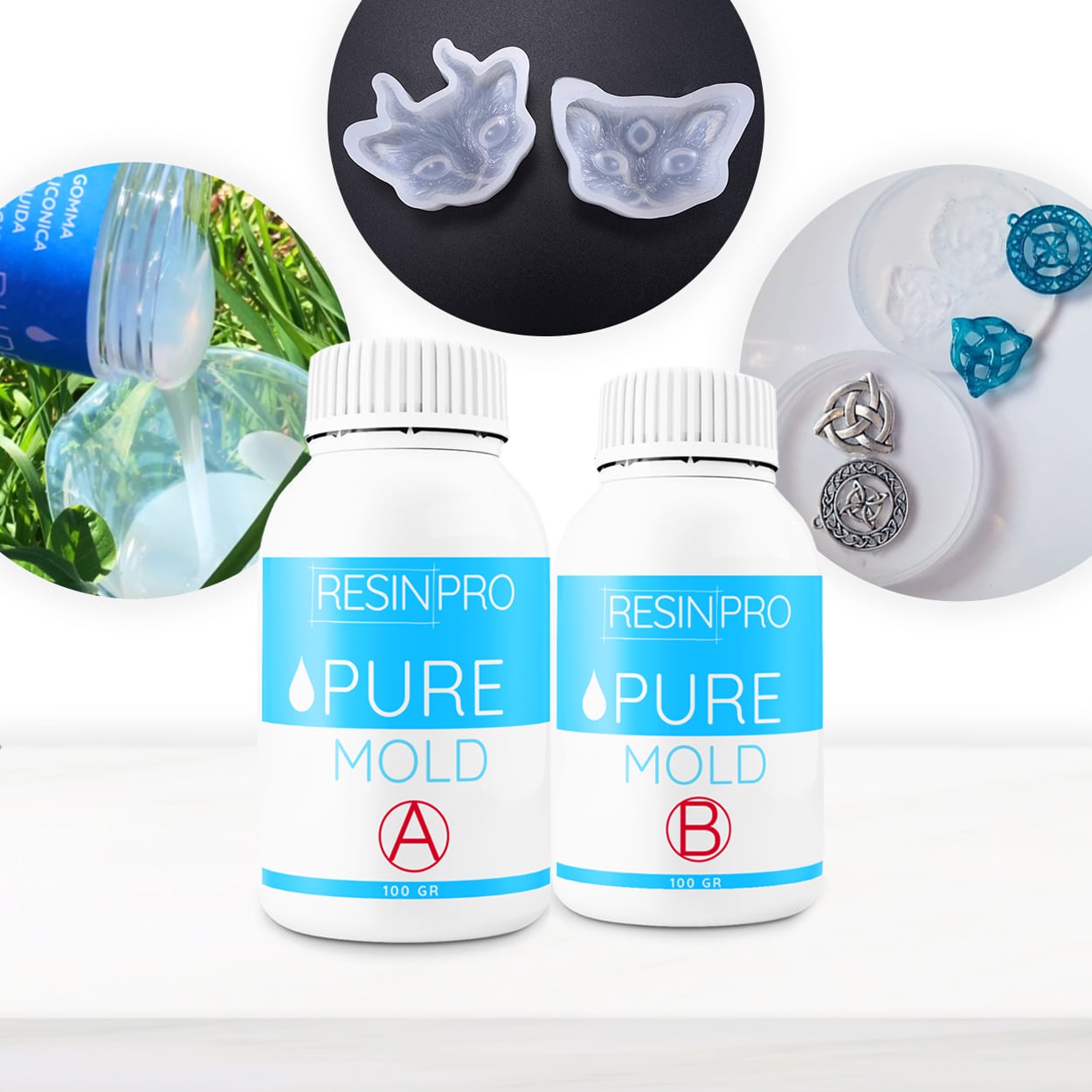
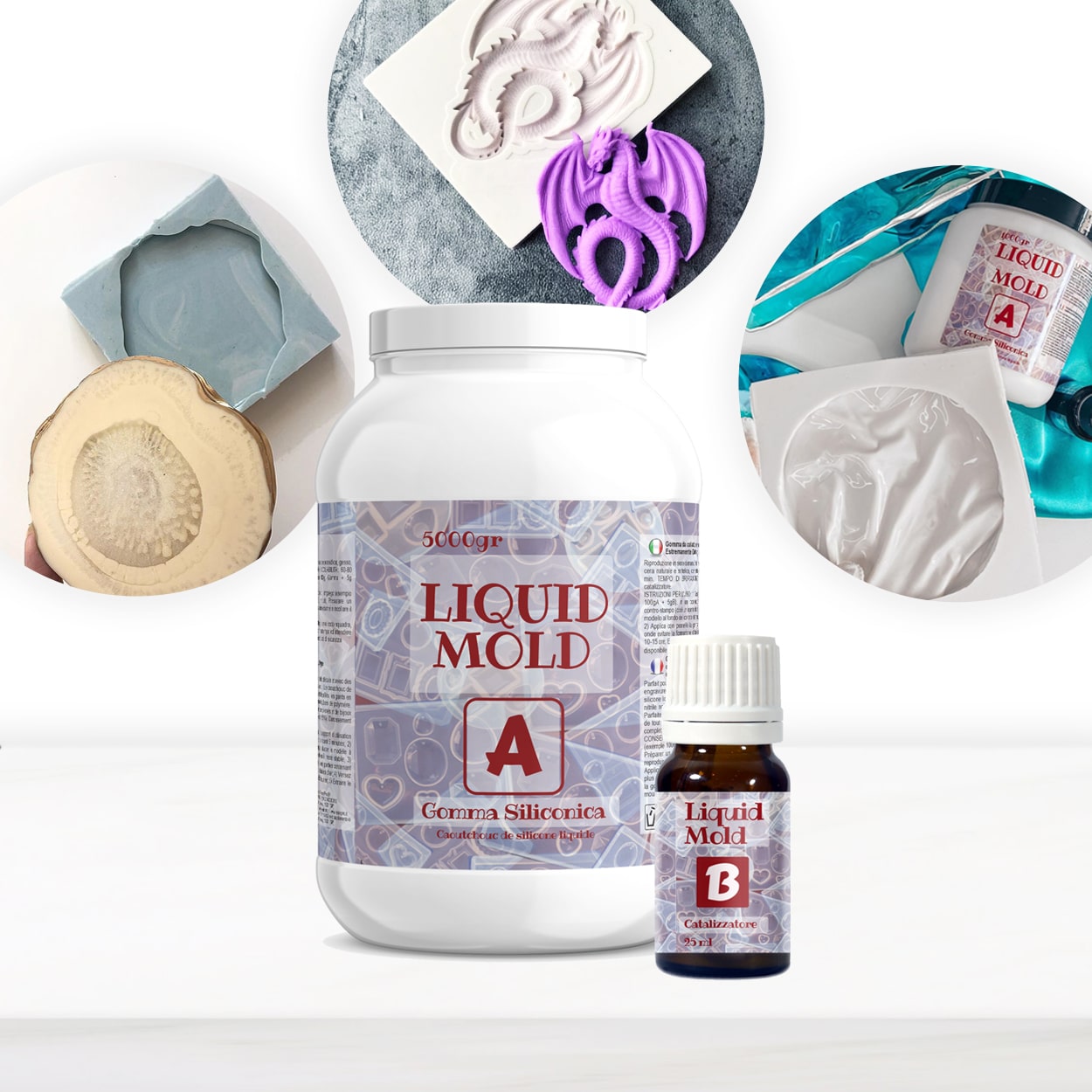
If you want to cast beautiful resin pieces, creating a custom silicone mould is an essential skill. This guide will walk you through the exact steps to make robust, accurate silicone moulds suitable for resin—helping you achieve crisp details in crafting, jewellery, or model-making projects. Whether you’re a beginner or advancing your technique, you’ll find key tips and the right materials for seamless results.
What You’ll Need
- “Pure Mould” – Translucent Liquid Silicone Rubber for Mould Making: A platinum-based translucent silicone with reliable dimensional stability, ideal for detailed work.
- “Liquid Mould” – Casting Liquid Silicone Rubber, 5-40 Shores, Bi-Component A+B: Perfect for capturing fine features and complex undercuts in small models.
- “I–Gum” – Non-Toxic Silicone Putty for Mould Making: For quick setups and objects requiring hands-on moulding with minimal hassle.
- Original item or master to be moulded (clean and dry)
- Non-porous mixing containers, spatulas, and a sturdy form (like a plastic box or cardboard lined with tape)
- Release agent (optional, but recommended for intricate or textured masters)
- Nitrile gloves and work surface protection
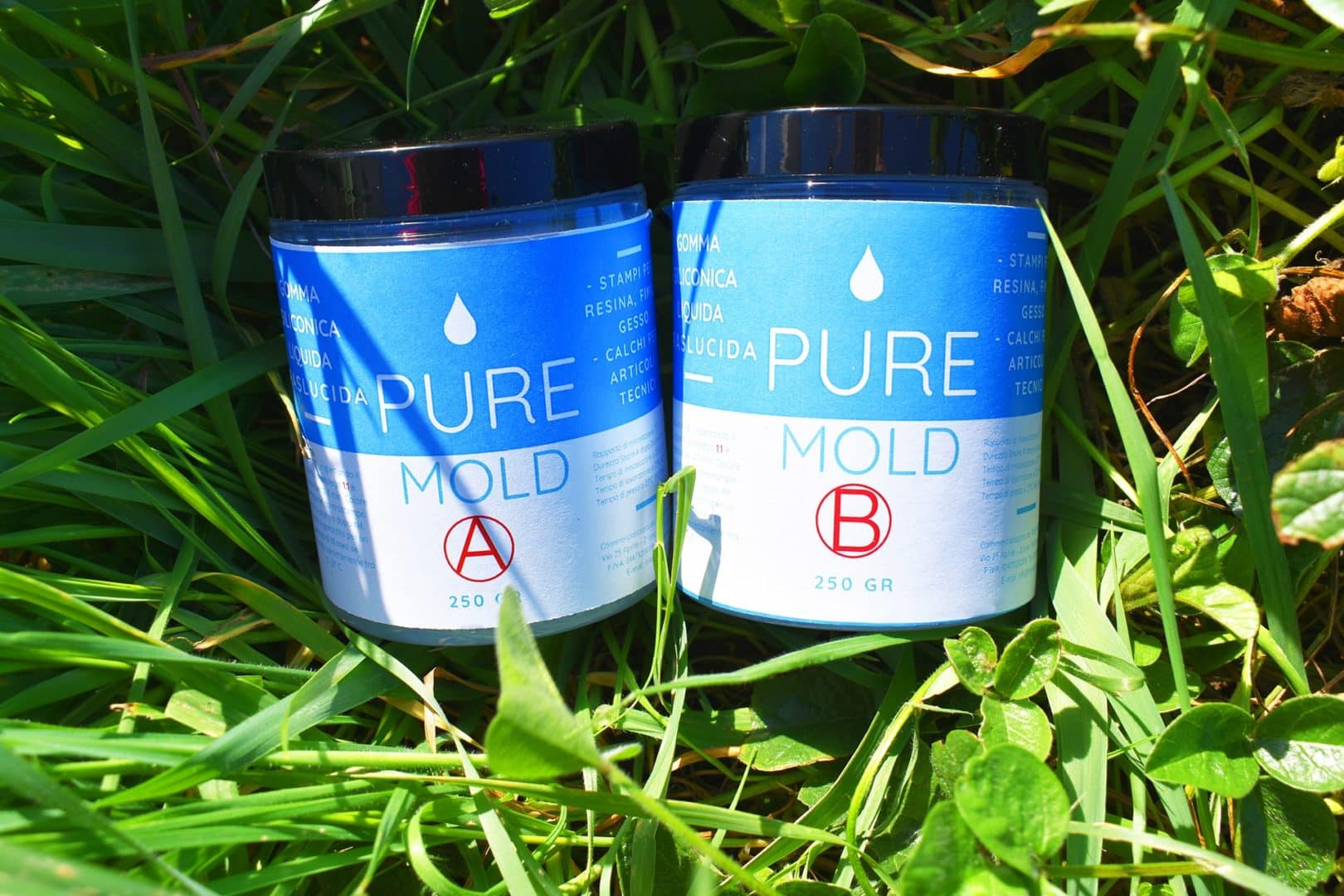
See How Resin Artists Create Professional Moulds
Watch how expert makers prepare their masters and pour silicone for bubble-free, sharp-detail results. Notice the careful set-up and patience during curing for professional resin castings.
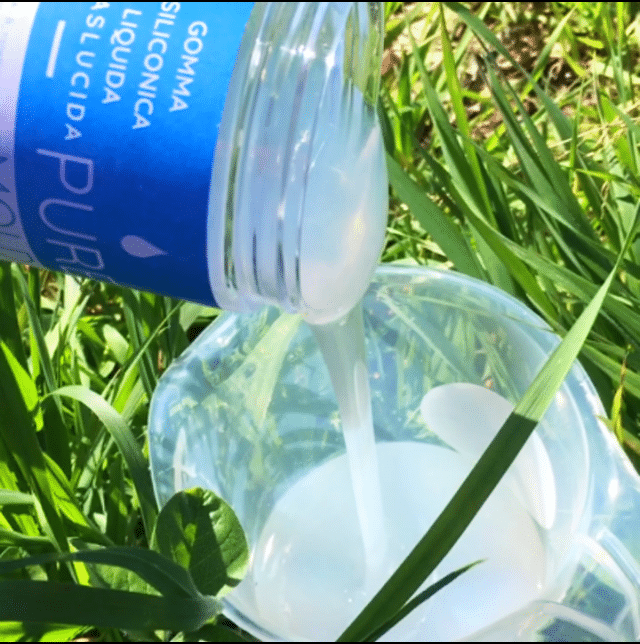
Step 1: Prepare Your Master and Mould Box
Select the object you wish to replicate and ensure it’s thoroughly clean and dry. Position it securely in your chosen mould box—the container should provide at least 10mm of space around all sides of the item for strength. Consider using hot glue, double-sided tape, or a small dab of adhesive to fix your master in place so it doesn’t float when the silicone is poured. If your item is porous or irregular, a release agent may prevent sticking and ensure easier demoulding.
Step 2: Mix Your Silicone Rubber
Choose the right silicone for your project. Fluid silicones like “Pure Mould” – Translucent Liquid Silicone Rubber for Mould Making or “Liquid Mould” – Casting Liquid Silicone Rubber, 5-40 Shores, Bi-Component A+B are ideal for capturing fine details, intricate shapes, and complex cavities. They require careful weighing and thorough mixing—typically in a 1:1 ratio or as instructed on the package.
If your project benefits from a hand-shaped approach or you want to avoid liquid mess, opt for a putty such as “I–Gum” – Non-Toxic Silicone Putty for Mould Making. Mix the components evenly by hand for even performance and minimal air bubbles.
Use silicone products with a reliable 1:1 mix ratio for ease and consistent curing. Always follow the specific instructions for mixing time, working time, and safety.
Step 3: Pour or Apply the Silicone Carefully
When using liquid silicone, pour it slowly into one corner of the mould box to help minimise trapped air. Allow the silicone to flow over the master rather than pouring directly on top, as this reduces bubbles on fine features. If needed, gently tap or vibrate the mould box to encourage any air to rise to the surface before curing.
If using a silicone putty, press, mould, and smooth it evenly around your item, ensuring all detail is captured. Work swiftly if the pot life is limited, smoothing out edges so you get a firm and solid mould wall.
Prevent air bubbles by pouring slowly and tapping the mould before letting it set. For best results, avoid working in humid or very cold environments.
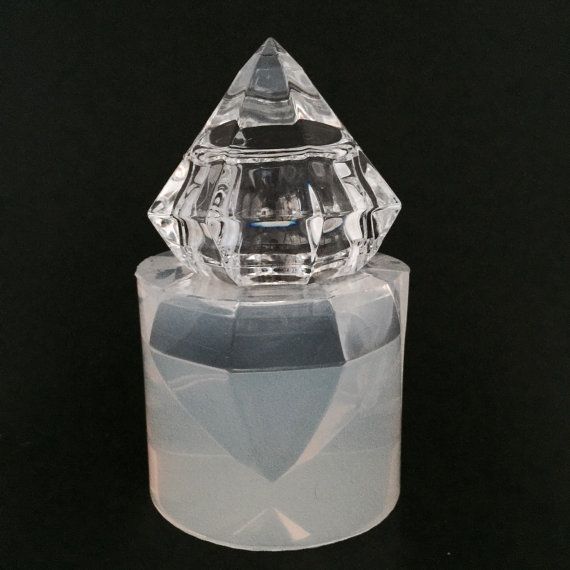
Step 4: Allow the Silicone to Cure Fully
Every silicone has its own recommended curing time and conditions—typically between 3 to 12 hours depending on product and thickness. Leave the mould undisturbed in a dust-free area, ideally at room temperature. Premature demoulding can cause tearing or deformation, so patience here is essential.
Always check working and curing times before starting. If in doubt, add extra time to be sure the mould is completely set before removing the master.
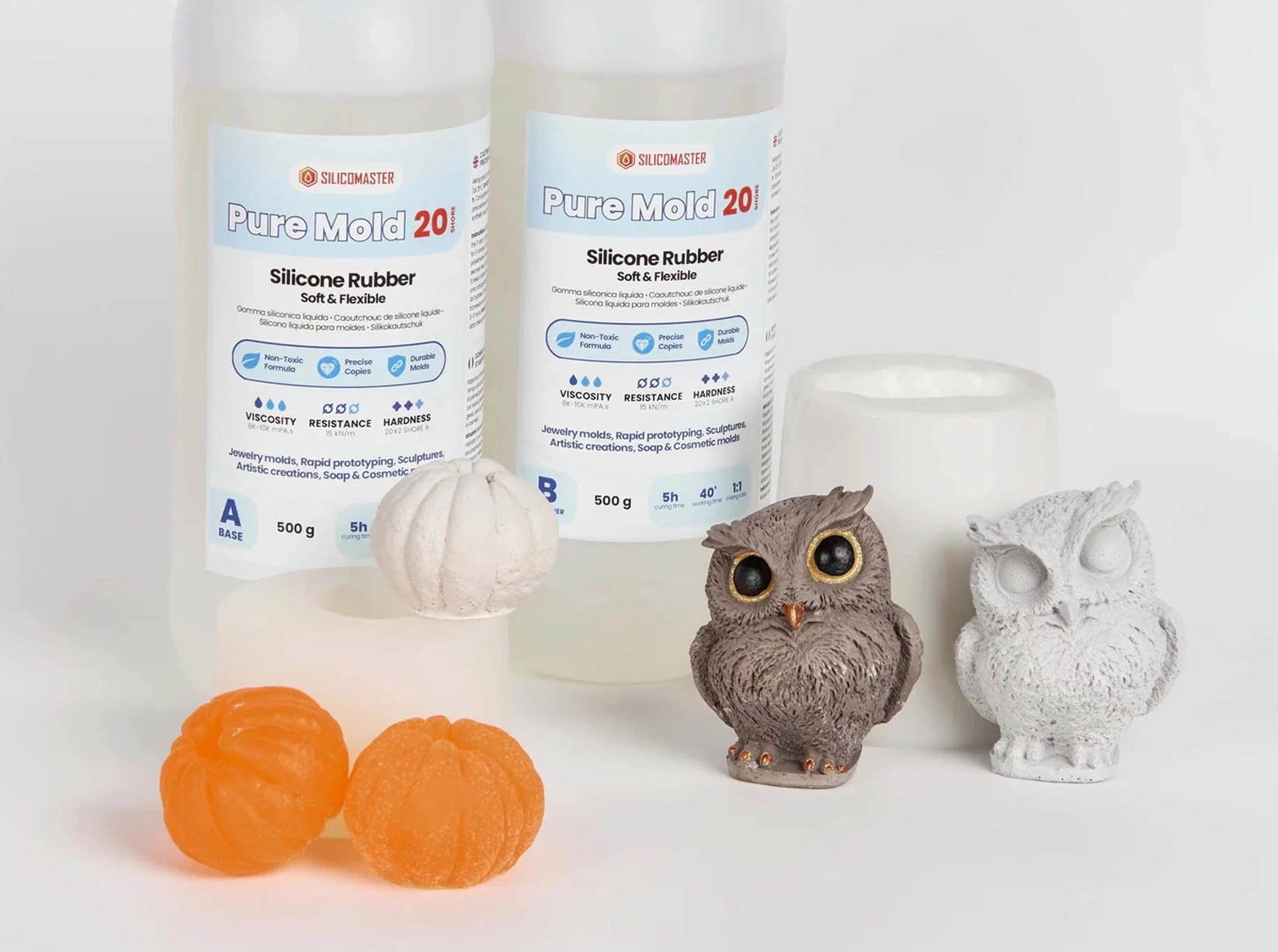
Step 5: Demould, Inspect, and Clean Up
Once the curing is complete, gently flex or peel back the silicone to release your master. Examine the mould—edges should be strong and fine detail should be crisp. If any flash or excess silicone remains, trim carefully with a craft knife. Your new silicone mould is now ready for resin casting!
Tips, Common Mistakes, and Troubleshooting
Work on a protected surface and keep tools clean—dust or debris can ruin details. Don’t rush the mixing: scrape container sides and bases to fully incorporate both parts. Incorrect mix ratios can cause soft or sticky moulds, which will affect your castings.
Use gloves to keep both hands and the material uncontaminated, even if your chosen product is non-toxic. If you notice persistent bubbles, try mixing more gently or let your mixed silicon rest briefly before pouring. For objects with deep undercuts, a two-part mould process may offer better results.
Real-World Advice from Resin Mould Makers
Patience and preparation are key: most mistakes happen by rushing the setup or using incorrect mix ratios. Plan ahead for best outcome.
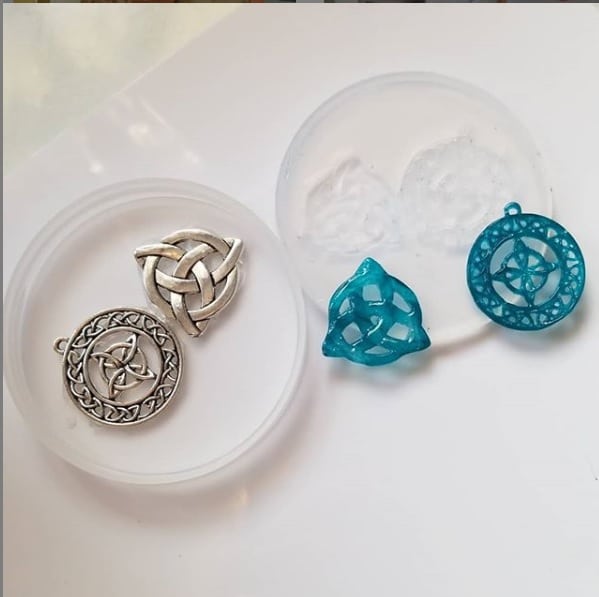
- "Pure Mould" – Translucent Liquid Silicone Rubber for Mould MakingPrice range: £22.85 through £158.85"Pure Mould" silicone rubber is a translucent, fast-curing product designed for making durable moulds compatible with resin and various materials.
- "Liquid Mould" – Casting Liquid Silicone Rubber, 5-40 Shores, Bi-Component A+BPrice range: £13.45 through £368.85"Liquid Mould" is a bi-component liquid silicone rubber suitable for making detailed moulds compatible with resin, soap, and polymer pastes.
 "I–Gum" – Non-Toxic Silicone Putty for Mould MakingPrice range: £22.85 through £99.85"I–Gum" is a two-component non-toxic silicone putty designed for making moulds suitable for resin and other materials with a 1:1 mix ratio.
Frequently Asked Questions
Can I use any silicone for resin moulds?
Special mould-making silicones work best, as they are designed to capture detail, cure at room temperature, and stay flexible for repeated use.
How thick should the silicone mould walls be?
Allow at least 10mm around your original to ensure the strength and durability of the silicone mould.
How can I prevent bubbles in my mould?
Pour silicone slowly and from one side, and tap the mould box gently to help bubbles escape before curing.
Can I make a mould of porous objects?
Yes, but it's best to treat porous items with a release agent or sealant before moulding to avoid sticking.
What do I do if my mould is sticky?
A sticky mould usually means the mix ratio was off or the cure incomplete—give it time or try again with accurate measurements.
How do I clean silicone moulds after use?
Wash gently with warm soapy water and dry thoroughly. Avoid abrasive tools and harsh chemicals.