 Free shipping on orders over £29,85
  Shipping Tracking!


 Google
 Facebook
← Back to What is epoxy putty for iron used for?
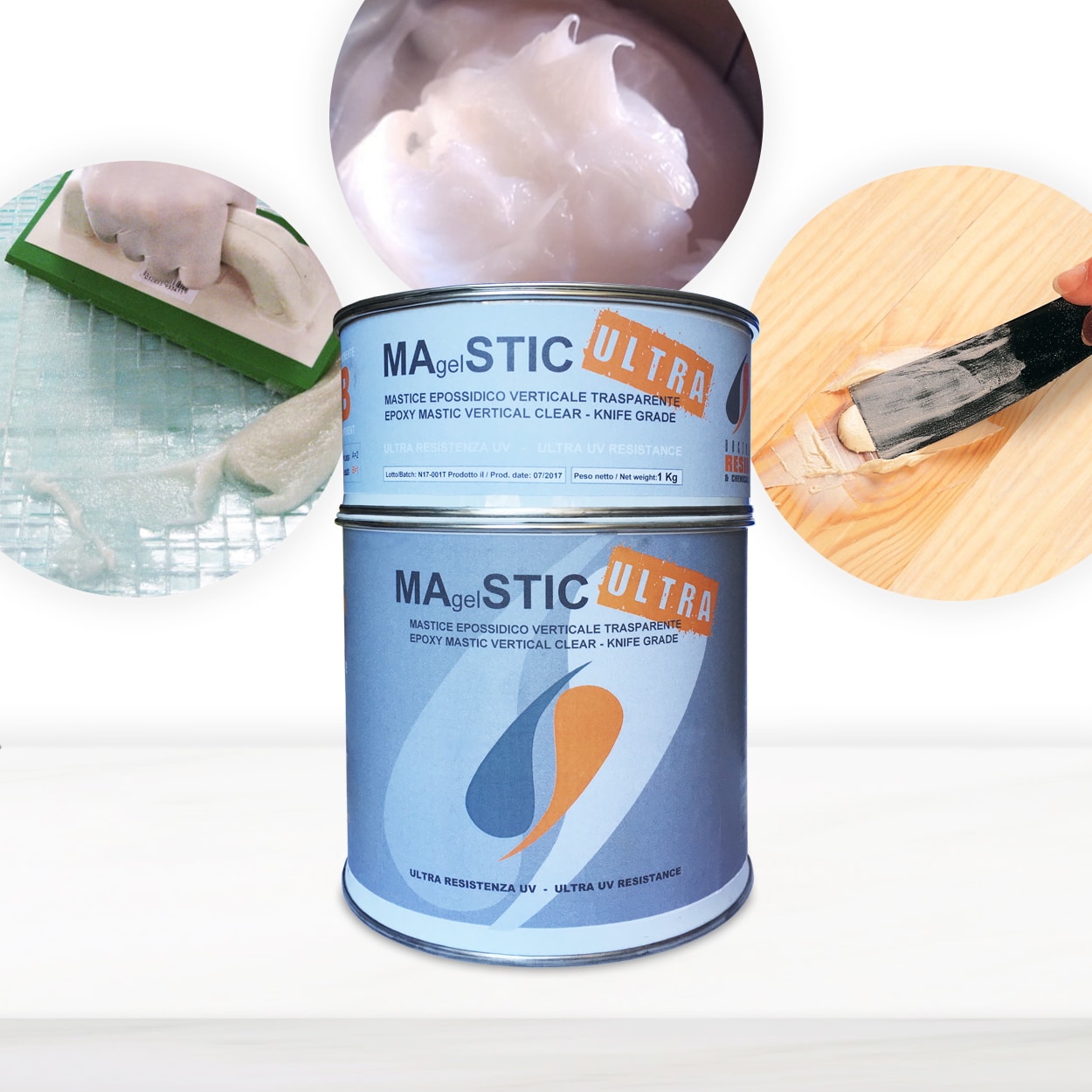
Epoxy putties are widely used for repairing iron surfaces, but are they a good choice for vertical or overhead fixes? Selecting the right formulation can make all the difference when working in challenging positions.
Why Thixotropic Epoxy Putty is Ideal for Vertical Applications
Standard putties often sag or drip when applied to upright or overhead surfaces. However, thixotropic epoxy putties—like “Magelstick” Epoxy Mastic—are engineered to stay put. Their paste-like texture ensures the putty holds its shape, even before it sets, allowing effortless work on iron beams, columns, or ceiling repairs without the worry of slumping.
Practical Tips for Vertical and Overhead Repairs
- Prepare the surface: Remove rust, dust, and debris for best adhesion.
- Mix small batches: Epoxy putty starts to cure quickly, so work in manageable amounts.
- Apply with pressure: Press the putty firmly into place to ensure a solid bond on iron surfaces.
- Ideal conditions: Ensure the temperature is at least 10°C during application for best results.
When Is This Especially Important?
Vertical or overhead epoxy putty application matters most when restoring railings, repairing fixtures, or sealing joints where traditional adhesives may fail or sag. The right thixotropic formula ensures your repairs stand up to both gravity and time.
Related products
Related guides
Choosing the proper epoxy putty for vertical or overhead iron repairs ensures dependable, neat results—especially in restoration projects where secure adhesion is vital. For more on using epoxy with iron, explore our main page on epoxy putty for iron.