 Free shipping on orders over £29,85
  Shipping Tracking!


 Google
 Facebook
How to apply epoxy putty?
Step-by-step guidance for lasting and precise epoxy putty applications
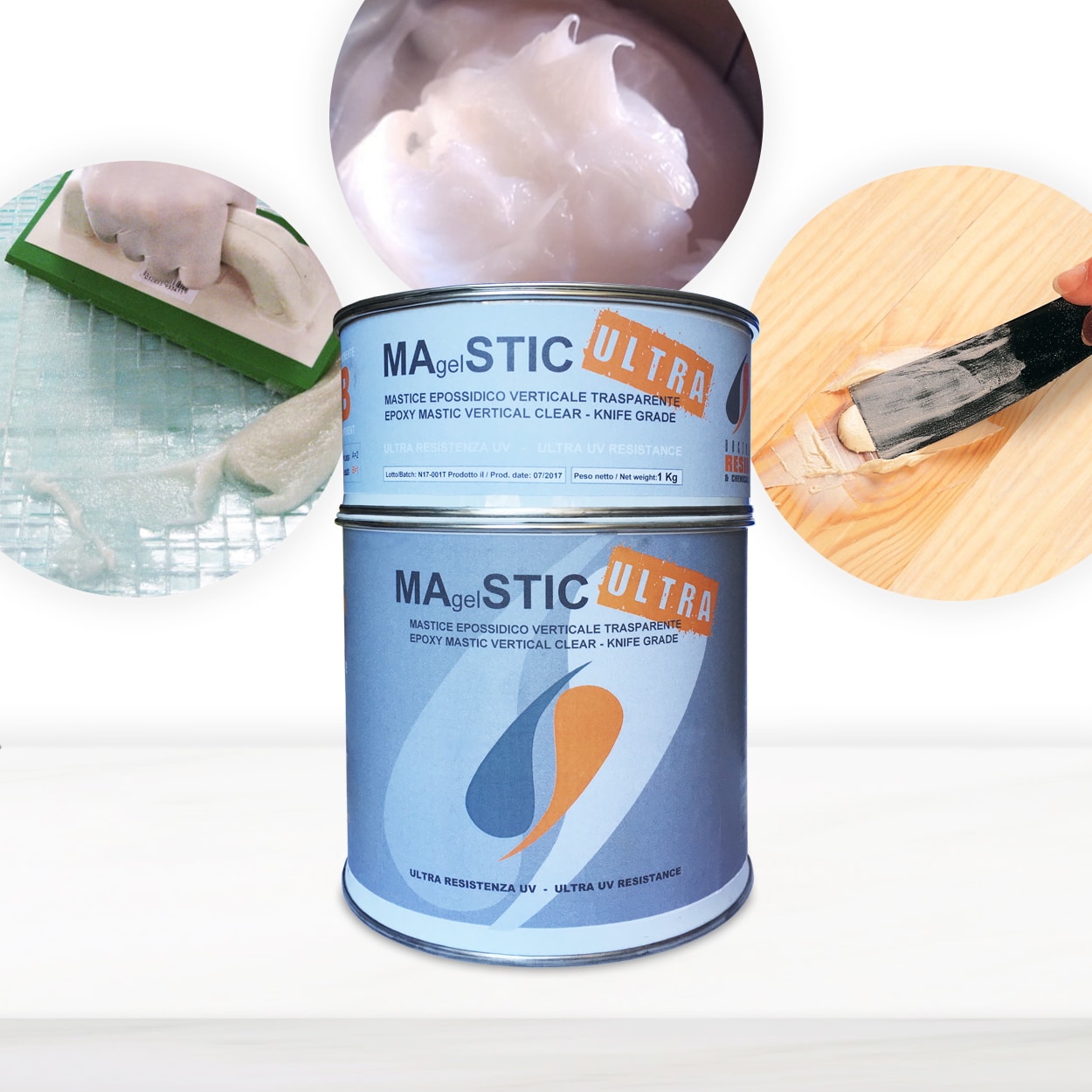
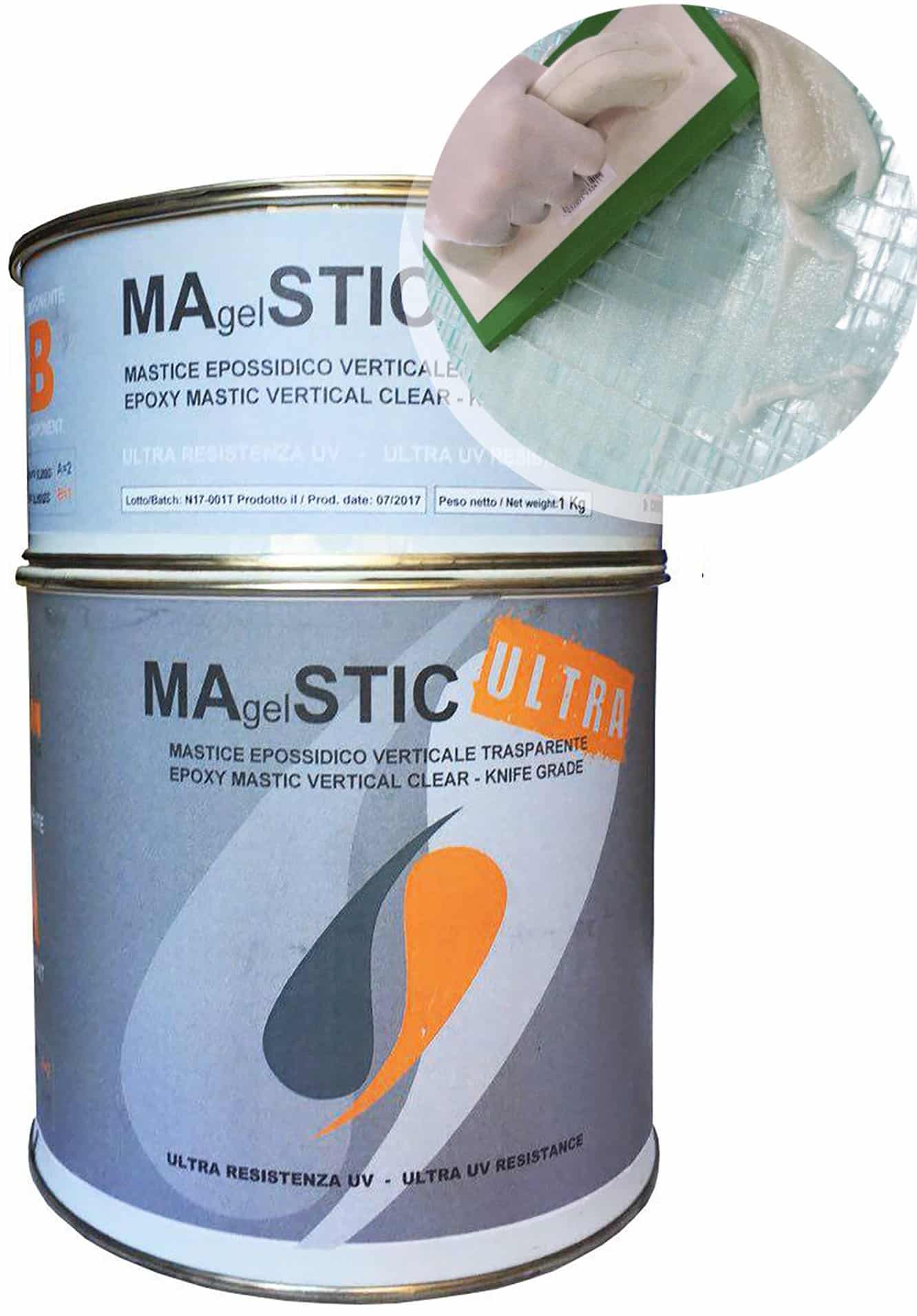
Epoxy putty is prized for its strength, versatility, and ability to bond or fill everything from damaged stone to cracked metal and ceramics. This page will guide you through the entire process of applying epoxy putty so you can restore surfaces with confidence—whether you are patching a wall, repairing bodywork, or anchoring fixtures. No matter your experience level, following these steps ensures a clean, reliable, and enduring result.
What You’ll Need
- “Magelstick” – Epoxy Mastic for Stone, Metal, and Cement Bonding and Grouting – perfect for masonry, cement, and stone fixing
- “Klebfix” – Two-Component Fast Epoxy Glue 2K, 25g Syringe – fast-setting repairs on small objects
- “FixExpress” – Two-Component Epoxy Glue 500g – ideal for quick and precise multi-material repairs
- CROP 2K Fiberglass Putty – 750 ml + Hardener – durable filling for deep cavities, especially in automotive repair
- Nitrile gloves, safety goggles, and a protective mask
- Sanding block or sandpaper (various grits)
- Mixing board or container and spatula
- Clean rags and a degreasing cleaner
Key Applications and Surfaces for Epoxy Putty
Epoxy putty is incredibly versatile, suitable for repairs on stone, metal, ceramics, plastics, and even automotive parts. Whether restoring historic masonry or fixing cracks in everyday household items, choosing the right formulation and correct technique ensures lasting results on almost any surface.
Step 1: Ensure the Surface is Clean and Prepared
Cleanliness is critical. Dirt, dust, grease, or loose particles can undermine the strength of the epoxy putty bond. Begin by removing any old coatings, debris, or loosely attached fragments. Use a suitable degreaser or cleaner to eliminate grease and oils—especially on metal or automotive surfaces. Let the area dry completely and lightly roughen smooth surfaces with sandpaper to provide a better grip for the putty. Proper preparation sets the foundation for a durable, neat finish.
Step 2: Mix the Epoxy Putty Components Thoroughly
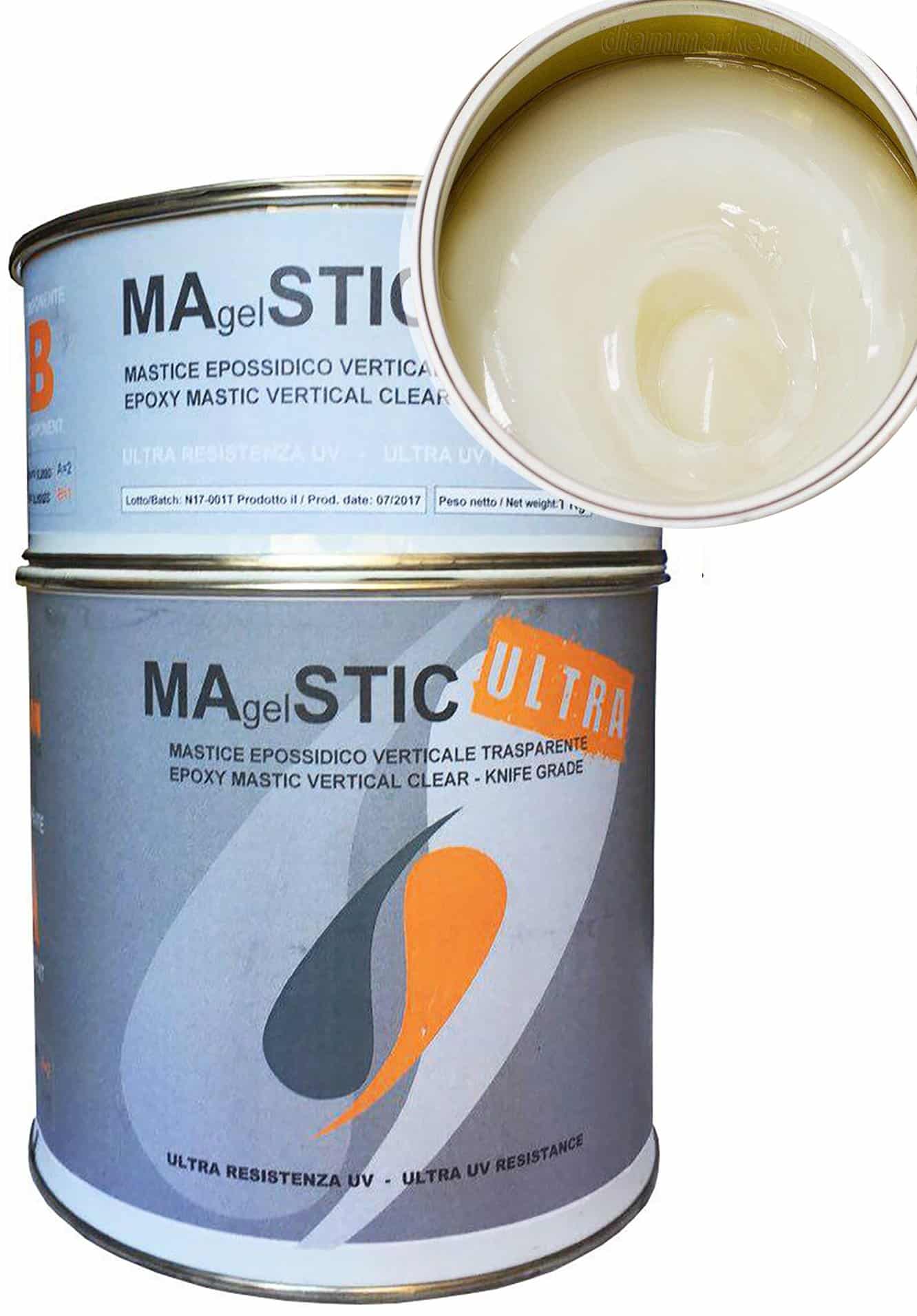
Epoxy putty is a two-part product: resin and hardener. Mix carefully and precisely, following the manufacturer’s recommended ratio. For example, “Magelstick” – Epoxy Mastic for Stone, Metal, and Cement Bonding and Grouting uses a 100:50 mixing ratio, while others like “FixExpress” – Two-Component Epoxy Glue 500g are mixed 1:1 by weight or volume. Use a clean spatula and mix on a disposable board until you achieve a consistent, streak-free putty. Only mix as much as you can apply within the product’s working time to avoid waste and rushed applications.
Step 3: Apply the Epoxy Putty Effectively
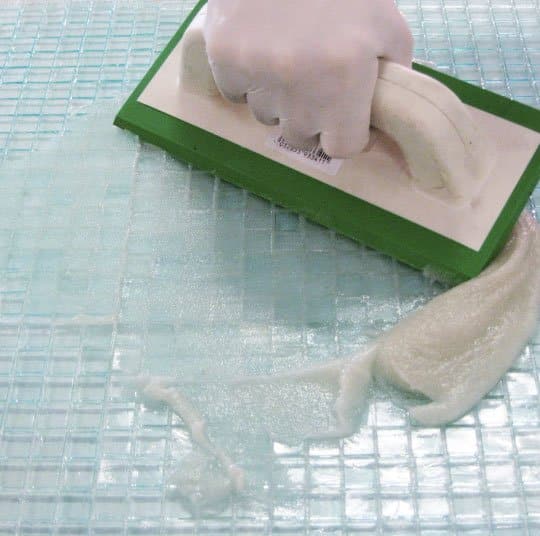
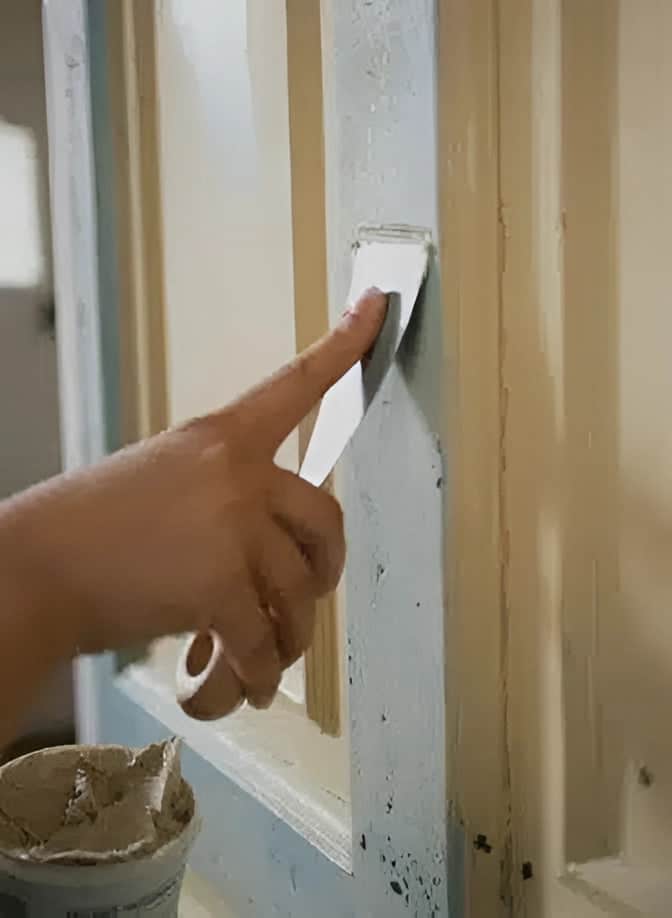
With your putty mixed and ready, apply in manageable batches. Spread the putty over the prepared area, pressing firmly to work it into gaps, cracks, or damaged sections. For vertical or overhead surfaces—such as when using Magelstick epoxy mastic—benefit from thixotropic, non-sag formulations that stay in place. If repairing auto bodywork, a fibreglass-reinforced product like CROP 2K Fiberglass Putty helps fill deeper holes and withstands mechanical stress. Build up the surface in several thin layers if required, especially for larger repairs.

Step 4: Shape, Smooth, and Allow Curing
Shape and smooth before curing. While the epoxy putty is still workable, use a spatula or gloved finger (dipped in a little water if permitted) to contour and flatten the surface. Aim to bring the repair as close to its final shape as possible—epoxy putty is much easier to work while soft. Observe the recommended curing time: full handling strength may be achieved in as little as 5 minutes for quick-set types, but deeper sections or vertical applications may need longer. Once cured, sand smooth for paint or finishing as needed.

Tips for a Flawless Finish and Common Mistakes to Avoid
Work in a well-ventilated area and always wear gloves and eye protection. Avoid mixing too much at once; unused putty will harden rapidly and cannot be stored after activation. Check the application temperature—some products require at least 10°C for proper curing. For best results, refine smoothing and removal of excess putty before it has set fully. If you are filling large holes or stress points, consider reinforcing the repair or using a fibreglass-based product for flexibility and durability.
Professional Advice on Storage and Curing
Store epoxy components separately and tightly sealed in a cool, dry place. Always observe recommended curing times and conditions to achieve maximum bond strength and resistance to wear, moisture, or UV exposure. Thorough curing ensures your repair will be as strong and stable as intended.
- "Magelstick" – Epoxy Mastic for Stone, Metal, and Cement Bonding and GroutingEpoxy putty designed for bonding and grouting stone, metal, and cement with good vertical application support.
- "Klebfix" – Two-Component Fast Epoxy Glue 2K, 25g Syringe£24.00"Klebfix" offers a professional-strength, fast-setting epoxy glue suitable for various materials, fitting the theme of applying epoxy putty.
 "FixExpress" – Two-Component Epoxy Glue 500g£26.95"FixExpress" epoxy glue is suitable for rapid repairs and strong adhesion on various materials in projects following the application guidelines.
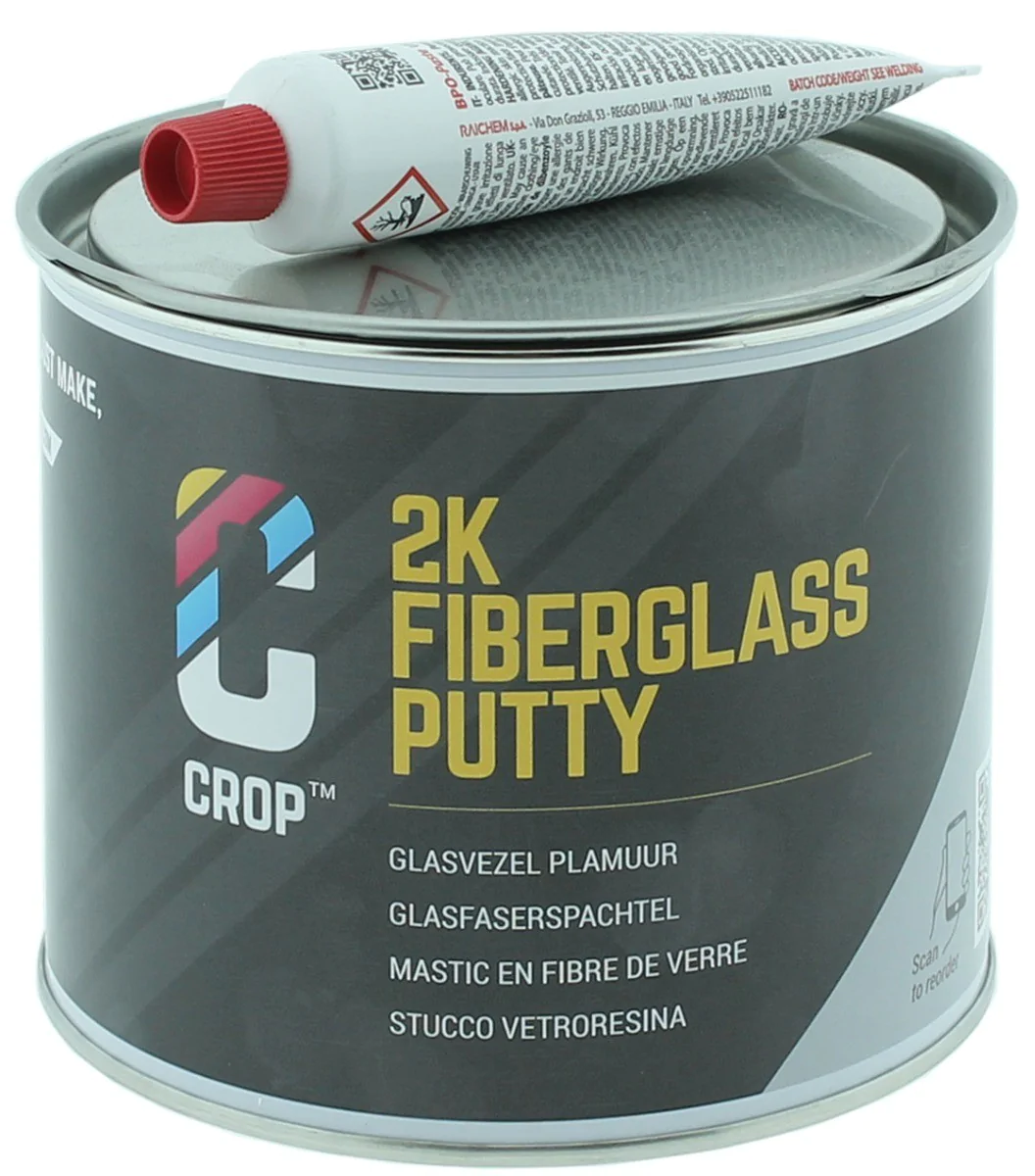 CROP 2K Fiberglass Putty – 750 ml + Hardener£15.85CROP 2K Fiberglass Putty is designed for repairs needing strength and durability with easy sanding before priming and painting.
Frequently Asked Questions
What is the best way to prepare a surface before using epoxy putty?
Ensure the surface is clean, dry, and free from grease or debris. Roughen smooth areas lightly to help adhesion.
How do I mix epoxy putty correctly?
Always follow the manufacturer's specified mixing ratio, which may be 1:1 or another proportion, and mix thoroughly until uniform in colour.
What is the curing time for epoxy putty?
Curing usually ranges from 5 minutes to several hours depending on the product and repair thickness. Check the product guidance.
Do I need protection when working with epoxy putty?
Wear gloves and eye protection, ventilate your workspace, and avoid direct skin or eye contact with uncured epoxy.
Will epoxy putty work on vertical or overhead repairs?
Yes, thixotropic epoxies such as Magelstick stay in place without running and work well for these applications.
Can I sand or paint over cured epoxy putty?
Once fully cured, most epoxy putties can be sanded smooth and painted to match surrounding surfaces.
What is the best storage method for epoxy putty components?
Store separate components in their original, tightly closed containers in a cool, dry area to avoid premature hardening.