 Free shipping on orders over £29,85
  Shipping Tracking!


 Google
 Facebook
← Back to What can be used instead of silicone rubber?

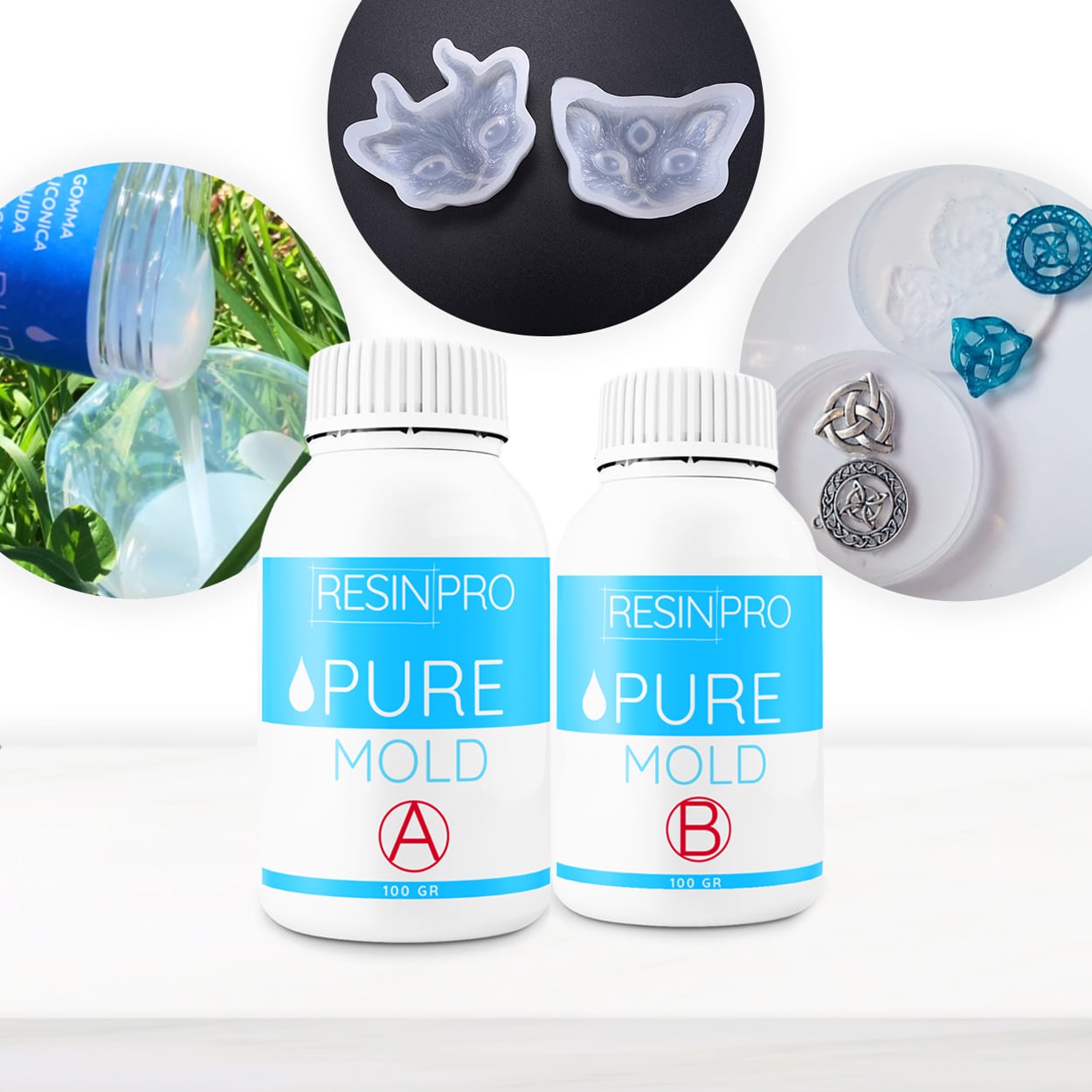
Choosing between silicone putty and liquid silicone rubber for mould making largely comes down to the intended use and expectations for mould durability. Both options serve specific needs, but key differences emerge in how well they stand up to repeated use and fine detail work.
Understanding Durability in Mould Making
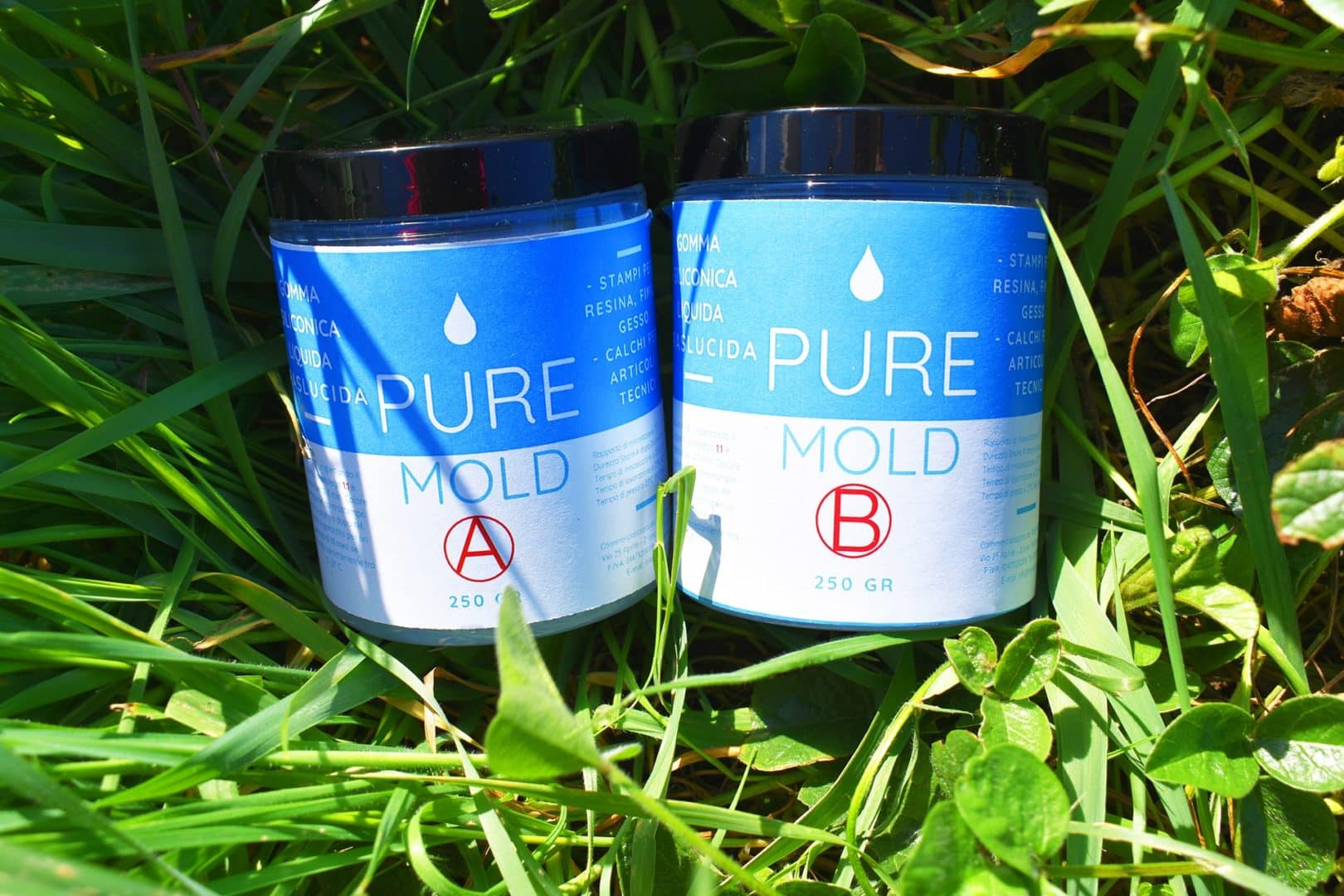
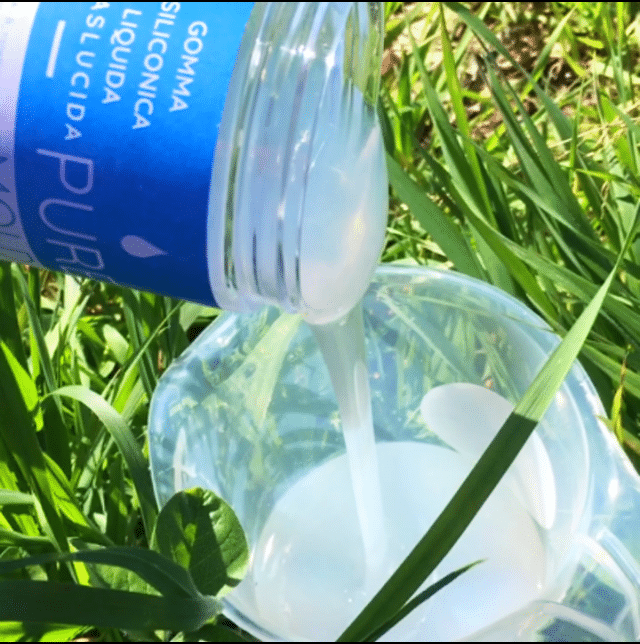
Liquid silicone rubber is generally preferred for applications where a mould must endure many casts without losing detail. It cures to form a flexible yet resilient surface, making it well-suited for intricate or high-volume projects. For example, “Pure Mould” Liquid Silicone Rubber is engineered for professional and hobby use, offering extended service life and resistance to daily wear during casting cycles.

When to Use Silicone Putty
Silicone putty, such as “I–Gum” Non-Toxic Silicone Putty, stands out for its ease and speed of use. It can be mixed and applied directly by hand, with a much faster curing time than liquid silicone options. While sufficient for one-off moulds or small projects, putty may show signs of wear sooner when used for numerous reproductions or complex designs with fine details.
Practical Guidance: Making the Right Choice
- For moulds needed for multiple casts or detailed objects, liquid silicone rubber is the durable choice, maintaining accuracy over time.
- If you need a quick, non-toxic solution for occasional or simple shapes, silicone putty offers a practical, user-friendly alternative.
- Consider your project scale and whether the mould will face repeated use—this often dictates which product will provide better value and longevity.
When This Matters
If your work involves frequent casting, tight undercuts, or high precision—such as jewellery making or model duplication—the greater durability of liquid silicone rubber becomes especially important. For casual crafting or making basic items, putty may be entirely sufficient.
Related products
Related guides
In conclusion, while silicone putty provides convenience for low-demand tasks, liquid silicone rubber typically lasts longer and withstands repeated use, making it the go-to choice for demanding or detail-oriented projects. For more on alternatives and advice for your mould making needs, return to our main guide on silicone rubber alternatives.