 Free shipping on orders over £29,85
  Shipping Tracking!


 Google
 Facebook
← Back to how to make silicone rubber for jewellery
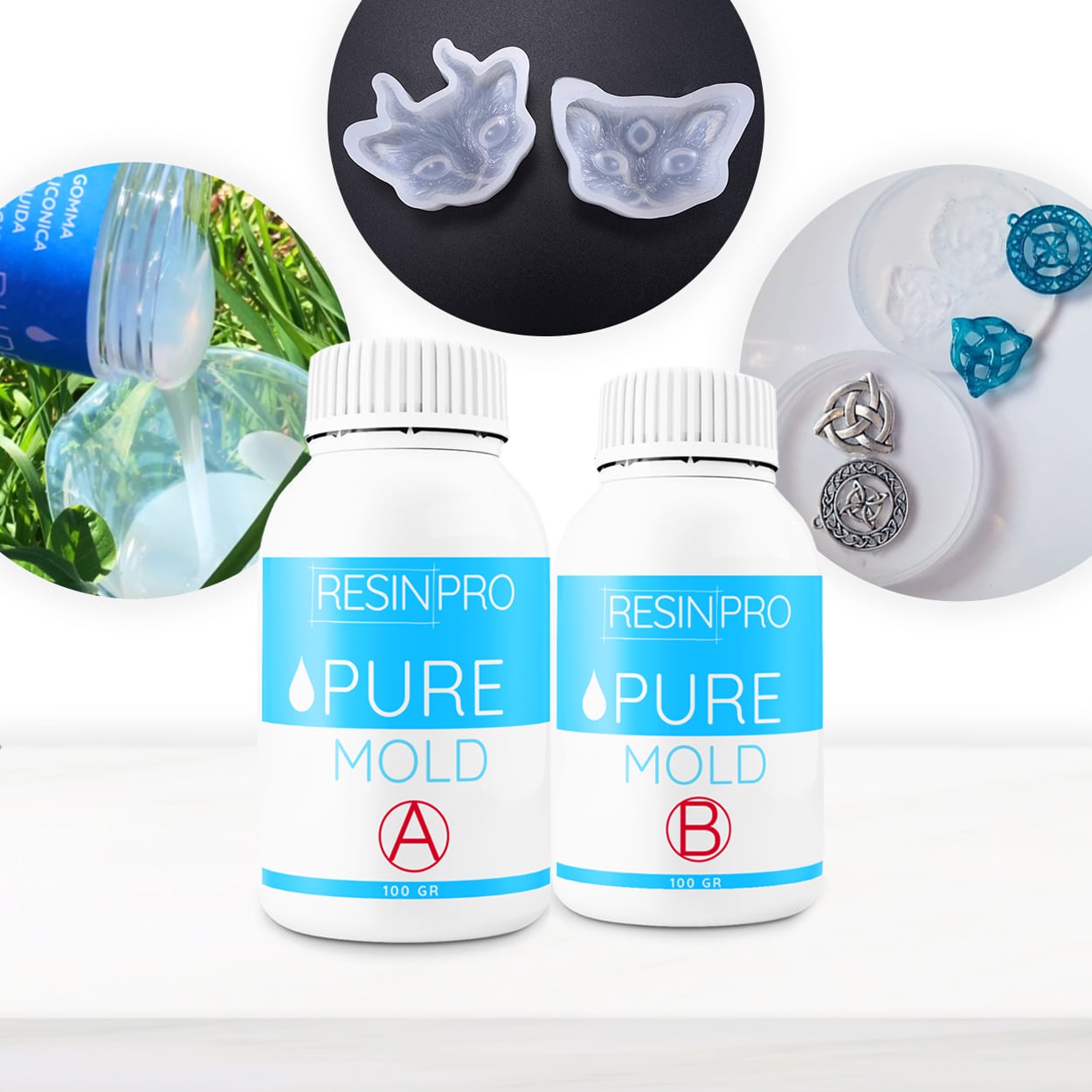
When you’re making silicone moulds for jewellery, encountering sticky or not-fully-cured silicone can be frustrating. Let’s explore why this happens and how to achieve a reliable cure every time.
Common Causes of Incomplete Silicone Curing
If your silicone rubber feels tacky after the recommended curing time, the most frequent reasons are incorrect component ratios or insufficient mixing. Most modern silicones, like the Pure Mould liquid silicone rubber, are designed for straightforward 1:1 mixing, but even a small deviation can affect the end result. Similarly, failing to blend parts A and B thoroughly leads to pockets that don’t set. Double-check the manufacturer’s instructions for the correct ratio and always mix until the blend is completely uniform and free of streaks.
Effective Mixing and Pouring Techniques
Achieving a full cure starts with careful preparation. Weigh or measure your silicone parts precisely using clean tools. Mix slowly to incorporate both components fully while trying to minimise trapped air. Scrape the sides and bottom of your container as you stir. For intricate or deep moulds, pouring in a thin stream can help release air bubbles and ensure every cavity fills with well-mixed silicone.
When Incomplete Curing is Most Likely
Uncured silicone most often appears when making detailed or complex jewellery moulds or if you’re interrupted during mixing. It can also result from using containers or spatulas with unmixed old residue that contaminates the new batch. Pay extra attention when working in cool environments, as low temperatures may slow or prevent curing.
Related products
Related guides
Mastering correct ratios and mixing techniques will help you achieve perfect results with your jewellery silicone moulds. To learn more about selecting and using the right silicone for your project, visit our detailed guide on how to make silicone rubber for jewellery.