 Free shipping on orders over £29,85
  Shipping Tracking!


 Google
 Facebook
← Back to What type of silicone rubber is used?
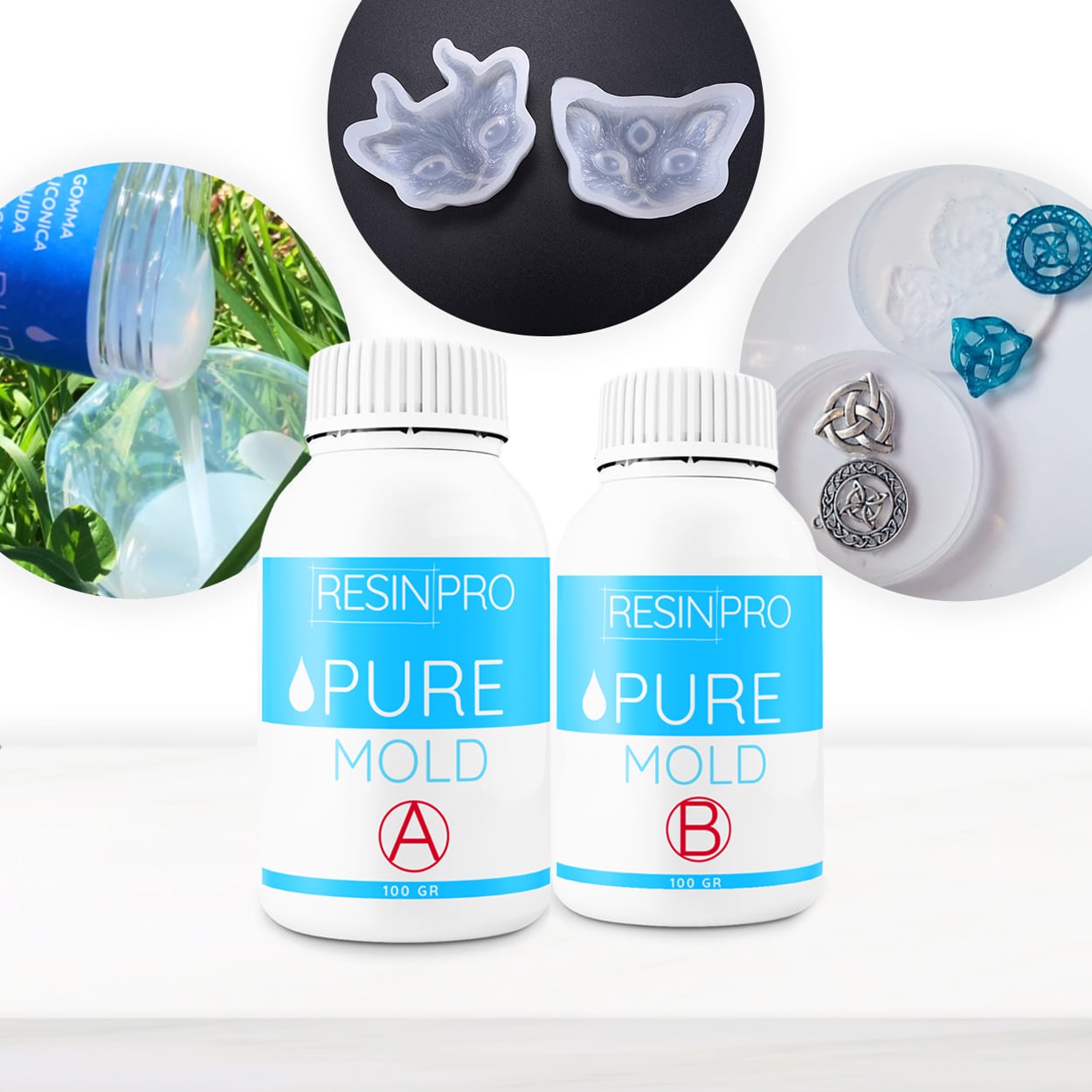
For those seeking crisp, professional results when casting intricate or small items, liquid silicone rubber stands out for its ability to capture even the finest details. It’s a favourite choice among model makers, jewellers, and crafters working with resin, wax, or plaster.
Why Use Liquid Silicone Rubber for Detailed Moulds?
Liquid silicone rubber is highly flowable, so it can reach into tiny crevices, ensuring that no surface detail is lost. Its supple nature also makes it easier to demould objects with fine undercuts or textures without breaking or damaging fragile pieces. Products such as “Pure Mould” Silicone Rubber are specially formulated to deliver clear, crisp details and provide long-lasting, reusable moulds.
Choosing the Right Silicone Rubber
When selecting a silicone rubber, consider its shore hardness and intended use. For highly detailed work and small pieces, a softer grade (lower shore value) will pick up finer features and allow easy release. Options like “Liquid Mould” are available in several shore ratings to suit projects from jewellery to technical parts. Always use a bi-component system and be sure to mix as directed—typically a straightforward 1:1 ratio for ease and reliability.
Tips for Best Results
- Prepare a clean mould box and support your master securely.
- Ensure thorough, bubble-free mixing of both components to achieve accurate detail.
- Pour slowly from one corner to minimise air entrapment.
- Allow the mould to fully cure—usually between 3 and 8 hours, depending on the product—before demoulding.
- If working with hot wax or repeated castings, select a silicone designed for durability and minimal shrinkage.
Related products
Related guides
Whether you are replicating a custom jewellery piece or making decorative items, using a high-quality liquid silicone rubber ensures your moulds remain sharp and resilient. For more on different silicone rubber types and their uses, visit our main FAQ on what type of silicone rubber is used.