 Free shipping on orders over £29,85
  Shipping Tracking!


 Google
 Facebook
← Back to Which is better: polyurethane or epoxy?
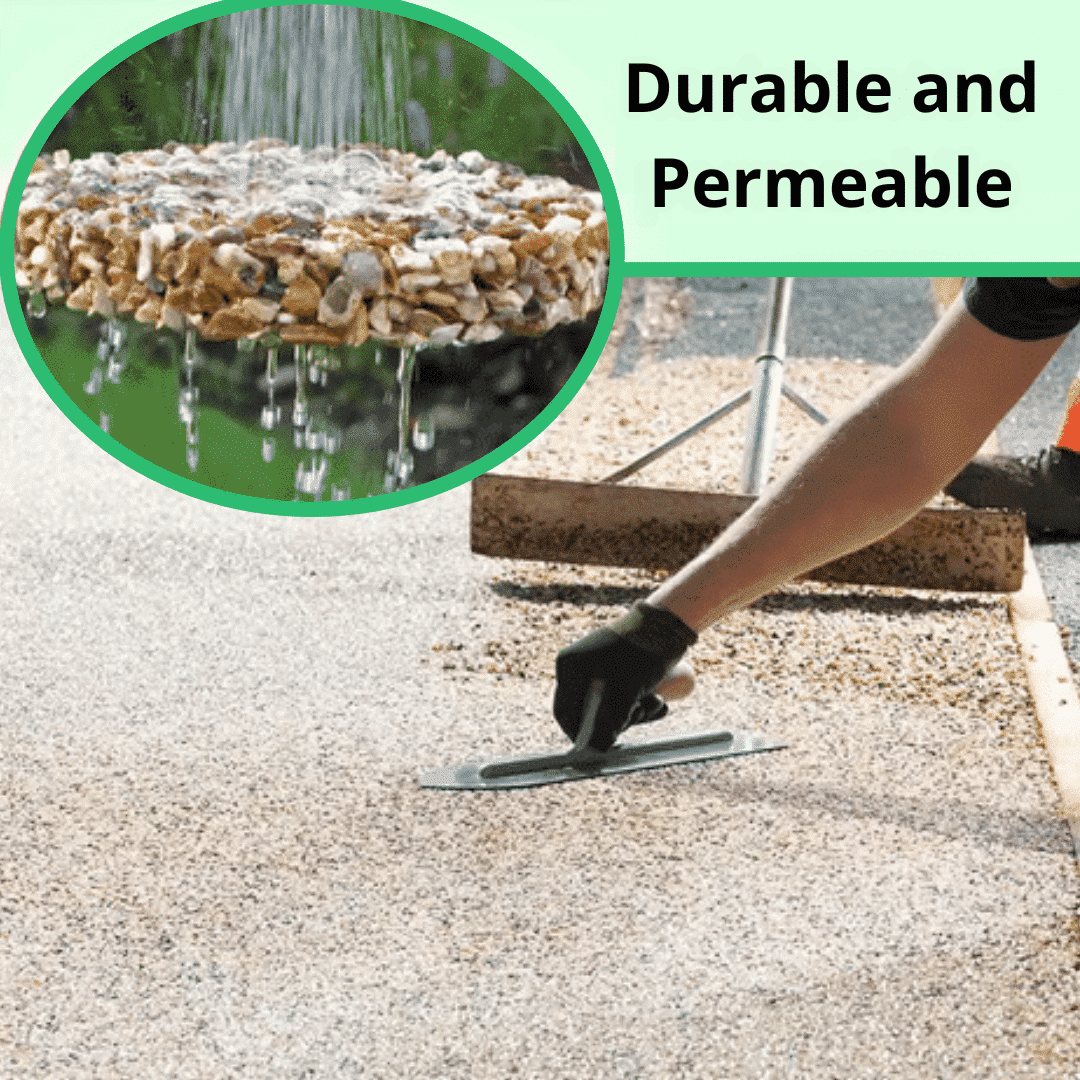
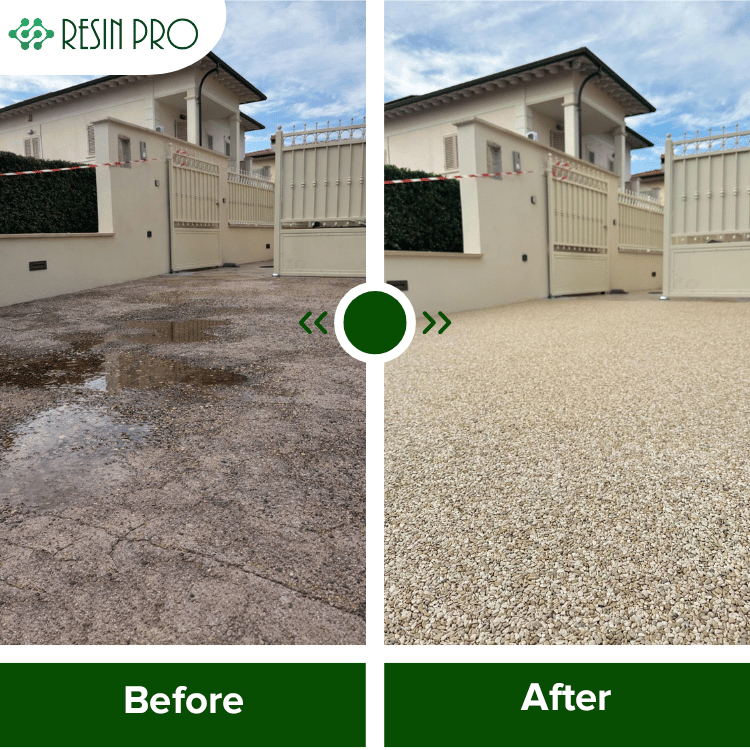
A permeable floor is a type of surface designed to allow rainwater to pass through, helping to prevent puddles and reducing the risk of flooding by dispersing water into the ground below. This approach is becoming popular for outdoor environments seeking both durability and sustainable drainage.
How Permeable Floors Work
Unlike traditional hard surfaces, permeable floors are made using specially selected aggregates—such as pebbles—bound with a resin to create a solid yet porous finish. This structure lets water filter down through the floor, naturally returning it to the subsoil. As a result, standing water is minimised, and strain on drainage systems is reduced.
Where Are Permeable Floors Used?
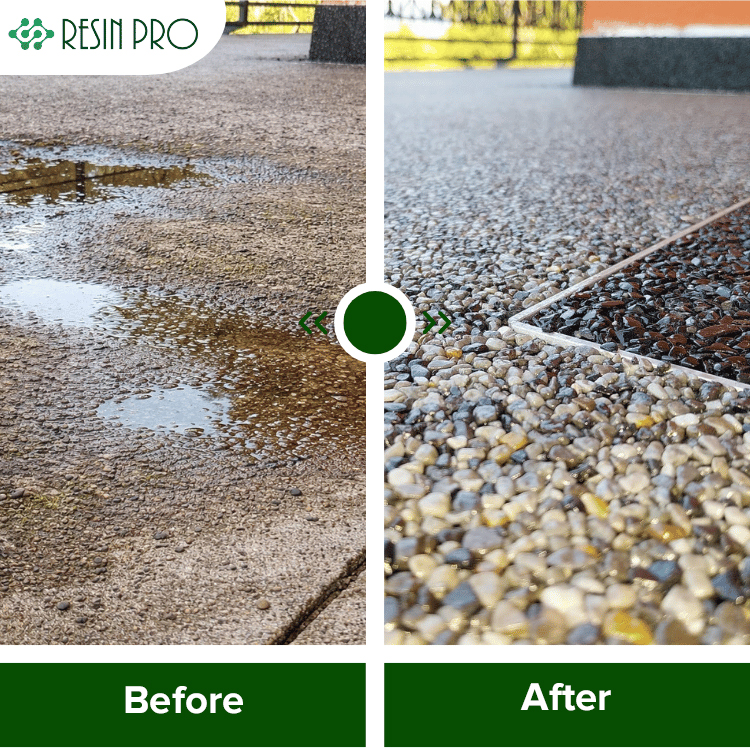
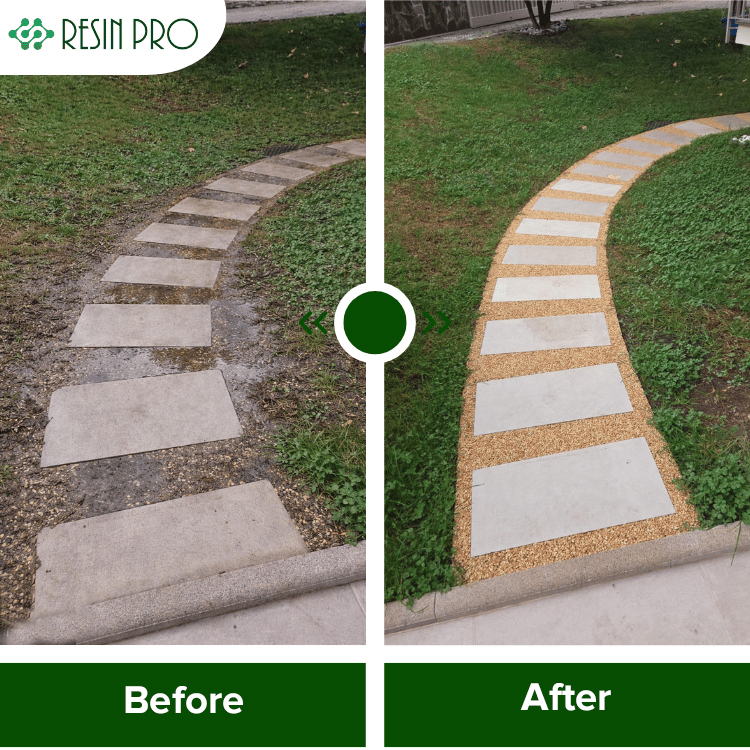
Permeable floors are ideal for outdoor spaces where water management is crucial. Common applications include driveways, patios, pedestrian paths, and public areas prone to water pooling. Their anti-slip properties and durability make them suitable for both homes and commercial environments. For high-traffic zones or decorative effects, different resin and stone combinations can be selected to meet specific needs.
Choosing and Installing a Permeable Floor
When planning a permeable floor, it’s important to choose the right binder for your aggregates. For instance, the Flowstone kit provides detailed advice: polyurethane resin is best for white stones, offering excellent clarity and non-yellowing properties, while low-yellowing epoxy suits coloured aggregates. Most kits are supplied with full installation instructions and require only basic tools for mixing and spreading, making the process accessible for both professionals and keen DIYers.
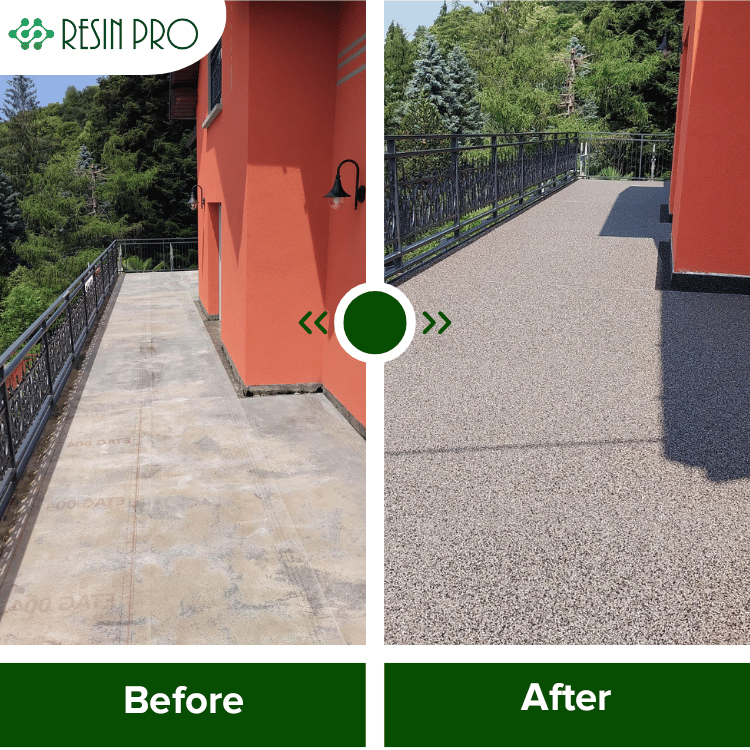
When Is a Permeable Floor the Right Choice?
- Areas with frequent heavy rain or poor natural drainage
- Driveways and footpaths where puddles are a recurring problem
- Environments seeking a low-maintenance, decorative outdoor finish
Related products
Related guides
Opting for a permeable floor helps you maintain safer, drier outdoor spaces while supporting effective water management. For further guidance on the best materials—whether polyurethane or epoxy—have a look at our full comparison and buying resources on the main FAQ hub.