 Free shipping on orders over £29,85
  Shipping Tracking!


 Google
 Facebook
Which is better: polyurethane or epoxy?
A detailed comparison for floors, driveways, and outdoor projects
Deciding between polyurethane and epoxy is essential for anyone planning to coat floors, protect driveways, or create decorative outdoor surfaces. Whether you are a DIY enthusiast, a homeowner, or a professional installer, this guide offers a clear comparison of polyurethane versus epoxy, helping you select the right resin system for your particular requirements. We will examine key differences, typical applications, and situations where each type excels—using real product examples available in the UK.
Polyurethane vs Epoxy: Key Differences and Use Cases
Polyurethane and epoxy are both widely used as binders and coatings, but their properties yield best results for different applications. Epoxy is typically favoured for indoor, coloured surfaces where chemical resistance and hardness are crucial, but it may yellow when exposed to intense sunlight. Polyurethane, on the other hand, excels outdoors, offering superior UV resistance, flexibility, and durability under changing weather. This makes polyurethane ideal for white stones, flexible coatings, and situations demanding anti-yellowing performance, while epoxy remains a smart choice for coloured aggregate floors where UV exposure is moderate. Choosing the correct resin ensures your floors, driveways, or decorative projects remain attractive and hard-wearing for years to come.
See the Difference: Polyurethane and Epoxy in Real Projects
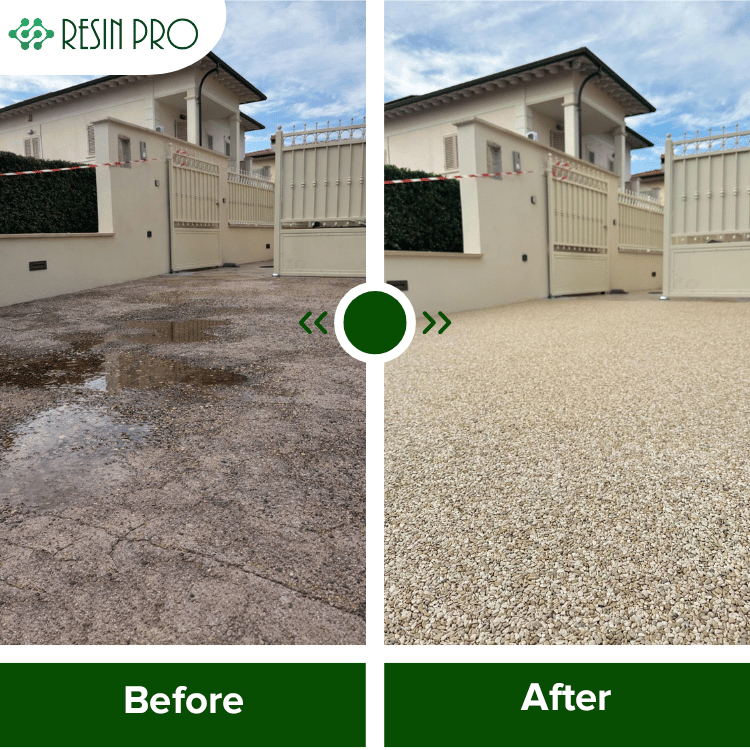
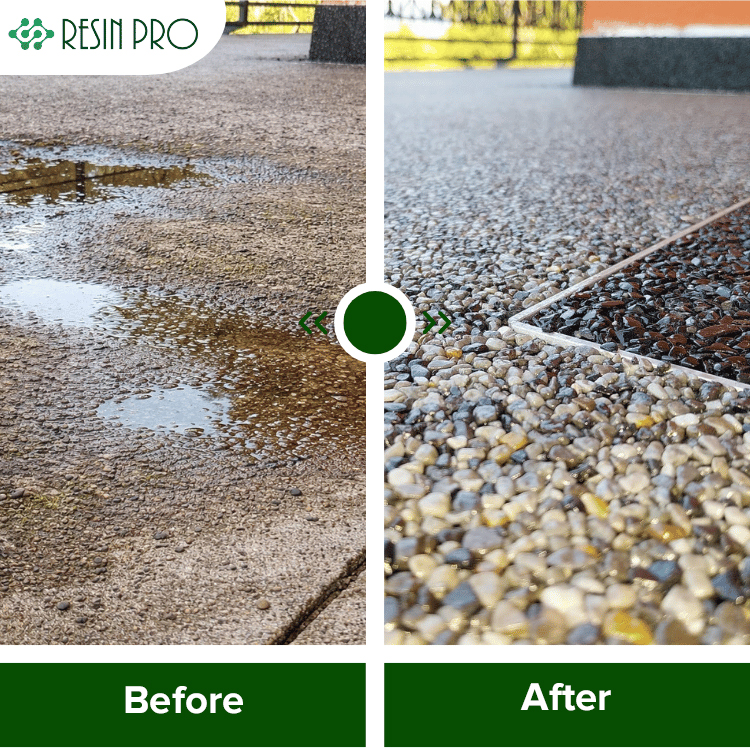
Visual results can help highlight the differences between polyurethane and epoxy applications. Polyurethane produces a crystal-clear, non-yellowing surface—especially with white or natural stone—while epoxy is excellent for coloured aggregates where some minor yellowing may be acceptable. Study real installations for insight and inspiration, and review surface close-ups before you decide which system suits your requirements.
“Flowstone” – Complete Permeable Floor Kit with Pebbles and Resin
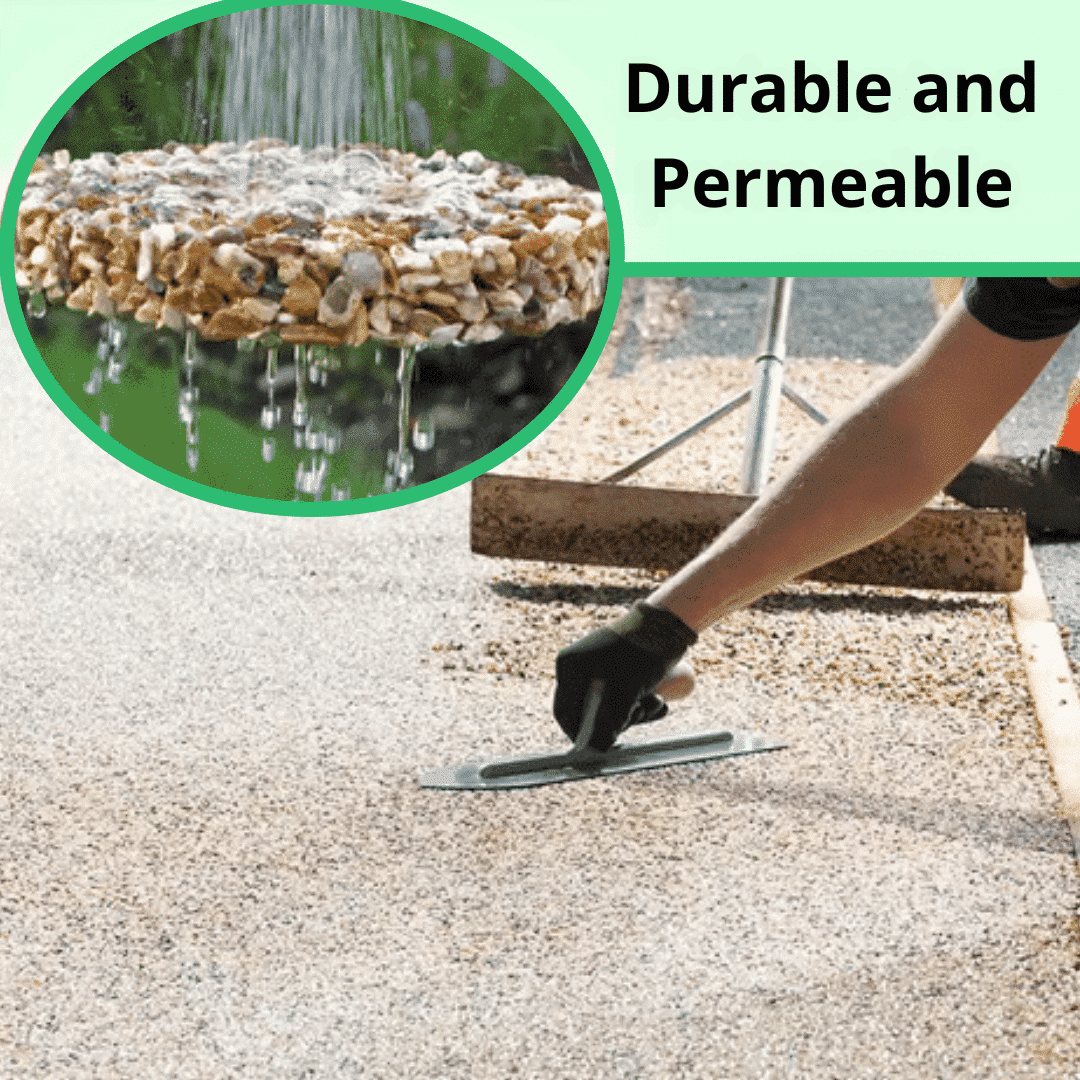
If you are installing a permeable outdoor floor, the “Flowstone” – Complete Permeable Floor Kit with Pebbles and Resin is a versatile choice. With this system, you select between a non-yellowing polyurethane binder for white stones or a low-yellowing epoxy binder for coloured stones. The result: a durable, draining outdoor surface ideal for driveways, footpaths, and patios in the UK climate. The kit covers all materials required for your specified area, along with clear, step-by-step instructions. Permeable solution surfaces prevent puddles and aid in flood prevention, while the customisable finish lets you choose from various colours and granule sizes. For white Carrara gravel, always use polyurethane for lasting clarity; for vibrant colours, opt for the recommended epoxy version.
“Polirock” – Polyurethane Binder for White Stones
Polyurethane resins demonstrate their strengths in products like the “Polirock” – Polyurethane Binder for White Stones, 2kg Two-Component Kit. Designed specifically for natural and white aggregates, this two-component system offers weather-resistant, anti-slip, and no yellowing performance. It produces clear, permeable surfaces that withstand heavy pedestrian or vehicular use without fading or cracking due to UV or thermal shifts. “Polirock” is best for those wanting to preserve the crispness of white stones in outdoor decorative settings where longevity is a priority.
“Prolux” – PU Coating for Tiles, Concrete, Plastic and Metal
For robust coverage on driveable, wet, or high-traffic indoor and outdoor surfaces, “Prolux” – PU coating for tiles, concrete, plastic and metal – suitable for driveable surfaces showcases the best of polyurethane versatility. This two-component, aliphatic polyurethane solution is advanced protection against UV light, yellowing, and abrasion, making it perfect for car parks, industrial floors, and exposed surfaces. Application is straightforward with a pre-measured mix, available in gloss or satin, providing durable, waterproof results in a single coat. If your project requires colour stability and resilience in light-exposed locations, polyurethane coatings like “Prolux” are a dependable solution.
“Be Flex” – Transparent Polyurethane Doming Resin
Where flexibility and resilience meet clarity, “Be Flex” – Transparent Polyurethane Doming Resin – Scratch-Resistant stands out. Designed for precision doming on badges, stickers, and curved labels, this polyurethane appears bubble-free, remains flexible, and incorporates a scratch and abrasion resistant with self-healing finish. Unlike epoxies, which can struggle with flexibility, “Be Flex” easily cures to a waterproof, UV resistant coat that resists yellowing and temperature extremes, making it the go-to product for labelling and creative crafts demanding longevity and clarity.
Practical Considerations: Choosing for Your Project
When deciding between polyurethane and epoxy, focus on your surface, light exposure, colour preferences, and expected levels of traffic or use. Epoxy is generally more cost-effective and ideal where UV resistance is less important, while polyurethane resins are unbeatable for outdoor, white or light-coloured aggregates, heavy wear, and flexible or temperature-sensitive applications. Always review specific product guidance to match your needs, and remember: preparation and correct installation ensure long-lasting results regardless of your chosen system.
Expert Tips for Resin Flooring and Coating
Choose the resin type according to sunlight and intended use. For bright, white, or outdoor areas, polyurethane prevents yellowing and offers enhanced resilience. For cost-effective coloured interiors or lightly exposed areas, epoxy provides strength and chemical resistance. When in doubt, consult with our team to match your vision to the right product—and always follow instructions for best results.
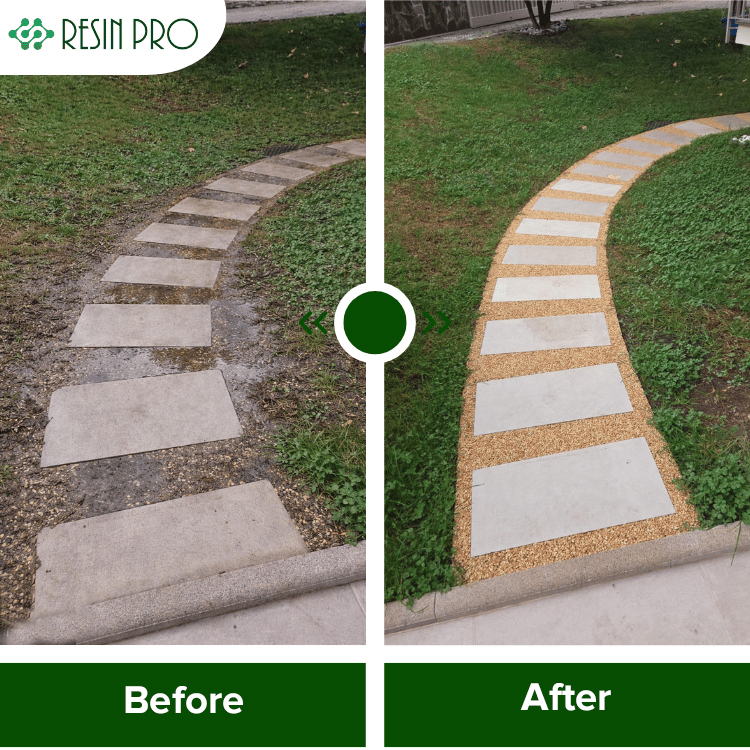
- "Flowstone" – Complete Permeable Floor Kit with Pebbles and ResinPrice range: £49.95 through £3,915.45Durable outdoor permeable floor kit combining pebbles and resin. Suitable for driveways, footpaths and patios with polyurethane or epoxy options.
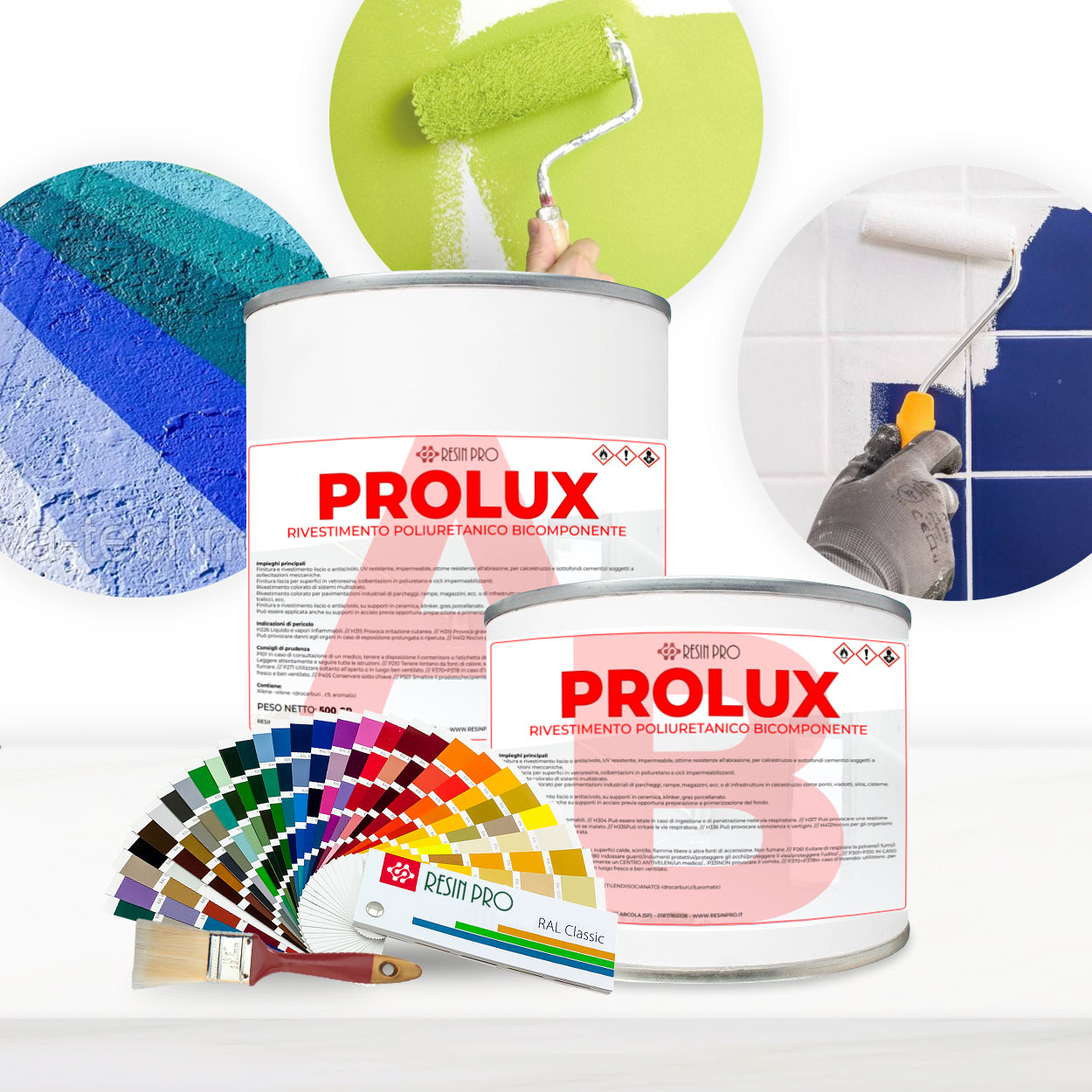 "Prolux" – PU coating for tiles, concrete, plastic and metal – suitable for driveable surfacesPrice range: £44.85 through £494.85"Prolux" is a polyurethane coating designed for durable, versatile finishes on multiple surfaces including tiles and concrete.
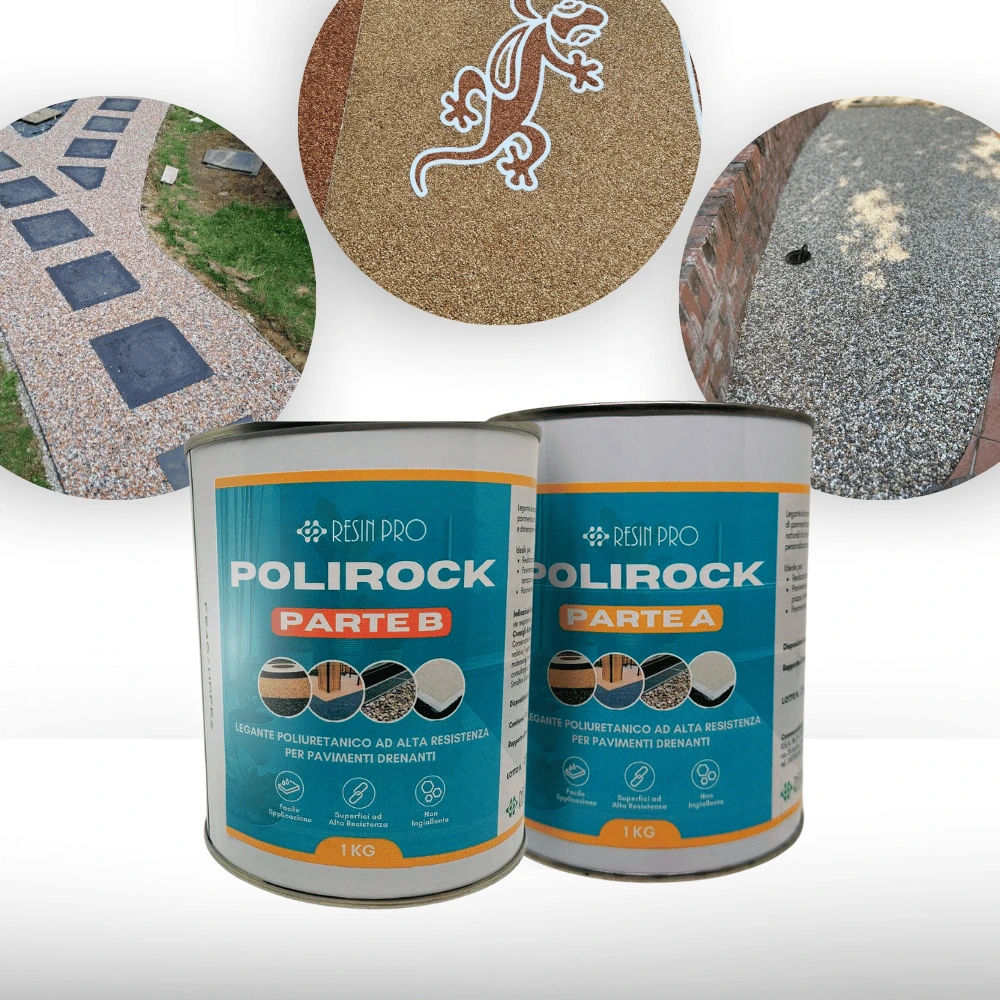 "Polirock" – Polyurethane Binder for White Stones, 2kg Two-Component Kit£61.95Polirock is a two-component polyurethane binder suitable for creating durable, decorative outdoor stone surfaces with no yellowing.
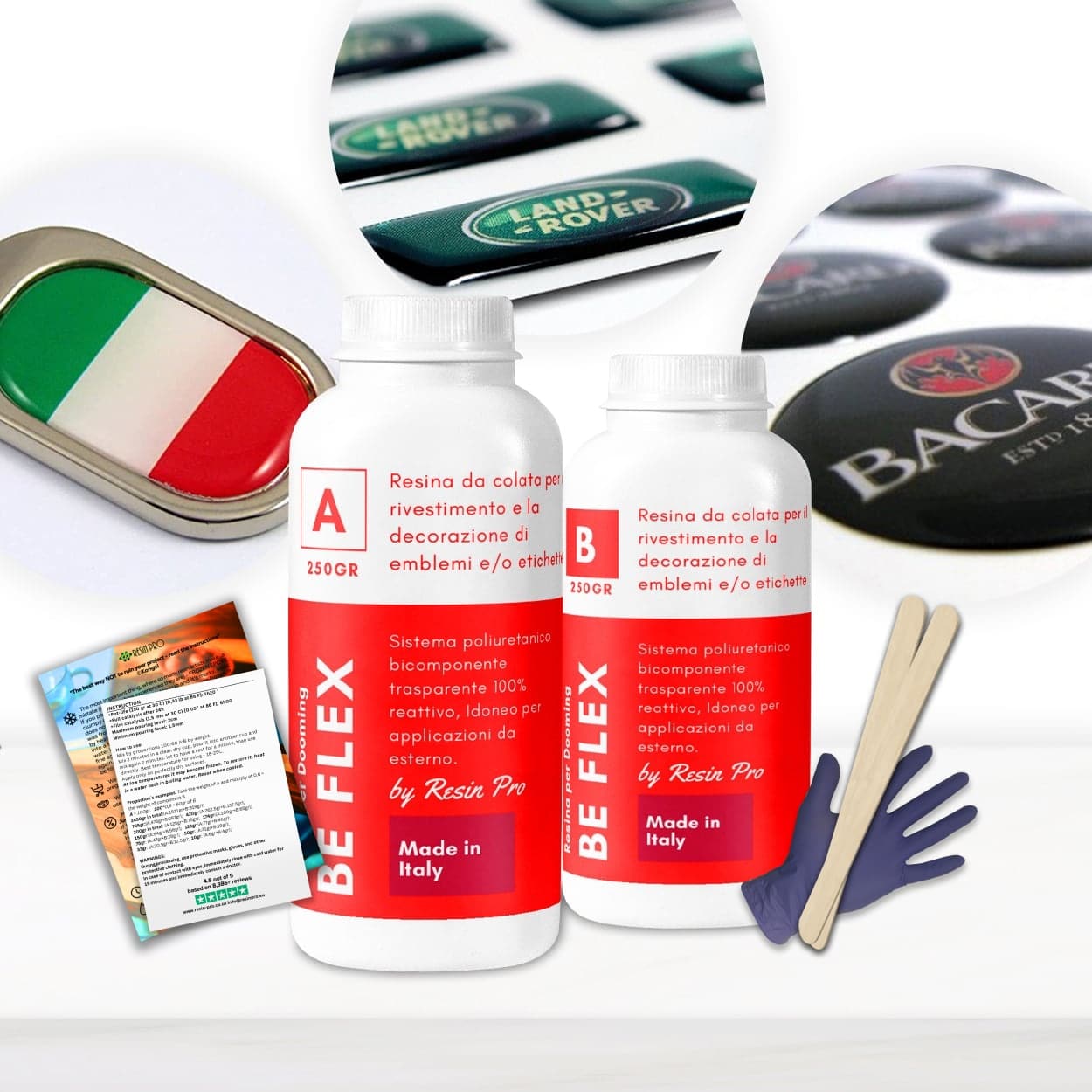 "Be Flex" – Transparent Polyurethane Doming Resin – Scratch-ResistantPrice range: £45.00 through £81.95"Be Flex" offers a flexible, transparent finish with a self-healing surface, suitable for stickers and labels on curved shapes.
Frequently Asked Questions
What types of resin do you offer for flooring?
Resins are available for industrial cement floors, coloured self-levelling floors, garage floors, permeable pebble flooring, and tile coatings.
Are specific weather conditions required for resin application?
Yes, resin application requires suitable climatic conditions. Avoid very low or very high temperatures and high humidity to ensure proper adhesion and curing.
What is a permeable floor?
A permeable floor is designed to allow rainwater to pass through, preventing water stagnation and reducing flood risk by dispersing water into the subsoil.
Can I install a permeable floor myself?
Yes, installation is simple and quick without requiring specific skills. For larger areas, a cement mixer helps to blend granules and resin.
Are permeable floors suitable for high-traffic areas?
Yes, granule and resin permeable floors are strong and appropriate for pedestrian areas, driveways, and car parks when materials and installation are suitable.
In what situations is polyurethane more suitable than epoxy?
Polyurethane coatings are commonly chosen for their UV resistance and better performance in outdoor or light-exposed environments compared to epoxy.
Can polyurethane coatings be used on high-traffic floors?
Yes, polyurethane coatings like PROLUX are designed for surfaces subject to foot traffic and mechanical stress.
Are polyurethane coatings appropriate for wet areas?
Certain polyurethane coatings can be adapted to provide an anti-slip, waterproof finish, making them suitable for wet areas.