 Free shipping on orders over £29,85
  Shipping Tracking!


 Google
 Facebook
← Back to How to make rubber using silicone glue?
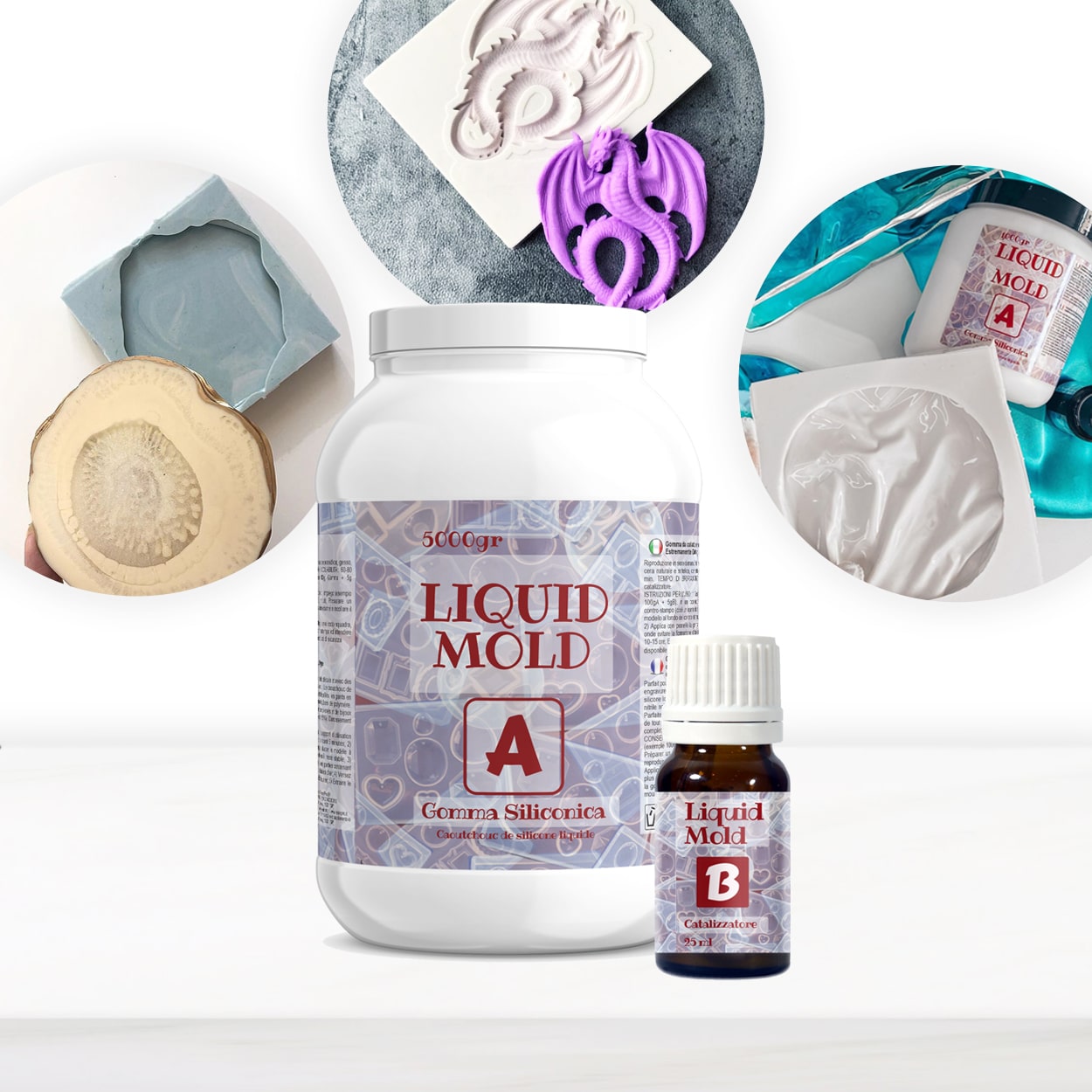
When using silicone rubber for mould making, achieving an even consistency is crucial. Proper mixing ensures accurate results and a flawless finish for your moulds.
Why Even Mixing Matters
Silicone rubber is typically supplied in two components, which must be combined in precise ratios. If not blended thoroughly, some areas may remain uncured or soft, affecting the detail and strength of your finished mould. Making sure all areas are evenly mixed will help you capture fine detail and avoid issues with weak spots.
Effective Mixing Techniques
Begin by measuring the components according to instructions. Pour both parts into a clean mixing container, then begin to stir slowly but consistently, scraping along the sides and bottom. Take care not to mix too vigorously, as this can introduce air bubbles. Use a straight-edged spatula to ensure every bit of material is incorporated, paying special attention to the edges of the cup.
- Use transparent containers to visually check for unmixed streaks.
- If possible, decant the mixture into a new container and mix again (“double-potting”) for heightened accuracy.
- Consider using a flexible silicone cup for ease of mixing and cleaning.
Practical Guidance for Buying and Use
Select a silicone rubber with clear mixing instructions, such as the “Liquid Mould” Casting Liquid Silicone Rubber or the platinum-based “Pure Mould” option. These are designed for precise, reliable results and are suitable for projects requiring intricate details. Always work within the product’s specified working time and avoid over-mixing, which can cause air entrapment.
Related products
Related guides
Achieving an even consistency when mixing silicone rubber is a valuable step towards making professional-quality moulds. For more insights on mould making with silicone glue, see our complete guide.