 Free shipping on orders over £29,85
  Shipping Tracking!


 Google
 Facebook
← Back to how to create a resin mould for polyurethane
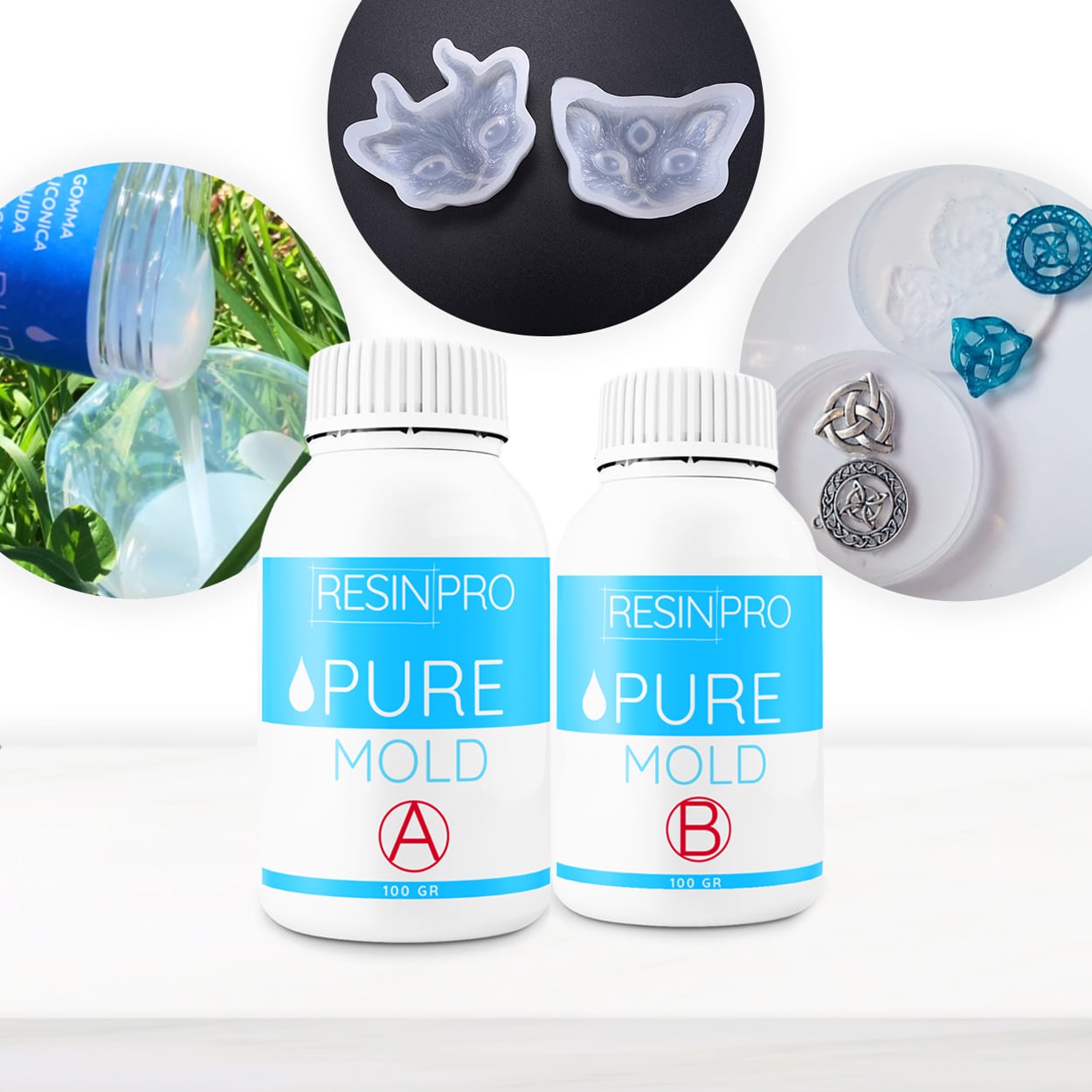
When making silicone moulds for polyurethane resin casting, preventing air bubbles is essential for smooth results and detailed reproduction. The method you use to mix your silicone directly affects the quality of your finished moulds.
Why Air Bubbles Matter in Silicone Moulds
Air bubbles trapped in silicone can spoil the surface of your mould and lead to imperfections in your final casts. This is especially frustrating for designs with fine details or undercuts, as bubbles can compromise the faithful replication of every element. Taking care when mixing ensures consistent, professional results every time.
Best Practice: Slow and Thorough Mixing
To minimise bubbles, mix your silicone components (such as a 1:1 platinum-based system) gently and steadily, scraping the sides and bottom of your container. Avoid quick or whipping motions, which can introduce air. For best results, pour the silicone from one side of the container and allow it to flow evenly over your model.
- Use a wide spatula for more even mixing.
- If possible, use a vacuum chamber or pressure pot after mixing to help remove air bubbles.
- Take your time – allowing each step to settle leads to better results.
For a reliable mixing experience with visible clarity during pouring, consider products such as “Pure Mould” Translucent Liquid Silicone Rubber for Mould Making.
When Careful Mixing Makes a Difference
Careful mixing is crucial for projects that demand detail – for example, jewellery, figurines, prototypes, or items requiring clean, sharp edges. Whenever accuracy and high-quality finishes matter, investing attention during the silicone mixing process truly pays off.
Related products
Related guides
Mastering the technique of slow, thorough silicone mixing supports every stage of resin mould creation. For more comprehensive tips on creating a resin mould for polyurethane, visit our main guide.