 Free shipping on orders over £29,85
  Shipping Tracking!


 Google
 Facebook
how to make epoxy resin jewellery
Step-by-step guide for beginners creating stunning resin pieces


Epoxy resin jewellery making offers a rewarding way to craft personalised, glass-like charms, pendants, earrings, and keepsakes at home. Whether you’re looking to create thoughtful gifts or launch a handmade business, this guide will show you the essentials for casting resin jewellery affordably. Follow along for clear steps on planning, mixing, pouring, and finishing, so your creations turn out beautifully every time.
What You’ll Need
- “Evershine Collection” – Artisan Jewellery Epoxy Resin Kit with 100+ Accessories: Complete kit for beginners with resin, pigments, moulds, and findings
- “One-2-One” – Epoxy Resin for Handcraft, 1:1 Mixing Ratio: Ideal for jewellery makers preferring a simple 1:1 mix
- “Trasparente” – Multipurpose Clear Epoxy Resin for Casting – Up to 2cm: Suitable for slightly thicker or detailed castings
- “ICreation” – Fast Epoxy Resin, 6h Demoulding, Transparent Gloss Finish: For quick projects with fast demoulding
- Flexible silicone jewellery moulds
- Pigments, glitters, or dried flowers (optional)
- Mixing cups, sticks, and nitrile gloves
- Toothpicks, tweezers, and antibacterial wipes for clean-up

Setting Up Your Resin Jewellery Workspace
Good lighting and ventilation make resin casting safer and more enjoyable. Use plastic sheeting on the tabletop and keep all mixing tools within easy reach. Silicone moulds should be arranged in advance to avoid last-minute handling. Prepare antibacterial wipes for quick cleanup of spills or drips.
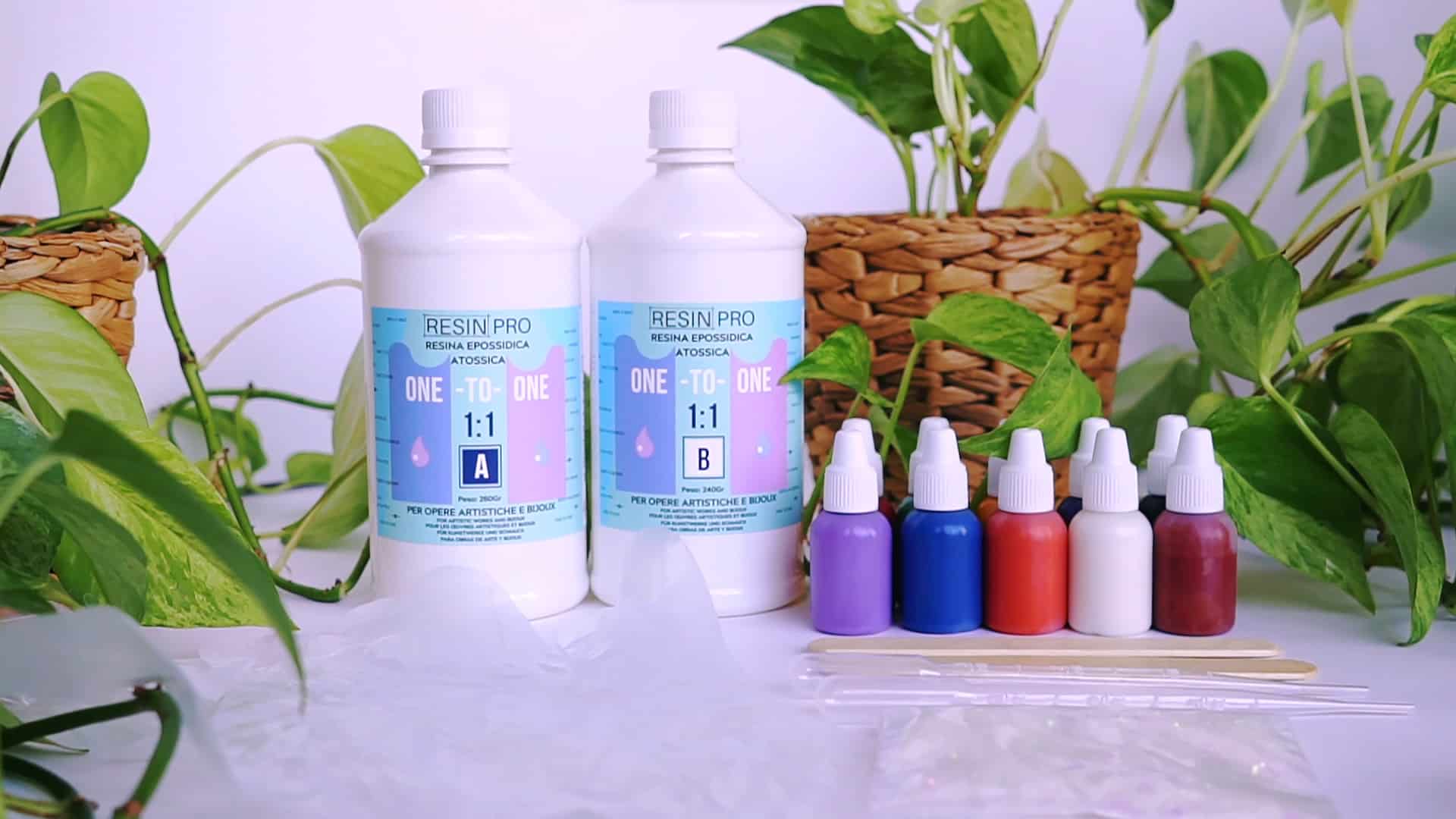
Step 1: Prepare Your Workspace and Moulds
Set up a clean, dust-free area away from direct sunlight. Place a non-stick mat or plastic sheet under your workstation for easy cleaning. Select silicone moulds suitable for the jewellery shapes you want to create—ensure they are clean and fully dry, as moisture can cause cloudiness in cured resin. Wear nitrile gloves and work in a ventilated space to avoid skin contact and minimise fumes. Gather your pigments, dried flowers, or other decorative inclusions so they’re ready to use.
Step 2: Mix Your Epoxy Resin
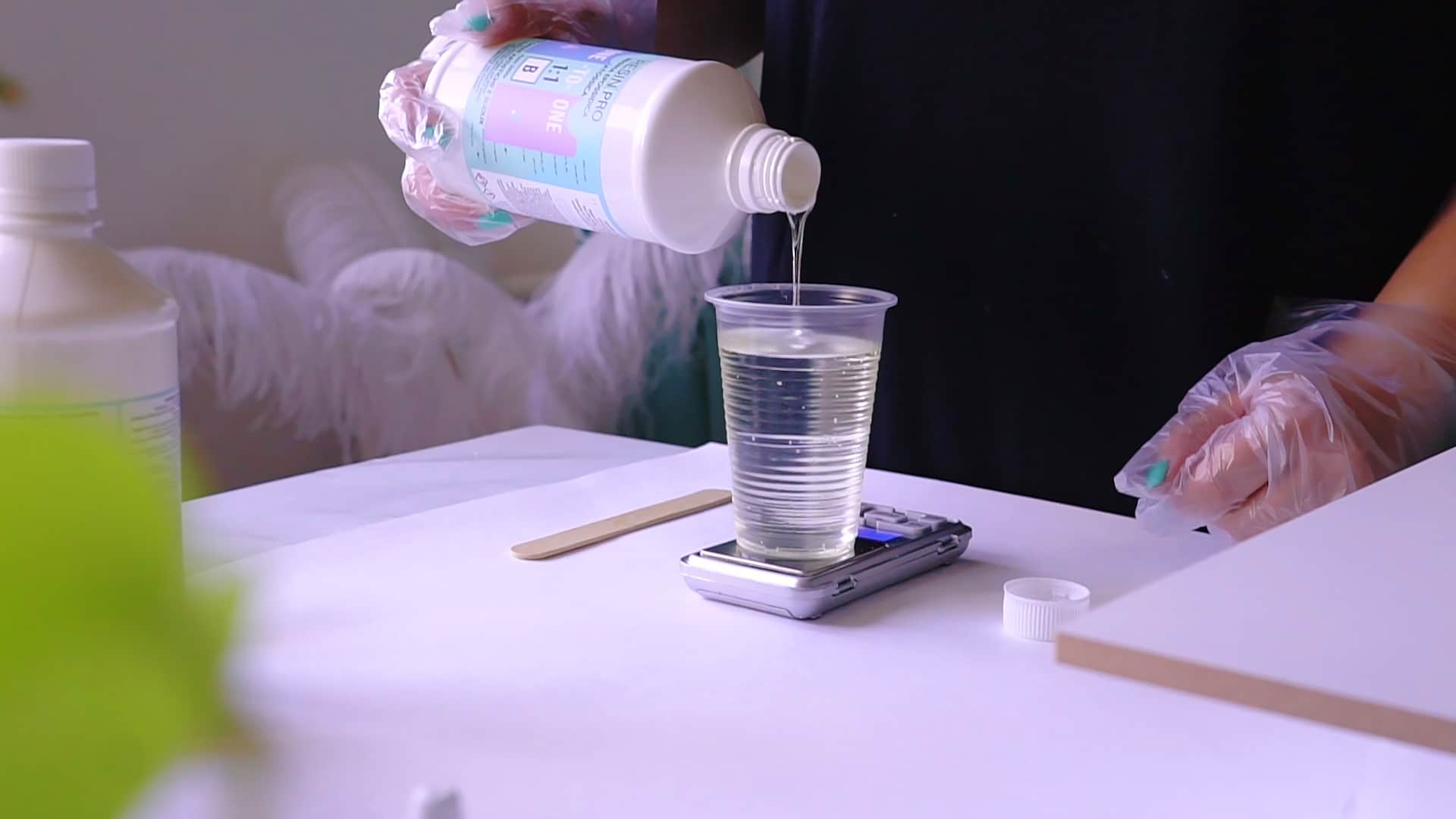
Measure the required amount of epoxy resin and hardener according to your product’s instructions. For most beginners, the “Evershine Collection” – Artisan Jewellery Epoxy Resin Kit or “One-2-One” Epoxy Resin is ideal, offering a foolproof 1:1 mixing ratio by volume for consistent results. If you need fast demoulding, opt for “ICreation” Fast Epoxy Resin and mix at a 2:1 ratio as directed.
Pour both parts into a cup, then slowly stir with a mixing stick for at least 3–4 minutes, scraping the sides and bottom. Mix precisely and avoid under-mixing—incomplete mixing leads to sticky or soft spots post-cure. Add colour pigment, glitter, or dried flowers as desired, stirring carefully to minimise air bubbles.
Step 3: Pour Resin into Moulds and Add Effects
Carefully pour the mixed resin into your prepared moulds. Pour steadily and fill no more than the recommended thickness for your resin type; “Trasparente” Multipurpose Clear Epoxy Resin is suitable for pours up to 2cm thick, while others can be used for standard jewellery moulds (usually less than 1cm per layer).
If you wish to embed items or create layered effects, pour in stages, allowing partial setting between layers. Pour in layers if making thicker pieces to prevent overheating and achieve clarity. Use a toothpick to position dried flowers or remove stray bubbles. To eliminate fine bubbles on the surface, gently wave a heat gun about 10cm above for no more than a few seconds. Eliminate bubbles before curing for the clearest results.
Step 4: Cure and Demould Your Jewellery
Cover moulds with a box or dust cover and leave to cure in a stable, dust-free place away from direct heat. Curing times vary—standard kits can require 24–48 hours, but “ICreation” Fast Epoxy Resin allows demoulding in as little as 6 hours. Refer to your product’s label for exact guidance.
Do not demould before the resin has fully cured, as premature removal can cause bending or cloudiness. When ready, flex the mould gently to release your piece.

Step 5: Finish and Assemble Your Pieces
Trim sharp edges with fine sandpaper or a specialist file. Polish the surfaces with a soft cloth for extra shine. Use a precision drill to create holes for findings if needed—kits such as the “Evershine Collection” Kit often include suitable tools and findings like earring hooks, keyring clasps, and jump rings.
Assemble your jewellery using pliers and fittings. Always store completed pieces in a dust-free area to maintain a flawless finish and prevent scratches or yellowing.
Tips, Common Mistakes, and Troubleshooting
Room temperature (18–24°C) is ideal for casting. Too cold or humid an environment can lead to bubbles or improper curing. Avoid adding too much pigment, which can hinder the resin’s ability to set. If sticky spots appear, they are typically caused by inaccurate mixing—trim away uncured areas and patch with a new resin pour if desired. Work patiently and methodically for best results, and experiment with mould shapes, effects, and inclusions to develop your style.
Perfecting and Protecting Your Resin Jewellery
Avoid touching the glossy faces of pieces until fully cured to prevent fingerprints. For enhanced scratch resistance and shine, polish surfaces gently. Store finished pieces in a jewellery box or a sealed pouch away from sunlight to prolong clarity and colour vibrancy.
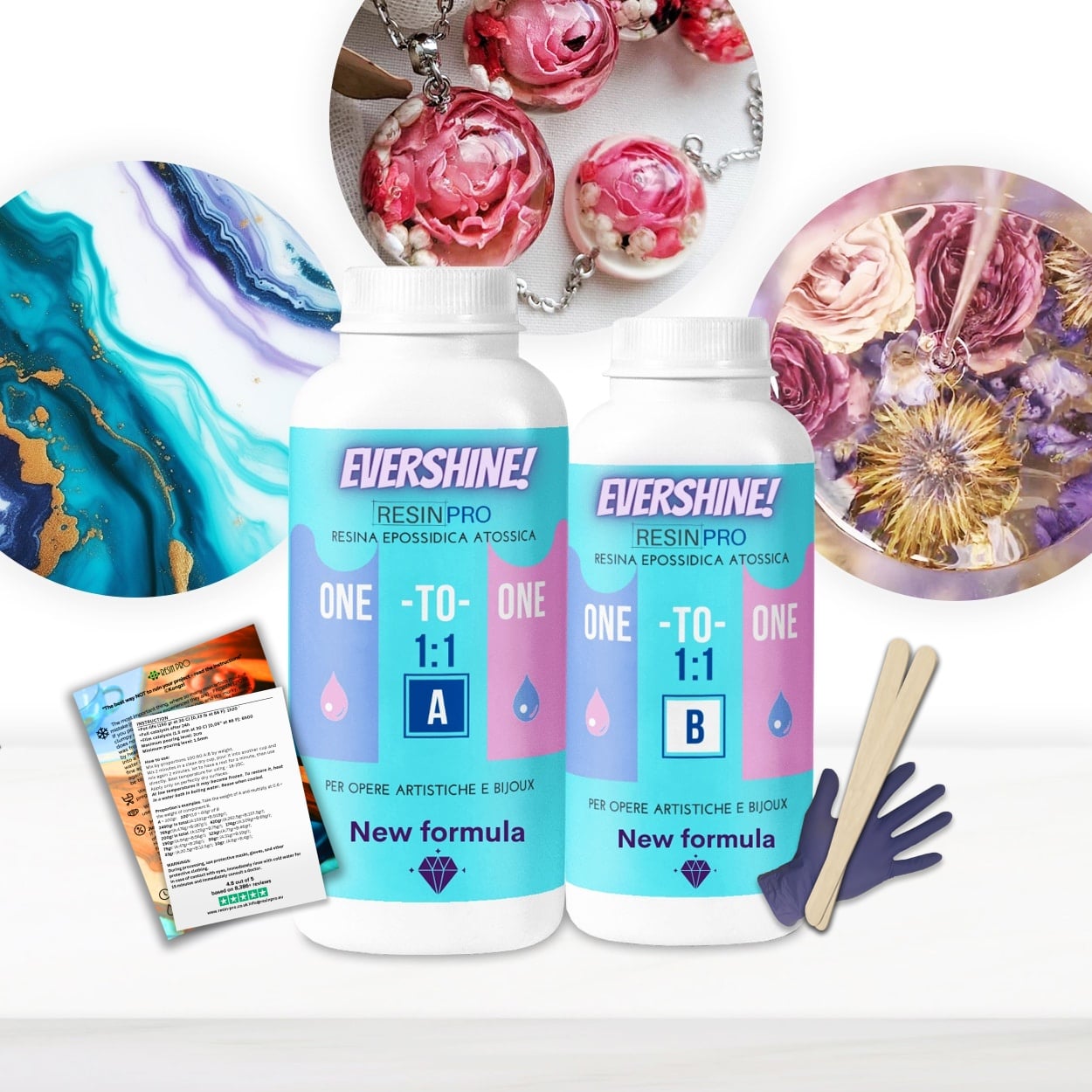
- "Evershine Collection" – Artisan Jewellery Epoxy Resin Kit with 100+ Accessories£20.85"Evershine Collection" offers a full jewellery resin kit with easy 1:1 resin for clear, glass-like finishes and accessories suited to making epoxy…
- "One-2-One" – Epoxy Resin for Handcraft, 1:1 Mixing RatioPrice range: £14.85 through £56.85"One-2-One" is a medium viscosity epoxy resin with a 1:1 mixing ratio, suitable for beginners and experienced crafters making jewellery and…
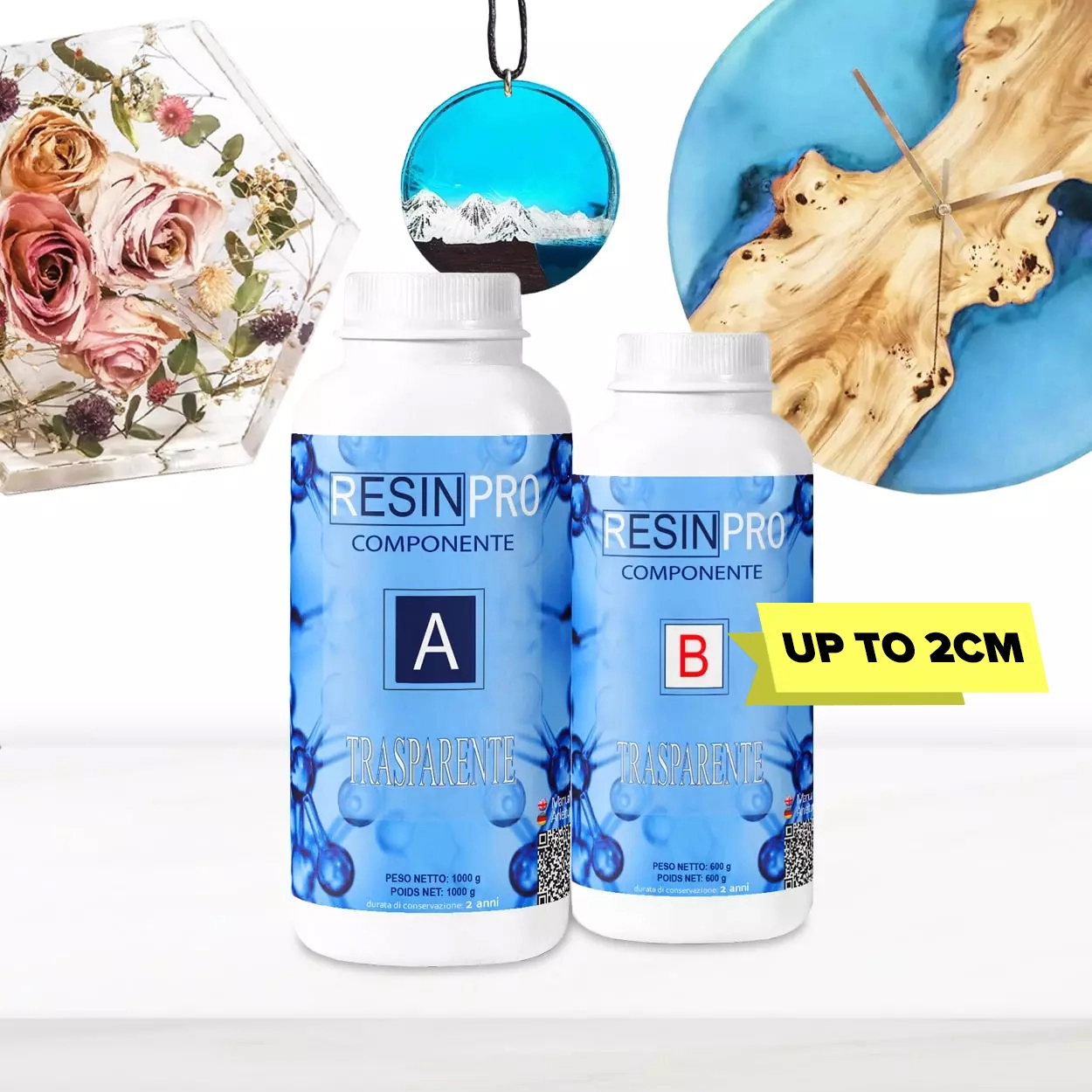 "Trasparente" – Multipurpose Clear Epoxy Resin for Casting – Up to 2cmPrice range: £8.45 through £948.85"Trasparente" is an ultra-clear epoxy resin suited for jewellery making, casting up to 2cm with a glossy finish and UV protection.
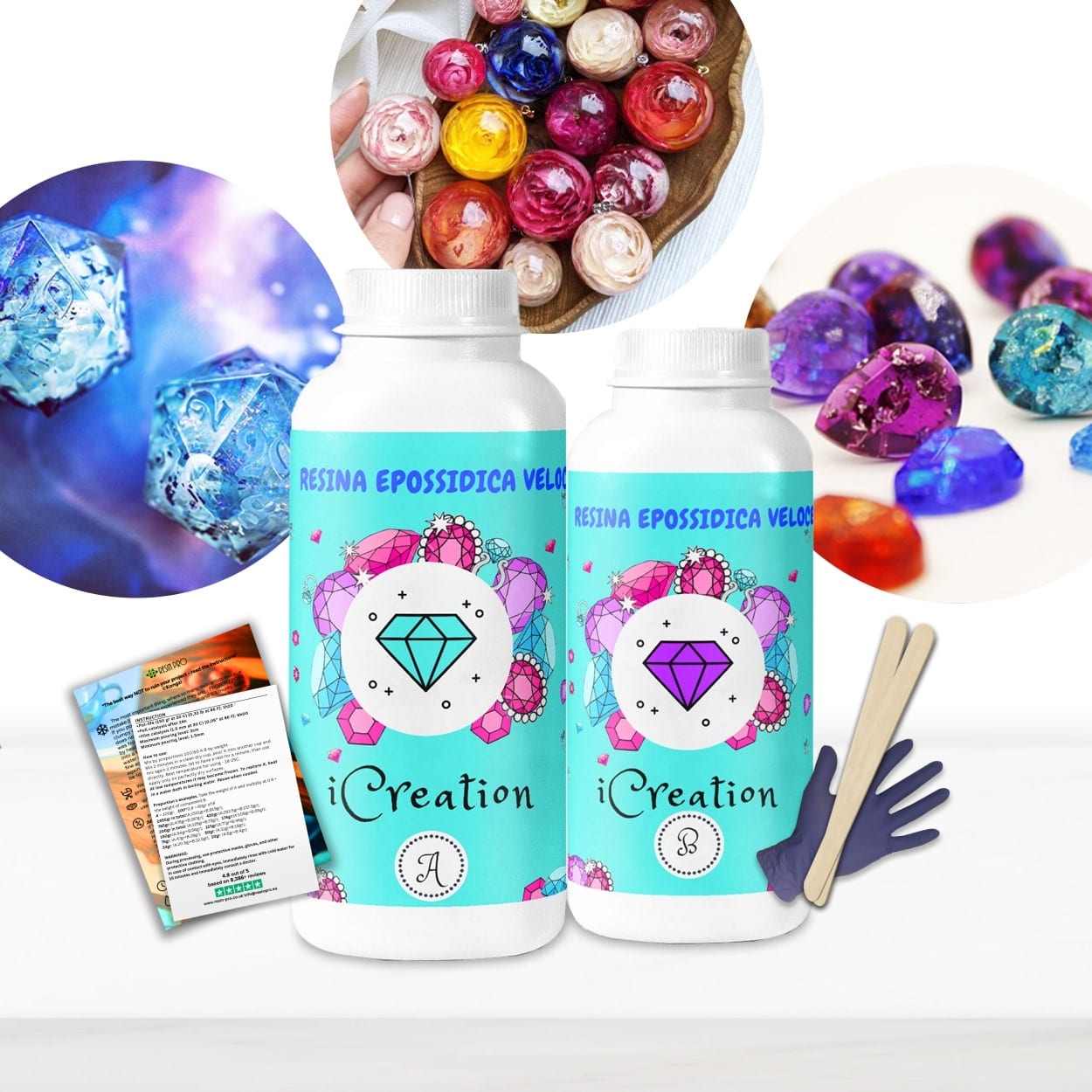 "ICreation" – Fast Epoxy Resin, 6h Demoulding, Transparent Gloss FinishPrice range: £19.40 through £52.85ICreation Fast Epoxy Resin offers a clear, glossy finish with a 6-hour demoulding time, suitable for jewellery making.
Frequently Asked Questions
What is the best mixing ratio for epoxy resin jewellery?
Most beginner kits use a 1:1 ratio by volume, ensuring consistent mixing and curing. Always follow your resin's instructions for accurate measurements.
How do I prevent bubbles in my epoxy resin jewellery?
Mix slowly, pour gradually, and use a heat gun briefly to pop surface bubbles before curing. Avoid stirring too vigorously to minimise air entrapment.
How long should resin jewellery cure before demoulding?
Standard epoxies can take 24–48 hours, but specialised fast-curing formulas allow demoulding in as little as 6 hours. Always check your kit's guidance.
What’s the best way to finish and polish resin jewellery?
After demoulding, sand rough edges gently and polish with a soft cloth. Avoid abrasive cleaners to retain clarity and gloss.
Can I add dried flowers or objects to epoxy resin jewellery?
Yes—ensure items are fully dry and position between layers. Secure inclusions with a toothpick to achieve your desired effect.
Why are parts of my jewellery sticky after curing?
Incomplete mixing or inaccurate measuring often causes sticky spots. Cut away uncured resin and re-pour if needed.