 Free shipping on orders over £29,85
  Shipping Tracking!


 Google
 Facebook
How do you make a resin mask?
Step-by-step guide to crafting safe and detailed resin masks
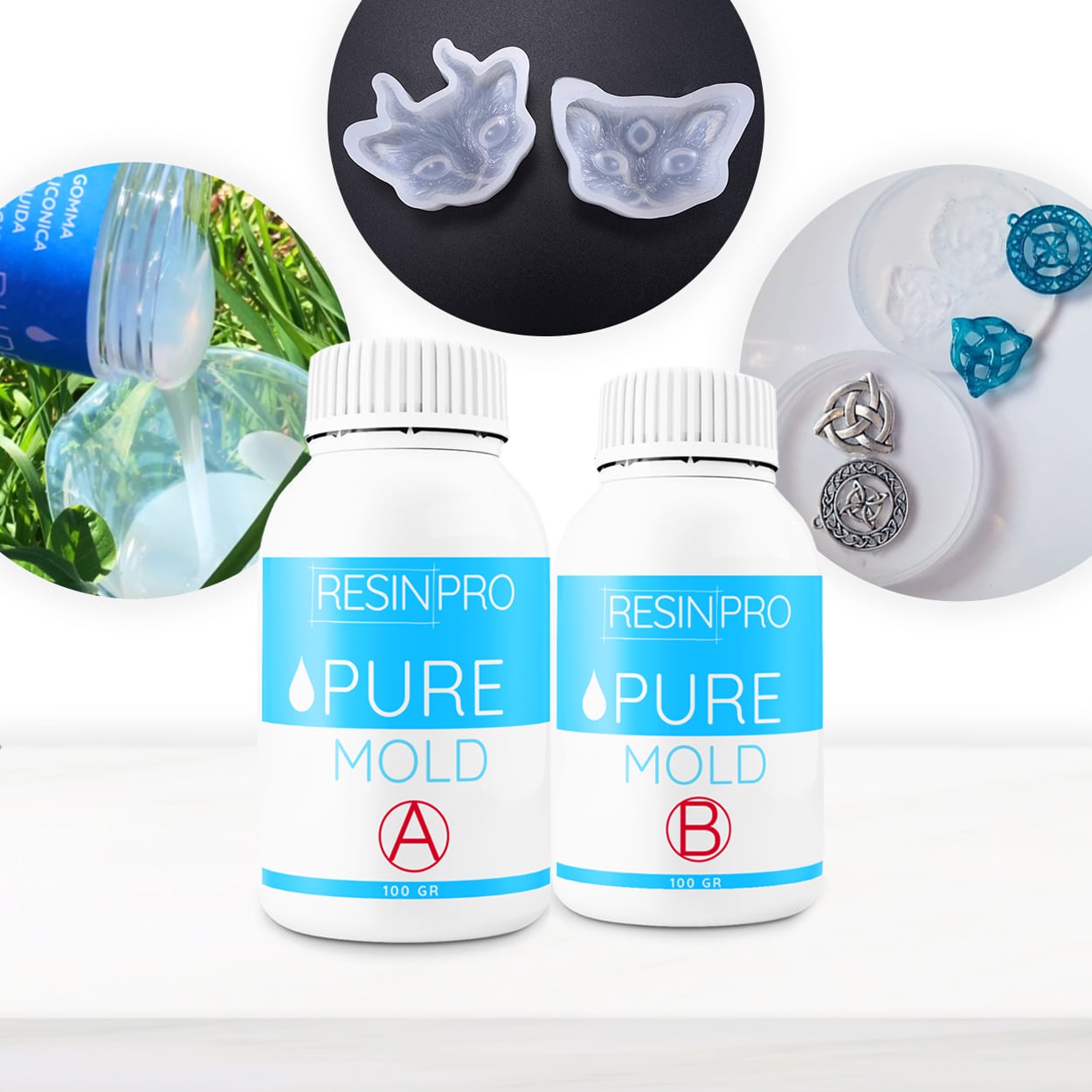

Creating a resin mask is a creative project that allows you to design and craft a durable, intricate piece for cosplay, theatre, displays or art. Whether you are a hobbyist or an experienced maker, following a structured process ensures your result is safe, detailed and long-lasting. This guide walks you through each essential step, from planning your concept through to casting and finishing the mask, highlighting recommended techniques for best results.
What You’ll Need
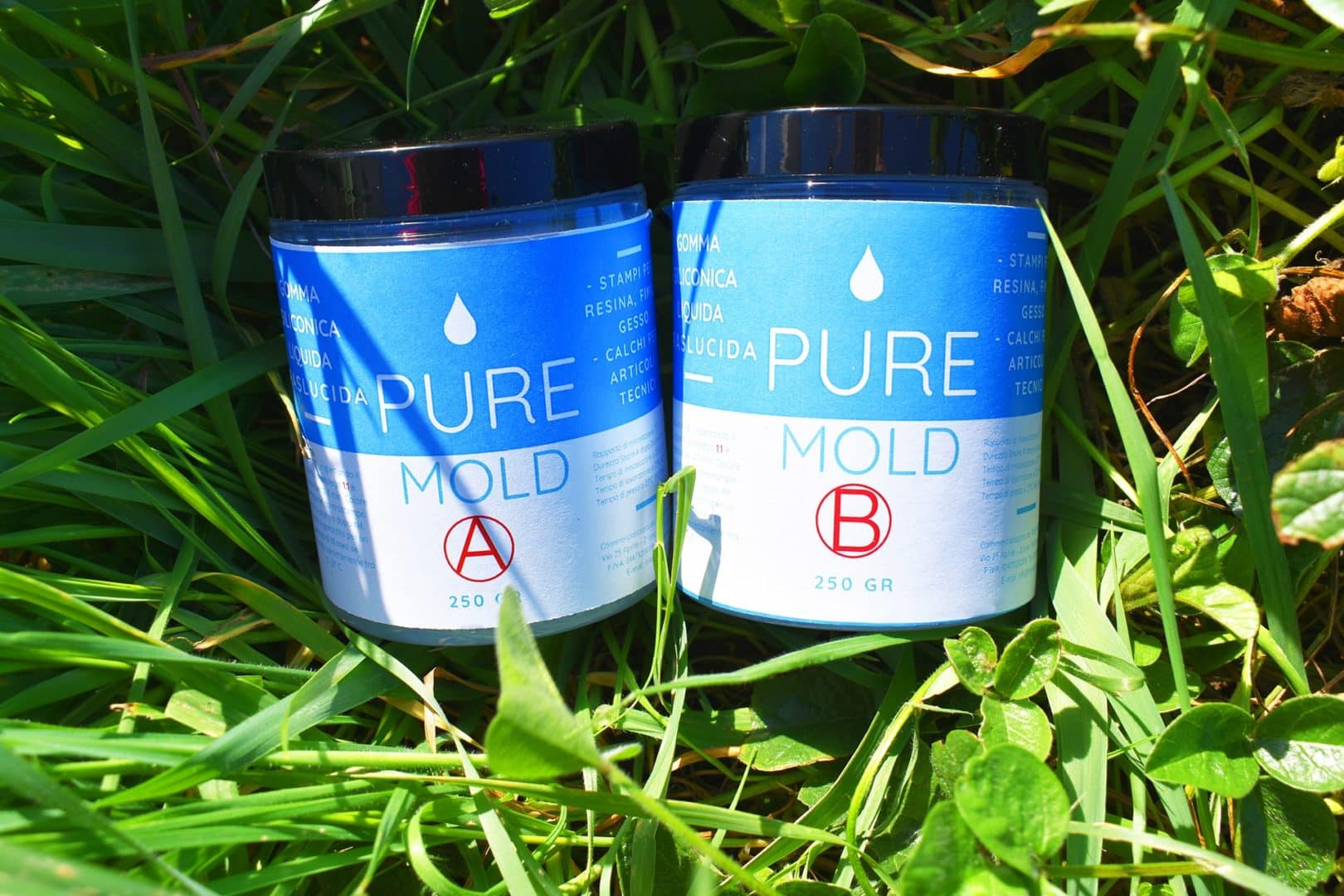
- “Pure Mould” – Translucent Liquid Silicone Rubber for Mould Making: Platinum based silicone suitable for creating accurate and reusable moulds.
- “Climax” Mask with “ABEK” Filters for Resins – Certified Protective Respirator: Protective gear to reduce exposure to harmful vapours during resin work.
- “Abek Climax” – Mask Filters for 755/756/732-A1 – Epoxy Resin Use, Set of 2: Replacement filters for compatible respirator masks.
- Modelling clay or sculpting medium (for creating the original mask form).
- Mixing containers and spatulas.
- Release agent (suitable for silicone).
- Resin (epoxy, polyurethane, or similar formulated for mask casting).
- Gloves and protective clothing.
Essential Materials and Preparation
Gather all required materials before you begin to ensure a smooth workflow when making your resin mask. Have your silicone rubber, protective respirator, and other tools to hand. This preparation minimises disruptions during time-sensitive steps like resin mixing and pouring.
Step 1: Sculpt and Prepare the Original Model
Begin by sculpting your mask form using modelling clay or your chosen sculpting medium. Shape the features and details you wish to reproduce. Make sure your model sits securely on a base and that there are no undercuts that could cause moulding issues. Smooth the surface as much as possible, as every detail will transfer to your final resin mask.
Once satisfied, apply a suitable release agent to the entire surface of your original model. This will make it much easier to demould the silicone later, preventing any sticking or damage to the sculpt.
Step 2: Create a Silicone Mould
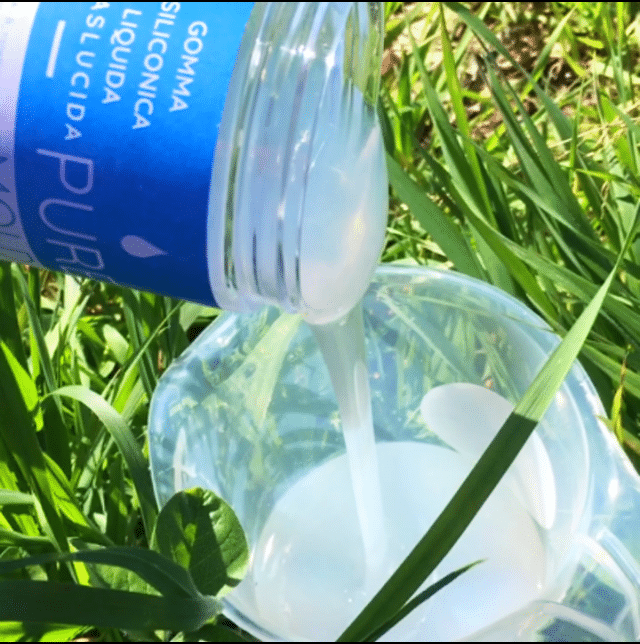
Mix your silicone rubber according to the instructions, ensuring the correct ratio for optimal curing. A translucent option like “Pure Mould” – Translucent Liquid Silicone Rubber for Mould Making allows you to monitor bubble formation and detail coverage while pouring, which is essential for capturing the finite features of your mask design.
Pour the mixed silicone slowly over your sealed model in a thin stream to prevent air pockets. Use a spatula to gently encourage the silicone into crevices. Allow the silicone to cure fully before attempting to remove it—rushing this stage could result in distortion or tears in the mould.
Step 3: Demould and Prepare for Casting
After the silicone has thoroughly cured, carefully separate the mould from the sculpted original. Inspect the mould for any tears or imperfections. If necessary, make minor repairs following manufacturer advice.
Once ready, ensure the interior is clean and apply a resin-compatible release agent if required. Place the mould in a stable, level position ready for resin casting.
Step 4: Safely Mix and Cast the Resin
Before mixing your chosen resin, Always wear protective equipment during resin mixing and casting. This is especially important for masks—products such as the “Climax” Mask with “ABEK” Filters for Resins – Certified Protective Respirator, fitted with “Abek Climax” – Mask Filters for 755/756/732-A1 – Epoxy Resin Use, help reduce inhalation of harmful vapours.
Mix the resin as per instructions, ensuring accurate proportions to avoid incomplete curing. Slowly pour the resin into the silicone mould, gently tilting or rotating to allow resin to reach all parts of the form. If the mould is large or the resin is particularly viscous, consider pouring in batches to minimise bubble formation.
Once poured, tap the mould gently or use a soft brush to remove surface bubbles. Allow the resin to cure for the full recommended time, undisturbed.
Step 5: Unmoulding and Finishing Touches
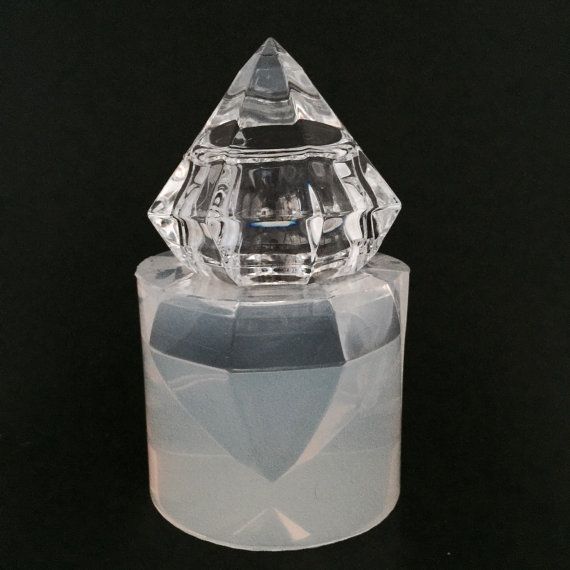
After curing, gently demould your resin mask. Check for any imperfections that may need sanding or filling. At this stage, you can trim edges, drill holes for straps, or sand and paint the mask to achieve your final look.
Take care to use hand and eye protection during any further finishing, and let any adhesives or paints dry completely before wearing or displaying your new resin mask.
Tips and Common Mistakes to Avoid
- Use appropriate mould materials to capture fine mask details. Low-quality moulds can lose sharp features.
- Work in a well-ventilated environment to minimise fumes. Resin casting can produce harmful vapours.
- Allow curing times as instructed to avoid deformities. Demoulding too soon risks warping or tearing your creation.
- Always read safety and material guidelines for each specific product you use.
- Test pigments and finishes on off-cuts before applying to your main mask.
Tips for Achieving a Professional Finish
Patience and attention to safety are essential. Using the right mould material and protective equipment significantly increases both quality and personal wellbeing. Clean workspaces, precise measurement, and thorough curing all help achieve a flawless, long-lasting resin mask.
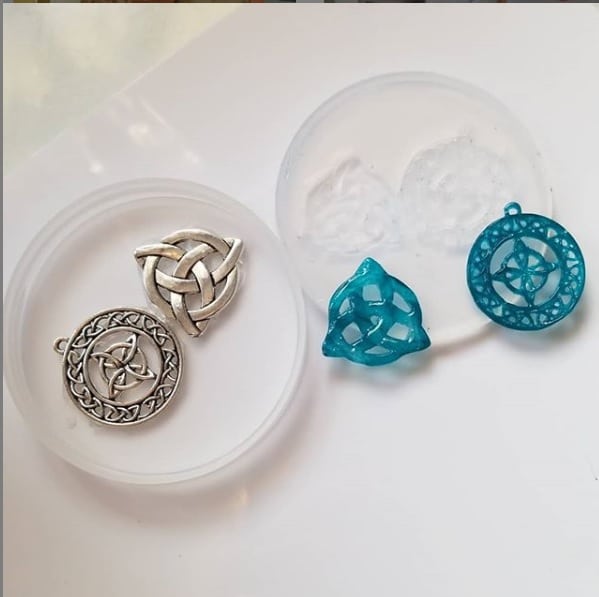
- "Pure Mould" – Translucent Liquid Silicone Rubber for Mould MakingPrice range: £22.85 through £158.85"Pure Mould" translucent liquid silicone rubber is designed for mould making and compatible with various materials including resins and plaster.
- "Climax" Mask with "ABEK" Filters for Resins – Certified Protective RespiratorOriginal price was: £39.85.£29.85Current price is: £29.85."Climax" mask designed to protect against gases and vapours common in resin work, offering a secure fit and comfort.
 "Abek Climax" – Mask Filters for 755/756/732-A1 – Epoxy Resin Use, Set of 2£15.45"Abek Climax" mask filters are designed for use with epoxy resin and mask models 755/756/732-A1 in projects related to resin masks.
Frequently Asked Questions
Which silicone rubber should I use for a resin mask mould?
Use a platinum-based translucent silicone designed for mould making. It captures fine details and allows easy observation during curing.
Do I need a respirator mask when working with resin?
Yes, always wear a certified respirator to reduce inhalation of harmful vapours during mixing and casting.
How can I avoid bubbles forming in a resin mask?
Pour resin slowly and tap or gently brush the mould surface to release trapped air. Using a translucent silicone mould also helps.
Is a resin mask safe to wear?
Once fully cured and finished, resin masks can be worn. Always ensure all surfaces are smooth and check for potential skin irritants.
Can I use any resin for mask making?
Use resins specifically formulated for casting, such as epoxy or polyurethane, to ensure safety and durability.
How long does a resin mask take to cure?
Cure times vary by resin but expect several hours to overnight. Always follow the specific product instructions for best results.