 Free shipping on orders over £29,85
  Shipping Tracking!


 Google
 Facebook
← Back to How do you colour silicone rubber?
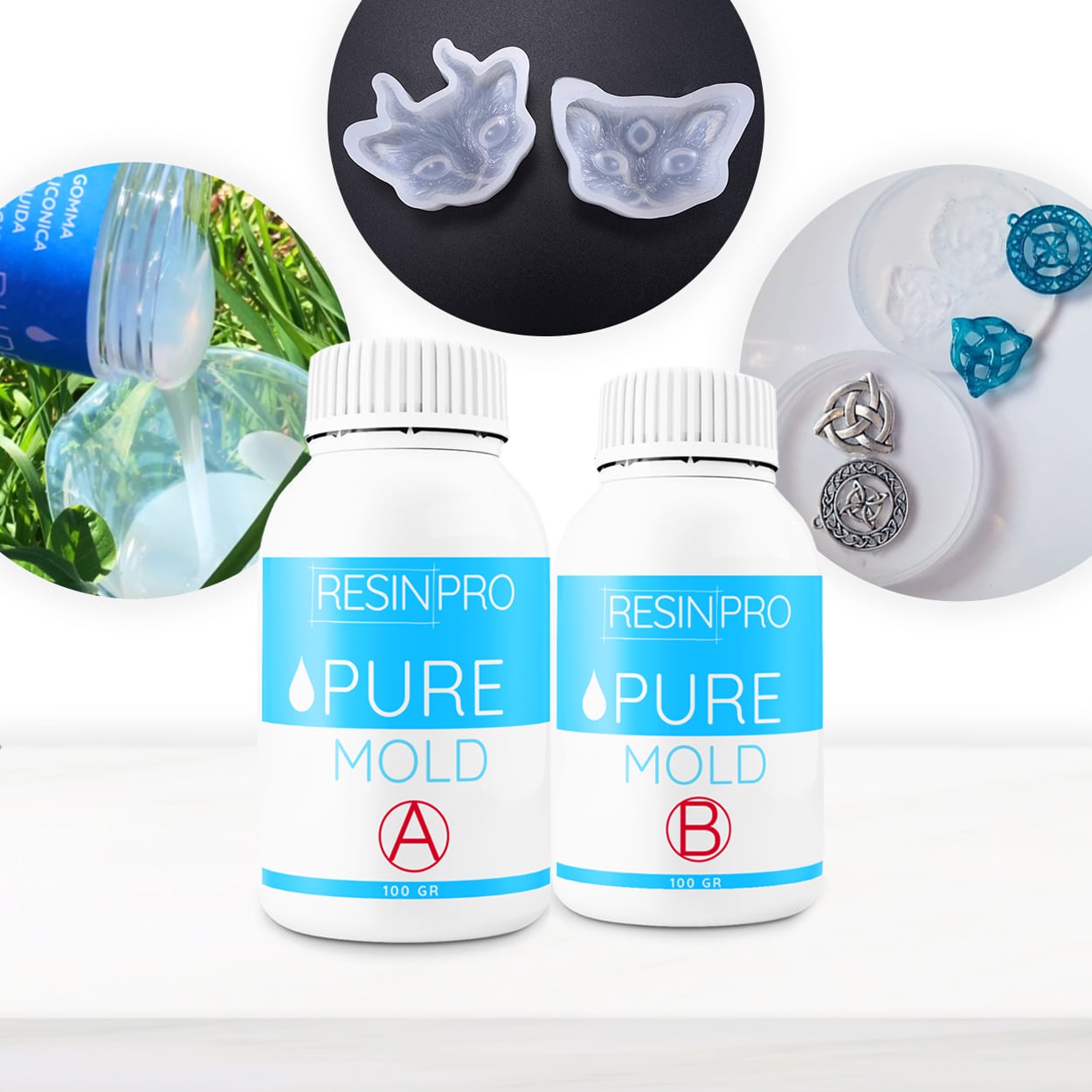
Achieving vibrant and consistent colour in your silicone moulds relies heavily on using the correct ratio of pigment to silicone rubber. A balanced approach ensures an even shade and maintains the silicone’s desired properties for detailed mould making.
Why Ratio Matters in Silicone Colouring
Adding too much pigment can adversely affect cure time, texture, and the flexibility of the finished mould. Too little pigment, on the other hand, may result in weak or uneven colouration. Most silicones—such as the “Pure Mould” liquid silicone rubber—benefit from a careful approach: begin with a small amount of pigment, thoroughly mix, and gradually add more until you reach the desired opacity or shade. This process maintains both the look and performance of the mould.
Practical Steps for Mixing Pigment and Silicone
- Always measure out your silicone base and curing agent according to the manufacturer’s instructions before introducing pigment.
- Add pigment in small increments—typically between 0.1% and 3% of the total silicone weight is sufficient for most projects.
- Thoroughly mix the pigment into the silicone base to prevent colour streaks or patches before combining with the curing agent.
- Once a uniform colour is achieved, mix in the catalyst and proceed to pour or apply the silicone as required.
When Getting the Ratio Right Matters
Using the correct ratio is especially crucial for moulds that require flexibility, detailed finishes, or repeated use. It’s also important when creating translucent or semi-transparent effects, such as with “Pure Mould” silicone rubber, where too much pigment can compromise clarity.
Related products
Related guides
Understanding how to balance pigment with silicone will help you achieve both vibrant colour and optimal performance in your mould projects. For more guidance and tips on silicone mould making and colouring, see our main advice on how to colour silicone rubber.