 Free shipping on orders over £29,85
  Shipping Tracking!


 Google
 Facebook
← Back to How to Make DIY Silicone Rubber
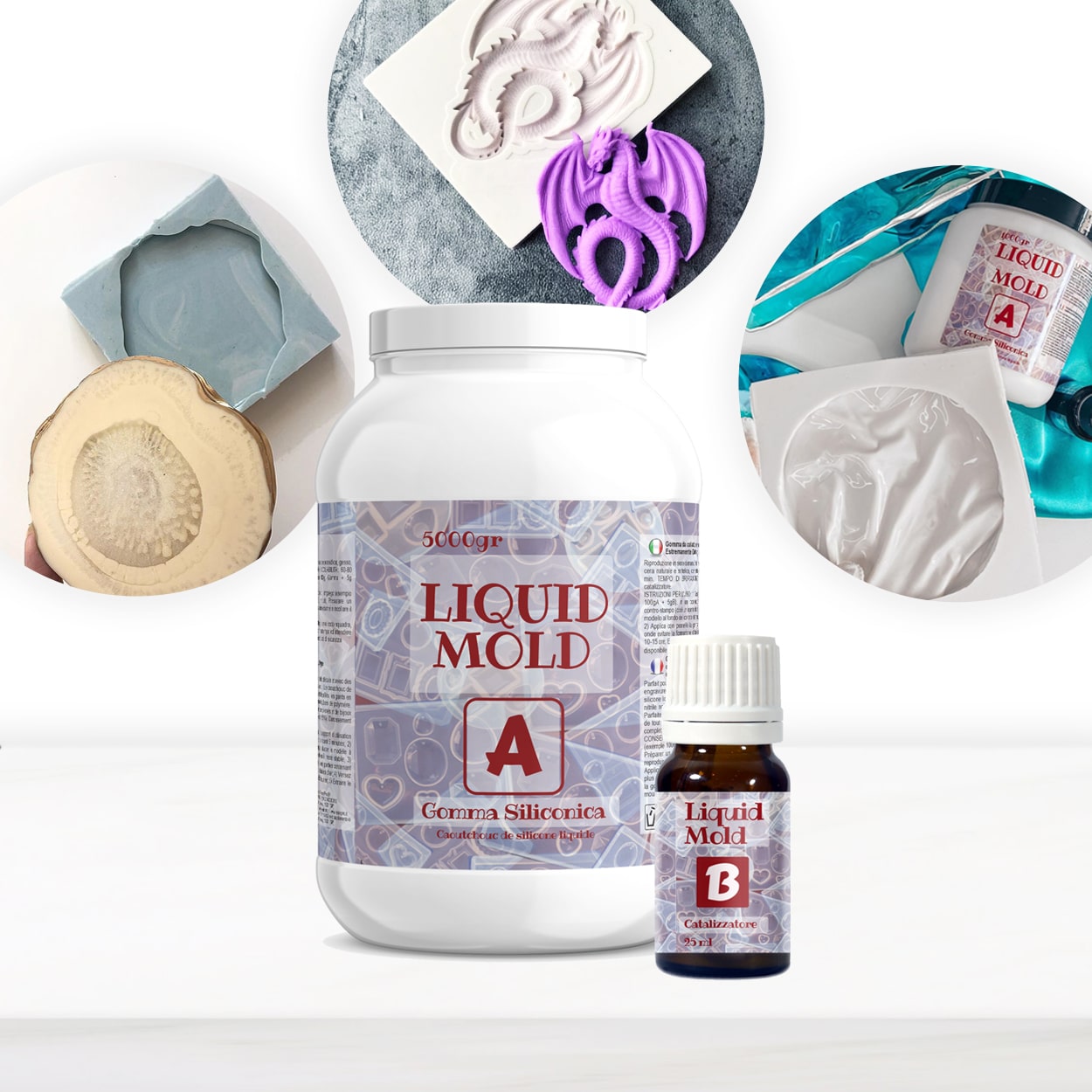
DIY silicone moulds are a favourite among hobbyists and professionals alike for resin casting. Their flexibility and detail reproduction make them ideal for projects with epoxy, polyester, or polyurethane resin.
Compatibility of Silicone Moulds with Resin
Most DIY silicone moulds are highly compatible with a broad range of resins, including epoxy, polyester, and polyurethane. This versatility makes them excellent for casting jewellery, art pieces, decorative items, or intricate models. Silicone’s natural non-stick properties help ensure easy removal once the resin has cured and preserve fine surface details.
Tips for Successful Resin Casting in Silicone Moulds
- Preparation: Make sure your mould is clean and free from dust before pouring the resin.
- Release Aid: Though many resins demould easily from silicone, using a mould release agent can extend your mould’s life, especially for frequent or complex castings.
- Mixing and Pouring: Carefully mix your resin to minimise bubbles. Pour slowly into the lowest part of the mould and allow it to fill naturally for a smooth finish.
- Choosing the Right Silicone: For crisp details, select a suitable mould silicone such as the bi-component liquid silicone rubber that reproduces fine details for complex designs.
When This Matters
If you’re crafting bespoke jewellery or decorative objects with fine textures, using high-quality silicone moulds ensures reliable results and repeated use with minimal degradation over time.
Related products
Related guides
DIY silicone moulds unlock a world of creativity for resin casting. For more about making your own silicone rubber or perfecting moulds for different projects, see our main guide on how to make DIY silicone rubber.