 Free shipping on orders over £29,85
  Shipping Tracking!


 Google
 Facebook
← Back to How do you use Oer terrazzo resin video?
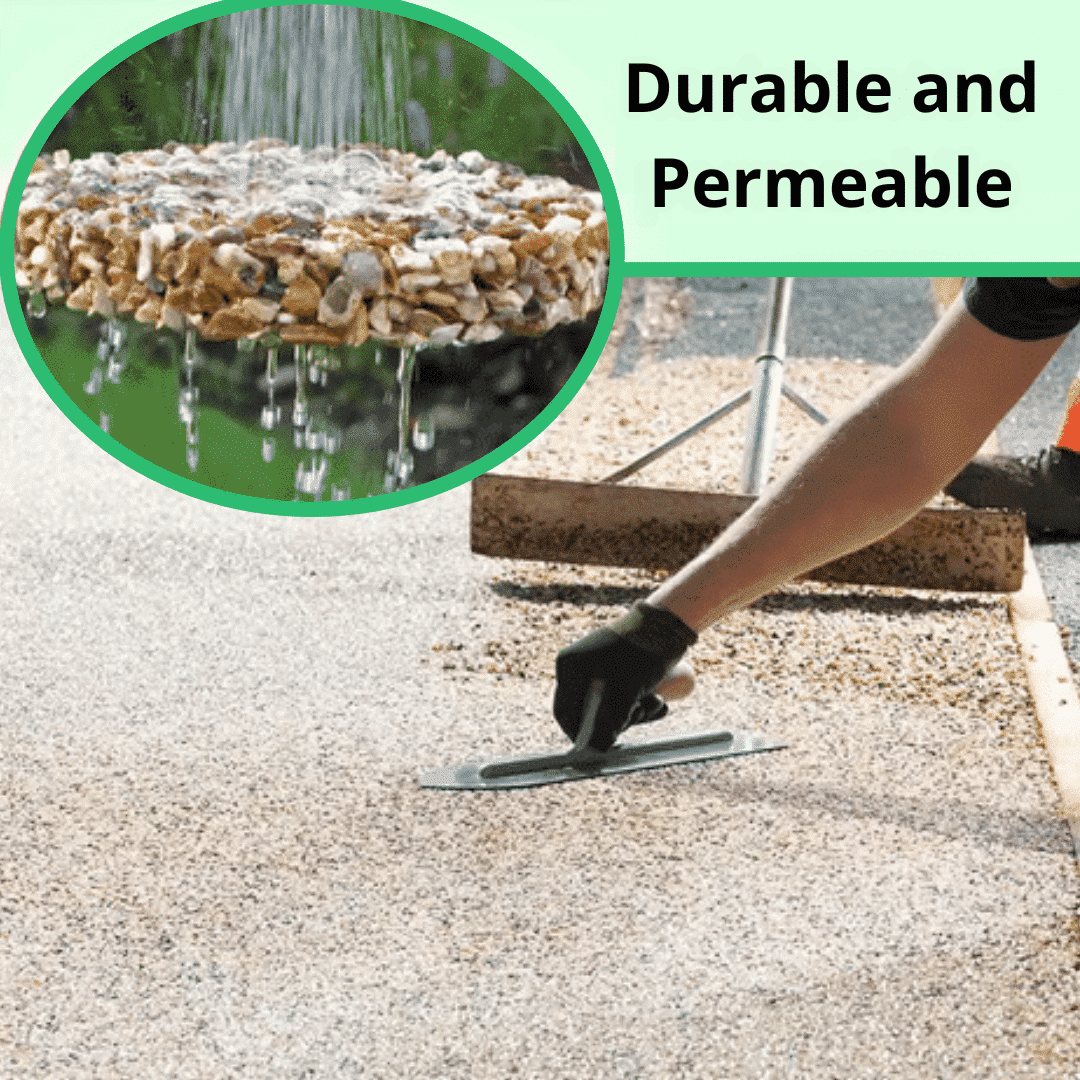
Surface bubbles and discolouration can spoil the clean look and longevity of terrazzo resin projects. With mindful preparation and application, you can greatly reduce these problems and achieve a professional finish.
Ensuring a Proper Foundation
A dry, dust-free substrate is vital to prevent moisture becoming trapped under the resin, which can cause bubbling or unwanted colour shifts as the resin cures. Before you begin, check that all surfaces are completely dry and free from contaminants. Where necessary, consider a specialised primer such as the Epoxyprimer to enhance adhesion and seal porous surfaces.
Mixing and Application Tips
Mix your resin components slowly and evenly to minimise air introduction—vigorous or rushed stirring is a primary cause of surface bubbles. Use a wide container, and once mixed let the resin rest briefly to allow bubbles to rise and dissipate before pouring. When combining resin with aggregates, ensure every particle is coated to maintain consistency and strength.
Choosing the Right Binder for Your Aggregate
Yellowing is most common when there is a mismatch between binder and aggregate colour. For white stones, select a non-yellowing polyurethane like the Polirock binder. For coloured or warm-toned stones, opt for a low-yellowing epoxy, such as the Trasparente epoxy binder. Accurate product choice ensures your surface remains visually true over time.
When This Matters Most
Taking these precautions is especially important for installations in direct sunlight, high-moisture areas, or where long-term appearance is critical, like entrances and patios. Attention at each step helps safeguard against disappointment later.
Related products
Related guides
Combining good preparation, gentle mixing, and the correct binder for your chosen aggregate will dramatically reduce the risk of bubbles or discolouration. For more detailed guidance and application videos, visit our main advice page on using Oer terrazzo resin.