 Free shipping on orders over £29,85
  Shipping Tracking!


 Google
 Facebook
← Back to Which is better: polyurethane or epoxy?
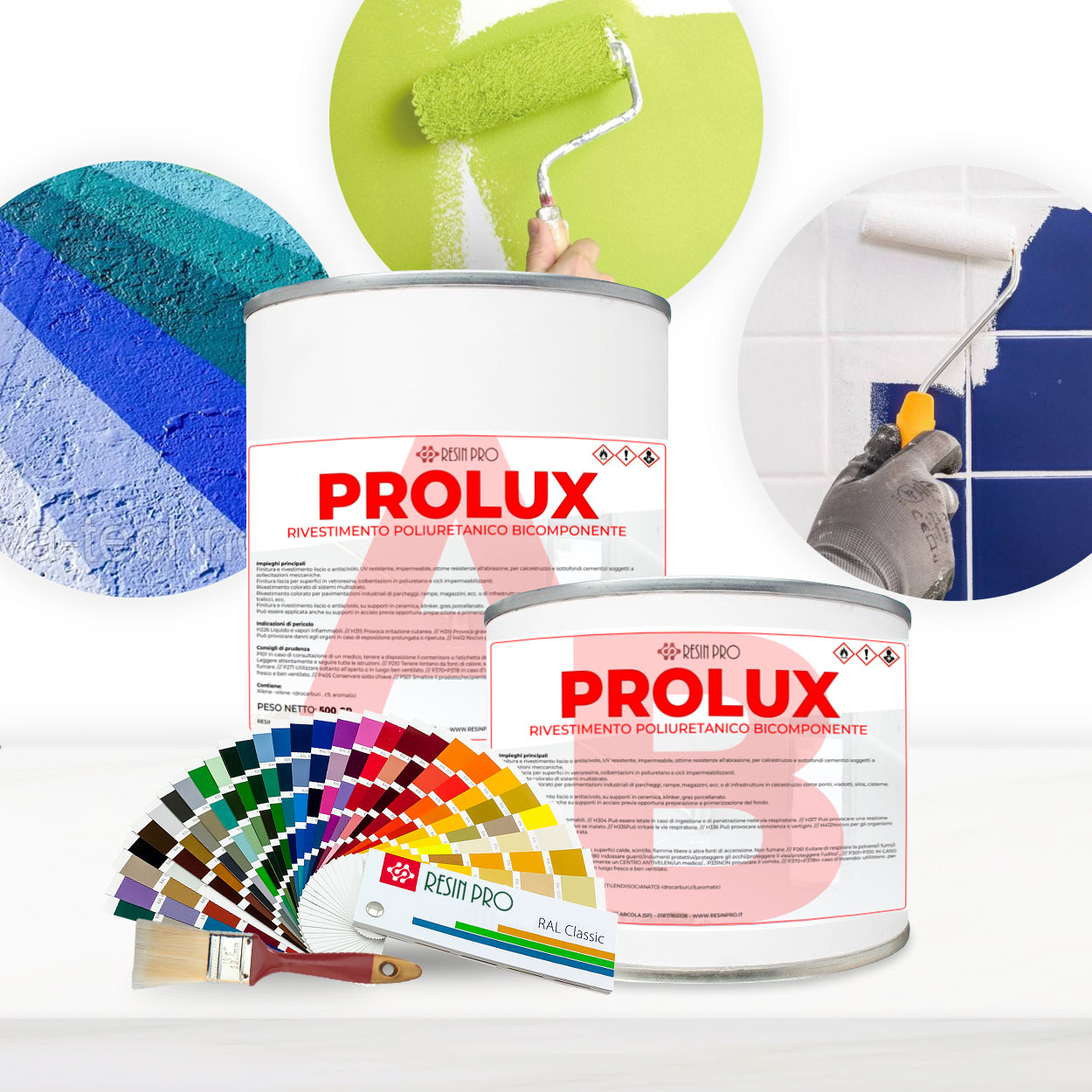
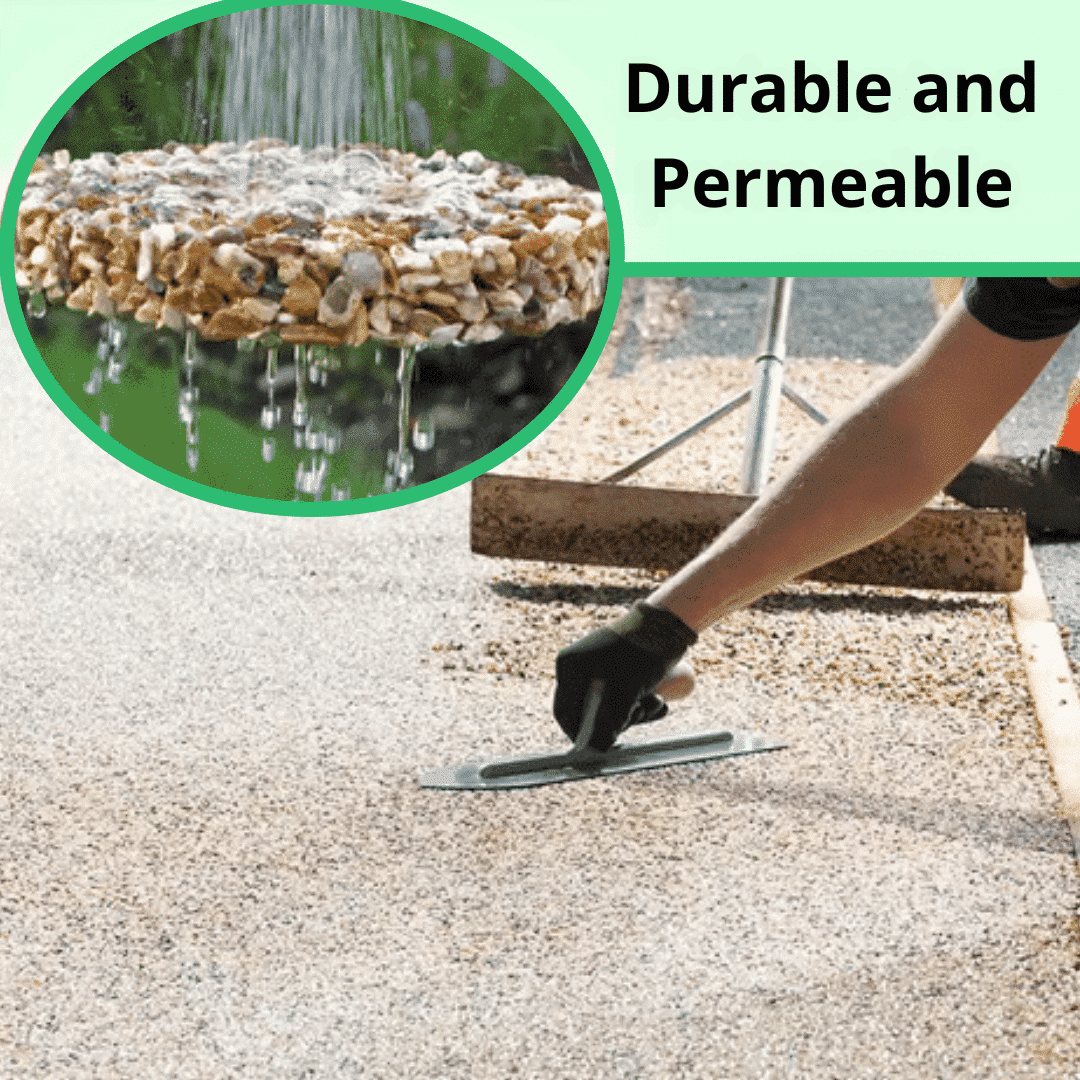
Understanding the strengths of polyurethane versus epoxy is essential for choosing the ideal resin for your project, particularly when outdoor durability, UV stability or flexibility is crucial.
Polyurethane: The Preferred Choice for UV Resistance
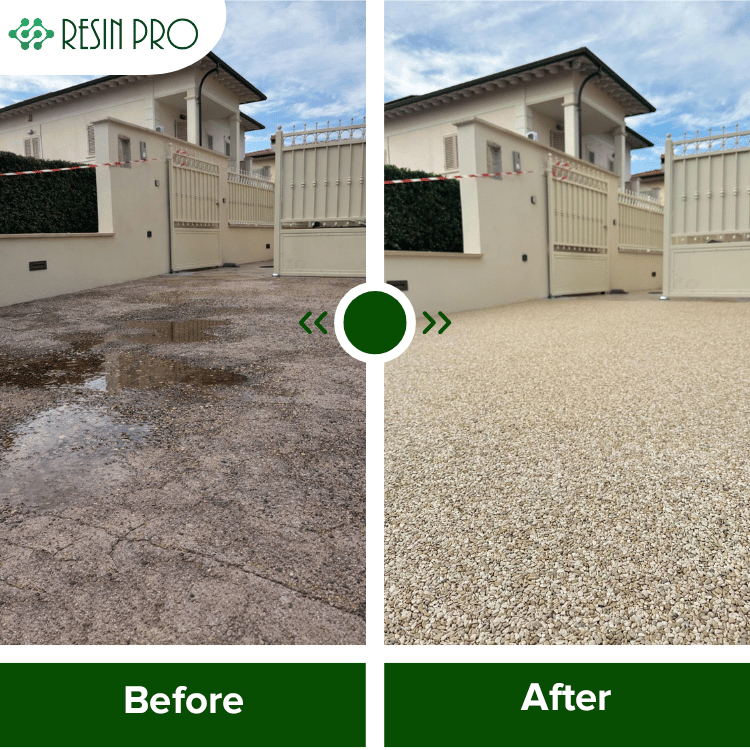
Polyurethane coatings excel in areas where exposure to sunlight or variable weather is expected. Unlike traditional epoxy resins, which can yellow or degrade when faced with strong UV light, polyurethane maintains its clarity and appearance. This makes it a smart option for exterior floors, vehicle parks, and decorative surfaces exposed to daylight. For instance, Prolux PU coating delivers outstanding UV and weather resistance ideal for driveways, terraces, and commercial settings.
Durability & Versatility for Demanding Environments
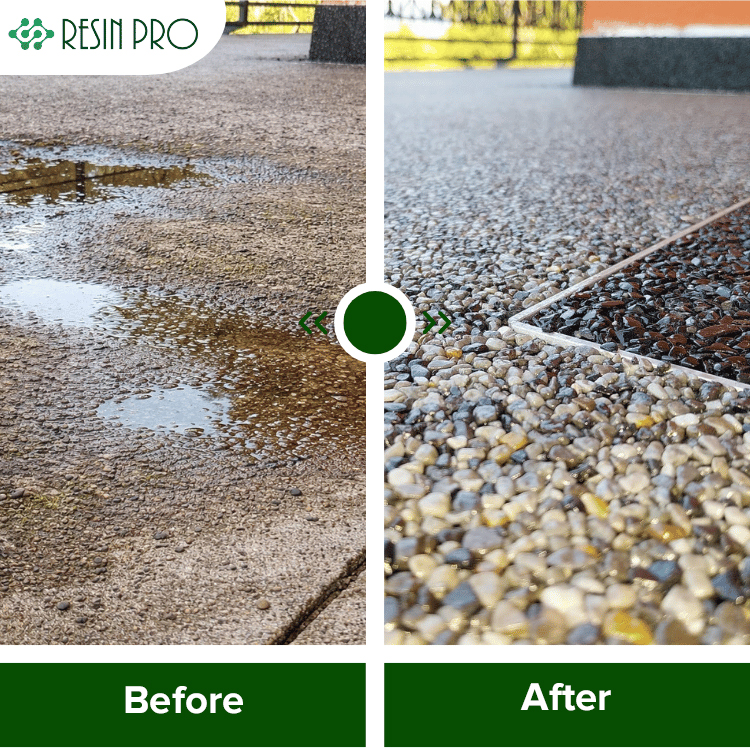
In addition to UV stability, polyurethane coatings offer high resistance to abrasion and mechanical stress. They are commonly used on driveable surfaces, high-traffic floors, and areas prone to damp or wet conditions due to their robust formulation. Polyurethane also adapts to a variety of substrates including concrete, tiles, and prepared steel, further expanding its applications in both industrial and residential settings.
When Should You Switch to Polyurethane?
- Outdoor or light-exposed environments: For surfaces that will see heavy sunlight, polyurethane is generally more suitable than epoxy.
- White or light aggregates: Use polyurethane binders like Polirock to prevent yellowing and preserve clarity on decorative stone finishes.
- Flexible or curved projects: Transparent polyurethane doming resins provide a durable, UV-stable and flexible surface for labels, stickers or uneven shapes.
Related products
Related guides
If your project requires lasting colour, flexibility, or frequent exposure to sun and weather, polyurethane is often the smart alternative to epoxy. For further insights on picking the right resin, explore our main guide on which is better: polyurethane or epoxy?