 Free shipping on orders over £29,85
  Shipping Tracking!


 Google
 Facebook
Which aggregate should I use for permeable flooring?
A UK guide to eco-friendly, durable, and draining outdoor floors

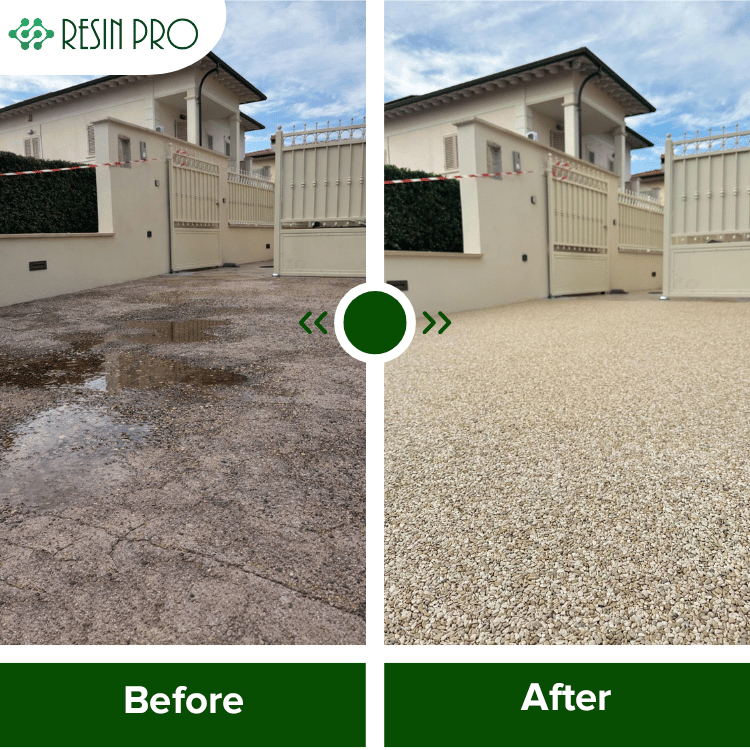
Choosing the optimal aggregate for permeable flooring is crucial for crafting long-lasting, eco-friendly driveways, patios, and footpaths in the British climate. This comprehensive guide explores top materials and systems, ensuring your next outdoor project not only looks stunning but delivers excellent drainage and robust durability. From natural washed pebbles to high-quality resins, discover the ideal combination for your unique requirements.
Understanding Permeable Flooring and Aggregates
Permeable flooring, also known as resin-bound or draining floors, enables rainwater to pass through its surface, reducing puddles and relieving localised flooding. Selecting the right aggregate—whether white stone, coloured pebbles, or granite grit—ensures the best balance between visual appeal, strength, and permeability. Aggregates are combined with specialist resins which bind the particles while allowing water to flow between them.
- Washed Pebbles for Permeable Floors 25kg – Outdoor Resin-Bound Surfaces offer a natural, eco-friendly base for driveways and garden paths, with sizes between 4–8 mm optimal for water permeability and decorative finishes.
- “Trasparente” – Epoxy Binder for Coloured Pebbles and Grits delivers a crystal-clear, UV-resistant bond, ideal for warm or dark coloured aggregates, ensuring a vibrant, long-lasting appearance.
- For projects with premium white stones, “Polirock” – Polyurethane Binder for White Stones, 2kg Two-Component Kit is specially engineered to remain clear and non-yellowing, making it perfect for light and natural stone finishes.
- If you’re looking for an all-in-one solution, the “Flowstone” – Complete Permeable Floor Kit with Pebbles and Resin provides everything needed—including aggregate, resin, and detailed guidance—for DIYers and professionals alike.
Essential Systems and How They Compare
Each permeable flooring system combines a specific aggregate and binder, suited for different applications and design needs:
- Permeable solution: Systems with high-quality washed pebbles or specialist polished stones ensure excellent drainage, preventing surface puddles even after heavy rain.
- Customisable finish: Products like the Flowstone kit offer a range of aggregate colours and grain sizes, adapting to your garden, patio, or driveway design vision.
- Simple application: Whether you’re a homeowner or a tradesperson, step-by-step instructions are provided, making these systems accessible to any skill level.
For optimal base stability and long-term performance, surfaces may require preparation with a high-bond primer. “Epoxyprimer” – Universal Water-Based Two-Component Epoxy Floor Primer ensures safe and stable layering of resins onto substrates such as concrete, screed, or timber.
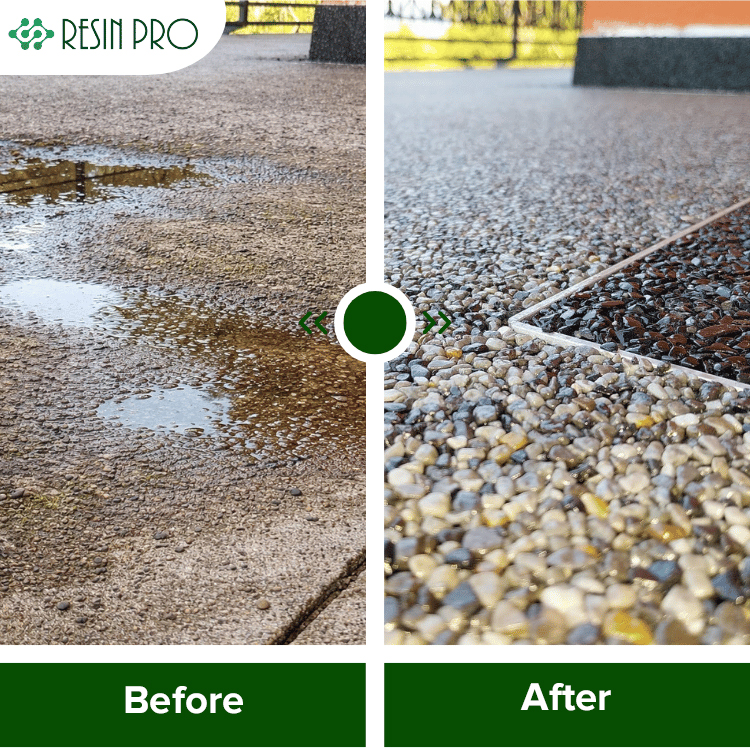
How Permeable Aggregates Work in Outdoor Floors
Permeable outdoor flooring combines specially selected aggregates—like pebbles or granite—with advanced resin binders, allowing rainwater to filter naturally into the ground. This approach prevents surface runoff, reduces puddles, and helps meet sustainable landscaping goals in British gardens and urban spaces. The size, shape, and wash quality of the aggregate are key to maximising water infiltration, while the choice of binder ensures mechanical strength and colour stability for years to come. Modern systems are now easier than ever to install, broadening the use of eco-friendly permeable floors across residential and commercial applications.
Choosing the Right Aggregate for Your Project
The correct aggregate selection depends on where and how your floor will be used, as well as the surrounding environment:
- Natural washed pebbles or granite grits (4–8 mm): Prioritise these for maximum water drainage and eco-friendliness, especially on driveways, walking paths, and garden areas. Washed Pebbles for Permeable Floors 25kg ensure trouble-free, sustainable landscaping, combining decorative appeal with functionality.
- White stones: Use these where you want a bright, clean, or modern appearance, paired specifically with a non-yellowing binder such as “Polirock” Polyurethane Binder. This prevents discolouration from UV rays and atmospheric factors, keeping your installation brilliant for years.
- Coloured or dark aggregates: For vibrant or natural grits, “Trasparente” Epoxy Binder provides a crystal-clear finish, allowing the natural hue of your aggregates to shine without yellowing over time.
If you’re working with concrete as a sub-base, it should be sealed and protected to avoid moisture infiltration. “Resinstone” – One-Component Methacrylic Resin for Concrete Floors and Driveways deeply penetrates concrete and dries quickly, ensuring a long-lasting, robust surface beneath your permeable aggregate system.
For a comprehensive, hassle-free approach, the Flowstone Kit includes everything needed for seamless results: the right aggregate, the optimal type of resin for your chosen stones, and detailed instructions for a professional finish.
Installation Tips for UK Weather Conditions
British weather can be challenging for outdoor projects, but modern permeable flooring systems are formulated to withstand changeable conditions. Always avoid installing resin or aggregate systems during periods of high humidity, rain, or when temperatures are below 10°C. Both “Trasparente” Epoxy Binder and “Polirock” Polyurethane Binder have rapid curing profiles when applied in optimal environmental conditions, allowing light foot traffic often within 10–12 hours depending on product and temperature.
If resurfacing or preparing an old driveway, make sure to begin with a suitable primer like Epoxyprimer to maximise adhesion to the base layer, extending the life of your installation. Once cured, a permeable aggregate and appropriate resin can be added for a flawless, draining finish.
Customising Your Permeable Floor: Design and Functionality
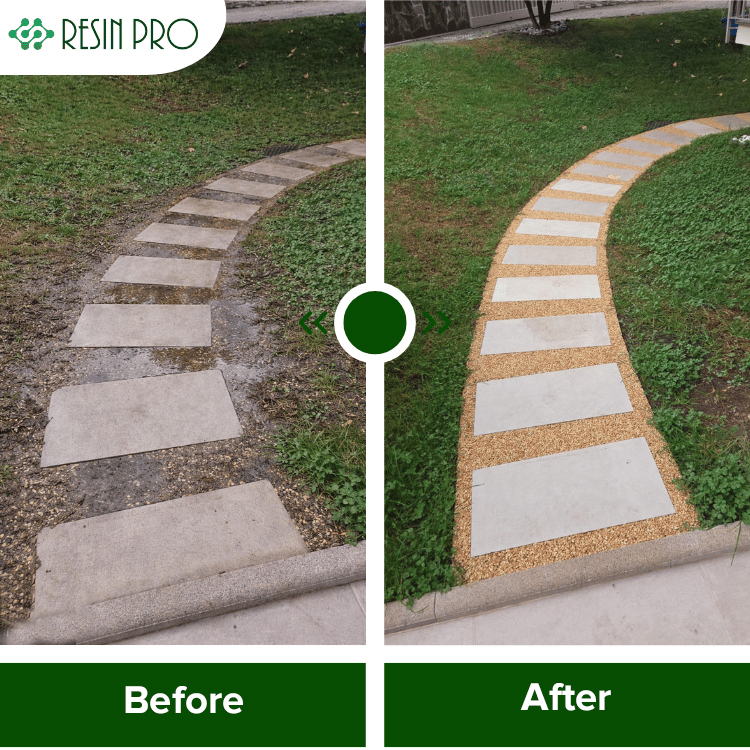
Design flexibility is a chief advantage of resin-bound and permeable flooring systems. By mixing and matching aggregate types, colours, and binding resins, you can tailor your outdoor surfaces for both aesthetics and practical needs. Whether you want a traditional look with natural washed pebbles, a modern white stone finish using Polirock, or a vibrant driveway with coloured aggregates and Trasparente Epoxy Binder, options are plentiful. All solutions maintain permeability—making them ideal for UK weather, compliance with local regulations, and contemporary landscape design.
Key Product Solutions: ResinPro Range
Every successful permeable flooring project begins with reliable, proven materials. Whether prioritising eco-friendliness, resilience, or ease of application, ResinPro’s top products uphold British performance standards:
- Washed Pebbles for Permeable Floors: Pre-washed and ready to use, these pebbles form the ideal permeable layer for outdoor spaces. Combine with marble, granite, or porphyry for standout patio and driveway designs.
- “Trasparente” Epoxy Binder: Ensures strong encapsulation and extended colour fastness for coloured stones, safe for skin contact and certified non-toxic once fully cured.
- “Polirock” Polyurethane Binder: The only recommended choice for bonding white stone aggregates, maintaining their brilliance without yellowing.
- “Epoxyprimer” Floor Primer: Guarantees integrity of the drainage layer by strongly bonding resin systems to concrete, screed, or tiles.
- “Resinstone” Methacrylic Resin: Protects and seals concrete bases, enhancing the longevity of your finished permeable floor.
- “Flowstone” Complete Permeable Floor Kit: Your end-to-end system, including aggregates, resin, and user-friendly instructions, designed specifically for the UK climate.
For further inspiration or product options, the Pebble Floors category offers even broader choice for your next project.
- "Flowstone" – Complete Permeable Floor Kit with Pebbles and ResinPrice range: £42.85 through £3,389.85Flowstone is a permeable pebble and resin floor kit offering a customisable finish with simple application suitable for outdoor spaces.
 Washed Pebbles for Permeable Floors 25kg – Outdoor Resin-Bound Surfaces£26.85Washed Pebbles for Permeable Floors offer eco-friendly, pre-washed aggregates suitable for outdoor resin-bound surfaces and pathways.
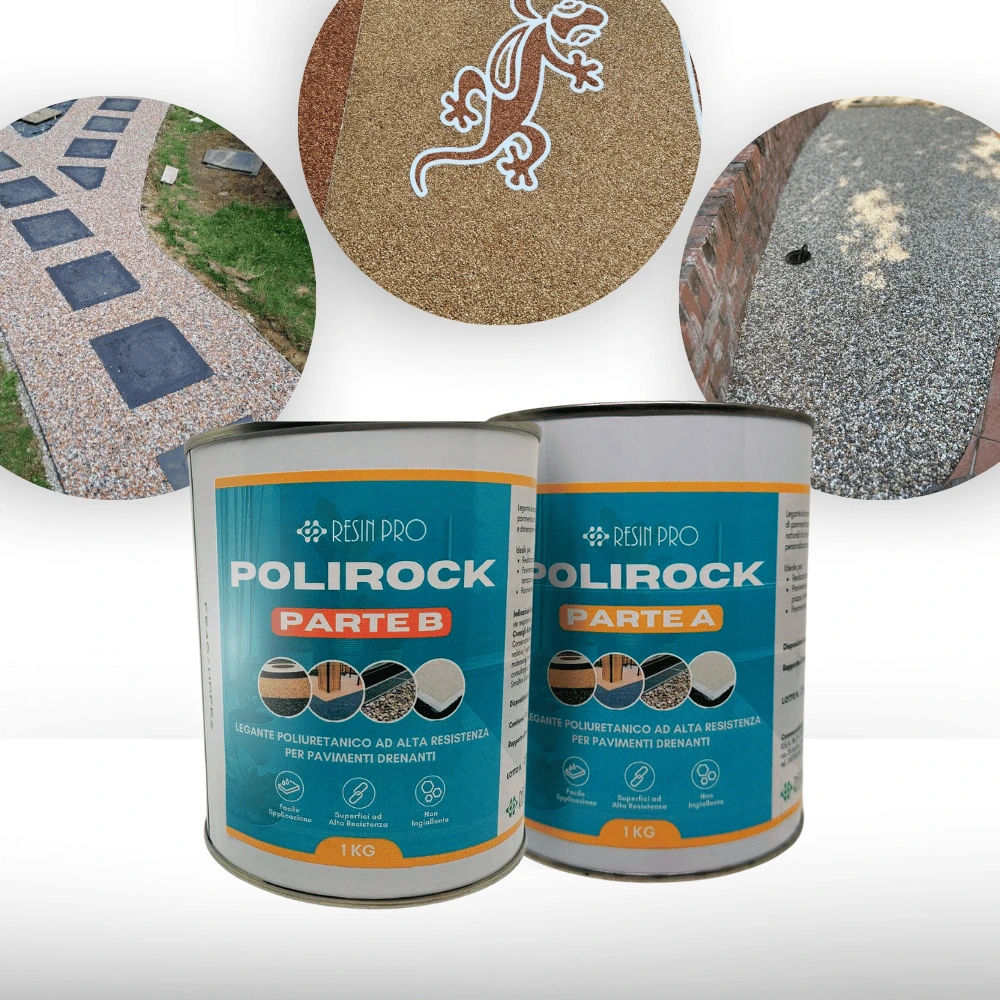 "Polirock" – Polyurethane Binder for White Stones, 2kg Two-Component Kit£58.85POLIROCK is a two-component polyurethane binder designed for decorative and permeable outdoor stone surfaces with white stones.
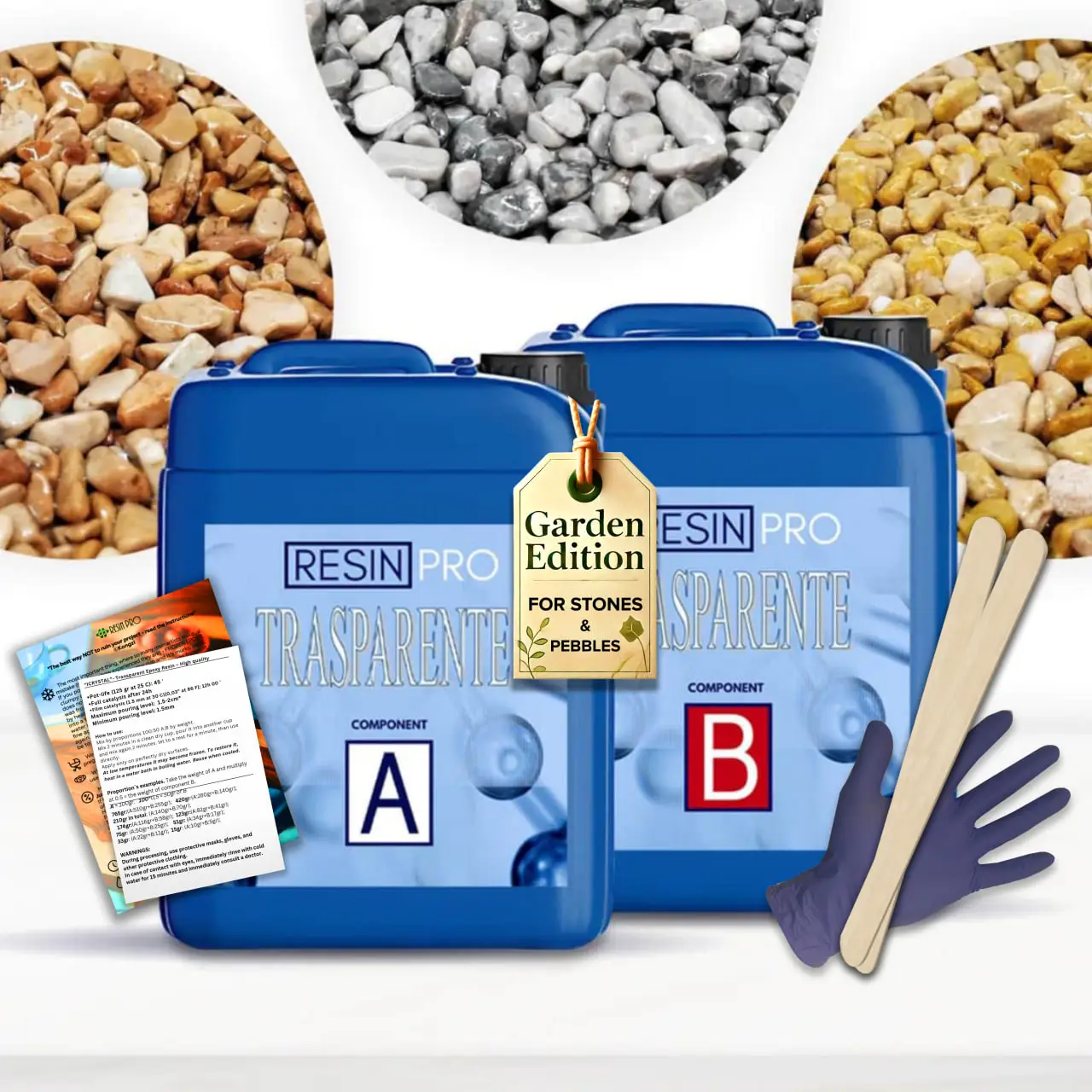 "Trasparente" – Epoxy Binder for Coloured Pebbles and GritsPrice range: £31.85 through £948.85The transparent epoxy binder is designed for coloured pebbles and grits providing a clear, UV-resistant finish suited to permeable flooring projects.
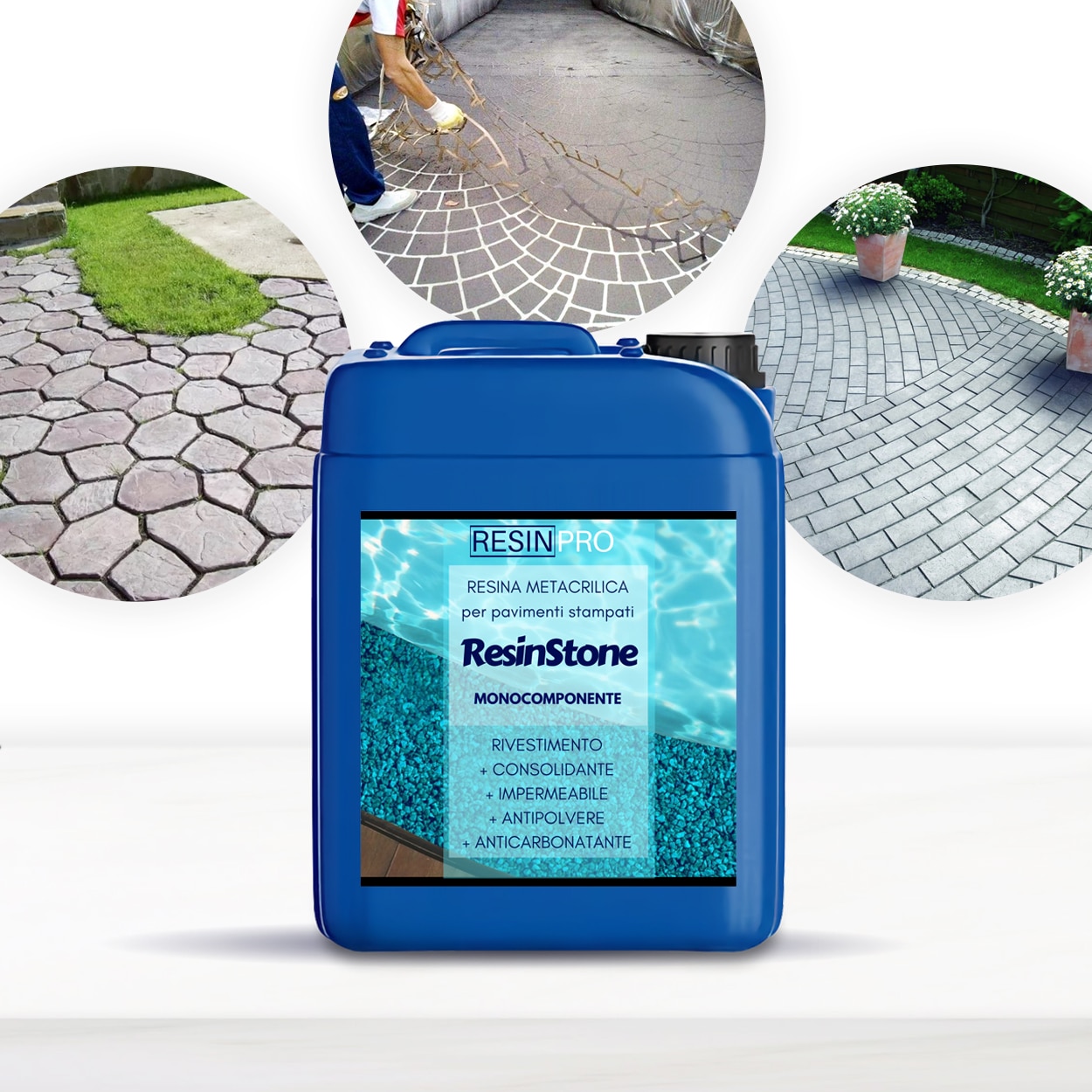 "Resinstone" – One-Component Methacrylic Resin for Concrete Floors and DrivewaysPrice range: £29.85 through £59.85"Resinstone" is a one-component methacrylic resin designed for sealing and protecting concrete floors and driveways, compatible with your theme on…
 "Epoxyprimer" – Universal Water-Based Two-Component Epoxy Floor PrimerPrice range: £148.84 through £272.45Epoxyprimer is a water-based two-component epoxy resin floor primer designed for reliable adhesion, suitable for various substrates in permeable…
Frequently Asked Questions
What types of resin and aggregate combinations work best for permeable flooring?
The best combinations depend on the look you want and local drainage requirements. For vibrant, coloured finishes, pair "Trasparente" Epoxy Binder with coloured pebbles or granite. For white stones needing lasting clarity, opt for "Polirock" Polyurethane Binder. Always mix resin and aggregate before laying for strength and water flow.
Can I install a permeable pebble and resin floor myself?
Yes, modern kits such as Flowstone are designed for user-friendly installation. The process is simple and clearly guided, requiring only basic tools. For larger areas, using a cement mixer speeds up aggregate and resin blending.
Which binder should I choose for white stones versus coloured stones?
Always use Polirock for white or light aggregates to prevent yellowing. For coloured or darker aggregates, Trasparente offers a UV-resistant, clear finish.
Is primer necessary when installing these systems?
Applying Epoxyprimer on concrete, screed, ceramic, or timber surfaces ensures secure adhesion of subsequent resin and aggregate layers, resulting in improved longevity and reduced risk of delamination.
Can I use Resinstone as a binder for loose gravel?
Resinstone is formulated for sealing and protecting concrete, not for binding loose stone. Choose a dedicated binder such as Polirock or Trasparente for aggregate applications.
Are the products suitable for high-traffic or vehicle areas?
Properly installed resin and aggregate floors are strong and suitable for driveways, patios, and public areas. Always follow application guidelines for best results, including curing times and appropriate resin-aggregate ratios.
How do weather conditions affect installation?
Install only in mild, dry weather (above 10°C) and avoid days with rain or high humidity. This ensures proper curing and adhesion for a long-lasting permeable surface.