 Free shipping on orders over £29,85
  Shipping Tracking!


 Google
 Facebook
← Back to How to make rubber using silicone glue?
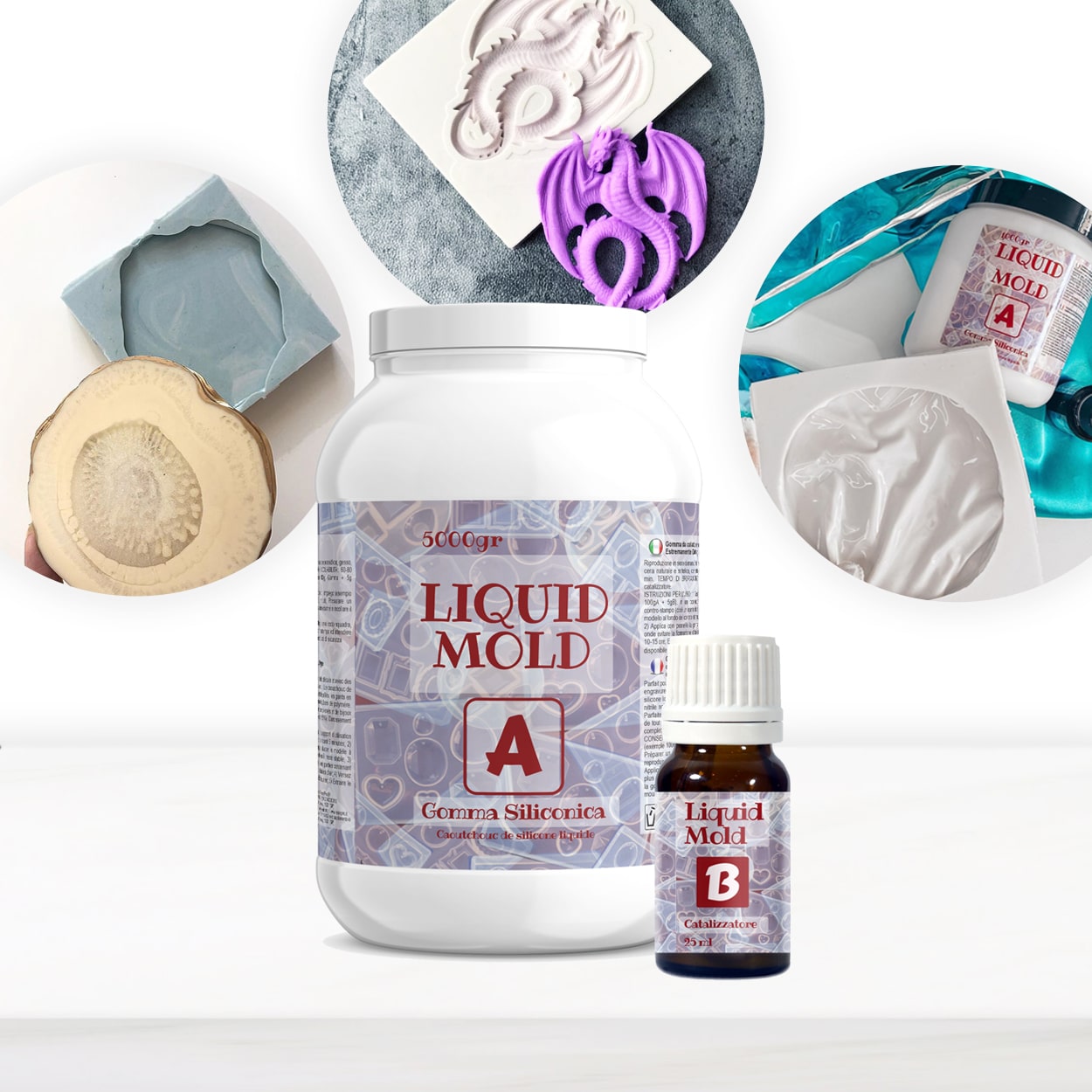
Choosing the correct silicone is key to success when making rubber moulds, especially if you’re aiming for impressive detail and flexibility. With a wide selection available, understanding which type to use for your project can make all the difference.
Types of Silicone for Mould Making
For most craft and professional uses, bi-component liquid silicones and silicone putties are the recommended options. Liquid silicones—such as “Liquid Mould”—are excellent for pouring over models and capturing every fine detail, including deep undercuts. Silicone putties, like “I–Gum”, are ideal for simpler shapes or when you want a mould created by hand without pouring.
- Liquid Silicone Rubber: Perfect for complex objects and multiple reproductions.
- Silicone Putty: Convenient for quick impressions and direct application to objects.
Choosing the Right Silicone
Select your silicone based on the intended material you wish to cast and the level of detail required. For example, platinum-based liquid silicones such as “Pure Mould” are well-suited for translucent, highly detailed moulds and compatibility with resins, plaster, or wax. Always ensure you follow the recommended mix ratios—usually 1:1 or as directed by the manufacturer.
Practical Tips for Mould Making
Prepare your model surface thoroughly for better release and accuracy. Mix both silicone components as instructed and pour or apply steadily to avoid introducing air bubbles. Using a pressure pot can help further minimise any air pockets for professional results. Opt for the right shore hardness for your application: softer grades are flexible for intricate shapes, while firmer rubber suits simpler, robust moulds.
Related products
Related guides
Whether you choose a liquid pourable silicone or a user-friendly putty, matching the product to your moulding project will yield the best results. For further details on materials and methods, see our full guide on how to make rubber using silicone glue.