 Free shipping on orders over £29,85
  Shipping Tracking!


 Google
 Facebook
← Back to How to make a silicone rubber mould?
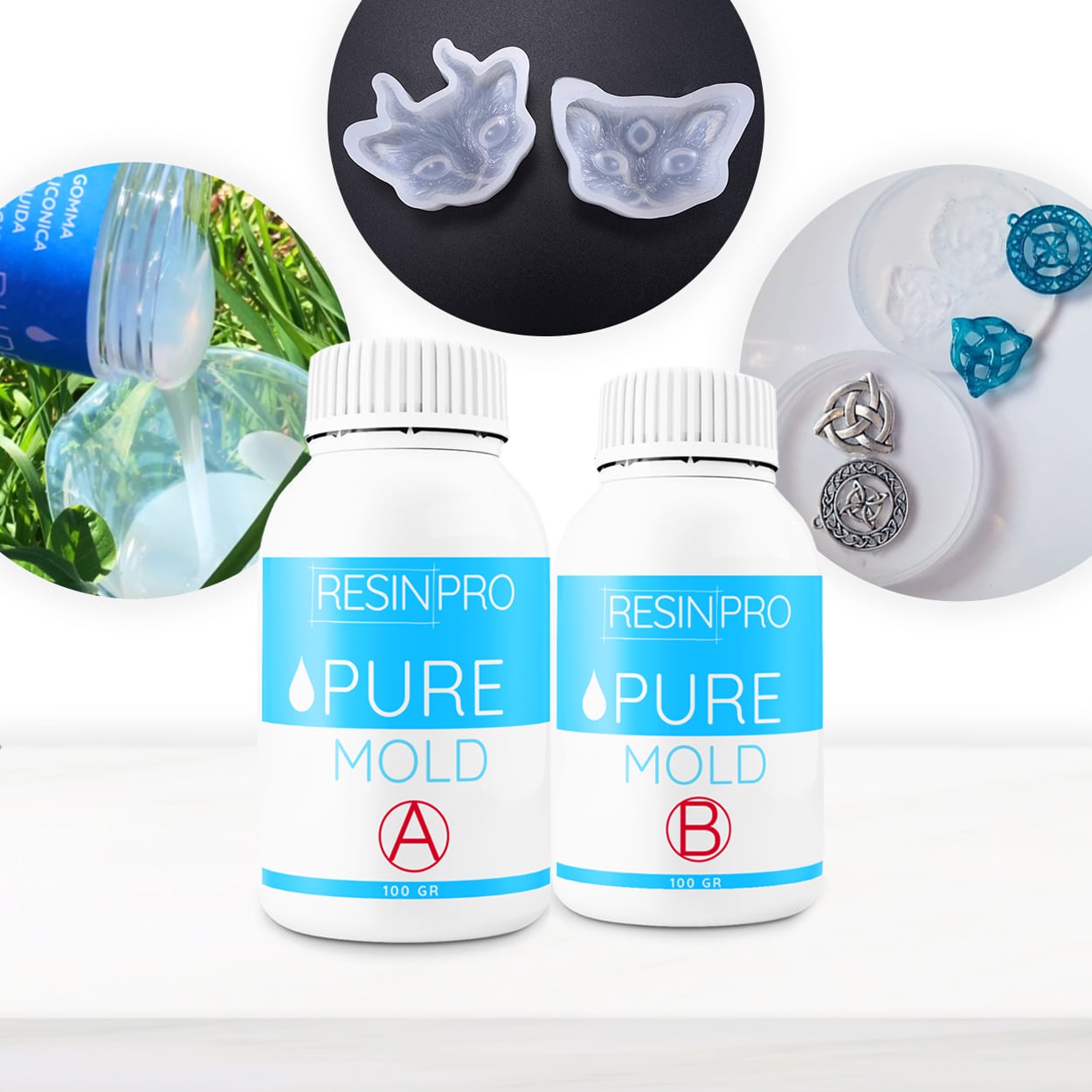
A sticky silicone mould after curing can be frustrating and prevents you from capturing accurate detail or reusing the mould. Understanding why this happens will help you avoid wasted material and ensure smooth casting projects in the future.
Common Causes of Stickiness
The main reason silicone moulds remain tacky is incorrect measuring or mixing of the two components. If the ratio is off (for example, not sticking to a 1:1 proportion, when indicated), the silicone can’t cure fully and remains sticky. Inadequate mixing can also leave unmixed pockets that stay soft. Always follow the manufacturer’s guidelines closely—“Pure Mould” Translucent Liquid Silicone Rubber is designed for a straightforward 1:1 mix, making accurate measuring simple.
Practical Steps to Avoid Sticky Results
- Double-check the recommended mixing ratio for your silicone product.
- Vigorously stir both components until fully blended, scraping the sides and bottom of your mixing container.
- If conditions are cold or humid, curing may take longer—be patient and allow extra time.
- Use clean tools and containers to avoid contamination, which can also interfere with curing.
When Sticky Moulds Matter Most
If you plan to use your mould for detailed casting—such as with resin, wax, or concrete—a tacky surface may cause defects or difficulty demoulding. This is especially important for intricate or reusable moulds, where clarity and reusability are essential.
Related products
Related guides
By mixing accurately and allowing the right curing time, you’ll achieve smooth, reliable silicone moulds for your projects. For more tips and complete guidance, return to the How to Make a Silicone Rubber Mould? hub.