 Free shipping on orders over £29,85
  Shipping Tracking!


 Google
 Facebook
How to make a silicone rubber mould?
Making your own silicone rubber mould expands your creative possibilities, allowing you to replicate intricate details for resin casting, candle making, jewellery, and much more. This guide walks you through the process, from preparation to demoulding, ensuring professional, reliable results whether you are a hobbyist or enthusiast.
Step-by-step guide for smooth, bubble-free mould creation

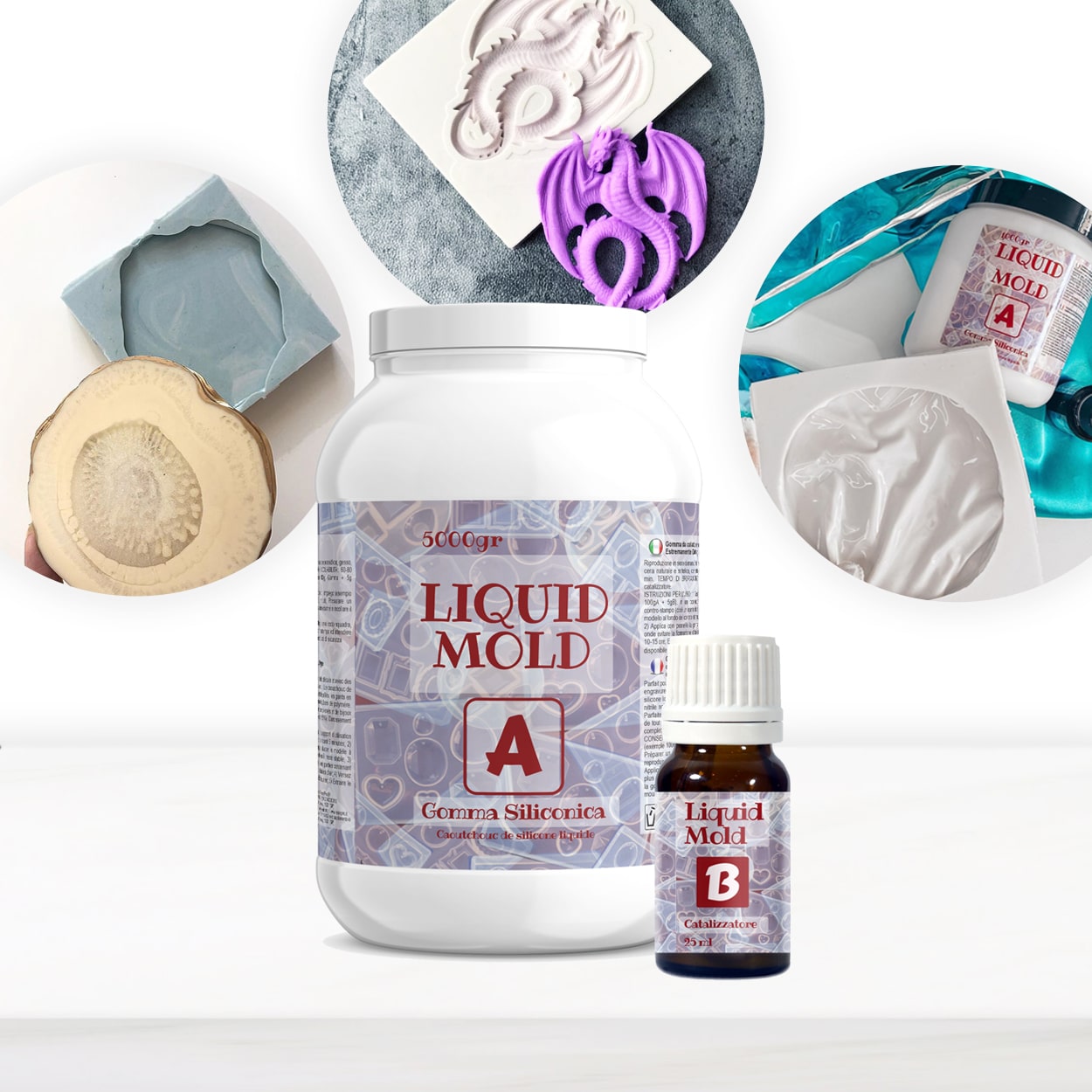
What You’ll Need
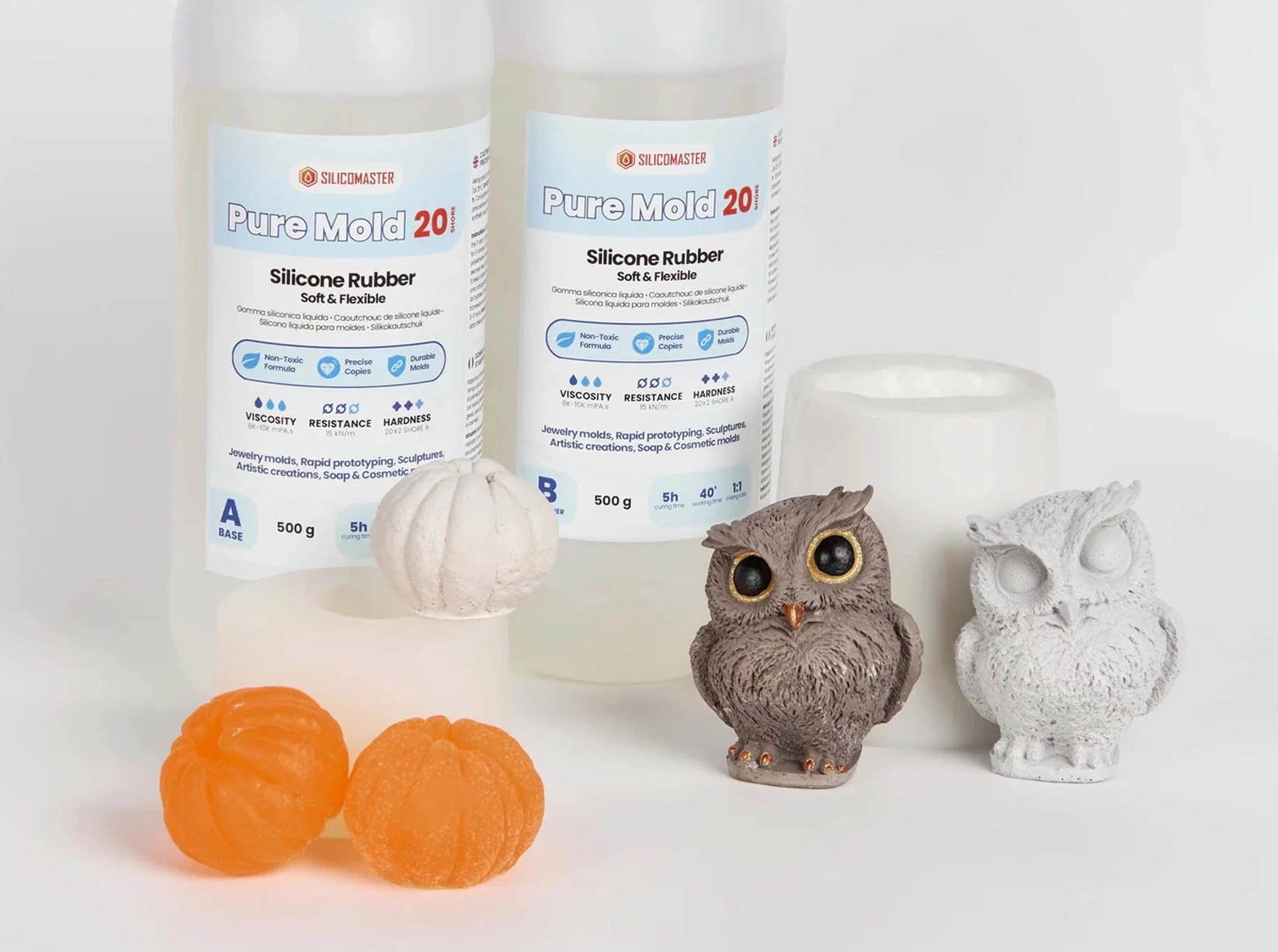
- “Pure Mould” – Translucent Liquid Silicone Rubber for Mould Making: A platinum-based, translucent silicone rubber suitable for creating fast-curing and detailed moulds.
- “Liquid Mould” – Casting Liquid Silicone Rubber, 5-40 Shores, Bi-Component A+B: For highly detailed moulds and complex undercuts.
- “I–Gum” – Non-Toxic Silicone Putty for Mould Making: Ideal for quickly making smaller or direct-press moulds.
- Mixing containers and spatulas
- Protective gloves and a dust mask (recommended)
- Original object/model for moulding
- Mould box (acrylic, plastic, or disposable container)
- Release agent (if needed for the model material)
- Weighing scales
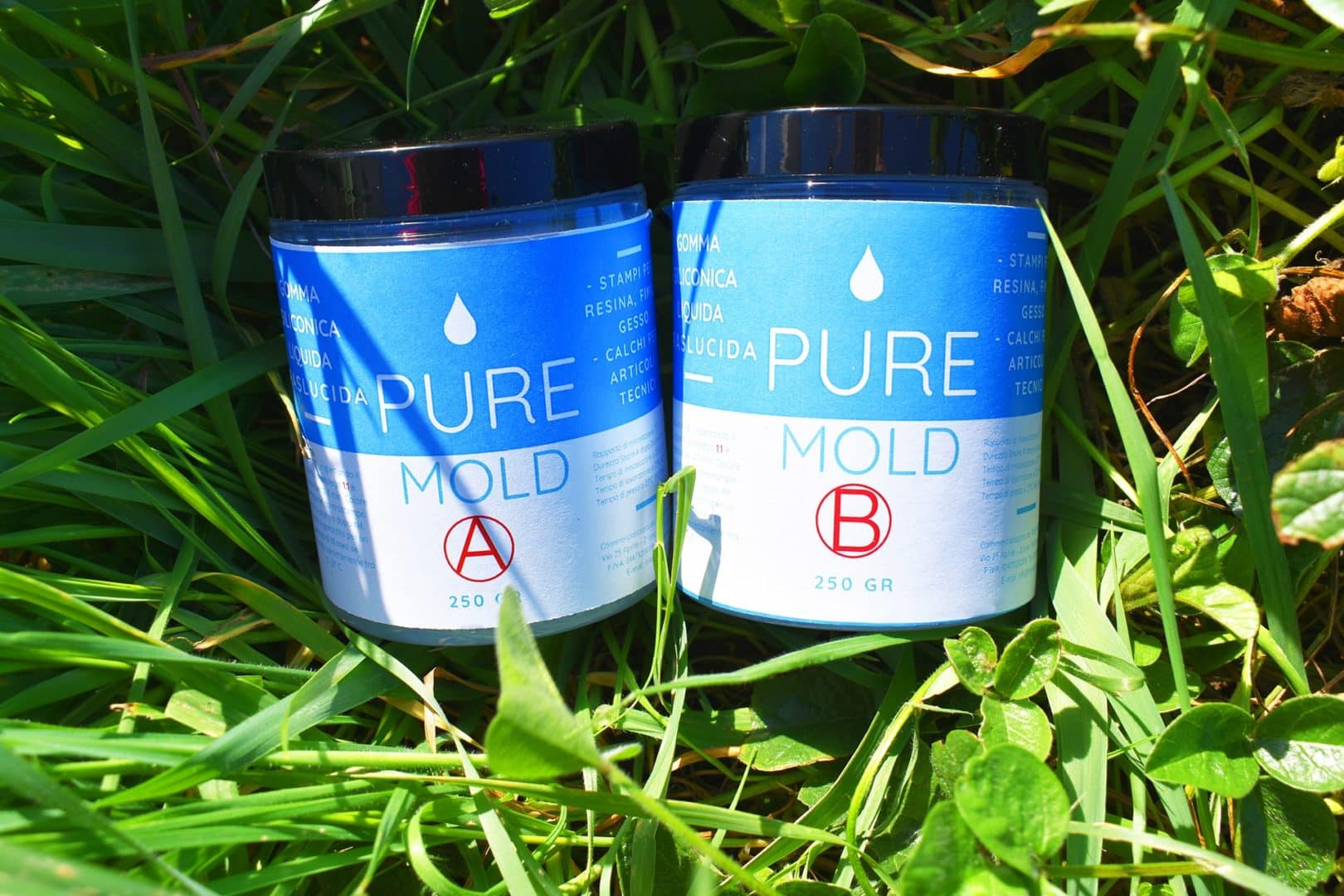
Visual Guide to Mould Making Essentials
Explore close-ups of mixing silicone, preparing models, and examples of both liquid and putty-based silicone applications. See how translucent liquid rubber captures every detail for reliable casting results.
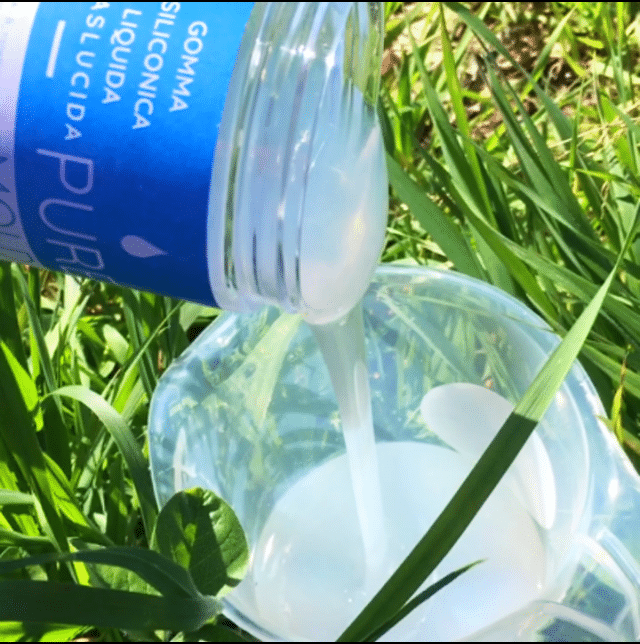
Step 1: Prepare Your Workspace and Model
Always work in a well-ventilated area. Start by choosing a stable, level surface and protecting it with disposable covering. Gather all materials and tools. Place your original model in the centre of your mould box, ensuring it is firmly secured and that there is at least 1 cm clearance on all sides. If your model is porous (such as plaster or wood), apply a suitable release agent to prevent sticking.
Check for undercuts or delicate elements; make sure the moulding box can contain the silicone and support the mould as it cures.
Step 2: Measure and Mix the Silicone Rubber
Read the manufacturer’s instructions to determine the correct mixing ratio. For instance, “Pure Mould” – Translucent Liquid Silicone Rubber for Mould Making uses a straightforward 1:1 mix ratio, while “Liquid Mould” – Casting Liquid Silicone Rubber, 5-40 Shores, Bi-Component A+B requires accurate component measurement as directed. Weigh the components precisely using digital scales.
Combine parts A and B in your mixing container and stir slowly yet thoroughly until the colour and texture are fully blended, scraping the sides and bottom. Measure carefully and mix thoroughly. This helps ensure even curing and avoids soft spots or incomplete moulds.
Step 3: Pour or Apply Silicone into the Mould Box
For liquid silicone: Pour the mixture into one corner of the mould box, allowing it to flow naturally over the model to minimise bubbles. Pour slowly to minimise air bubbles. Gently tap or rock the box to help air rise and escape, or use a toothpick to dislodge stubborn bubbles from tricky areas. If using a pressure chamber, this is the stage to apply it to force out finer bubbles and ensure crisp results.
If you are using “I–Gum” – Non-Toxic Silicone Putty for Mould Making, knead the putty quickly until uniform, then press it firmly and evenly onto the object. Work swiftly with putty products to mould delicate models. Mould the putty around details, pushing it into crevices for clear impressions.
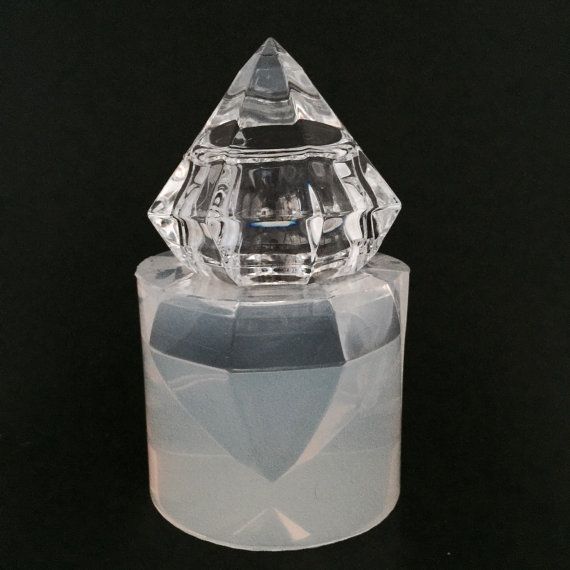
Step 4: Allow to Cure Completely
Curing time will vary depending on product and ambient conditions. Liquid silicones typically require several hours to overnight (for example, “Pure Mould” often sets in 3–8 hours), while “Liquid Mould” may need up to 12 hours. For putty types like “I–Gum”, the working time is brief (about 20 minutes), with demoulding generally possible after an hour.
Allow the mould to fully cure before demoulding. Do not rush the process; premature removal can cause tearing or distortion, compromising the quality of future castings.
Step 5: Demould and Inspect Your Silicone Mould
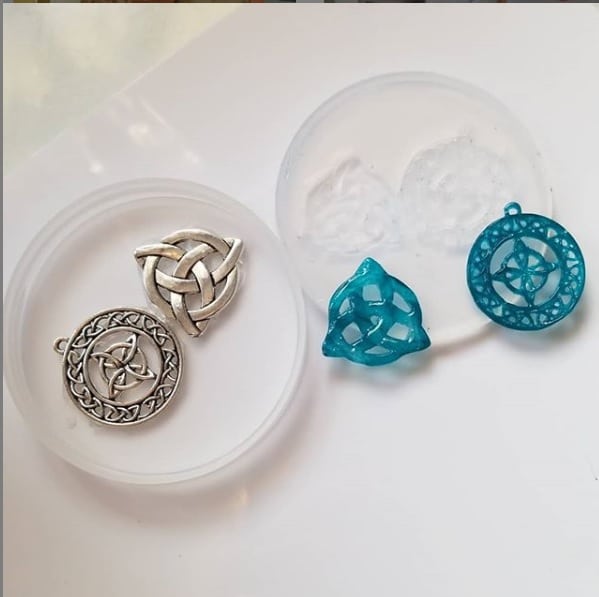
Once fully cured, gently flex or peel the mould away from the object and the mould box. Clean up any flashing or excess silicone around the margins. Inspect the interior for detail, ensuring no air bubbles or missed sections remain. If irregularities are found, they may be corrected by trimming or repeating the process with improved technique next time.
Wash the mould in warm, soapy water if necessary and allow it to dry before using it for casting. Store your finished silicone mould in a cool, dry place and avoid prolonged exposure to direct sunlight.
Tips, Common Mistakes, and Troubleshooting
- Use only the required quantity of silicone to cover your model—it saves material and reduces bubble risk.
- Ensure both components are at similar room temperature before mixing for consistent results.
- Air bubbles are most commonly caused by vigorous mixing or rapid pouring. Stir gently and pour slowly.
- For deep or complex moulds, consider multiple thinner pours or application in layers for precision.
- If the mould is tacky or soft, check that the ratios were exact and allow extra curing time.
- Store silicone products in tightly sealed containers to maintain shelf life and performance.
Detail Gallery: Cured Moulds and Castings
Browse images of freshly demoulded silicone moulds, smooth bubble-free surfaces, and high-fidelity castings produced using DIY silicone moulds.
- "Pure Mould" – Translucent Liquid Silicone Rubber for Mould MakingPrice range: £22.85 through £158.85"Pure Mould" is a translucent liquid silicone rubber designed for making moulds compatible with resins, plasters, and cements.
- "Liquid Mould" – Casting Liquid Silicone Rubber, 5-40 Shores, Bi-Component A+BPrice range: £13.45 through £368.85"Liquid Mould" is a casting liquid silicone rubber suitable for making detailed moulds of small objects, supporting complex shapes and undercuts.
 "I–Gum" – Non-Toxic Silicone Putty for Mould MakingPrice range: £22.85 through £99.85"I–Gum" is a two-component, non-toxic silicone putty designed for creating moulds suited to resin and other materials.
Frequently Asked Questions
What ratio should I use when mixing two-component silicone putty?
A 1:1 ratio is most common for silicone putties, ensuring even texture and proper curing.
How do I minimise air bubbles when casting liquid silicone?
Pour slowly from one corner and gently tap the box or use a pressure chamber for best clarity.
What is the curing time for a silicone rubber mould?
Curing can take from a few hours up to 12 hours depending on the product. Always check manufacturer guidance.
Why is my silicone mould still sticky after the curing time?
Incomplete mixing or incorrect ratios cause stickiness. Ensure proper mixing and allow extra curing time if needed.
Which silicone rubber is recommended for fine or complex detail in moulds?
"Liquid Mould" silicone rubber is ideal for sharp, intricate details and undercuts in casting projects.
Do I need to use a release agent when making a silicone mould?
A release agent is useful for porous models or if mould sticking is a risk. Non-stick putty usually does not need it.