 Free shipping on orders over £29.85
 Shipping Tracking!


 Google
 Facebook



Avoiding deep sandblasting
Avoiding deep sandblasting is essential to preserve the surface of materials from any excessive damage. Alternatively, using less invasive techniques such as light sandblasting or other methodologies like cleaning with solvents or specific chemical products is recommended. These solutions allow for the removal of dirt and old finishes without compromising the integrity of the substrate. Furthermore, it is important to carefully assess the condition of the material to be treated and consult with a professional to identify the most suitable method for the specific case.
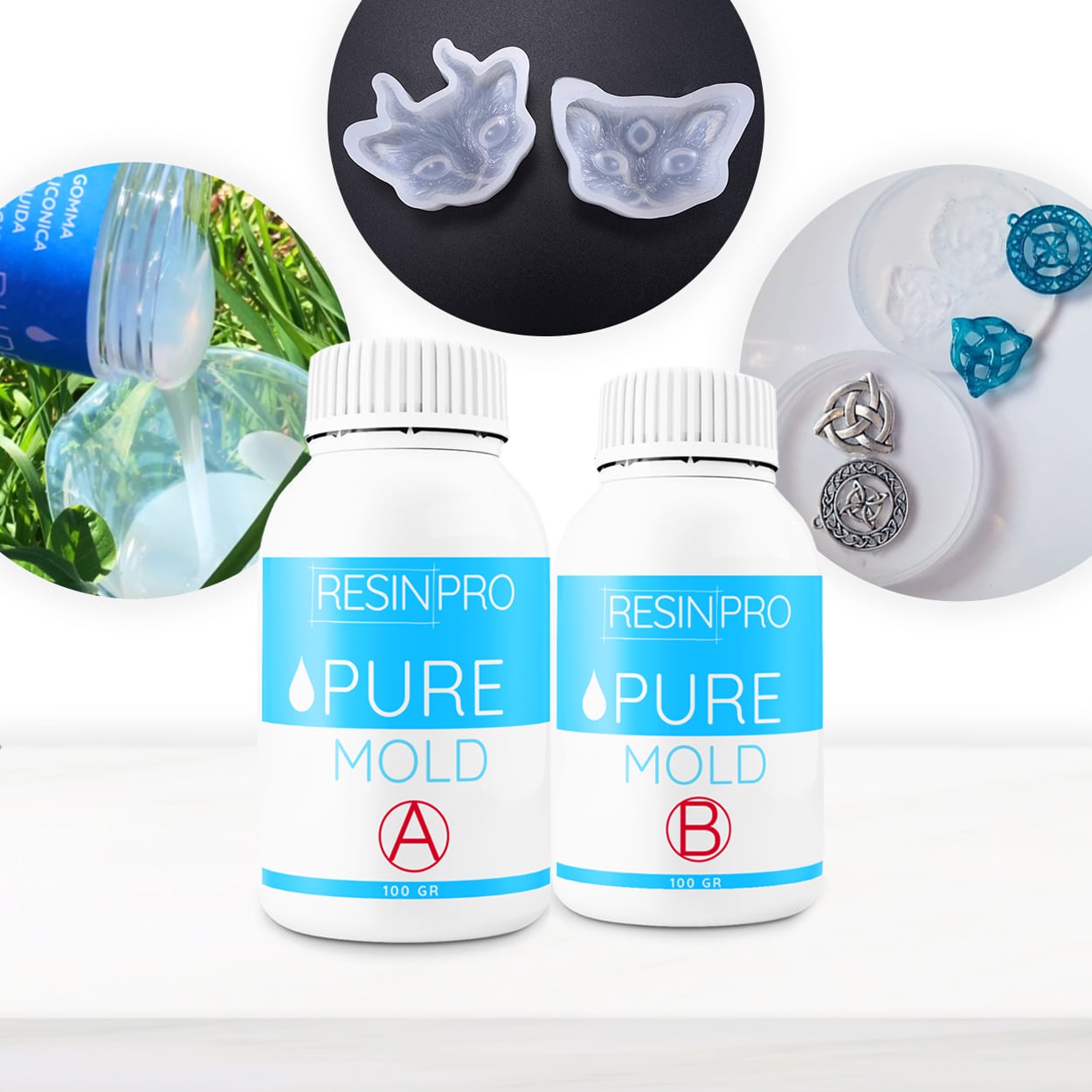
Epoxy Resin for Molds
Epoxy resin for molds is a versatile and durable material used in the DIY and craft sector. This resin, composed of two components that solidify through a chemical reaction, is ideal for creating detailed and long-lasting molds. Thanks to its ability to faithfully reproduce even the most intricate details, epoxy resin for molds is widely employed in the production of jewelry, decorative objects, and furniture accessories. Before use, it is essential to carefully follow the mixing and application instructions in order to achieve optimal and defect-free results.
Coloring Techniques with Pigments
Pigments are coloring substances used to dye materials such as epoxy resins and silicones. Coloring techniques with pigments vary depending on the type of material and the desired effect. To achieve uniform and vibrant colors, it is advisable to thoroughly mix the pigments with the base material. Shades and special effects can be created by adding different amounts of pigment or by combining different colors. For intense colors, it is recommended to use highly concentrated pigments. It is important to carefully follow the manufacturer's instructions and conduct tests on small quantities of material before proceeding with the final coloring.
Creating DIY resin objects
Creating DIY resin objects is a creative and rewarding activity. To get started, you will need to get transparent epoxy resin and hardeners, colored pigments, silicone molds, a mixer, and protective gloves. The first step is to prepare the resin following the manufacturer's instructions. Subsequently, you can add pigments to color the resin or insert decorative objects inside the molds. After pouring the resin into the molds, it is necessary to let it dry and harden for the specified time. Finally, you can carefully remove the objects from the molds and refine any imperfections. With practice and creativity, you can make jewelry, home decor items, and much more with DIY resin.
ResinPro: one supplier for all your needs
15 years of experience at your complete disposal, supplying resins and accessories for creativity, industry, DIY, flooring and marine applications.
At your home, directly from the manufacturer!
ResinPro is the direct manufacturer of our resin range for companies and hobbyists, guaranteeing the lowest prices on the market.
Learn more


The widest range of resins in the UK!
We offer resins for every need, from artistic creations to marine and construction applications, far beyond the “limited” selection typically found in local DIY stores.


Expert technical support!
Our technicians provide free remote consulting to help you avoid mistakes and ensure you achieve the result you want — unlike “generic retailers” who sell 1,000 different products.
get a free consultationRESIN PRO is a leader in resin production and distribution!
24-hour delivery: We ship across the UK on the same day. Enjoy convenient home delivery with our appointment service—our courier will contact you in advance and deliver the package to your preferred location, or leave it at an alternative address of your choice.


Full support!
We provide continuous support from preparation to final application, including remote technical assistance, ensuring a smooth experience.
Talk with a specialist and place a phone order without registration and without credit cards!


