 Free shipping on orders over £29.85
 Shipping Tracking!


 Google
 Facebook
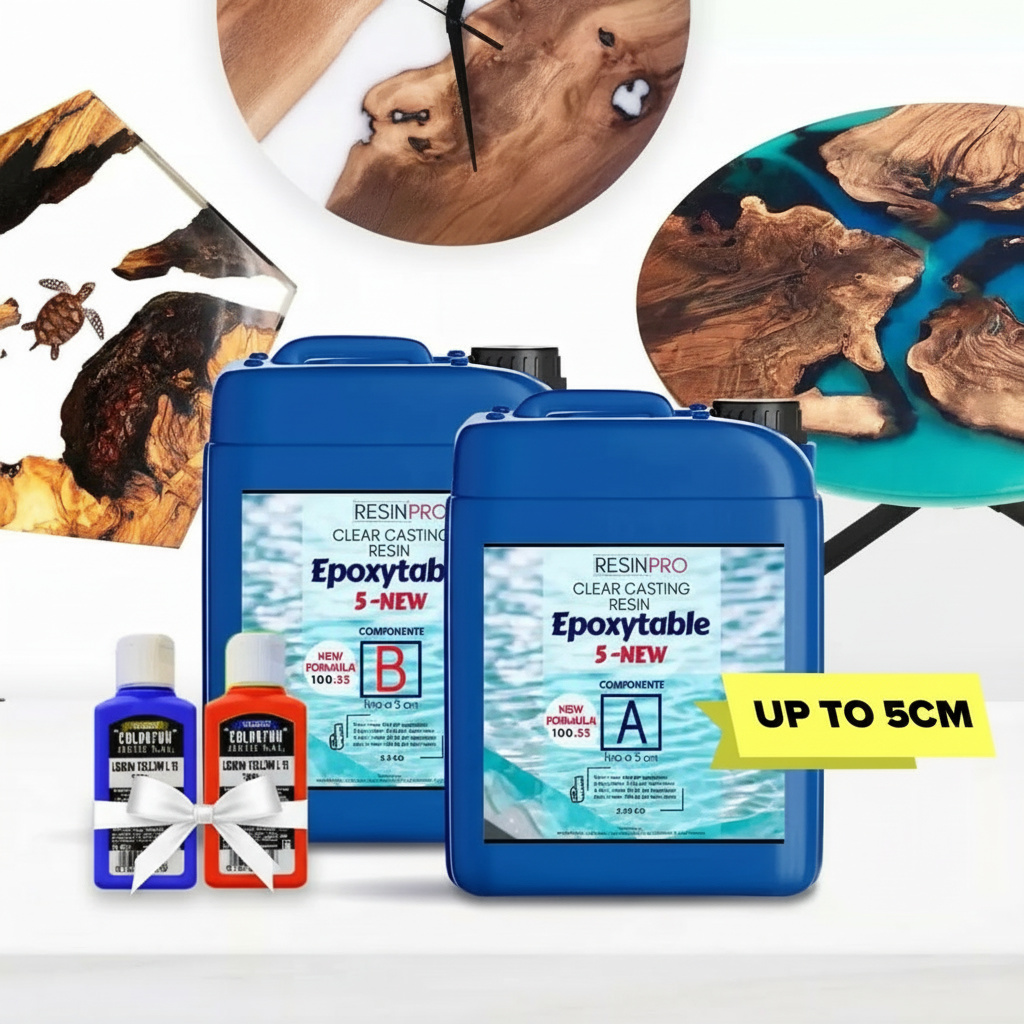





Reducing level differences in the final artifact
To reduce level differences in the final artifact, it is essential to use high-quality self-leveling resins. These resins, thanks to their fluidity and self-leveling capacity, allow for smooth and uniform surfaces, eliminating irregularities and level differences. Before application, make sure the surface is clean, dry, and free from substances that could compromise the adhesion of the resin. It is important to carefully follow the manufacturer's instructions to ensure correct application and leveling of the material. Self-leveling resins are ideal for renovation projects, for the creation of industrial flooring, or for DIY projects that require a perfect and professional finish.
Leveling resin surfaces
Leveling resin surfaces is a fundamental process to achieve quality results. First of all, make sure that the resin has been poured correctly and left to settle. Next, use a notched trowel to spread a specific primer for resins, ensuring optimal adhesion. Once dry, you can proceed with the application of an epoxy putty to fill any imperfections. Once leveled, move on to the sanding phase with fine-grit sandpaper to obtain a smooth and uniform surface. Finally, seal the work with a protective coating for increased durability over time.
Removing air bubbles in epoxy resin
To remove air bubbles in epoxy resin, it is important to follow some fundamental steps:
- Use a well-ventilated environment free from drafts.
- Mix the resin and hardener slowly to prevent the entry of air.
- Use a torch or heat gun to eliminate surface bubbles.
- Use a degreasing agent to remove any grease residues that could cause bubbles.
- Use a vacuum chamber to completely remove air bubbles from the resin.
- Avoid excessive shaking of the resin container to prevent air from entering. By carefully following these instructions, it will be possible to achieve a final result free from air bubbles in the resin.
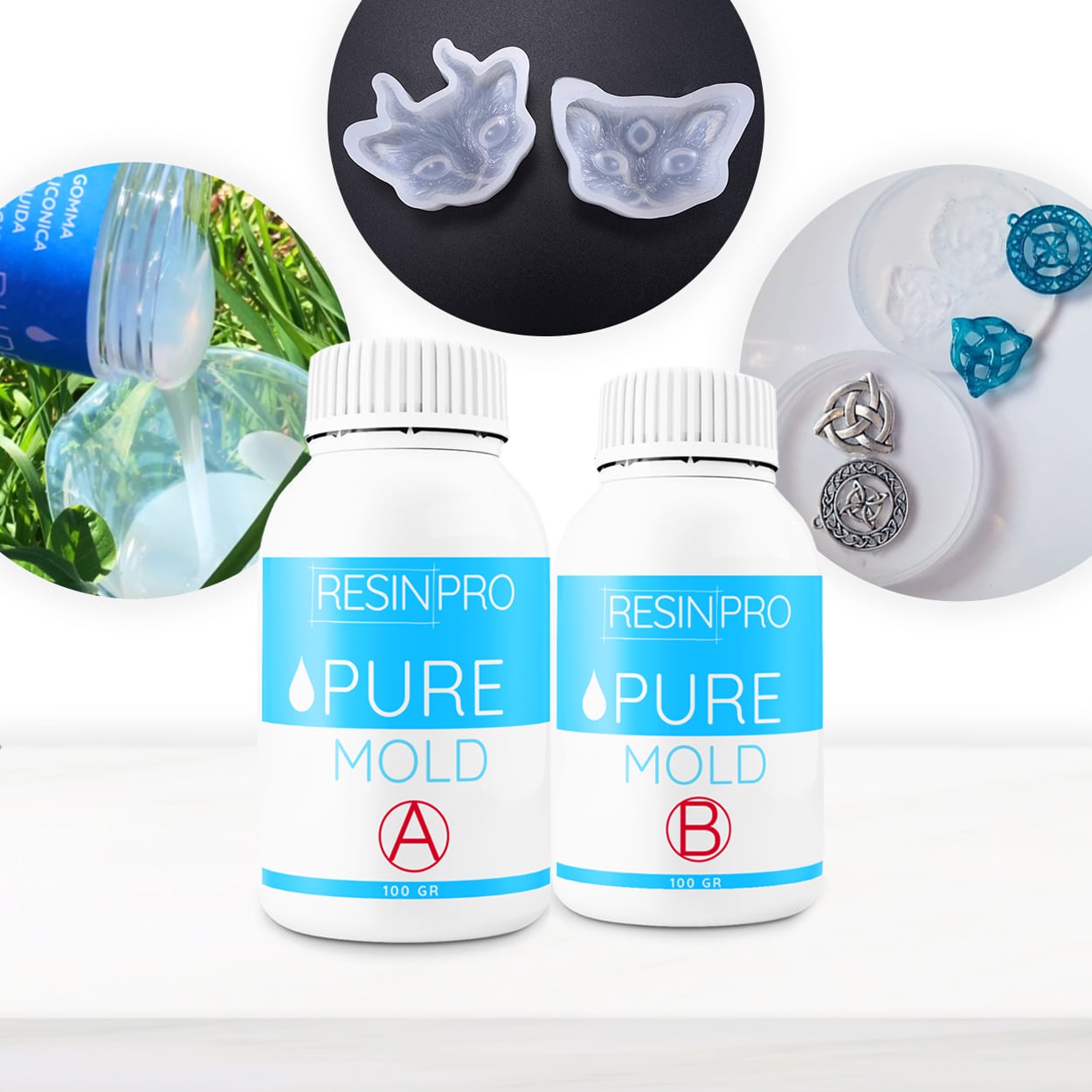
Smoothing silicone molds
To smooth silicone molds, it is advisable to use fine or medium grit sandpaper. Before starting, make sure the mold is clean and dry. Then, gently pass the sandpaper over the silicone surface with circular or straight line movements, depending on the shape of the mold. This process helps to eliminate any imperfections, burrs, or streaks present on the surface. Remember to proceed with caution to avoid damaging the mold and to clean it thoroughly after finishing the smoothing process.
ResinPro: one supplier for all your needs
15 years of experience at your complete disposal, supplying resins and accessories for creativity, industry, DIY, flooring and marine applications.
At your home, directly from the manufacturer!
ResinPro is the direct manufacturer of our resin range for companies and hobbyists, guaranteeing the lowest prices on the market.
Learn more


The widest range of resins in the UK!
We offer resins for every need, from artistic creations to marine and construction applications, far beyond the “limited” selection typically found in local DIY stores.


Expert technical support!
Our technicians provide free remote consulting to help you avoid mistakes and ensure you achieve the result you want — unlike “generic retailers” who sell 1,000 different products.
get a free consultationRESIN PRO is a leader in resin production and distribution!
24-hour delivery: We ship across the UK on the same day. Enjoy convenient home delivery with our appointment service—our courier will contact you in advance and deliver the package to your preferred location, or leave it at an alternative address of your choice.


Full support!
We provide continuous support from preparation to final application, including remote technical assistance, ensuring a smooth experience.
Talk with a specialist and place a phone order without registration and without credit cards!


