 Free shipping on orders over £29,85
  Shipping Tracking!


 Google
 Facebook


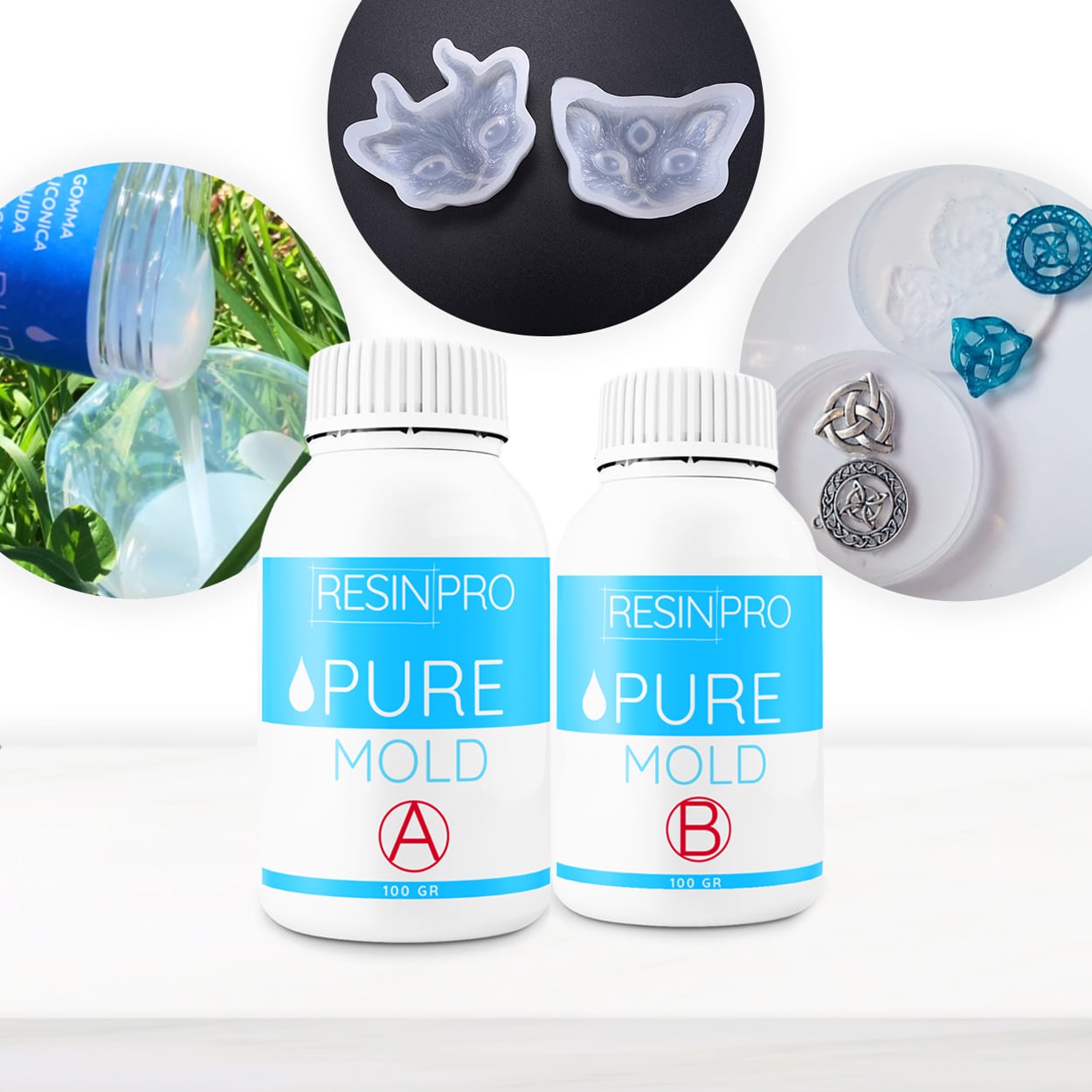

Non-toxic epoxy resin thinner for safe use
The non-toxic epoxy resin thinner is a safe and versatile option for diluting epoxy resins without compromising quality or effectiveness. This type of thinner is designed to be non-toxic, minimizing health risks during use. It is particularly useful in environments with limited ventilation or in projects where greater control over the emission of harmful substances is needed. Before using any epoxy resin thinner, make sure to carefully follow the manufacturer's instructions to ensure optimal results and safety during the processing.
Epoxy resin thinner: how to use it
To properly use epoxy resin thinner, follow these steps:
- Make sure to work in a well-ventilated area and wear the necessary protective clothing.
- Mix the thinner into the epoxy resin following the proportions recommended by the manufacturer.
- Thoroughly stir the mixture to ensure a uniform blend.
- Apply the diluted resin on the desired surface using a brush, roller, or spatula.
- Allow the coating to dry according to the indicated drying times.
- Clean the tools used with turpentine or a specific solvent for epoxy resins. Always remember to follow the manufacturer's instructions to achieve the best results.
Epoxy Resin Pigments 2. Tutorial
Epoxy resin pigments are liquid or powder colorants used to dye and customize epoxy resins. To achieve optimal results, it is important to carefully follow some tutorials. First, mix the pigment with the resin in the right proportion to avoid alterations to the final product. Then, thoroughly blend to obtain a uniform color. It is advisable to add the pigment gradually to adjust the color intensity. Finally, pour the colored resin into the molds and let it cure following the manufacturer's instructions. With a bit of practice and attention to detail, it is possible to create unique and personalized artwork with epoxy resin pigments.
DIY Silicone Molds: 3. Materials
The materials for creating DIY silicone molds can vary depending on the needs and the type of object to be replicated. Here are some common materials used for this purpose:
- Mold Silicone: essential for creating the mold shell, mold silicone is flexible, durable, and suitable for capturing intricate details.
- Epoxy Resin: useful for creating rigid supports for the silicone and for making solid parts inside the mold.
- Catalyst: necessary to induce the polymerization of the silicone and ensure its solidification. Remember to carefully follow the manufacturer's instructions to ensure the correct preparation and effectiveness of your DIY silicone mold.
ResinPro: one supplier for all your needs
15 years of experience at your complete disposal, supplying resins and accessories for creativity, industry, DIY, flooring and marine applications.
At your home, directly from the manufacturer!
ResinPro is the direct manufacturer of our resin range for companies and hobbyists, guaranteeing the lowest prices on the market.
Learn more


The widest range of resins in the UK!
We offer resins for every need, from artistic creations to marine and construction applications, far beyond the “limited” selection typically found in local DIY stores.


Expert technical support!
Our technicians provide free remote consulting to help you avoid mistakes and ensure you achieve the result you want — unlike “generic retailers” who sell 1,000 different products.
get a free consultationRESIN PRO is a leader in resin production and distribution!
24-hour delivery: We ship across the UK on the same day. Enjoy convenient home delivery with our appointment service—our courier will contact you in advance and deliver the package to your preferred location, or leave it at an alternative address of your choice.


Full support!
We provide continuous support from preparation to final application, including remote technical assistance, ensuring a smooth experience.
Talk with a specialist and place a phone order without registration and without credit cards!


