 Free shipping on orders over £29.85
 Shipping Tracking!


 Google
 Facebook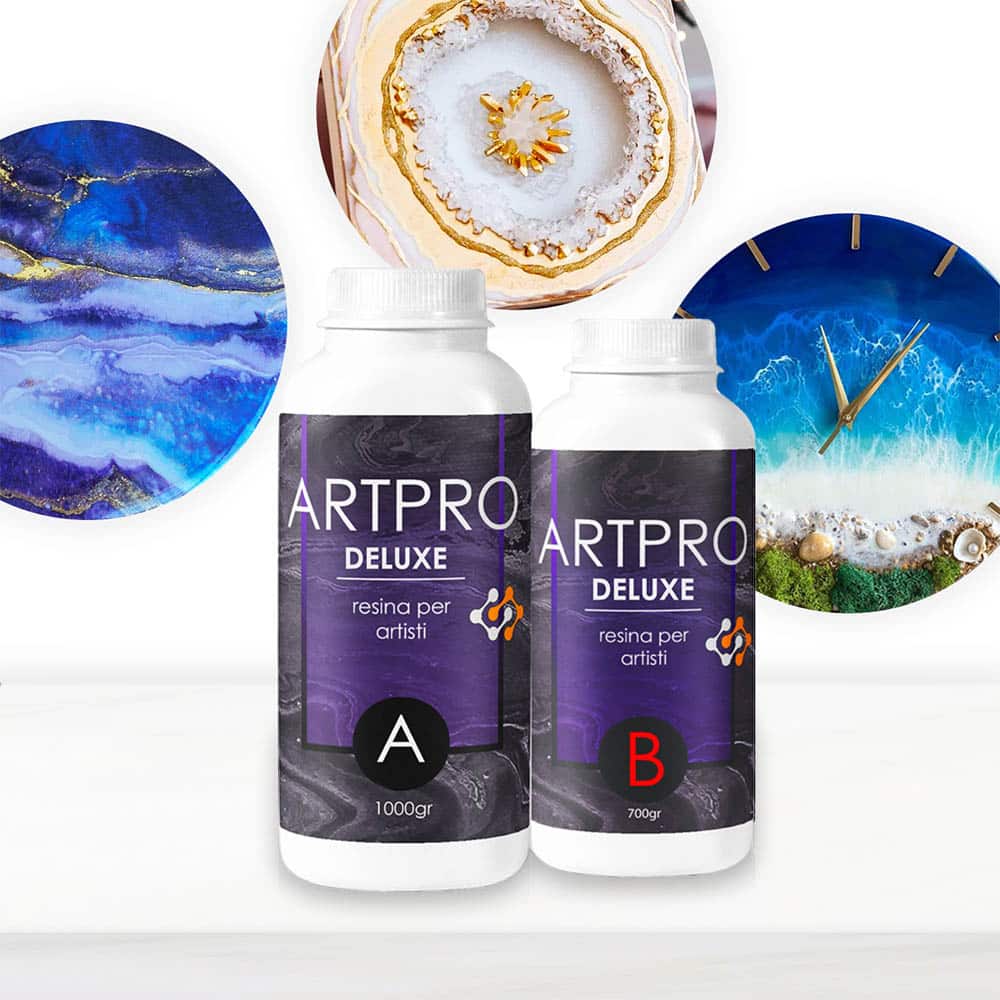

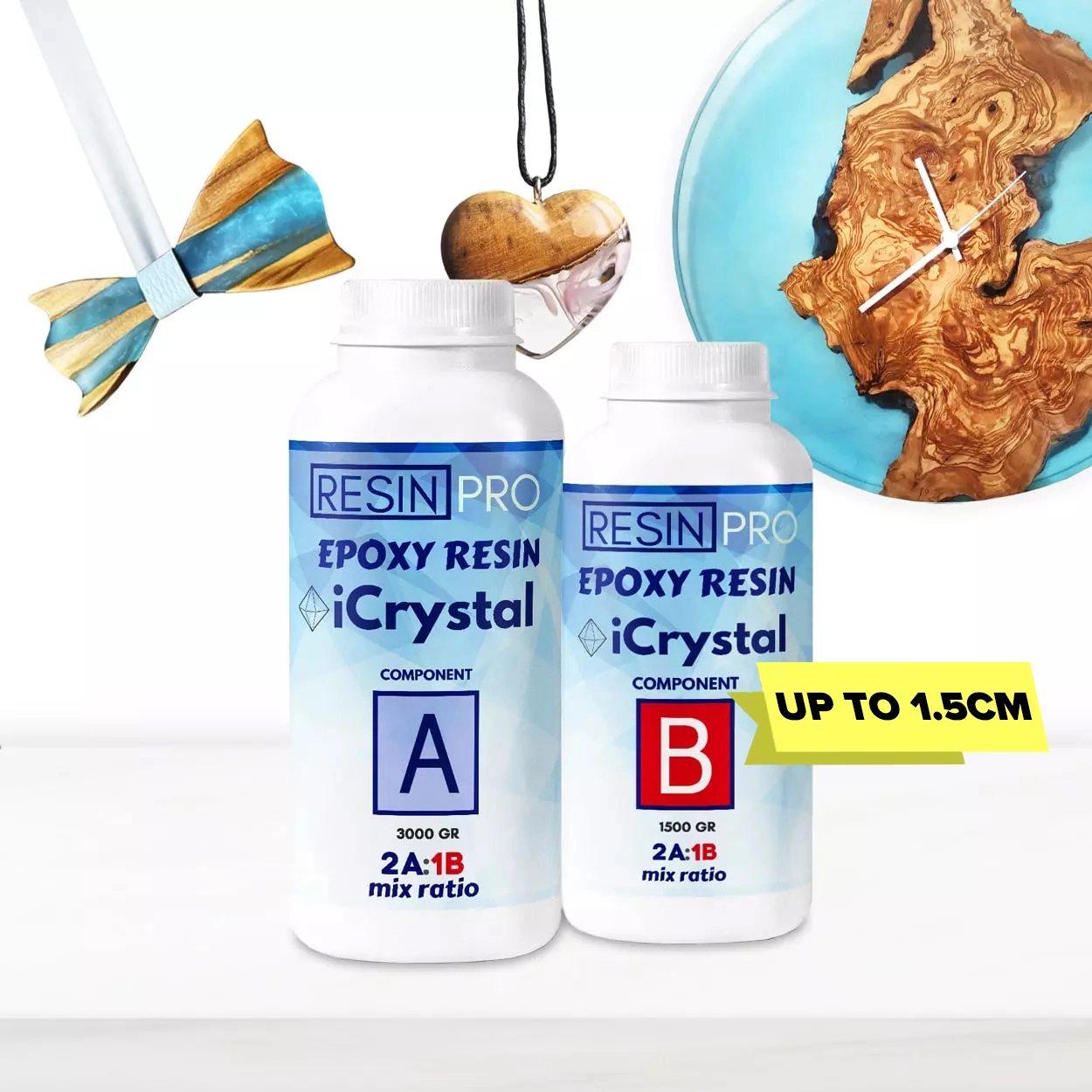
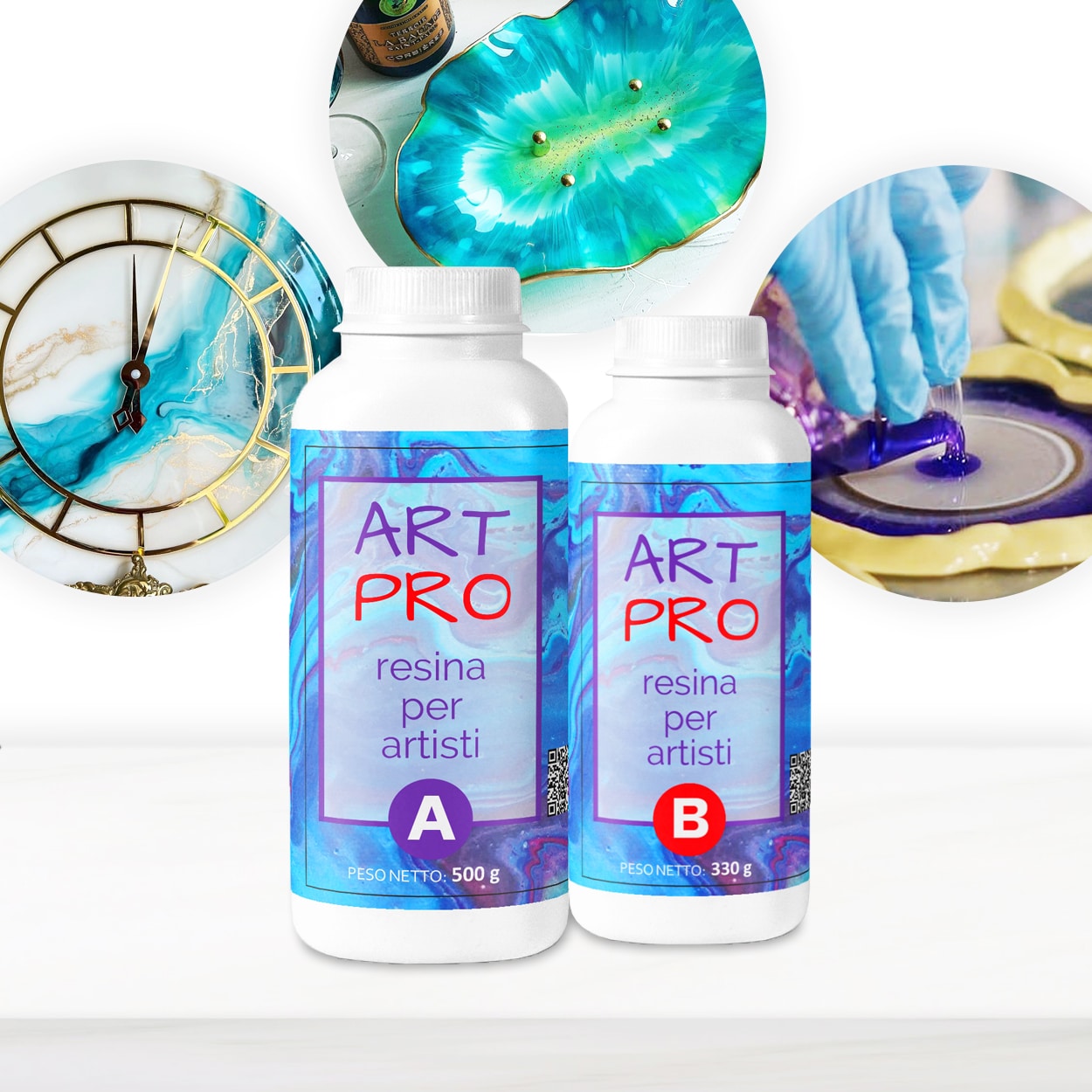


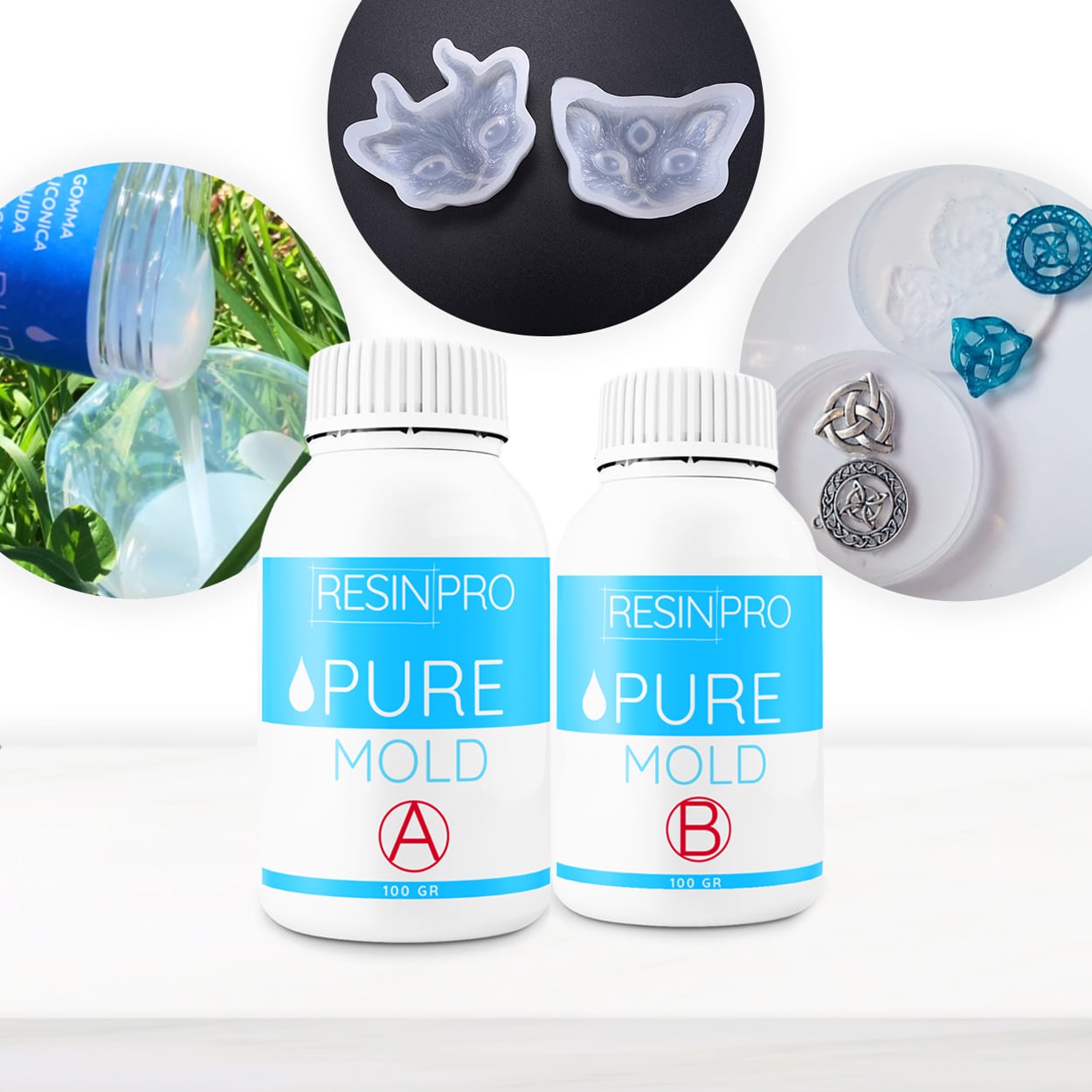

Panel leveling
Panel leveling is a fundamental process in the coating industry. It involves applying materials such as epoxy resins or silicone to ensure a smooth and uniform surface. This procedure is essential to achieve a high-quality finish and prevent defects such as irregularities or discontinuities on the panel surface. Panel leveling is particularly crucial in the DIY sector, where precision and aesthetics are paramount. With specific techniques and suitable materials, optimal and long-lasting results can be achieved.
- Epoxy Resin Leveling
Epoxy resin leveling is a crucial step in the process of laying resin floors. To achieve a smooth and even surface, it is necessary to spread the epoxy resin uniformly across the entire area. This process requires precision and attention to detail to avoid air bubbles or material build-ups. After applying the resin, it is important to level it carefully using smooth spatulas and specific rollers. Proper leveling ensures a uniform and high-quality finish, essential for obtaining a durable and long-lasting floor.
- Silicone Moulding Technique
The silicone moulding technique is a process used to create flexible and durable moulds for various applications. This technique involves the use of silicone resins, which are poured onto a model to capture its details. Once cured, the silicone resin forms a mould that can be reused many times without compromising its precision. These moulds are widely used in the DIY sector for creating jewelry, artistic objects, and much more. Thanks to their flexibility and resistance, silicone moulds allow for the faithful reproduction of every detail of the original model.
- Colored Resin Pigments
Colored pigments for resin are special powders used to dye and color epoxy, polyurethane, or polyester resins. These pigments offer a wide range of bright and intense colors, allowing you to customize and create unique resin artifacts. Before adding the pigment to the liquid resin, it is important to accurately measure the quantities to achieve the desired color. It is recommended to thoroughly mix the pigment into the resin, preferably with a stick or a stirrer, to obtain a uniform color distribution. It is also possible to mix different shades of pigments to create new nuances and chromatic effects.
ResinPro: one supplier for all your needs
15 years of experience at your complete disposal, supplying resins and accessories for creativity, industry, DIY, flooring and marine applications.
At your home, directly from the manufacturer!
ResinPro is the direct manufacturer of our resin range for companies and hobbyists, guaranteeing the lowest prices on the market.
Learn more


The widest range of resins in the UK!
We offer resins for every need, from artistic creations to marine and construction applications, far beyond the “limited” selection typically found in local DIY stores.


Expert technical support!
Our technicians provide free remote consulting to help you avoid mistakes and ensure you achieve the result you want — unlike “generic retailers” who sell 1,000 different products.
get a free consultationRESIN PRO is a leader in resin production and distribution!
24-hour delivery: We ship across the UK on the same day. Enjoy convenient home delivery with our appointment service—our courier will contact you in advance and deliver the package to your preferred location, or leave it at an alternative address of your choice.


Full support!
We provide continuous support from preparation to final application, including remote technical assistance, ensuring a smooth experience.
Talk with a specialist and place a phone order without registration and without credit cards!


