 Free shipping on orders over £29,85
  Shipping Tracking!


 Google
 Facebook
Must wooden boards be treated before embedding them in resin?
A detailed guide to wooden board preparation for resin projects
If you’re considering an epoxy resin project with wooden boards, the question of pre-treatment is vital. Wooden surfaces—whether raw, engineered, or decorative—can react differently when in contact with resin. Understanding whether treatment is necessary ensures professional results, maximises adhesion, and helps prevent issues like moisture trapping or resin bleed. On this page, you’ll find out how to best prepare your wooden boards and discover top-rated ResinPro products that support a flawless resin-wood bond.
Why Pre-Treatment Matters for Wooden Boards
Wood is a naturally porous and sometimes unpredictable material. Before embedding wooden boards in resin, it’s important to consider moisture content, porosity, and surface stability. Untreated or inadequately prepared wood can absorb resin unevenly, release air bubbles, or even warp over time. Pre-treatment with the right products not only enhances waterproofing and durability but also prepares wood for a seamless bond with epoxy resins.
Comparison Overview: Core Products for Wood Preparation and Resin Projects
Let’s compare common solutions and where they fit within your crafting workflow:
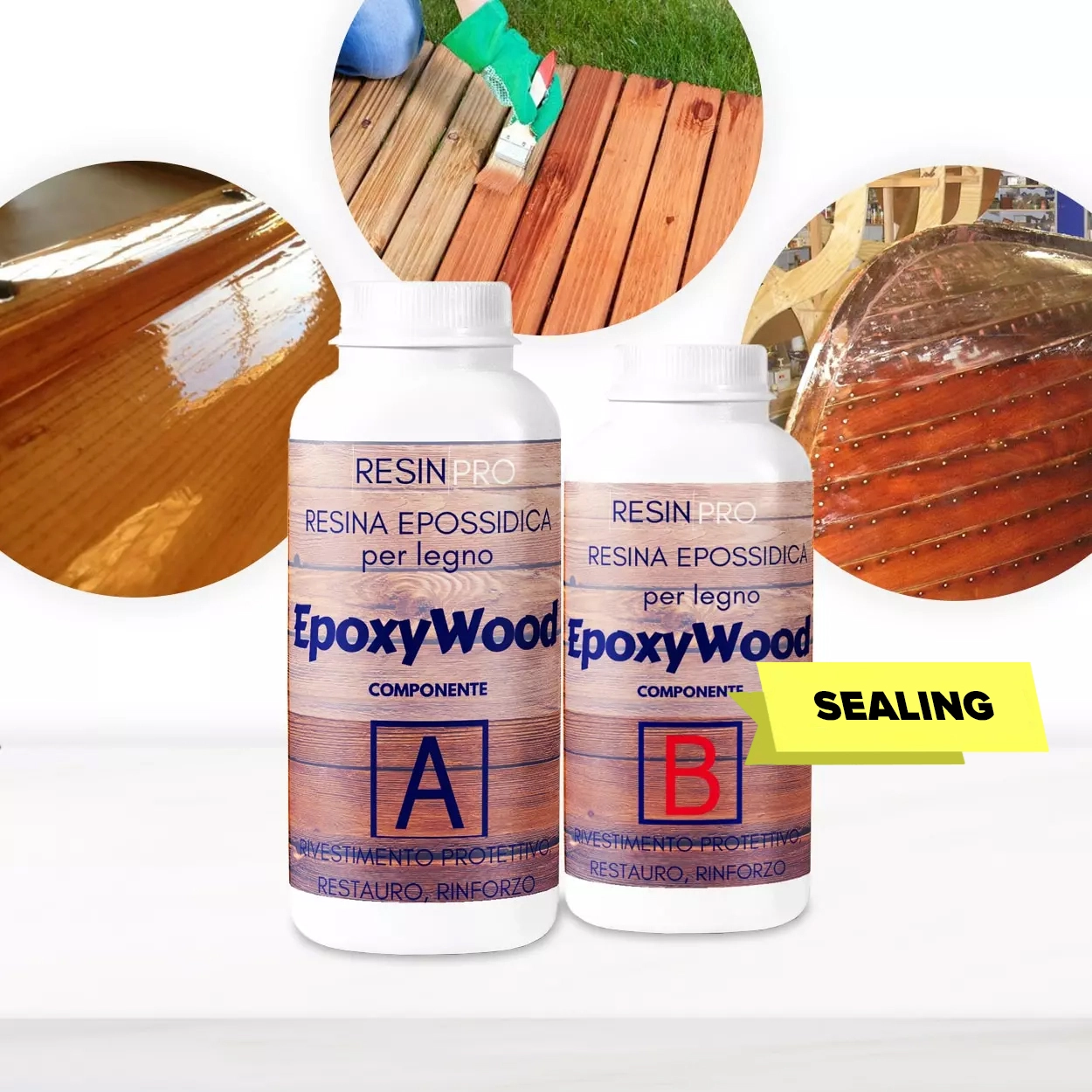
- “EpoxyWood” – Wood Restoration Epoxy Resin for Deep Penetration and Waterproofing offers Waterproofing, Reinforcement, and an Aesthetic Finish thanks to its deep, straw-yellow tint and ultra-low viscosity. It’s particularly suitable for restoring, sealing, and strengthening wooden surfaces prior to embedding in resin art and furniture projects.
- Pure Isopropyl Alcohol 99.9% – 1000ml Bottle for Epoxy Resin Projects & DIY is invaluable for Bubble Removal on resin surfaces, as well as degreasing and preparing both resin and wooden bases for application.
- For your crafting base, the MDF Board Base for Epoxy Resin Table and Art Projects is a reliable, stable platform—ideal for MDF lovers looking for a strong yet untreated foundation.
- The “Geode O” – Large Wooden Board Table Base for Epoxy Resin Projects – 90x60cm or 120x80cm is specifically designed for artisans seeking a robust wood base for striking resin artwork or tabletops, available in two generous sizes.
- Wooden Tray for Epoxy Resin Art Projects – Customisable Craft Surface provides a natural wood finish, ideal for showcasing stunning resin effects in home décor or event pieces.
- For surface preparation and a glass-smooth finish, “Ebonite Abralon” – Sanding Pads 360-4000 Grit for Resin and Wood are essential—perfect for smoothing and refining both wood and resin between each project step.

See Exactly How Pre-Treatment Makes a Difference
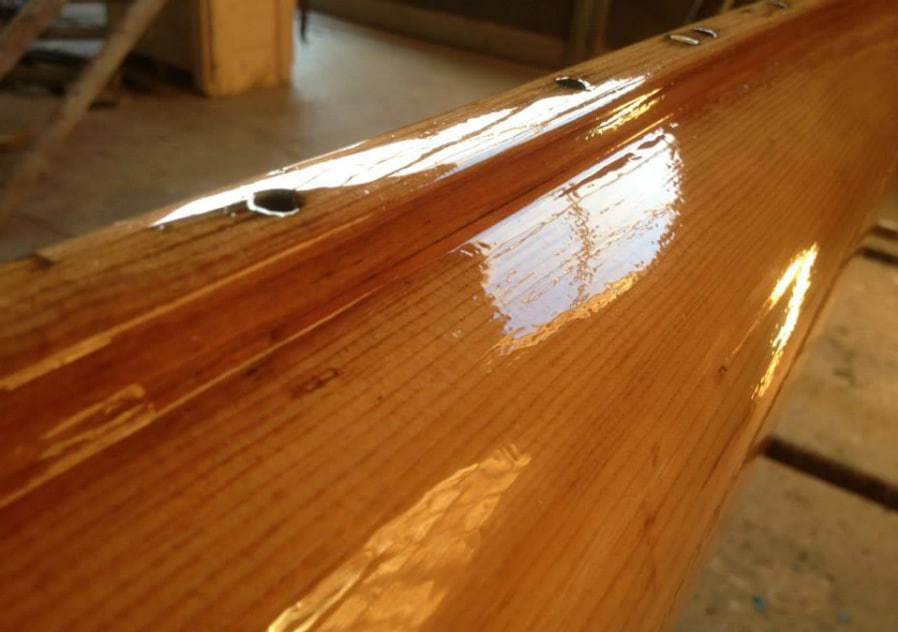
Discover the visible contrast between unsealed and properly sealed wood before embedding in resin. Notice how pre-treated surfaces provide stability and clarity compared to untreated boards where bubbles and wood discolouration may occur.
Our product range, including “EpoxyWood” and “Ebonite Abralon” sanding pads, empowers you to achieve the highest-quality resin-wood finishes every time.
Step-by-Step: Preparing Wooden Boards for Resin Applications
The recommended workflow for preparing wood before embedding in resin typically involves the following steps:
- Drying:Ensure your wooden board is properly dried to eliminate trapped moisture. Excess moisture can adversely react with resin, causing bubbles or weak adhesion.
- Sanding: Use “Ebonite Abralon” – Sanding Pads to achieve a smooth, consistent surface across your board—this improves resin flow and adhesion. Gradually increase grit from coarse to fine to eliminate major imperfections.
- Cleaning: Remove all sanding dust and surface contaminants using Pure Isopropyl Alcohol 99.9%. This step is crucial for preventing dust inclusions in your resin finish.
- Sealing:If long-term durability, maximum waterproofing, and structural reinforcement are desired, apply “EpoxyWood”. Designed with ultra-low viscosity, it deeply penetrates and seals the wood, providing a reliable barrier for resin embedding. Let it cure thoroughly before proceeding to add the main resin layer.
By following this process, you substantially reduce the risk of common resin issues—ensuring a vibrant, lasting finish for your wood and resin projects.
Choosing the Right Boards and Bases for Resin Projects
Not all projects require traditional pre-treatment. Selecting the right base or decorative tray can be just as important as preparation. For beginners or those wanting to skip complex treatment steps, pre-shaped structures like the MDF Board Base for Epoxy Resin Table and Art Projects or the “Geode O” – Large Wooden Board Table Base for Epoxy Resin Projects offer stability out of the box. MDF offers a consistent, non-warping foundation, while high-quality wood bases let you create dramatic, natural effects—especially when personalised with Wooden Tray for Epoxy Resin Art Projects – Customisable Craft Surface.
Ultimately, user preference, the intended aesthetic, and environmental factors (such as humidity) will influence whether you treat your boards. While MDF and quality wood bases often perform well untreated, natural wood or reclaimed timber nearly always benefits from sealing with “EpoxyWood” to avoid issues such as moisture ingress or air bubble formation.
From Base Preparation to Final Polish: Real-World Project Inspiration
Explore how expert makers use MDF Board Base and customisable wooden trays with clear resin layers and artful tints. Your creativity knows no bounds when you choose the right starting materials and follow best practices for preparation with ResinPro tools.
Expert Tips for Perfect Resin Finishes on Wood
Achieving a flawless resin finish also involves post-application techniques. Small air bubbles can arise after pouring, especially over textured or imperfect wood. Spritzing the surface lightly with Pure Isopropyl Alcohol 99.9% instantly removes these bubbles and can enhance surface clarity. For advanced sheen and refined surface smoothness, step up polishing with “Ebonite Abralon” Sanding Pads, working through finer grits until the finish perfectly matches your creative vision.
Whether you’re sealing salvaged timber, preparing an MDF base, or constructing colourful trays, ResinPro offers specialist solutions to cover every part of the process. Explore our full range, including dedicated multipurpose epoxy resins, specialist bases for tables and creative sanding and polishing tools.
- "EpoxyWood" – Wood Restoration Epoxy Resin for Deep Penetration and WaterproofingOriginal price was: £64.00.£39.85Current price is: £39.85."EpoxyWood" is designed for repairing and protecting wooden surfaces with a penetrating, waterproof finish suitable for wood restoration.
- Pure Isopropyl Alcohol 99.9% – 1000ml Bottle for Epoxy Resin Projects & DIYPrice range: £9.85 through £19.85Pure Isopropyl Alcohol 99.9% is suitable for epoxy resin projects to assist with bubble removal and effects under the theme Must wooden boards be…
- MDF Board Base for Epoxy Resin Table and Art ProjectsOriginal price was: £25.00.£17.85Current price is: £17.85.Stable MDF base designed for various resin techniques, suitable for artists, DIY enthusiasts, and beginners.
 "Geode O" – Large Wooden Board Table Base for Epoxy Resin Projects – 90x60cm or 120x80cmThe Geode O Big is a sturdy wooden base suitable for epoxy resin projects, designed to support various creative applications.
 Wooden Tray for Epoxy Resin Art Projects – Customisable Craft SurfaceOriginal price was: £6.90.£4.85Current price is: £4.85.The Customisable Wooden Tray offers a natural wood finish suitable for epoxy resin projects and versatile uses under this theme.
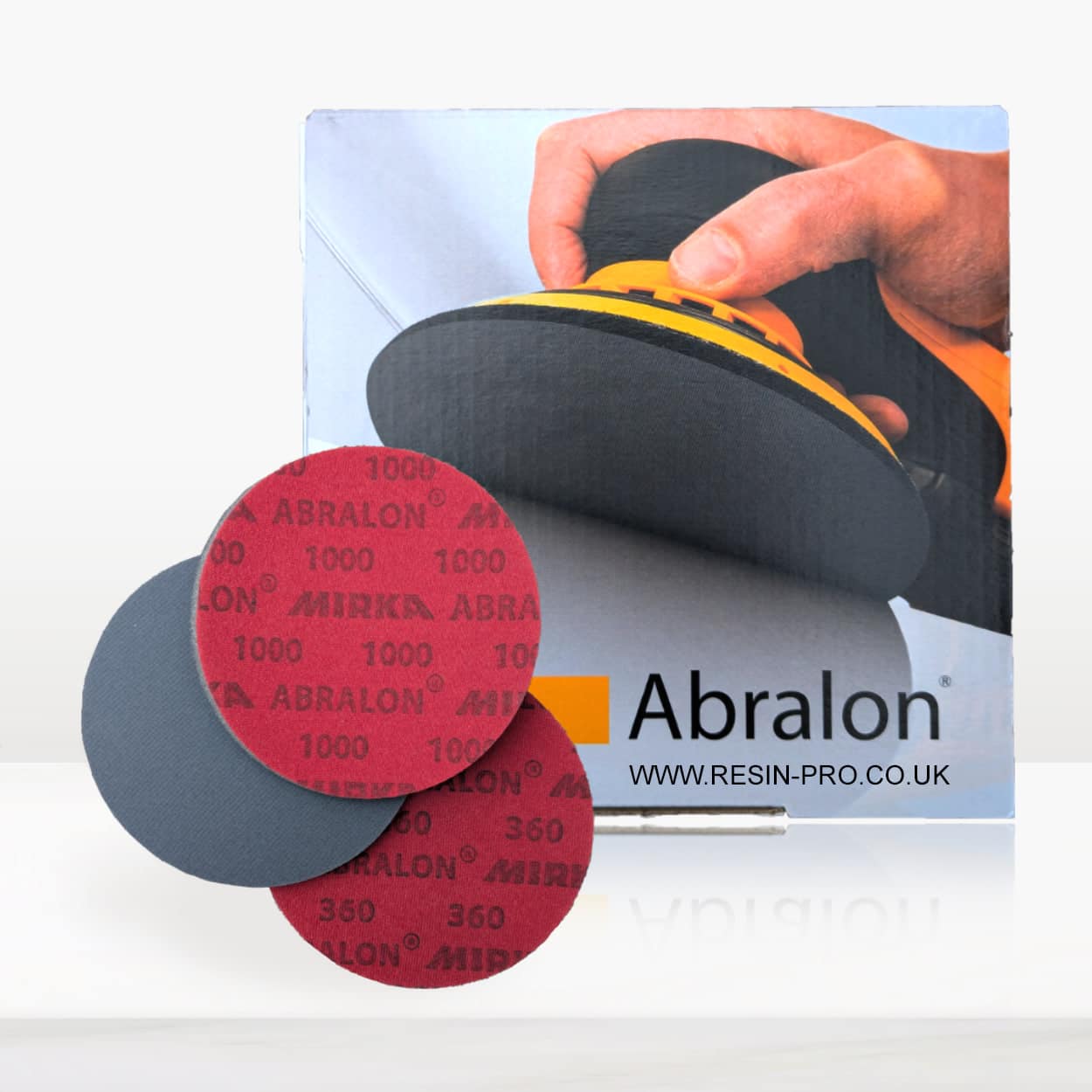 "Ebonite Abralon" – Sanding Pads 360-4000 Grit for Resin and Wood£3.95"Ebonite Abralon" sanding pads are designed for precise polishing of resin and wood surfaces with versatile grit options.
Frequently Asked Questions
Do wooden boards always need to be treated before embedding in resin?
Not always. While treatment is highly recommended for natural or reclaimed wood to avoid moisture issues and ensure proper adhesion, products like MDF board bases are often designed for direct resin application without special treatment. For optimal results and protection, especially for surfaces exposed to moisture, sealing with a product such as "EpoxyWood" is strongly advised.
What is the best method to treat wood before resin embedding?
For maximum protection and bond strength, allow the wood to dry thoroughly, sand with versatile pads like "Ebonite Abralon", and then seal with "EpoxyWood". Clean the surface with Pure Isopropyl Alcohol before embedding in resin.
Can I use an MDF board as a resin base without sealing?
The MDF Board Base for Epoxy Resin Table and Art Projects is ready for direct use with resin in many cases. However, if your project will be exposed to moisture or frequent handling, additional sealing may be beneficial.
How does Pure Isopropyl Alcohol help during resin work?
It eliminates air bubbles from wet resin surfaces and cleans off dust and grease—both crucial for professional, bubble-free, and clear resin art results.
Are special tools required for sanding wood before resin application?
While "Ebonite Abralon" sanding pads can be used by hand, the best and most consistent results are achieved using rotary polishers or hand pad holders designed for detailed work.
Does the "Geode O" Large Wooden Board need to be pre-treated?
This wooden base is crafted for resin compatibility but does not require specific pre-treatment. The decision depends on your desired finish and the project’s environment.
Can custom trays and bases enhance resin projects?
Absolutely. Wooden trays and bases, such as the Customisable Wooden Tray for Epoxy Resin Art Projects, let you showcase unique resin effects and décor styles.
Which resin is suitable for outdoor wood restoration?
"EpoxyWood" is specifically formulated to seal, reinforce, and provide waterproofing for exterior wood surfaces, making it ideal for such restorations.