 Free shipping on orders over £29,85
  Shipping Tracking!


 Google
 Facebook
How to apply hooks to resin creations?
A complete guide for flawless resin jewellery assembly


Attaching hooks to your resin pieces transforms simple shapes into stunning, wearable works of art. This guide covers all you need to securely fix hooks to resin creations, whether you’re making earrings, pendants, or charms. Perfect for those looking to ensure durability, safety, and a polished finish in their handmade jewellery.
What You’ll Need
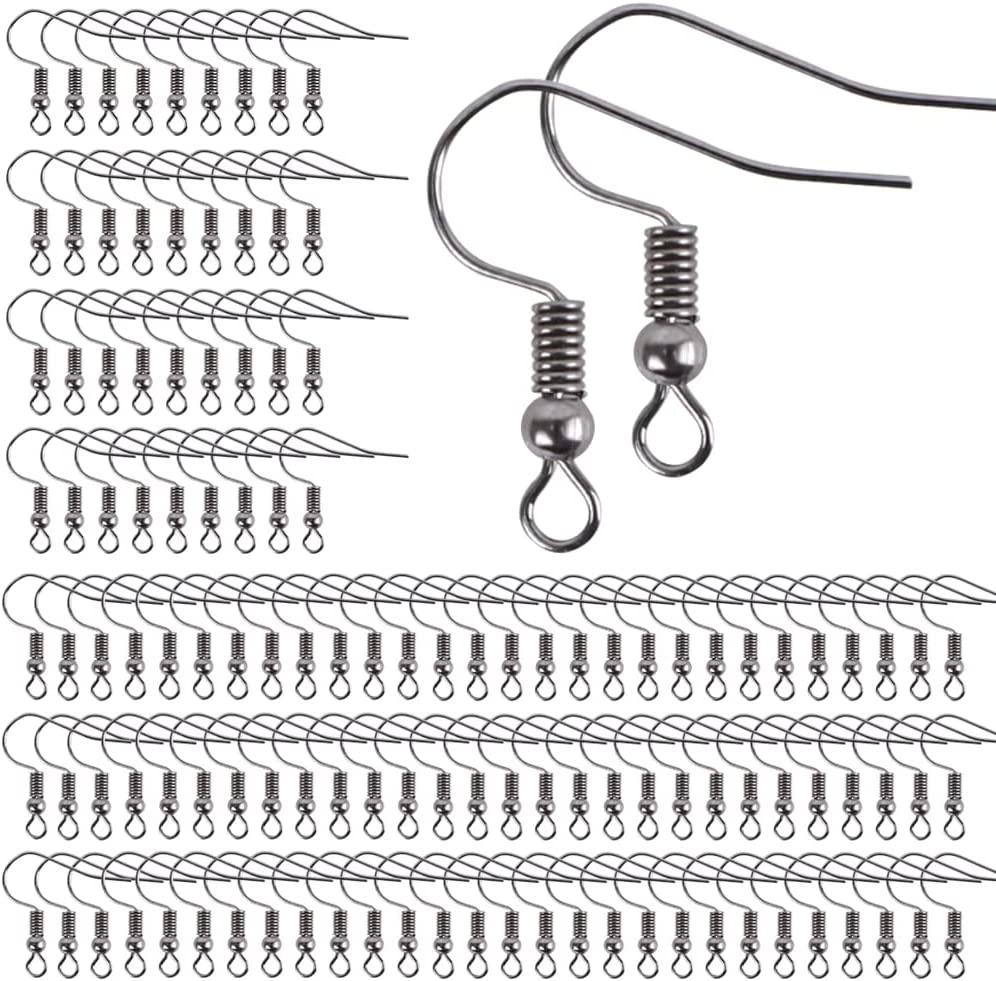
- Stainless Steel Earring Hooks for Jewellery Making – Lead & Nickel Free – durable, safe hooks for sensitive skin
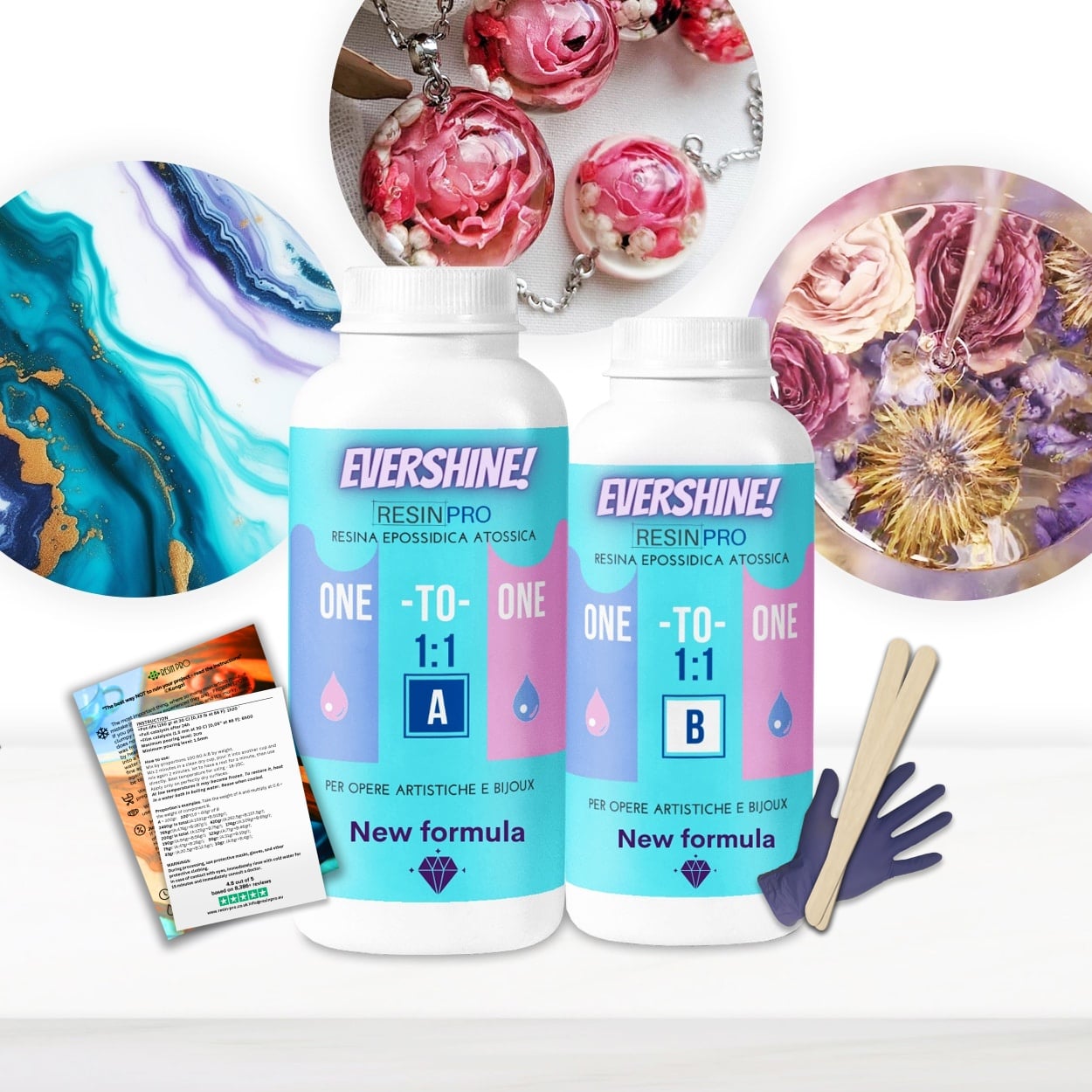
- “Evershine Collection” – Artisan Jewellery Epoxy Resin Kit with 100+ Accessories – includes resin, pigments, accessories, and a mini drill
- “One-2-One” – Epoxy Resin for Handcraft, 1:1 Mixing Ratio – versatile epoxy for clear, strong resin pieces
- “ICreation” – Fast Epoxy Resin, 6h Demoulding, Transparent Gloss Finish – for quicker curing projects
Essential Tools and Materials for Resin Hook Application
Selecting high-quality tools—like a mini precision drill and stainless steel hooks—will make the process smoother and more reliable. Using an all-in-one kit, such as the Evershine Collection, helps streamline your setup and ensures you have compatible accessories ready to go.
Step 1: Prepare and Cure Your Resin Pieces
The foundation of secure hook attachment is a fully cured, robust resin shape. Begin by ensuring your resin pieces are completely set and hardened according to the manufacturer’s instructions. Rushing this step can cause warping or breakage when drilling.
Depending on your workflow, you may choose a traditional resin or a fast-curing version. Always demould with care and check the edges for smoothness. Sand any sharp surfaces lightly once fully cured for a professional result.

"Evershine Collection" – Artisan Jewellery Epoxy Resin Kit with 100+ Accessories
Complete epoxy resin kit designed for jewellery making with easy 1:1 mixing and various accessories included.
Step 2: Drill a Precise Hole
To attach a hook, you need a neat, clean hole in your cured resin. Mark the spot where you want the hook to sit—typically at the top centre for pendants or earrings. Secure the resin piece gently on a soft cloth to prevent slipping.
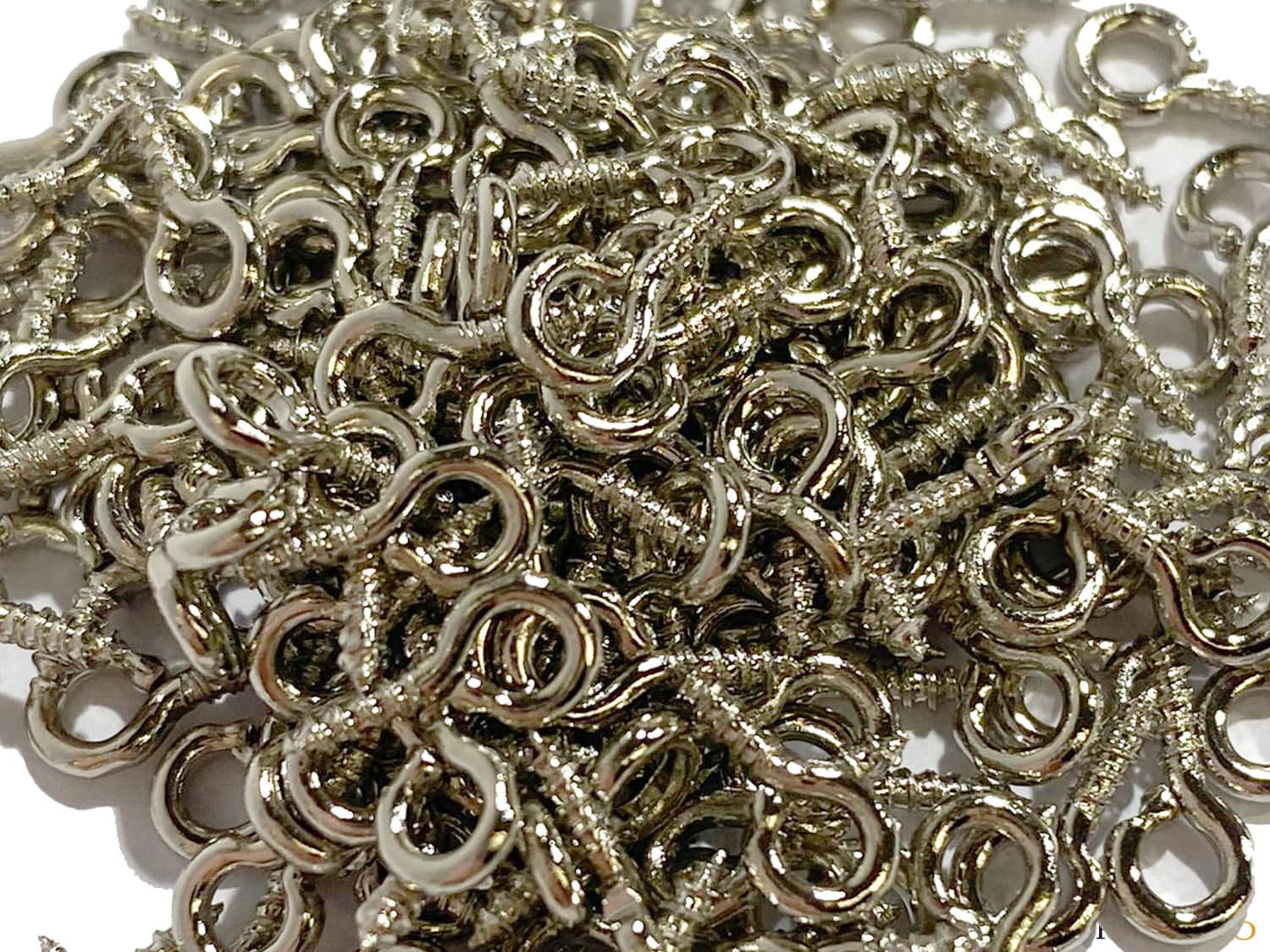
Use a precision drill for small, neat holes to avoid cracking delicate resin edges. The “Evershine Collection” – Artisan Jewellery Epoxy Resin Kit with 100+ Accessories includes a mini precision drill perfectly suited for this step, allowing accurate, fuss-free drilling even in tiny pieces.
Step 3: Attach the Hook Securely
Once your hole is ready, use fine pliers to open the eyelet of your chosen hook. Choose hooks that are lead and nickel-free for comfortable, skin-safe wear; Stainless Steel Earring Hooks for Jewellery Making – Lead & Nickel Free are an excellent option.
Insert the hook’s eyelet fully through the hole and gently close it until the hook sits flush against the resin. If the fit is loose, you can use a tiny drop of strong, clear-drying glue for extra security. Avoid over-tightening, as this may chip the resin.
"One-2-One" – Epoxy Resin for Handcraft, 1:1 Mixing Ratio
Medium viscosity epoxy resin for handcraft with easy 1:1 volume mixing, suitable for beginners and experienced crafters.
Step 4: Check Finish and Durability
Before completing your piece, test that the hook is firmly attached and rotates freely if needed. Look out for rough edges or excess adhesive. A professional finish not only enhances appearance but also prolongs lifespan and wearability.
For best results, clean the resin gently with a soft cloth and store the finished item away from excessive humidity or sunlight, which may affect the clarity or colour over time.
Tips and Troubleshooting for Hook Application
Always allow resin pieces to fully cure before drilling—premature handling can cause cracks or ragged holes. If resin chips at the hole, a gentle approach and slow drilling speed can help.
If hooks seem loose after attachment, carefully add a small amount of clear glue inside the hole before inserting the hook. For best safety and comfort, opt for allergy-friendly materials, and periodically check the piece for wear if it will be used frequently.
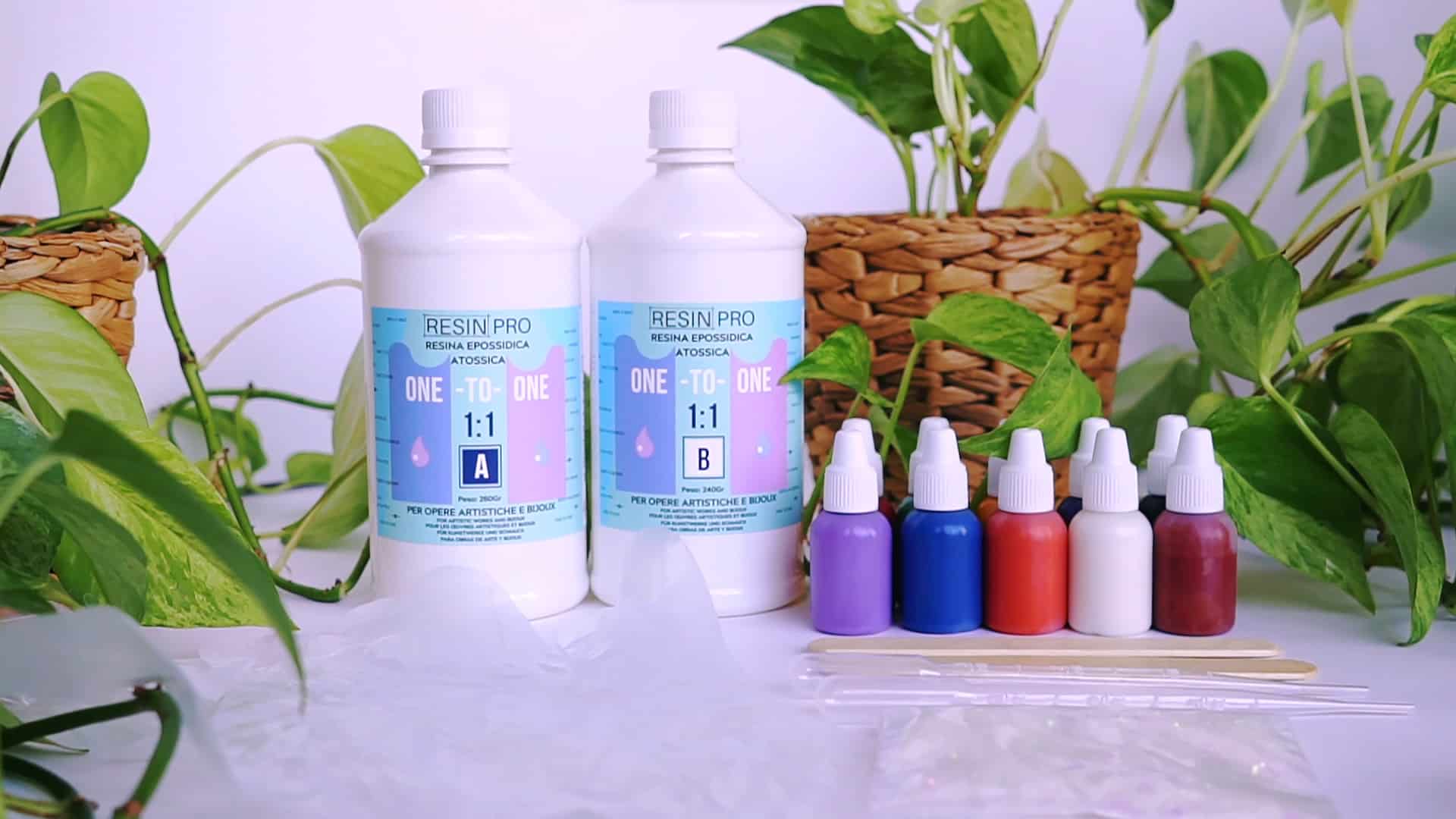
"One-2-One" – Epoxy Resin for Handcraft, 1:1 Mixing Ratio
Medium viscosity epoxy resin for handcraft with easy 1:1 volume mixing, suitable for beginners and experienced crafters.
Expert Advice for Professional Jewellery
Finishing touches elevate your resin jewellery. Take time to remove sharp edges, check hook stability, and use skin-safe, allergy-friendly components for superior comfort and longevity. If you sell your creations, let customers know your hooks are lead and nickel-free for added appeal.
- Stainless Steel Earring Hooks for Jewellery Making – Lead & Nickel Free£7.85Stainless Steel Earring Hooks are designed for jewellery making with durable, lead and nickel-free materials suitable for DIY and sensitive skin.
- "Evershine Collection" – Artisan Jewellery Epoxy Resin Kit with 100+ Accessories£20.85An all-in-one epoxy resin jewellery kit suitable for starters and experienced crafters seeking a complete set with high-transparency resin and…
- "One-2-One" – Epoxy Resin for Handcraft, 1:1 Mixing RatioPrice range: £14.85 through £56.85"One-2-One" epoxy resin is a medium viscosity, non-toxic option with a simple 1:1 mixing ratio suited for decorative resin crafts.
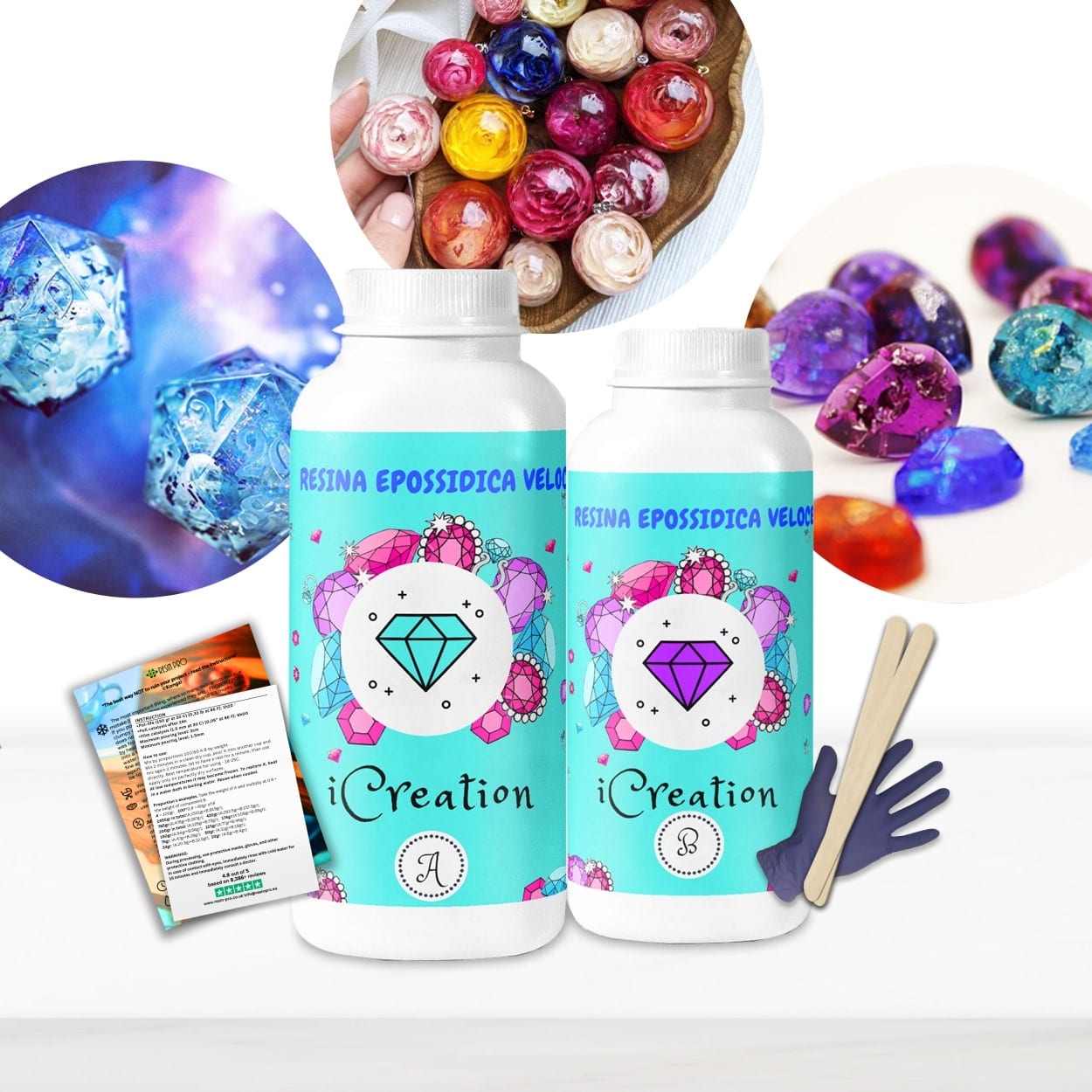 "ICreation" – Fast Epoxy Resin, 6h Demoulding, Transparent Gloss FinishPrice range: £19.40 through £52.85"ICreation" fast epoxy resin provides a transparent, glossy, self-levelling finish with a 6-hour demoulding time, suited for rapid craft projects.
Frequently Asked Questions
What is the best way to create a hole for a hook in resin?
Use a mini precision drill for small holes with minimal risk of damaging the resin. Drill slowly, and always work with fully cured resin for a neat result.
Can I use glue to secure the hook to the resin?
While the hook should fit securely in a properly drilled hole, a small dot of clear, strong adhesive can provide extra stability, especially for heavier pieces.
How long should I wait before attaching hooks to cured resin?
Wait until the resin has fully cured, as recommended by the manufacturer—typically 12 to 24 hours for fast-curing formulas and up to 48 hours for standard resins.
What type of hooks are safest for jewellery?
Opt for hooks made from lead and nickel-free stainless steel. They minimise skin irritation and are suitable for sensitive wearers.
What if my resin cracks while drilling?
Cracking is often due to uncured or thin resin. Ensure full cure, use gentle pressure, and consider using a sharp, fine drill bit to reduce stress on the piece.
Can I apply hooks to any shape or thickness of resin?
Most resin shapes can accommodate a small hook, but very thin or narrow pieces may require extra care to prevent splitting at the edge.