 Free shipping on orders over £29,85
  Shipping Tracking!


 Google
 Facebook
How to dry resin?
Expert guide for fast curing and flawless resin finishing
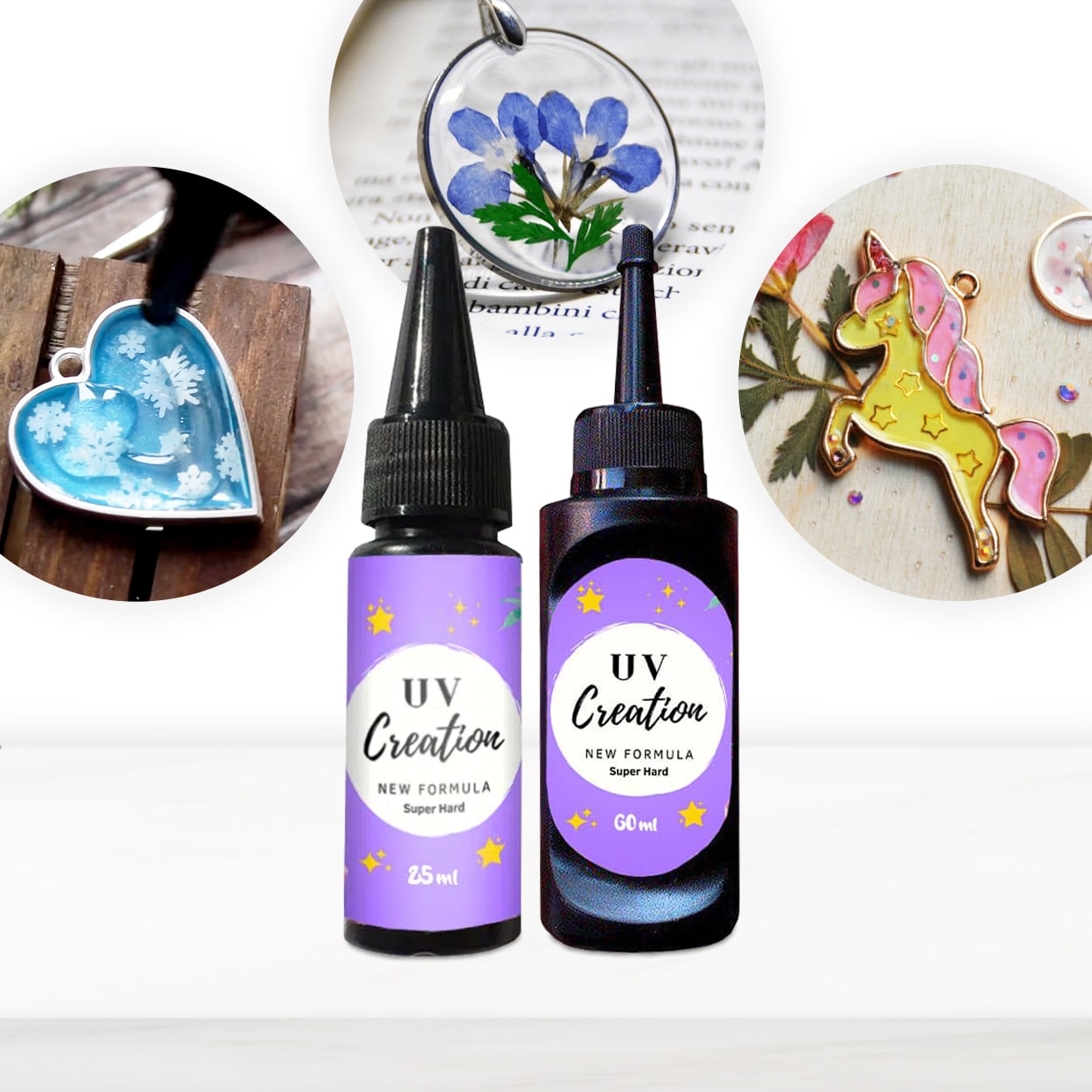
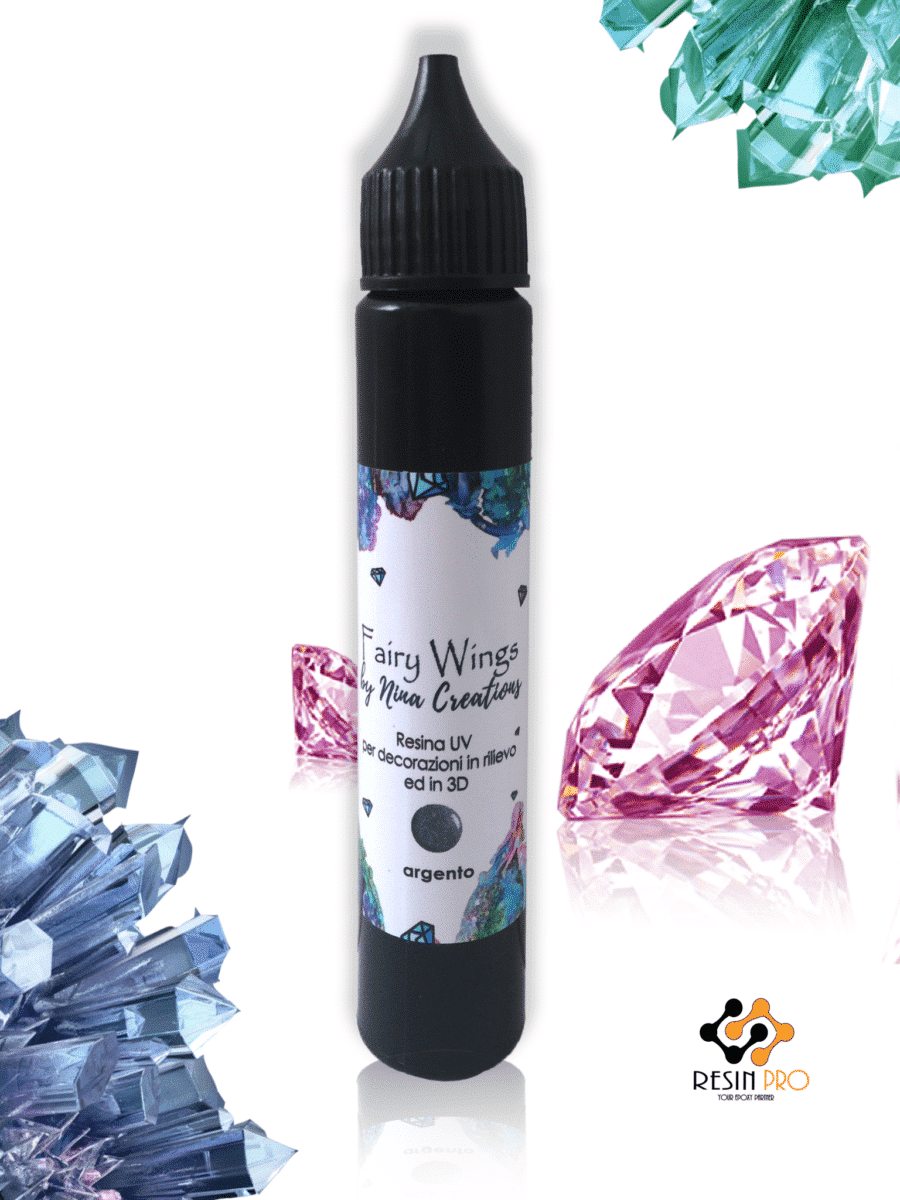
Drying or curing resin is a crucial step in any craft, art, or finishing project. Whether working with jewellery, 3D prints, or decorative elements, understanding how to set resin efficiently and avoid common pitfalls ensures durable, clear, and professional results. This guide walks you through the best approaches to drying both UV and epoxy resins, so you can achieve speedy curing times, bubble-free finishes, and preserve intricate details without risking damage.
What You’ll Need
- “UV–Creation” – Fast Acrylic Resin, 3 Minute UV Cure: A fast-curing UV resin suitable for jewellery and crafts
- “Fairy Wings” – UV Resin for Volumetric Reliefs, Dual Colour, 30ml: For fine reliefs and detailed decorative work
- Gas Heat Gun for Epoxy Resin – Precision Tool for Bubble Removal and Finishing: To assist in bubble removal during epoxy resin projects
- “3D Finish” – Fast Coating Epoxy Resin for 3D Prints: For quick, durable coating on 3D printed models
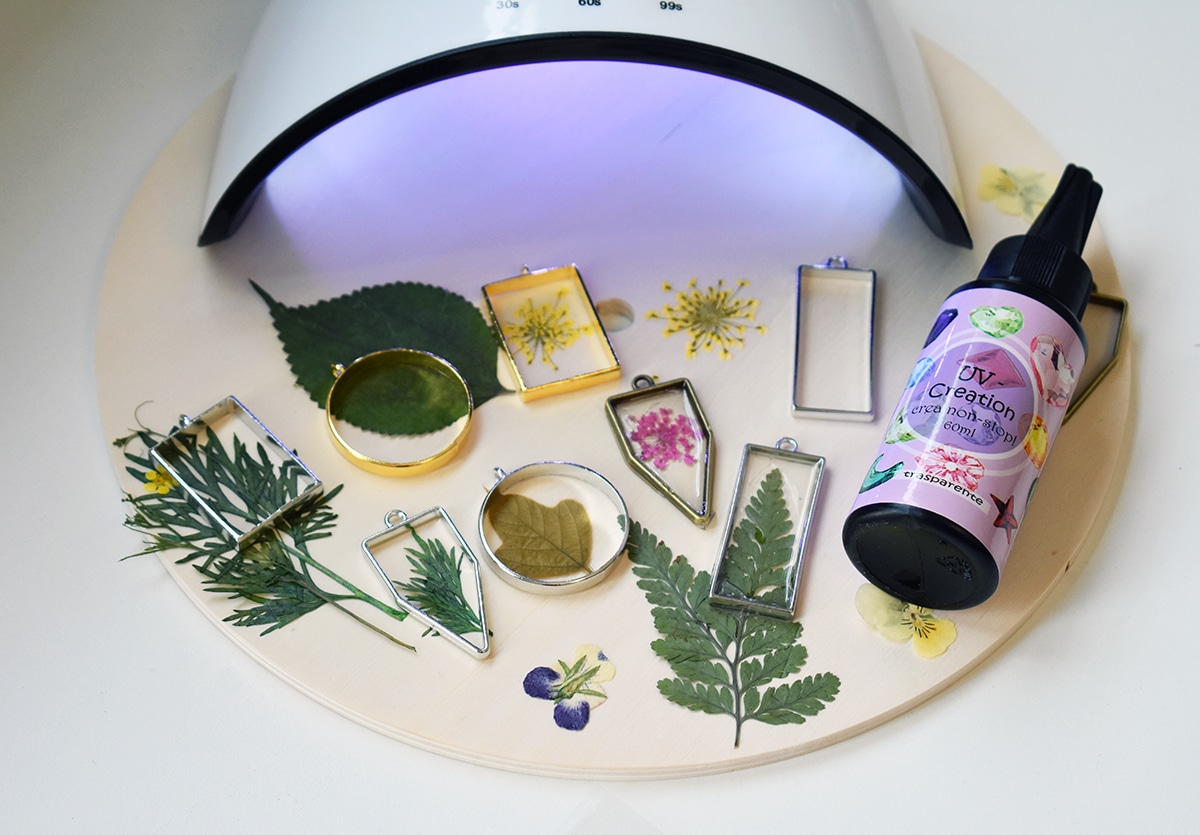
Visual Guide: Resin Drying Essentials
See examples of how thin-layer application and direct UV light lead to optimal resin curing results. Images showcase step-by-step resin drying for decorative crafts and 3D models using UV lamps and layering techniques.
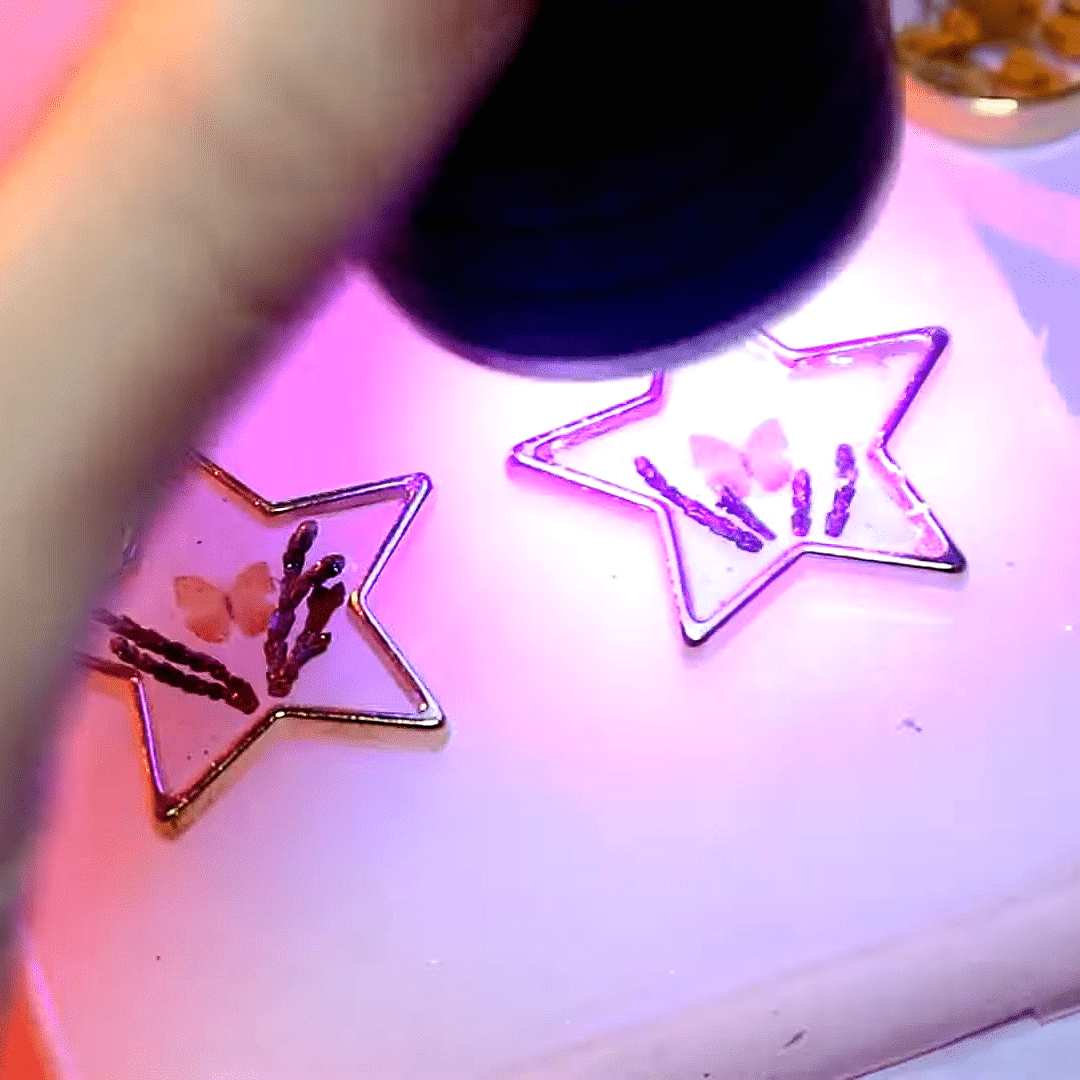
Step 1: Choose the Right Resin for Your Project
The method and speed of drying depend on the type of resin you’re using. UV resins cure almost instantly under UV light, making them ideal for small, detailed items like jewellery or fine reliefs. Epoxy resins typically require more time but are suitable for larger surfaces or where extended working time is beneficial. Assess your project’s needs before you begin and select the resin that matches your timeline and application.
Step 2: Prepare the Workspace and Materials
Set up your workspace with good ventilation and ensure the ambient temperature is within the recommended range for your chosen resin. A dust-free area prevents unwanted particles from settling on your project during drying. Use clean, dry tools, and ensure your moulds or surfaces are free from contaminants. Proper preparation helps you avoid surface imperfections and prolongs the clarity and durability of your finished piece.
Step 3: Apply Resin in Suitable Layers
Always apply resin in thin layers for efficient drying. UV resins like “UV–Creation” – Fast Acrylic Resin and “Fairy Wings” – UV Resin for Volumetric Reliefs, Dual Colour, 30ml are best used in layers up to 3 mm. Build up thickness by curing each layer separately. For epoxy resin such as “3D Finish” – Fast Coating Epoxy Resin for 3D Prints, follow the product instructions for maximum recommended layer thickness and curing times.

Step 4: Cure Using the Right Tools and Conditions
UV-curing resins require direct exposure to UV light. Use a UV lamp to set your piece, keeping it stationary until fully cured—typically within 2–5 minutes, depending on the resin. Epoxy resins cure at room temperature, but you can increase airflow around your project to speed up evaporation of surface solvents. For bubble removal and even curing, use a Gas Heat Gun for Epoxy Resin to apply gentle, controlled heat, enhancing the finish without risking thermal shock.
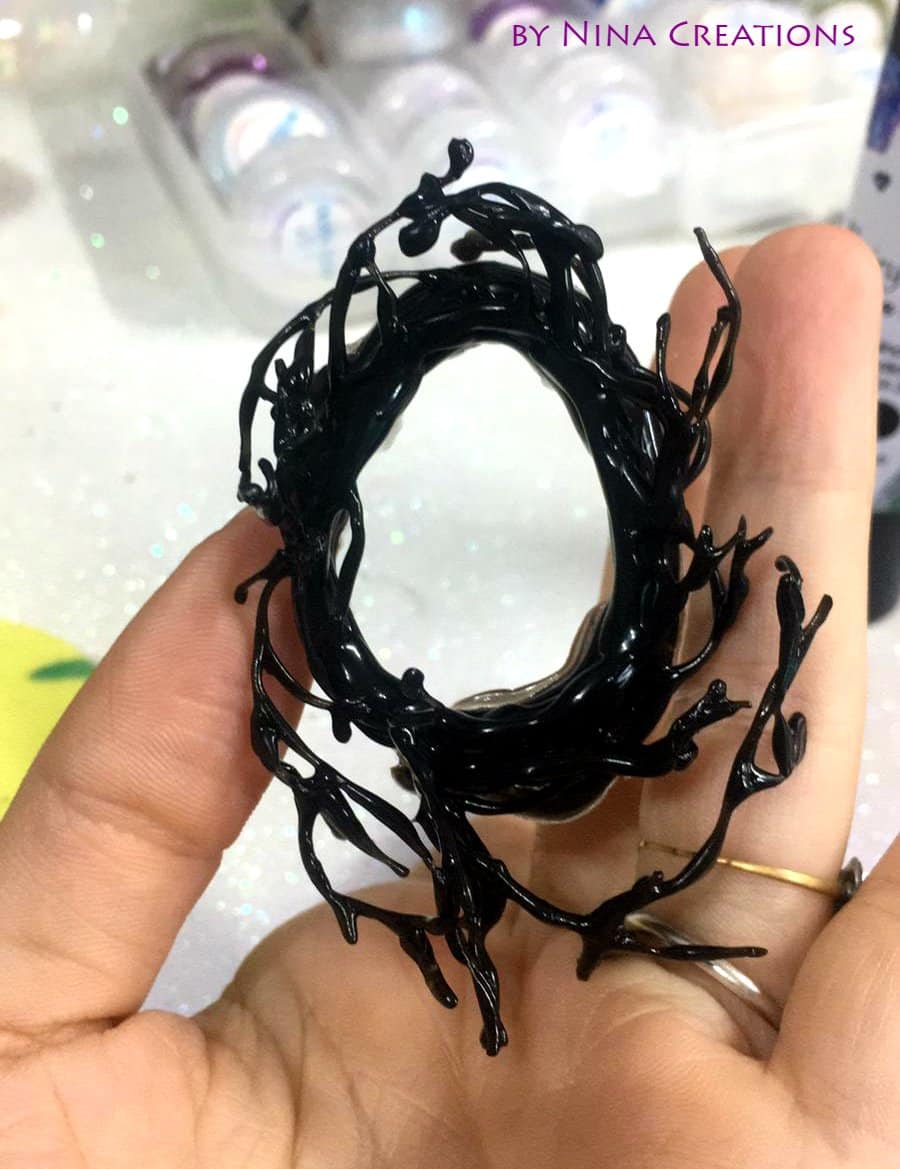
Step 5: Avoid Common Mistakes When Drying Resin
Never use excessive heat, as it can cause defects such as discolouration, cracking, or surface ripples. Over-curing can lead to brittleness. Always follow the recommended times for both UV and epoxy resins. Remove any bubbles immediately after pouring and before curing. If in doubt, allow extra time rather than rushing the process; uncured resin is difficult to rectify once set.
Tips and Troubleshooting for Resin Drying
Ensure your workspace is clean and dust-free before drying to prevent marks and surface imperfections. If you encounter sticky spots after the recommended curing time, reapply controlled UV light or add a touch more curing time for epoxy resin. Patience is key—never force curing beyond recommended times. For intricate 3D prints or jewellery, test on a small piece first to gauge drying speed and adjust technique if necessary.
Project Showcase: Dried Resin Finishes
View finished resin jewellery and 3D print coatings achieved with proper drying techniques. Notice the clarity, gloss, and bubble-free surfaces resulting from correct layer application and curing processes.
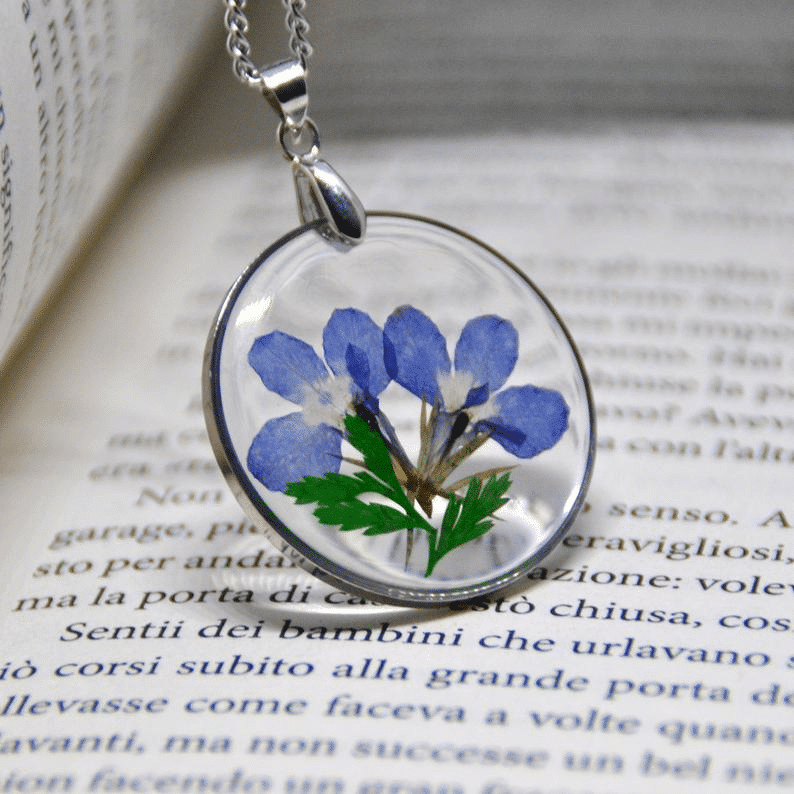
- "UV–Creation" – Fast Acrylic Resin, 3 Minute UV CurePrice range: £7.85 through £59.85"UV–Creation" is a fast-curing, ready-to-use UV acrylic resin, suitable for jewellery makers seeking a clear, non-yellowing finish.
- "Fairy Wings" – UV Resin for Volumetric Reliefs, Dual Colour, 30mlOriginal price was: £15.15.£2.85Current price is: £2.85.This ready-to-use UV resin cures quickly for detailed volumetric reliefs, suitable for artists and crafters working with polymer clay.
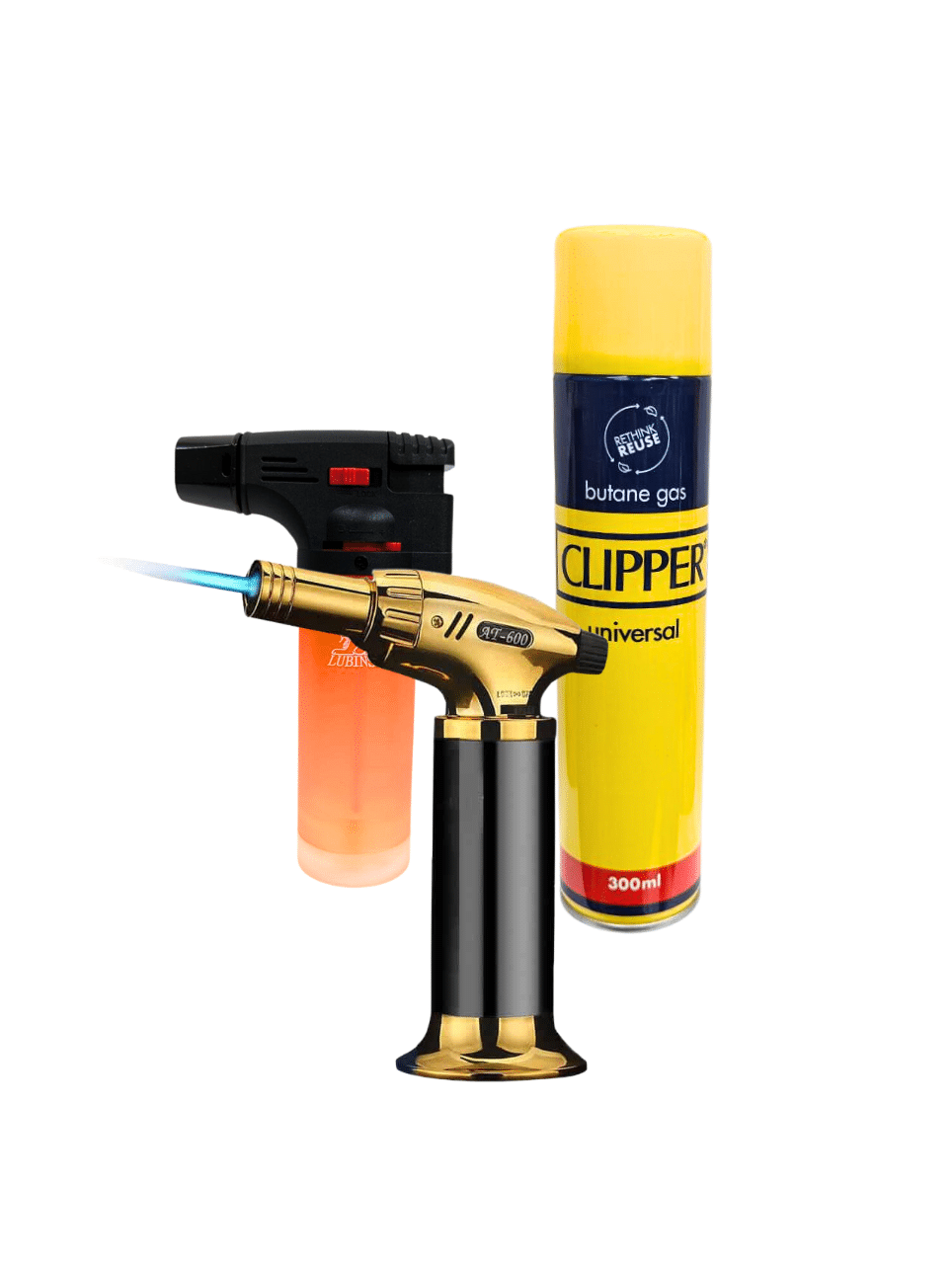 Gas Heat Gun for Epoxy Resin – Precision Tool for Bubble Removal and FinishingPrice range: £4.15 through £13.85Gas Heat Gun provides controlled heat to help reduce bubbles and finish epoxy resin applications smoothly.
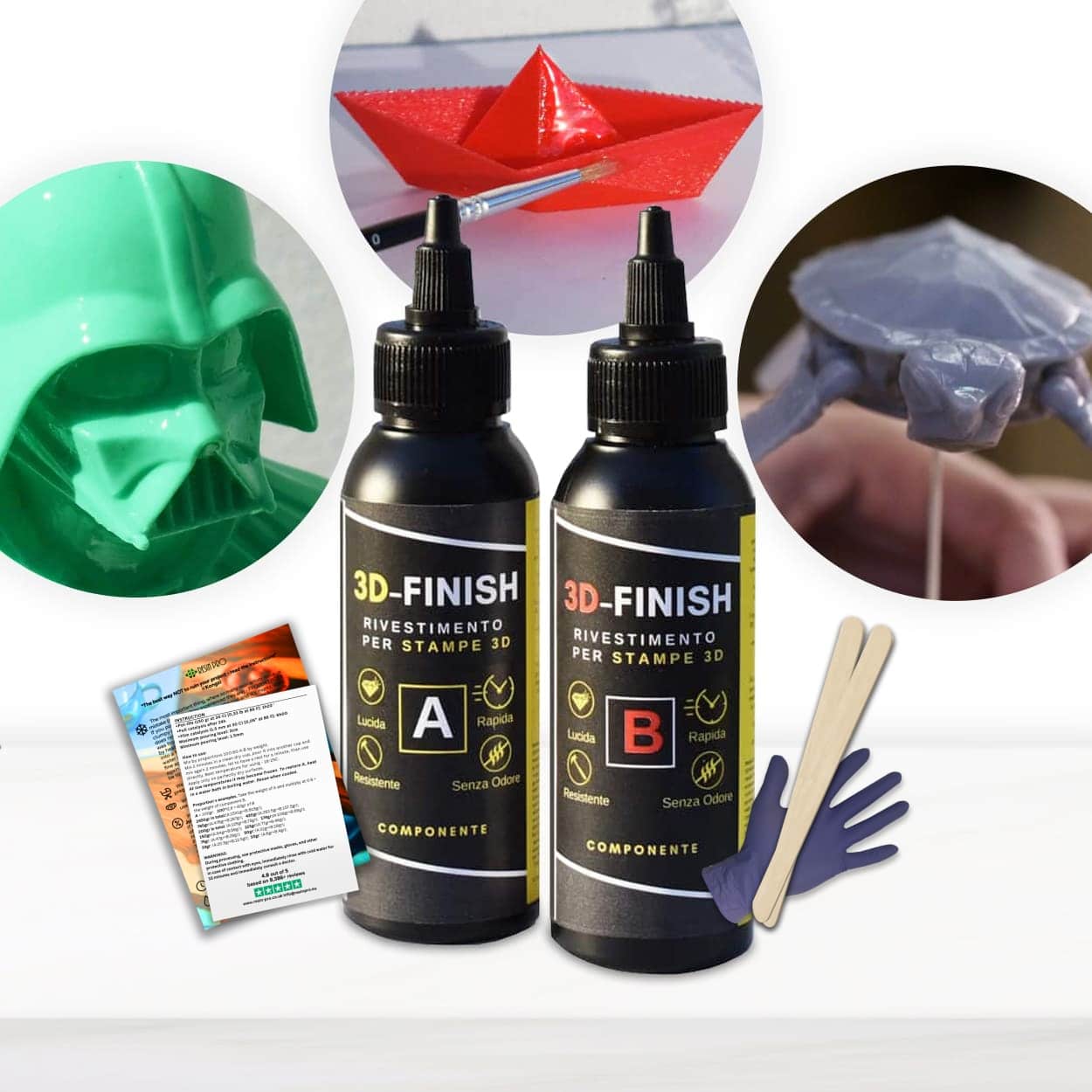 "3D Finish" – Fast Coating Epoxy Resin for 3D PrintsPrice range: £12.85 through £18.85"3D Finish" offers a fast-curing epoxy coating designed to preserve detail and enhance 3D prints on popular materials.
Frequently Asked Questions
How can I dry resin faster at home?
Thin layers, direct UV light (for UV resin), or a warm, ventilated space (for epoxy) can speed up resin drying.
Why is my resin still sticky after curing?
Sticky resin can result from under-curing, improper ratios, or humidity. Reapply UV or allow more time for epoxy.
Do I need a UV lamp for drying resin jewellery?
Yes, UV resins require a UV lamp for curing. Epoxy resins cure at room temperature and do not respond to UV lamps.
Can a heat gun help with drying epoxy resin?
A heat gun can help remove bubbles and promote an even surface but should not replace recommended curing time.
What is the best layer thickness for curing resin?
Thin layers—typically up to 3 mm—allow thorough curing and prevent tacky or uneven finishes, especially with UV resin.
Does humidity or temperature affect resin drying?
Yes, high humidity or low temperatures can slow curing and affect clarity. Use recommended environmental settings.