 Free shipping on orders over £29,85
  Shipping Tracking!


 Google
 Facebook
How to make a dildo with silicone rubber?
Step-by-step instructions for safe silicone mould projects
If you’re interested in creating a custom silicone-based sex toy, such as a dildo, silicone rubber offers a flexible and detailed result. This guide walks you through each stage, highlighting crucial safety tips and what to expect at every step. Whether you’re a hobbyist or exploring personal projects, the process is straightforward and rewarding if done correctly.
Always note: This guide covers the basic technique only and is not a substitute for medical- or food-grade manufacturing. Use non-toxic materials and do not use finished items internally unless you have verified all material certifications for body safety.
What You’ll Need
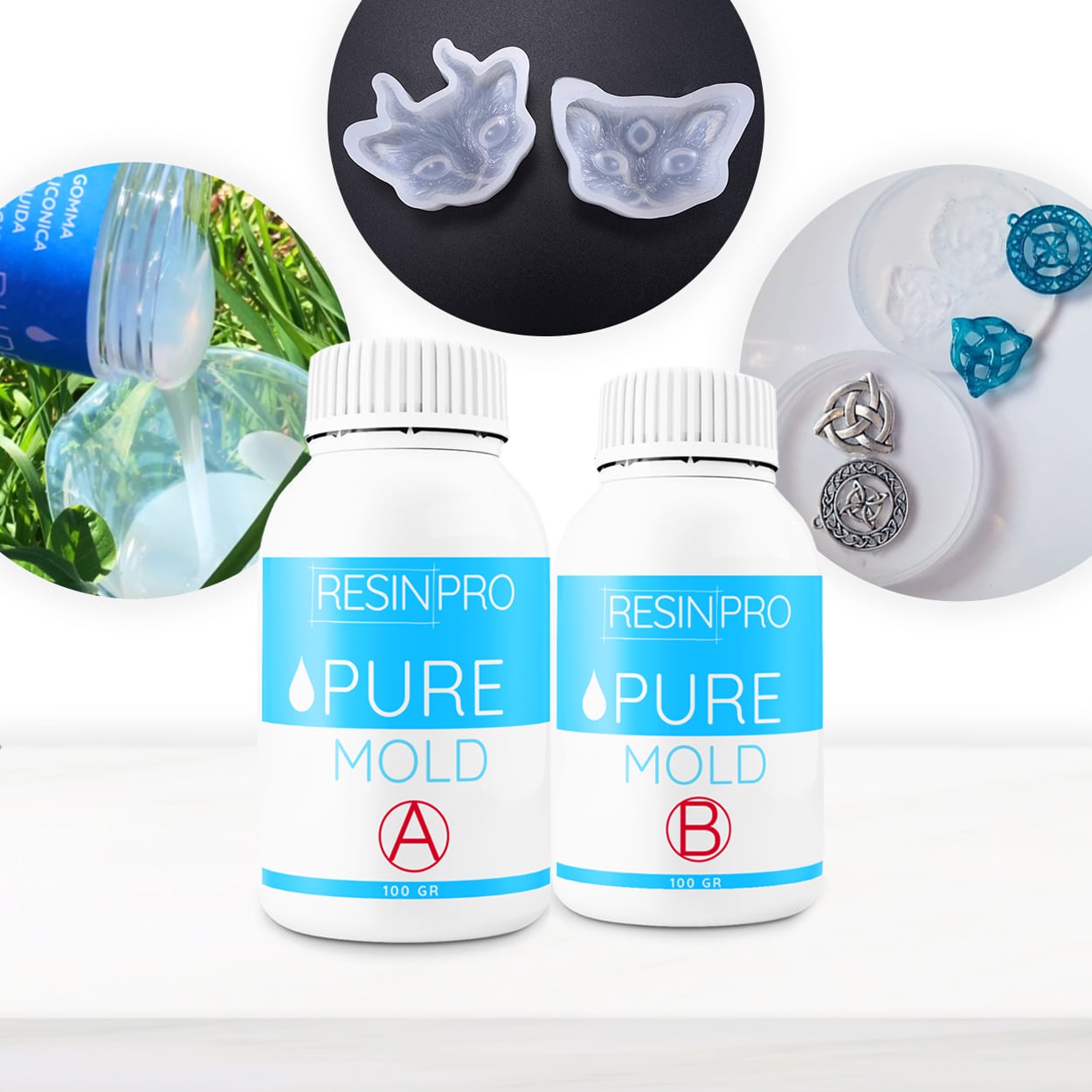
- “Pure Mould” – Translucent Liquid Silicone Rubber for Mould Making: Great for detailed, reusable moulds. Ideal if using a model you have formed physically.
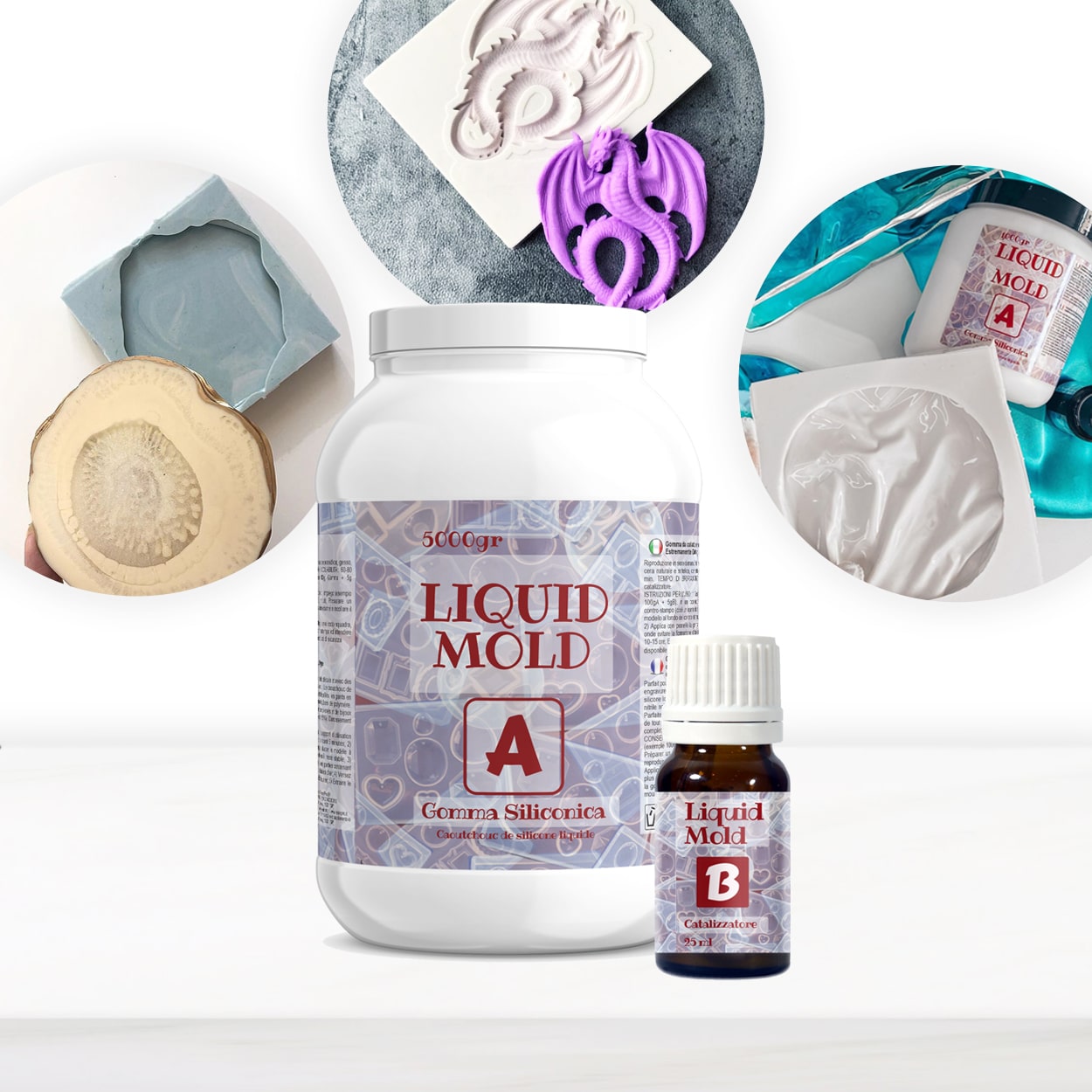
- “Liquid Mould” – Casting Liquid Silicone Rubber, 5-40 Shores, Bi-Component A+B: Excellent for capturing very fine details and complex shapes.
- “I–Gum” – Non-Toxic Silicone Putty for Mould Making: Useful for quick projects or moulds made directly around the original object.
- A model or prototype of the shape you wish to copy (made from clay, plastic, or a suitable substitute).
- Mixing containers and spatula or stir sticks.
- Disposable gloves and safety glasses.
- Appropriate release agent (optional, but can ease demoulding).
- A clean, dust-free working area.
Essential Silicone Rubber Selection
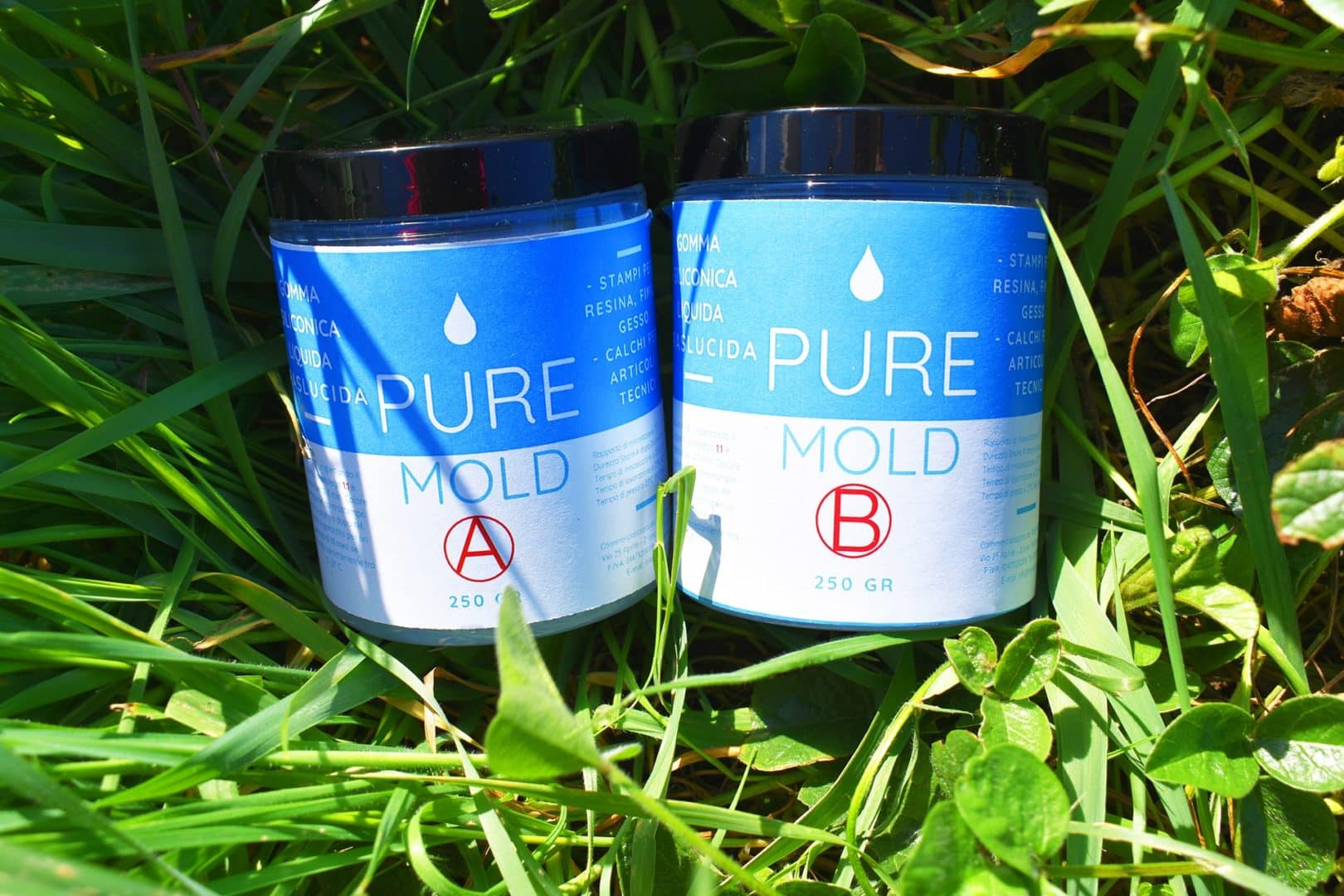
Choosing the right silicone rubber is fundamental for mould making projects. For detailed or complex shapes, opt for products like “Pure Mould” – Translucent Liquid Silicone Rubber or “Liquid Mould” – Casting Liquid Silicone Rubber, 5-40 Shores, Bi-Component A+B. Their high mechanical strength and fine detail accuracy make them ideal for nuanced or intricate designs.
Step 1: Prepare Your Workspace and Master Model
Begin by thoroughly cleaning your workspace to prevent debris or dust from interfering with the silicone. Lay down protective sheets and gather all materials before starting. Create your master model: this could be hand-sculpted using clay or built from safe plastic. Ensure the object is clean, dry, and free of oils. If your model is delicate or porous, consider sealing its surface to prevent the silicone sticking.
If needed, apply a thin layer of release agent to the master model to assist in easy removal after curing.
Step 2: Choose and Mix Your Silicone Rubber
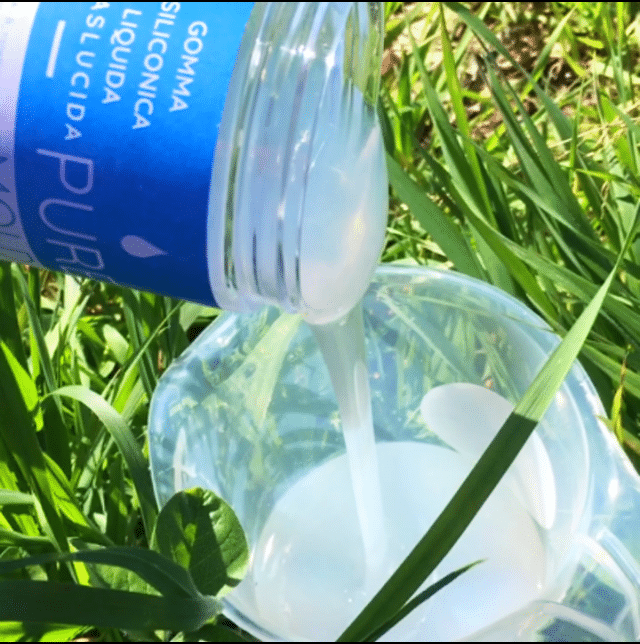
Select a suitable silicone for your mould-making process. For high detail, “Pure Mould” – Translucent Liquid Silicone Rubber for Mould Making is ideal, as it offers a fast curing time and excellent detail retention. Alternatively, for complex shapes, “Liquid Mould” – Casting Liquid Silicone Rubber, 5-40 Shores, Bi-Component A+B delivers fine details, especially for intricate textures.
Measure your silicone components in equal ratios as indicated (usually 1:1 for most products). Pour into a clean container and mix slowly but thoroughly, scraping sides and base to ensure an even consistency. Avoid rapid mixing to keep air bubbles to a minimum.
Step 3: Pour or Apply the Silicone Into Your Mould Formwork
Set up a suitable formwork around your model using plastic, foam board, or similar and seal all joints to prevent leaks. Slowly pour the mixed silicone over the master model from one corner, allowing it to flow and envelop the details. For vertical application or smaller items, you may use “I–Gum” – Non-Toxic Silicone Putty for Mould Making, applying it directly over the object and pressing gently for fine detail.
Check for air bubbles and vibrate or tap the mould to remove them. Cover and allow to cure undisturbed according to the product specifications (typically several hours).
Step 4: Demould and Inspect Your Silicone Mould
Once fully cured, gently remove the formwork and master model. Flex or peel the silicone mould as needed. Examine for retention of detail and ensure no tears or incomplete sections. Clean the finished mould with mild soap and water before use.
If there are imperfections or air bubbles, review your process for improvements and ensure proper mixing and pouring in future casts.
Expert Tips and Common Mistakes
Choose a non-toxic, body-safe silicone rubber. Products on this page are non-toxic for craft use but check for full body safety if using internally. Always wear safety equipment. Accurately mix your silicone rubber components. A proper mix ensures uniform curing and prevents soft spots. Check for air bubbles and vibrate or tap the mould to remove them. Be patient and allow proper curing time. Rushing may damage your final piece and mould.
Safe Crafting Practices
Work in a ventilated area and always wear gloves and protective eyewear when handling silicone rubber. Prioritise using materials that are clearly marked as non-toxic for crafts. If using silicone in applications that involve skin or internal contact, consult manufacturer information for body-safe certifications.
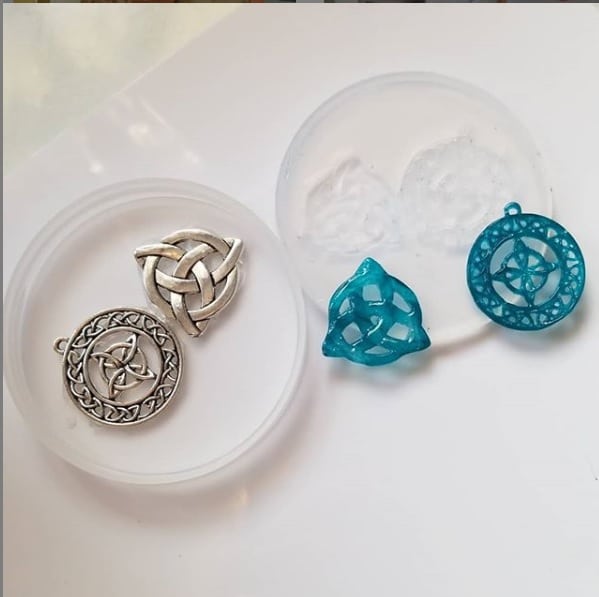
- "Pure Mould" – Translucent Liquid Silicone Rubber for Mould MakingPrice range: £22.85 through £158.85"Pure Mould" is a translucent liquid silicone rubber suitable for mould making with good mechanical properties, fitting the theme of silicone rubber…
- "Liquid Mould" – Casting Liquid Silicone Rubber, 5-40 Shores, Bi-Component A+BPrice range: £13.45 through £368.85"Liquid Mould" is a casting liquid silicone rubber designed for making detailed moulds suitable for resin and polymer pastes.
 "I–Gum" – Non-Toxic Silicone Putty for Mould MakingPrice range: £22.85 through £99.85"I–Gum" silicone putty is a non-toxic two-component product designed for mould making and compatible with various casting materials.
Frequently Asked Questions
Which silicone is best for making a dildo mould?
Liquid silicone rubbers offering high flexibility and detail, such as "Pure Mould" or "Liquid Mould", work best for creating intricate, reusable moulds.
Do I need a mould release agent?
A release agent can make demoulding easier and protect the master model, but is not required with all models or silicone types. Use as needed.
How long does silicone need to cure?
Curing times vary by product; most liquid silicone rubbers require between 3 and 12 hours to fully cure before safe demoulding.
How do I avoid bubbles in the mould?
Mix slowly, pour from one side, and gently tap the mould or use a vacuum or pressure pot if available to remove bubbles.
Is home-made silicone safe for body use?
Only silicones certified for skin or internal contact are safe for body use. Non-toxic craft silicones are not automatically body-safe.
Can I use household objects for the mould?
Yes, provided the shape is appropriate and the object can be thoroughly cleaned and sealed before pouring the silicone.