 Free shipping on orders over £29,85
  Shipping Tracking!


 Google
 Facebook
How do you resin a camper?
Resining a camper is an excellent way to protect it from water damage, reinforce its structure, and revitalise tired surfaces. Whether you’re renovating a classic caravan or ensuring your motorhome endures all seasons, a resin treatment provides long-term durability and a professional finish. This guide outlines everything you need to know—from initial preparation through to the resin application process—so you can tackle camper projects with confidence.
Seal and reinforce your camper using resin for superior durability

What You’ll Need
- Strong Technical Degreaser for Resin Projects – 100% Natural Formula – For cleaning and degreasing all surfaces prior to resin work.
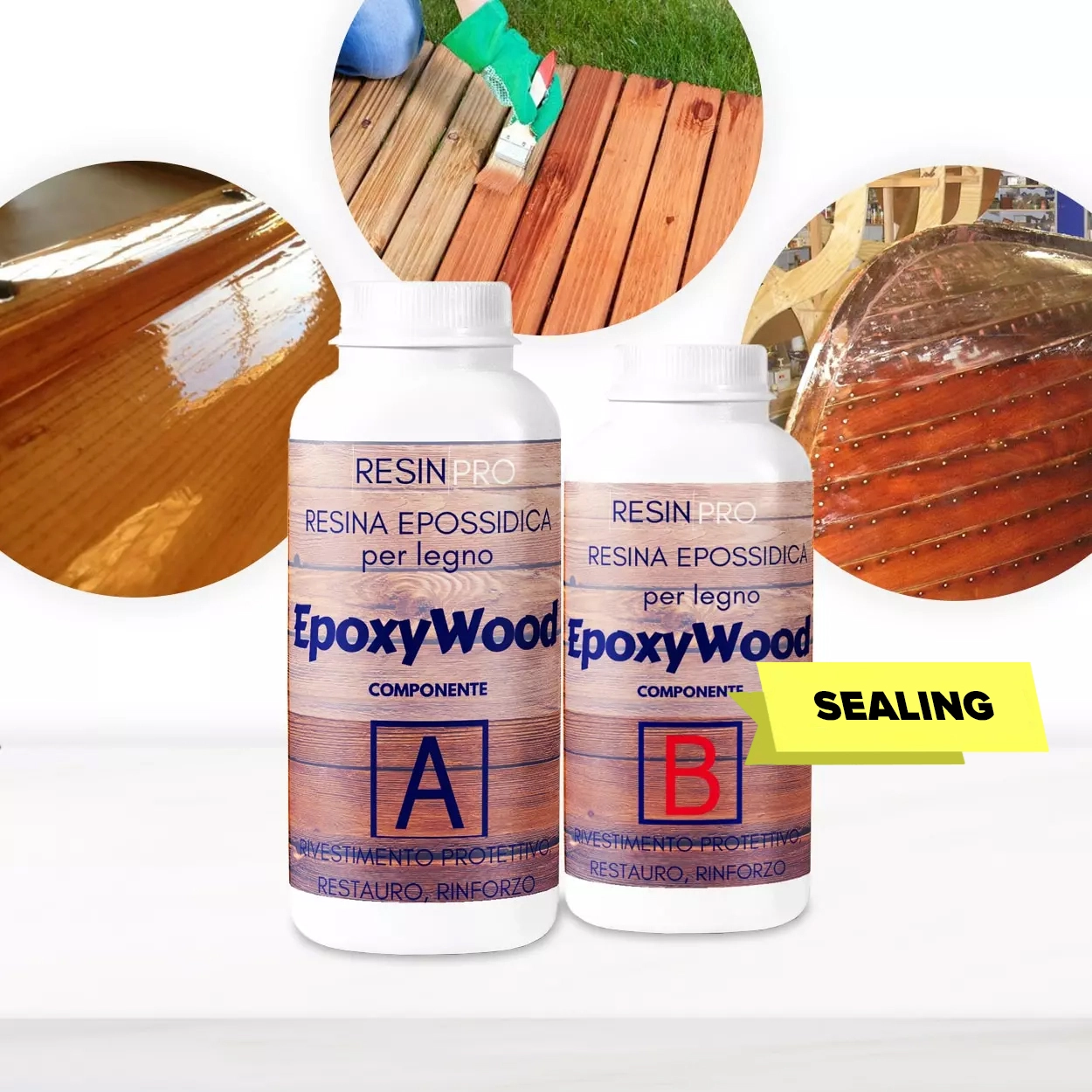
- “EpoxyWood” – Wood Restoration Epoxy Resin for Deep Penetration and Waterproofing – Ideal for sealing, reinforcing and waterproofing wood features in your camper.
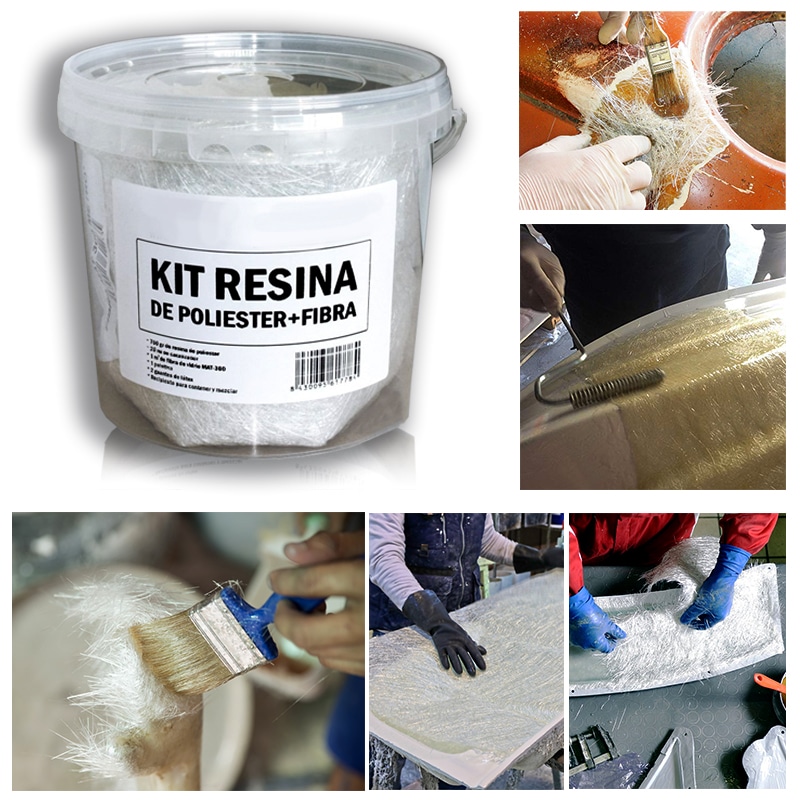
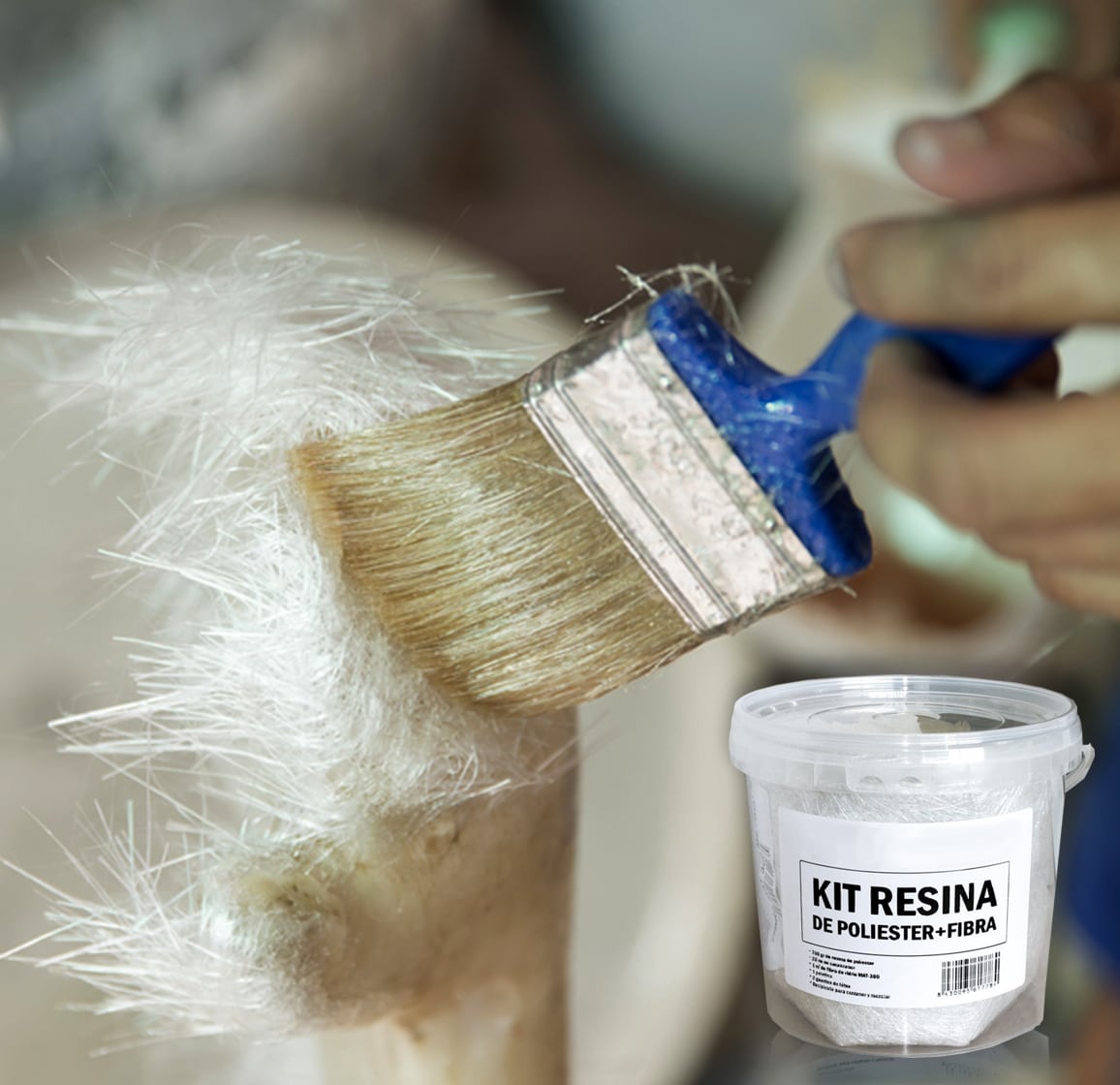
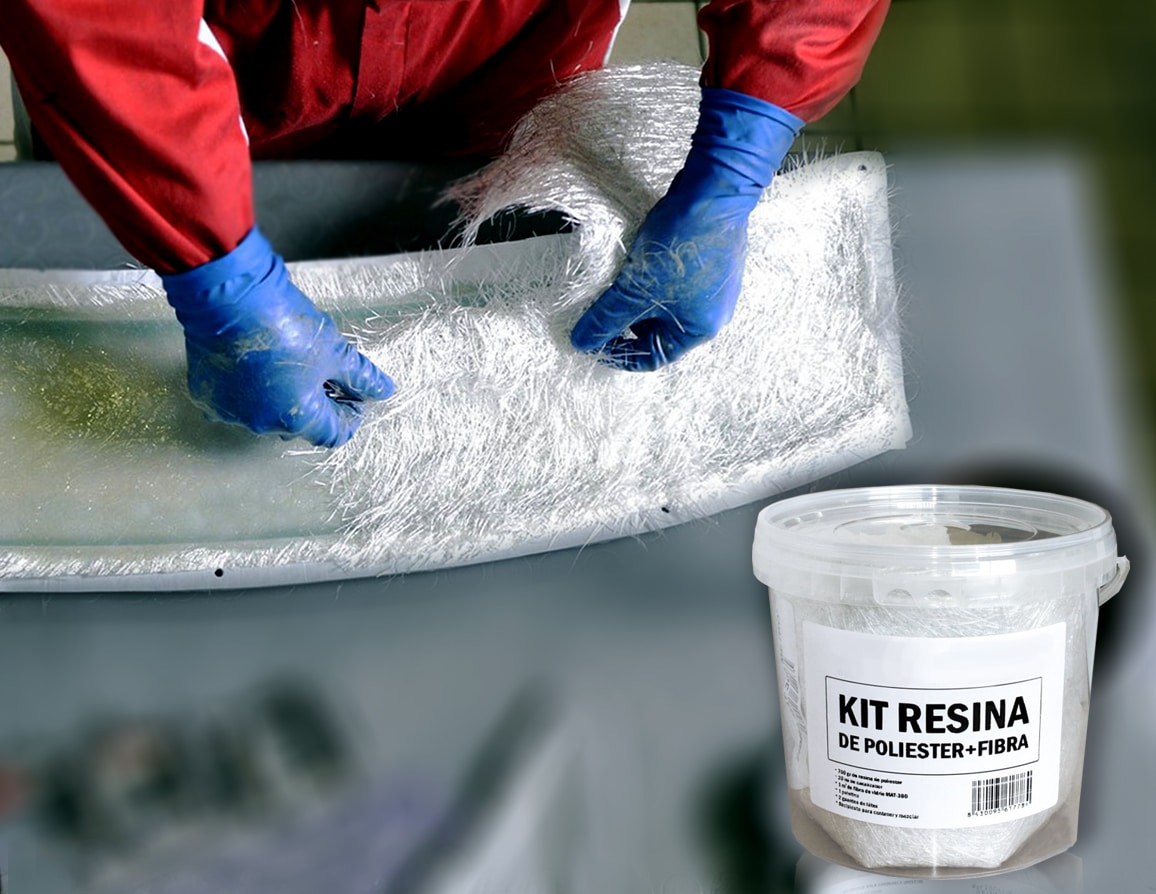
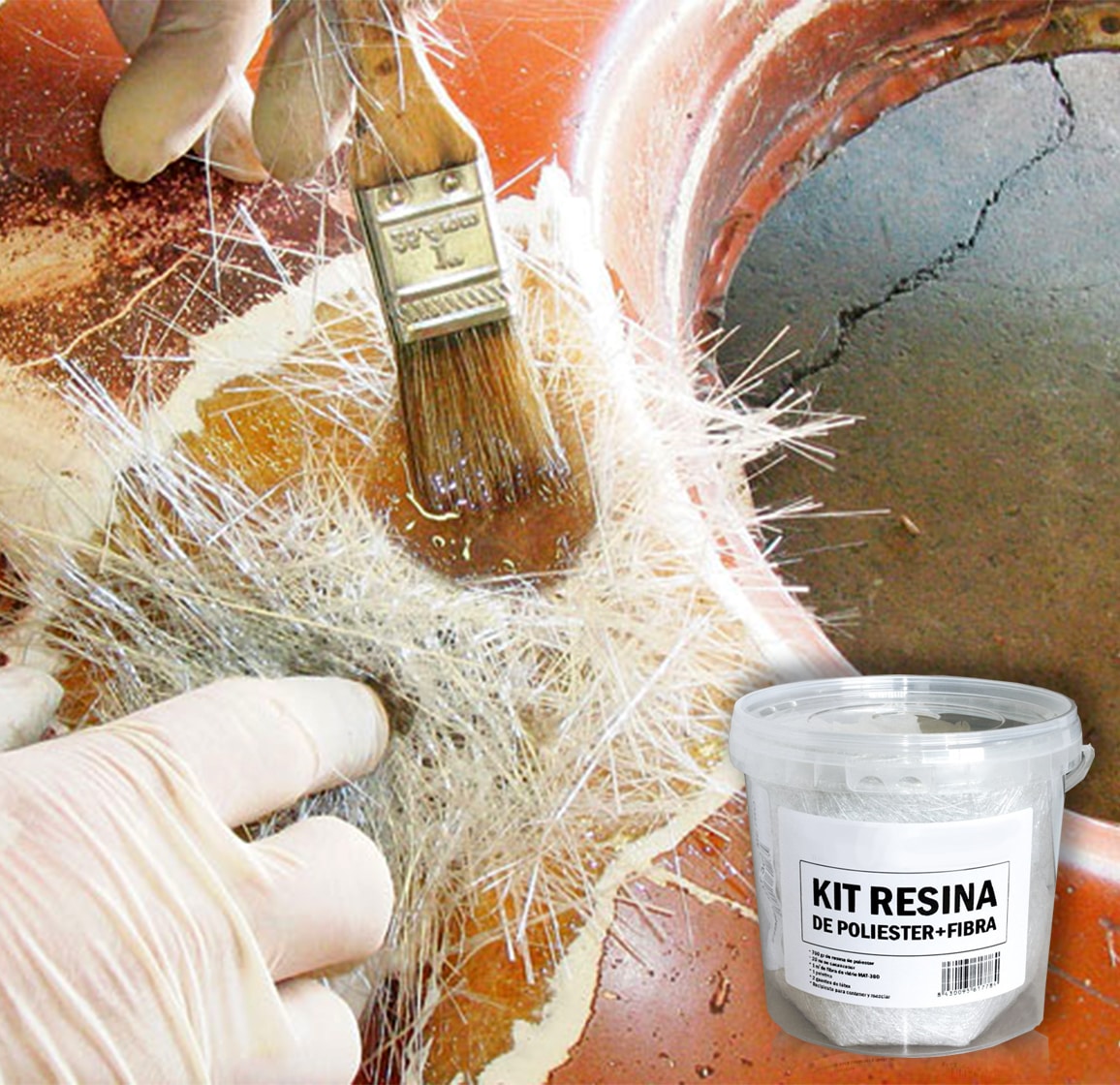
- Resin Fibreglass Repair Kit – Complete Polyester Resin and Hardener Set – Suitable for repairing rigid surfaces such as fibreglass, metal, or composite sections.
- “EpoxyTable 5-Five” – Deep Pour Epoxy Resin for Tables and Large Projects – Up to 5cm – For deep pour applications or robust interior worktops.
- Sanding paper, brushes, mixing containers, gloves, and application tools.
Preparing Your Camper for Resin Application
Before applying resin, ensure all surfaces are free from dust, oils, and old coatings. Cleaning and degreasing with a dedicated product helps achieve superior bonding and a long-lasting waterproof seal.
Step 1: Thoroughly Clean All Surfaces
Before any resin work begins, a meticulous cleaning process is essential. Remove any dust, dirt, oils, or previous coatings from your camper’s surfaces. Use a vacuum, then wipe down with clean cloths. Degreasing is critical—residual grease or silicone can interfere with resin bonding and compromise the waterproof seal.
The Strong Technical Degreaser for Resin Projects – 100% Natural Formula is perfect for this stage. It effectively removes all traces of contamination without harming sensitive materials or your skin. Apply generously, leave it to act for a short while, then wipe thoroughly.
Step 2: Sand and Repair Damaged Areas Carefully
Examine wooden, fibreglass, and metal panels for cracks, holes, or signs of rot. Sand rough spots and failing finishes until you reach stable substrate. Remove all sanding dust before continuing—cleanliness cannot be overstated here.
If you find rotted or softened wood, use a wood restoration epoxy such as “EpoxyWood” – Wood Restoration Epoxy Resin for Deep Penetration and Waterproofing. It penetrates deep into fibres, reinforcing the structure and sealing against future damp ingress. For fibreglass or rigid surfaces with cracks, a Resin Fibreglass Repair Kit provides both resin and reinforcing mat for strong repairs. Follow product instructions for best results—or layer multiple resin coats for added protection where required.
Step 3: Choose the Right Resin for Each Material
The key to a lasting finish lies in matching resin type to the camper’s material. Epoxy resins like EpoxyWood are ideal for wood, creating a waterproof, structurally sound barrier. For broad, rigid surfaces—walls, roof, or floors made of fibreglass—polyester-based resins such as those in the Resin Fibreglass Repair Kit ensure a robust, durable bond. For deep castings or high-impact worktops, consider EpoxyTable 5-Five.
Always read product guidelines and ensure you have the right hardener ratios, mixing tools, and correct working environment—avoid humidity or cold where possible, as these can affect curing and adhesion.
Step 4: Apply Resin in Thin, Even Layers
Start your application using a clean, wide brush or roller. Pour and spread resin across each section, working swiftly to maintain a wet edge and avoid streaks or air bubbles. For wood, let the first layer absorb well—additional coats may be required for full waterproofing.
Allow each layer to cure as specified on the product, lightly sanding between coats if necessary. For deep repairs, pour in increments: do not exceed the recommended single-pour thickness to prevent thermal issues or imperfections.
Tips, Common Mistakes, and Troubleshooting
Thoroughly clean all surfaces first—even slight residues jeopardise adhesion. Sand and repair damaged areas carefully to guarantee a stable foundation. Choose the right resin for each material to maximise durability and appearance. Apply resin in thin, even layers to avoid uneven curing, bubbles, or pooling.
If you encounter tackiness, poor adhesion, or cloudiness after curing, inspect the mixing ratio and environmental conditions. Always follow safety guidance: ventilate well and use appropriate protective equipment throughout.
Best Practices for Durable Results
Work in a ventilated area at moderate temperatures. Allow each resin layer to cure fully before recoating, and gently sand between layers for a flawless finish. Meticulous preparation leads to a camper that stands the test of time.
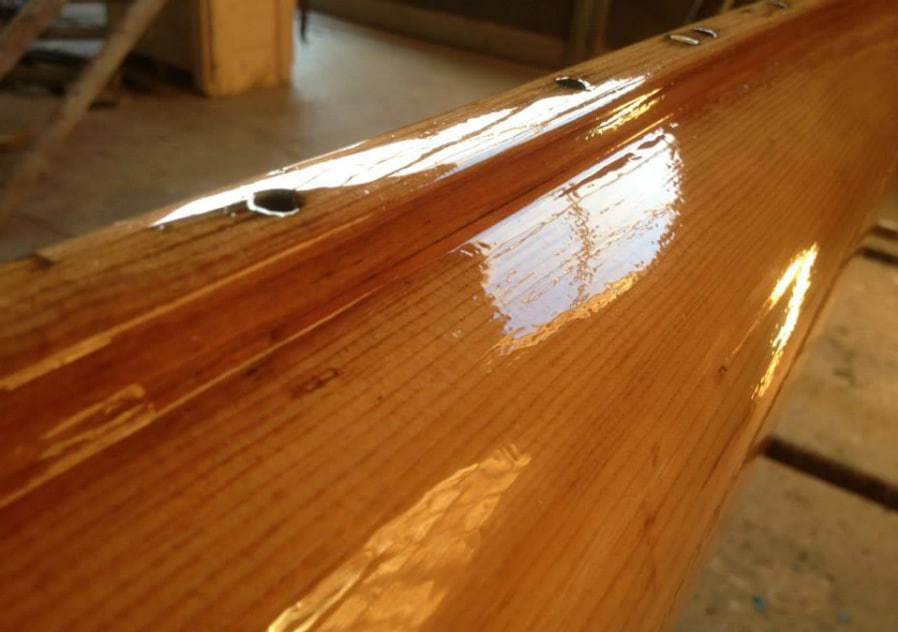
- "EpoxyWood" – Wood Restoration Epoxy Resin for Deep Penetration and WaterproofingOriginal price was: £64.00.£39.85Current price is: £39.85."EpoxyWood" is designed for wood restoration with deep penetration and waterproofing, suitable for projects related to camper resin work.
- Resin Fibreglass Repair Kit – Complete Polyester Resin and Hardener SetPrice range: £13.85 through £22.85Resin Fibreglass Repair Kit is designed for structural repairs using polyester resin and fibreglass for waterproof and impact-resistant bonds.
 Strong Technical Degreaser for Resin Projects – 100% Natural FormulaOriginal price was: £10.00.£8.85Current price is: £8.85.Strong Technical Degreaser is suitable for cleaning multiple surfaces in resin projects including campers.
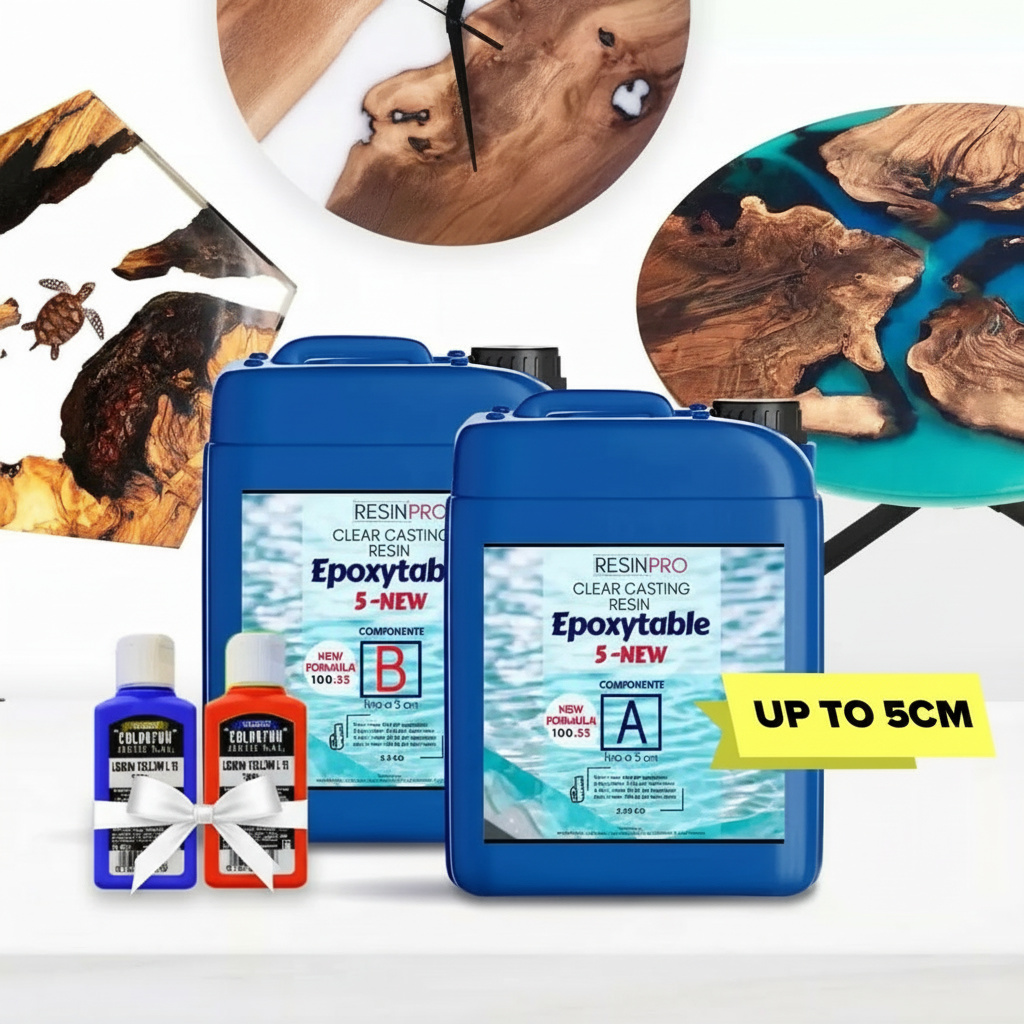 "EpoxyTable 5-Five" – Deep Pour Epoxy Resin for Tables and Large Projects – Up to 5cmPrice range: £16.85 through £1,099.85"EpoxyTable 5-Five" is designed for deep pouring up to 5cm, suitable for tables and large projects requiring a clear, scratch-resistant surface.
Frequently Asked Questions
Do I need different resins for wood, fibreglass and metal in my camper?
Yes, select resin based on surface type—epoxy for wood, polyester resin for rigid fibreglass and metals.
How many resin coats are needed to waterproof a camper?
Typically, two to three coats are sufficient, but more may be necessary on porous or worn surfaces.
How should I prepare my camper surface for resin?
Ensure complete cleaning, removal of grease, sanding, and dry, dust-free conditions before applying resin.
Can I use resin to repair cracks in a camper roof?
Yes, fibreglass and polyester resin kits are ideal for repairing roof cracks or leaks in campers.
Is the resin finish clear and durable for the camper interior?
Yes, the correct resin provides a clear, long-lasting, and scratch-resistant finish for interior camper applications.
What should I do if the resin on my camper remains tacky?
Check the mixing ratio and curing conditions—incorrect proportions or low temperature often cause tackiness. Remove and reapply if needed.
What safety equipment is required when applying resin to a camper?
Wear gloves, eye protection, and ensure good ventilation when working with resins and hardeners.