 Free shipping on orders over £29,85
  Shipping Tracking!


 Google
 Facebook
How do you paint a bathroom with resin paint?
Painting a bathroom with resin paint creates a stunning, seamless, and highly water-resistant surface perfect for wet environments. This comprehensive guide will help homeowners and renovators achieve a flawless resin paint finish—ideal for anyone looking to modernise their bathroom or protect walls and floors from moisture and wear.
Step-by-step guide for a flawless waterproof bathroom finish


What You’ll Need
- Resin & Paint Application Rollers – Short-Pile, Large, and Sponge Types: For precise and uniform application of resin paint on a variety of bathroom surfaces.
- Scraper for Paint & Dry Resin Removal – 10 Double-Sided Blades: Ideal for removing old paint or tough residues from smooth walls, tiles, or glass before applying new layers.
- Heavy Duty Scraper for Paint and Epoxy Resin Removal: For effective removal of stubborn wall coverings, tiles, or thick paint from floors and walls.
- Protective gloves and a mask
- Painters’ masking tape and sheeting
- Mild detergent and cloths for cleaning
- Stirring paddle and a clean container (for mixing resin paint)

Essential Preparation Tools and Surface Cleaning
Effective prep is the secret to long-lasting resin finishes. Use sturdy scrapers to clear away all residues, and reliable rollers for uniform paint application. Clean, dry surfaces are vital for adhesion and a flawless, water-resistant result.

Step 1: Prepare the Surface
Begin by clearing the bathroom of all movable items and protecting fittings with masking tape and sheeting. Clean all surfaces thoroughly using a mild detergent and ensure they are completely dry. Remove any existing paint, stains, or tile glue for maximum resin adhesion.
If you encounter stubborn areas of old paint or dry resin, use the Scraper for Paint & Dry Resin Removal – 10 Double-Sided Blades for smooth surfaces, or the Heavy Duty Scraper for Paint and Epoxy Resin Removal for tougher or larger areas. Pay special attention to corners and edges to prevent issues with uneven application later.
Allow surfaces to dry and dust off thoroughly before continuing. Ensure the bathroom is well-ventilated to avoid inhaling fumes.
Step 2: Apply Masking and Protect Non-Painted Areas
Carefully mask all surfaces not intended for resin paint, such as taps, sockets, and borders. Check the adhesion of masking tape, especially in damp or textured areas, and double up if necessary to prevent seepage.
Cover the bathroom floor with protective sheeting if you are only painting walls, or vice versa. Never rush the surface preparation phase.
Step 3: Mix and Apply the Resin Paint
Prepare your resin paint according to the manufacturer’s instructions, ensuring accurate measurement and thorough mixing for consistency. Work quickly but methodically, as many resins have limited pot life once mixed.
Begin by cutting in around edges and corners with a brush or a small roller. For covering larger areas, use a Resin & Paint Application Roller – Short-Pile, Large, and Sponge Types suited to your surface: the short-pile roller works well for detail, the large roller for fast coverage on walls or floors, and the sponge roller produces a flawlessly smooth, self-levelling finish.
Work in manageable sections, overlapping each pass slightly for a seamless look. Most bathrooms require two coats; allow the first to dry thoroughly before applying the second as directed by the resin paint supplier.

Step 4: Allow to Cure and Finish the Edges
Once your final coat is applied, leave the room undisturbed for the full recommended curing period, as moisture and disturbance can ruin the finish. Check manufacturer recommendations for precise times, which may vary depending on temperature and ventilation.
Allow the resin paint to cure undisturbed for the full recommended time. Only when fully set, carefully remove masking tape and protection to reveal clean lines and edges.
Give surfaces a gentle wipe with a damp, soft cloth to remove any fine dust or residue.

Tips for a Professional Result
- Always use protective gloves and a mask to safeguard your skin and lungs during sanding, cleaning, or painting.
- Pay attention to environmental conditions—humidity or low temperatures may affect curing.
- If you’re unsure about full removal of previous coatings, always err on the side of further preparation for maximum adhesion.
- Remove tape or protection carefully to avoid damaging edges.
- Test resin paint on a small area if applying over unfamiliar surfaces.
Getting Smooth, Flawless Results on Walls and Floors
Work patiently in sections and maintain control over each application step. Using the correct type of roller helps prevent uneven texture, while careful masking protects uncovered areas. Consistent technique ensures surfaces shine and last.

- Resin & Paint Application Rollers – Short-Pile, Large, and Sponge TypesPrice range: £3.45 through £4.85Rollers designed for epoxy resin application, supporting detailed to large area coverage and smooth finishing suited for resin projects.
- Scraper for Paint & Dry Resin Removal – 10 Double-Sided Blades£4.65Scraper for Paint & Dry Resin Removal is a practical tool for paint removal with easy blade changes, suitable for various users.
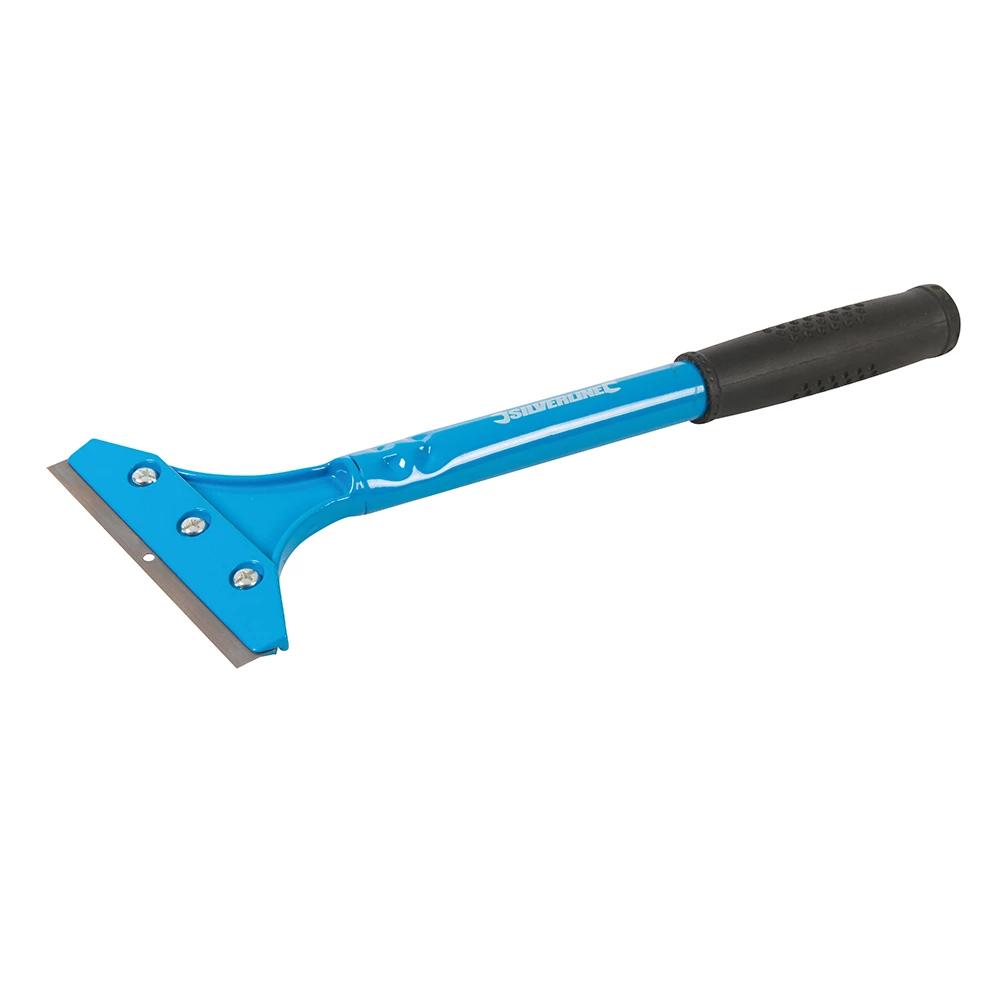 Heavy Duty Scraper for Paint and Epoxy Resin Removal£8.35Heavy Duty Scraper offers a lightweight design and precision blade for effective paint and resin removal, suited for general renovation work.
Frequently Asked Questions
What safety measures are important when painting with resin in bathrooms?
Work in a well-ventilated space, wear gloves and a mask, and keep resins away from children or pets during curing.
How should I prepare bathroom walls for resin paint?
Remove old paint or debris completely, clean and let surfaces dry thoroughly before applying any resin products.
How long does resin paint take to cure in a bathroom?
Curing time varies by product, but usually ranges from 24 to 72 hours depending on ventilation and humidity.
Can resin paint be applied over existing tiles or old paint?
Yes, but only if the surface is thoroughly cleaned and lightly abraded to ensure proper adhesion.
How do I achieve clean lines when painting bathroom edges?
Use high-quality masking tape and remove it carefully after curing to prevent damage to the painted edge.
What tools work best for applying resin paint in bathrooms?
Short-pile, large, or sponge rollers are ideal to achieve an even, streak-free resin paint finish.
Is it necessary to seal resin paint for a bathroom?
Resin paint usually forms a waterproof layer, but some products may recommend a clear sealant for extra durability.