 Free shipping on orders over £29,85
  Shipping Tracking!


 Google
 Facebook
How do you dilute polyester resin?
Polyester resin is a popular material for repairs, laminations, and creative projects, but sometimes it may be too viscous for certain applications. Learning how to dilute polyester resin correctly can help you achieve a smoother application, better penetration into fibreglass matting, or specific artistic effects. This practical guide explains when and how to thin polyester resin, what materials are suitable, and key tips for safe and successful results—ideal for both DIY enthusiasts and professionals.
Expert guide for thinning resin and improving its application process

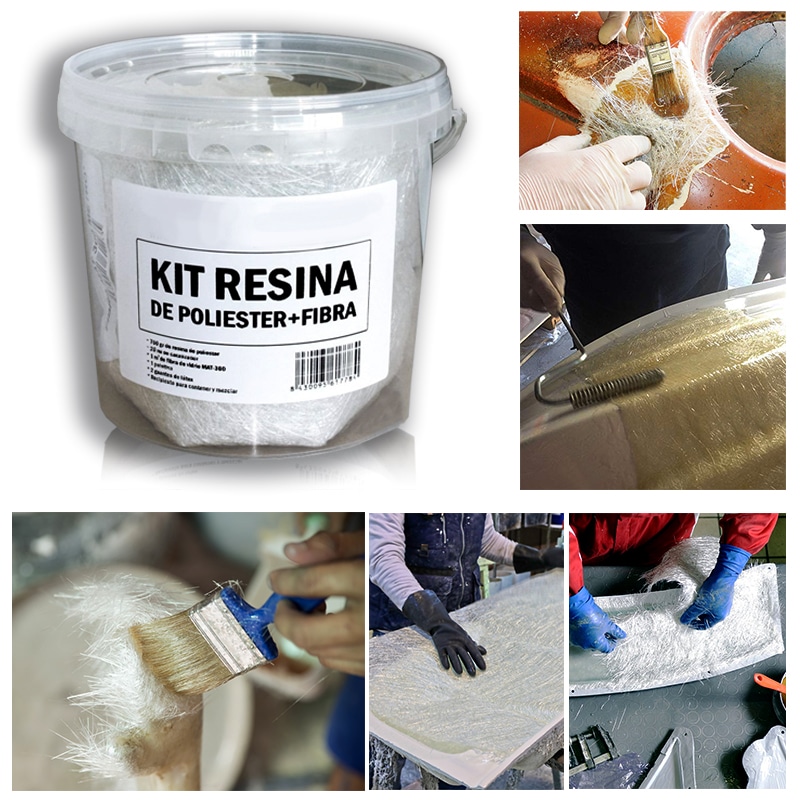
What You’ll Need
- Resin Fibreglass Repair Kit – Complete Polyester Resin and Hardener Set – for high-strength repairs using resin and fibreglass matting
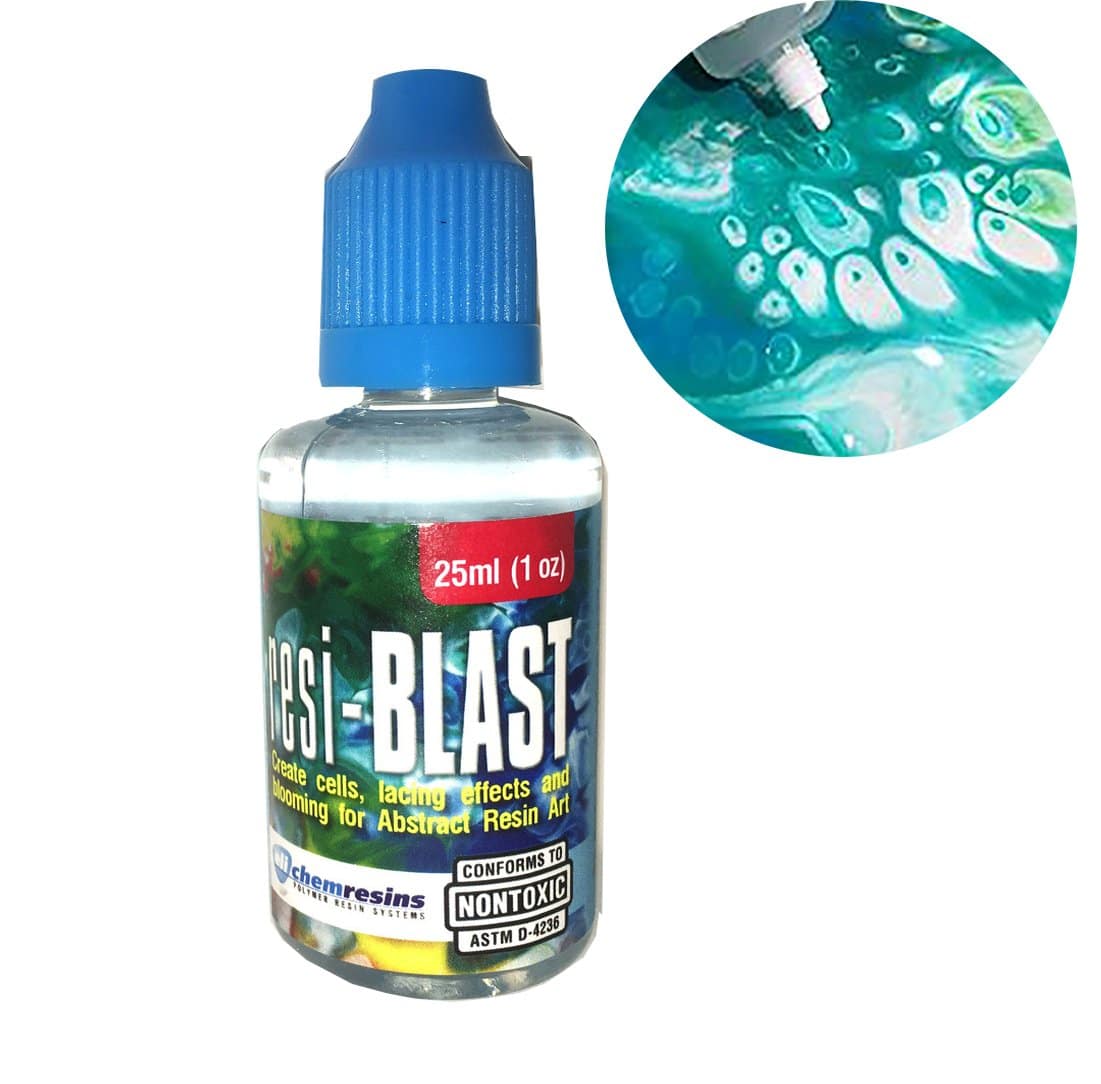
- “Resi-Blast” – Cell Effect Additive for Resin Art, 25ml – to create dramatic cell effects in resin art projects
- Approved polyester resin thinner or styrene monomer (always follow safety guidelines)
- Mixing stick or spatula
- Accurate measuring containers
- Brush, roller, or spreader for application
- Personal protective equipment (gloves, goggles, suitable mask)
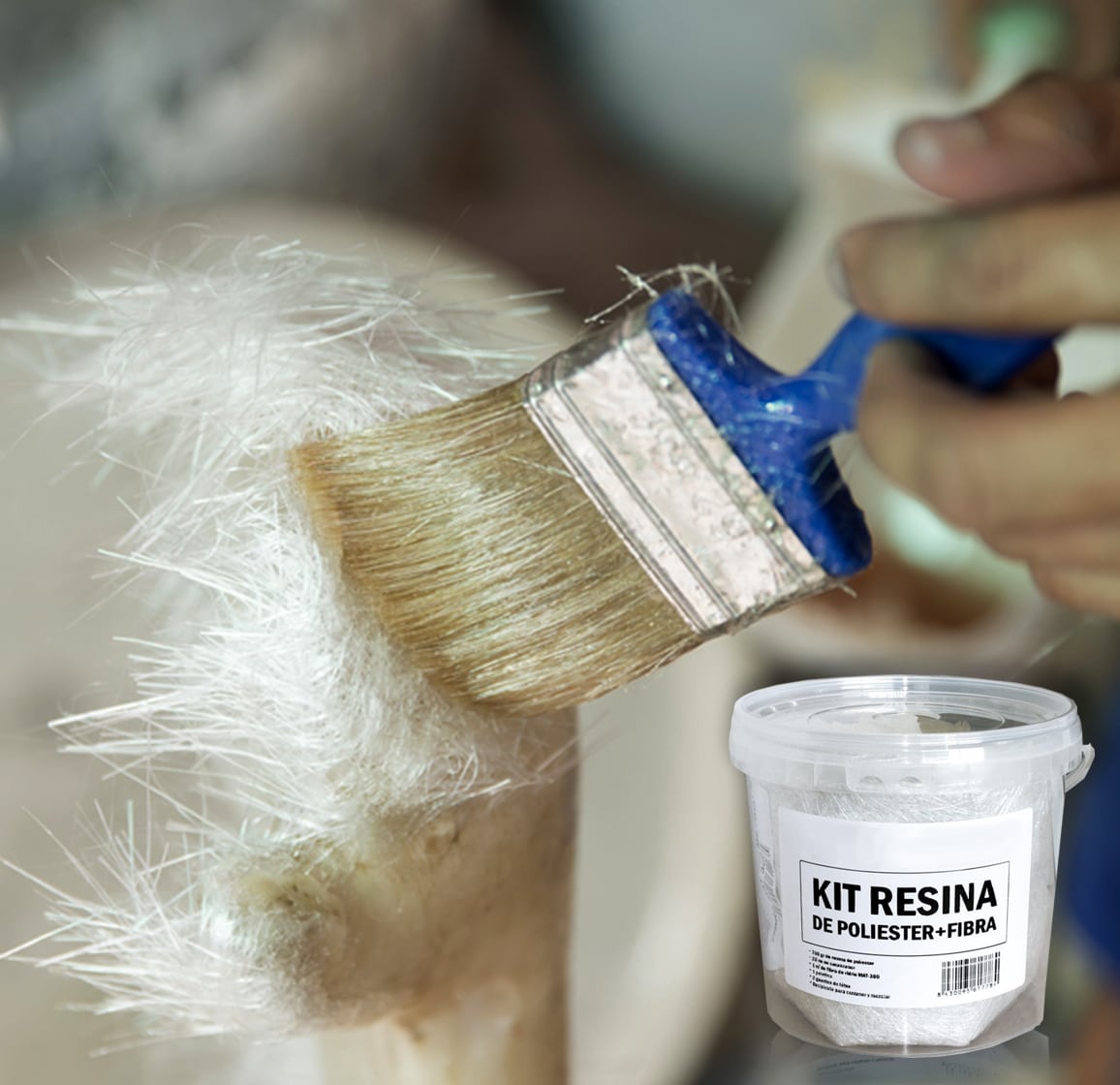
Safety Precautions When Thinning Polyester Resin
Always ventilate your workspace and wear appropriate safety equipment, including gloves, goggles, and a mask. Polyester resin thinners are often flammable and release fumes, so never work near open flames or sources of ignition. If spilled, clean up immediately according to local disposal guidelines.
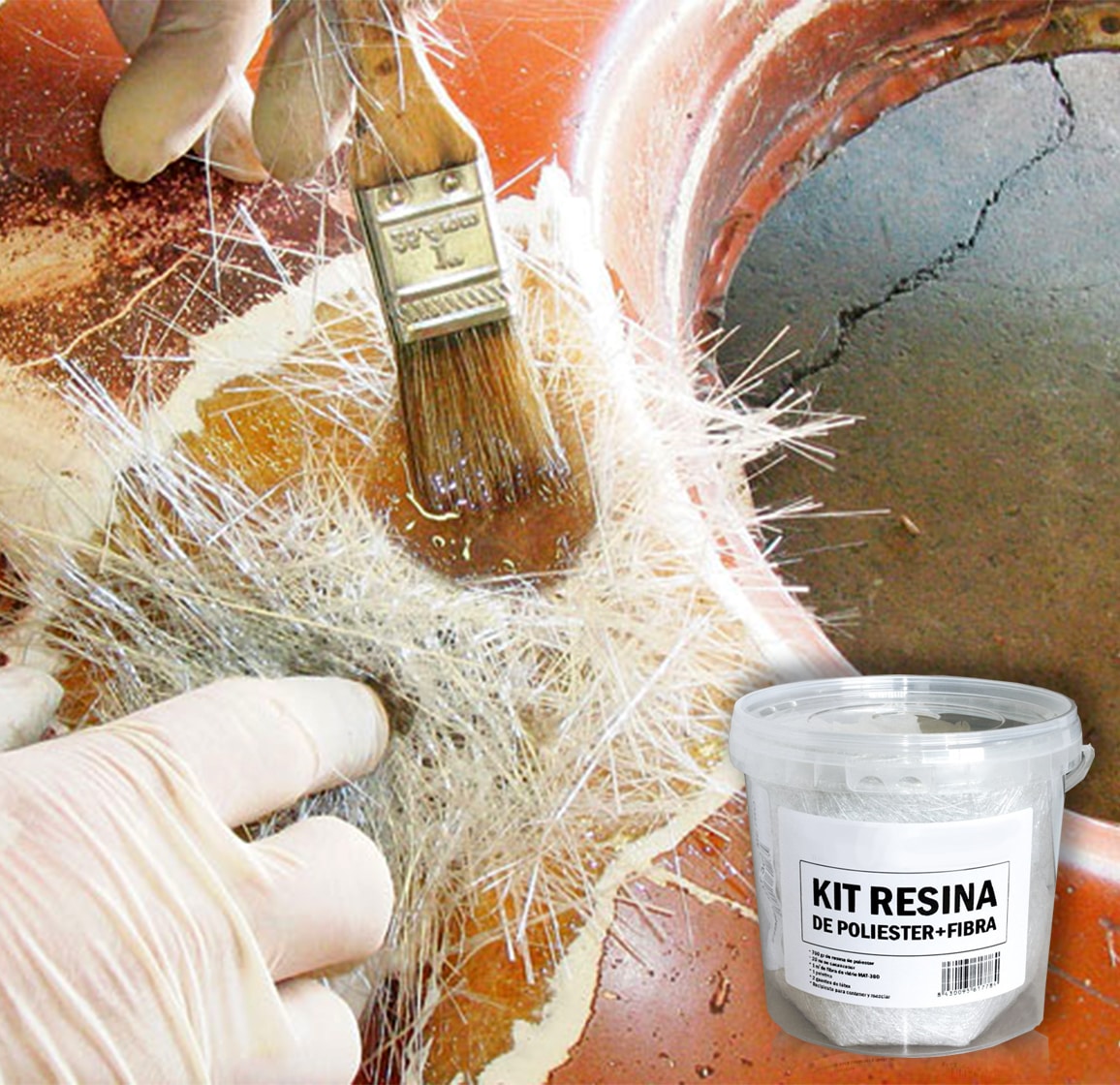
Step 1: Prepare Your Workspace and Safety Gear
Before you begin handling any resin or thinner, make sure you are working in a well-ventilated area and that all surfaces are protected from accidental spills. Polyester resin and thinners can release strong fumes that are potentially harmful if inhaled, so always set up extraction or open windows and doors. Wear disposable gloves and eye protection to shield yourself from splashes, and use a certified respirator mask rated for organic vapours.
Always use proper personal protective equipment when handling polyester resin and any type of thinning agent.
Step 2: Measure and Mix the Polyester Resin
Follow the manufacturer’s guidelines for preparing your resin and hardener. Measure out the correct amounts using an accurate measuring vessel. Mix them thoroughly with a spatula or stick until the mixture is fully homogeneous—this ensures a strong chemical cure. Do not add any thinner at this stage, as premature dilution may interfere with the curing process or alter the resin’s properties.
If you are aiming for reinforced repairs, a product like the Resin Fibreglass Repair Kit – Complete Polyester Resin and Hardener Set is designed for straightforward preparation without the need for dilution.
Step 3: Add Thinner or Additive Gradually
To dilute polyester resin, use only approved thinners—often styrene monomer is recommended by manufacturers. Begin by adding the thinner slowly, at a typical ratio of 2–10% by volume depending on your required viscosity and application needs. Never exceed the manufacturer’s recommended limits. Stir the mixture continuously to incorporate the thinner evenly and achieve a uniform consistency.
Add thinner gradually with stirring—this prevents sudden changes in the mix and reduces the risk of separation or unwanted reactions. If your project involves decorative effects rather than thinning purely for flow, use an additive like “Resi-Blast” – Cell Effect Additive for Resin Art, 25ml to introduce artistic cell patterns.
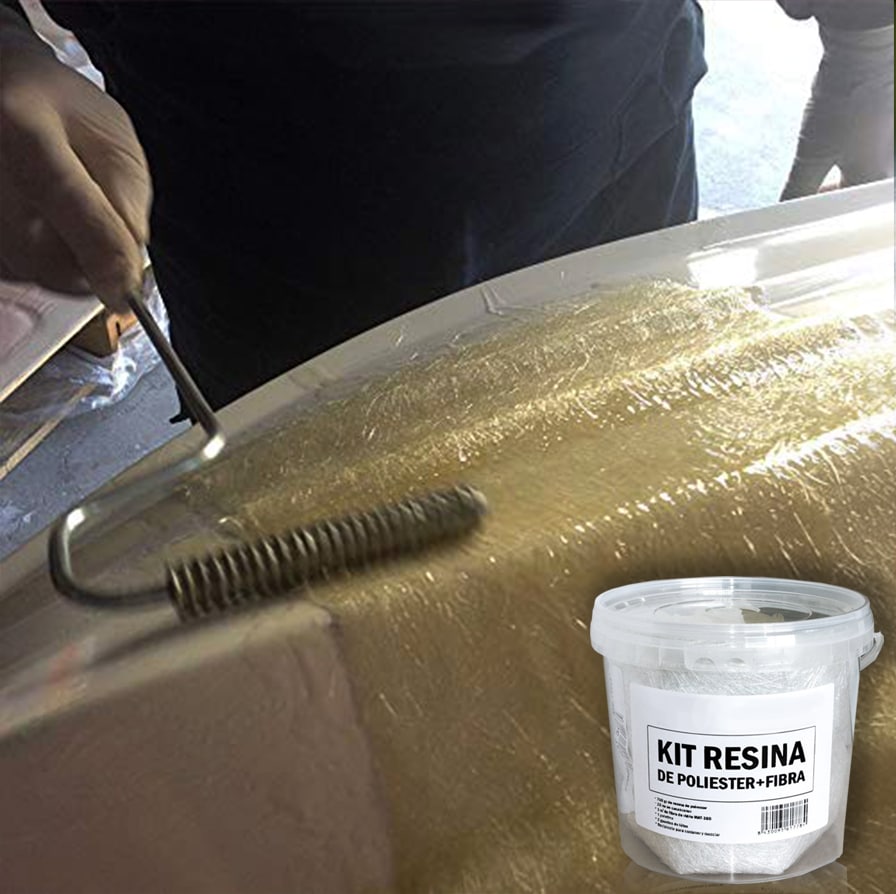
Step 4: Evaluate Consistency, Test and Apply
Once the thinner is fully integrated, check the viscosity by lifting your stirrer from the mix—a slower, smoother drip indicates successful thinning. If more flow is needed, you can add additional thinner in small increments. Always test a small batch before applying to your main project to ensure that curing, adhesion, and finish will not be compromised.
Check compatibility before adding any product and be mindful that over-thinning can reduce the strength and resistance of the cured resin. Proceed with careful, even application using a brush, roller, or spreader as needed.
Tips and Common Mistakes to Avoid
- Avoid over-thinning your resin—too much thinner can weaken the final result or prevent curing.
- Mix thoroughly for even consistency—incomplete blending can result in sticky spots or poor bonding.
- Test on a small sample first—before starting large-scale application.
- Never use random solvents or unapproved thinners (like acetone) unless specifically recommended by your resin’s manufacturer.
- Take care when combining additives—cell effect liquids and thinners serve different purposes.
Real-Life Results from Properly Thinned Resin
Well-diluted polyester resin can achieve flawless lamination, deep penetration in repairs, and smoother brush or roller application. When diluted carefully, resin covers fibreglass mats more evenly and achieves a less viscous, more manageable consistency, leading to professional-quality results both in structural projects and artistic creations.
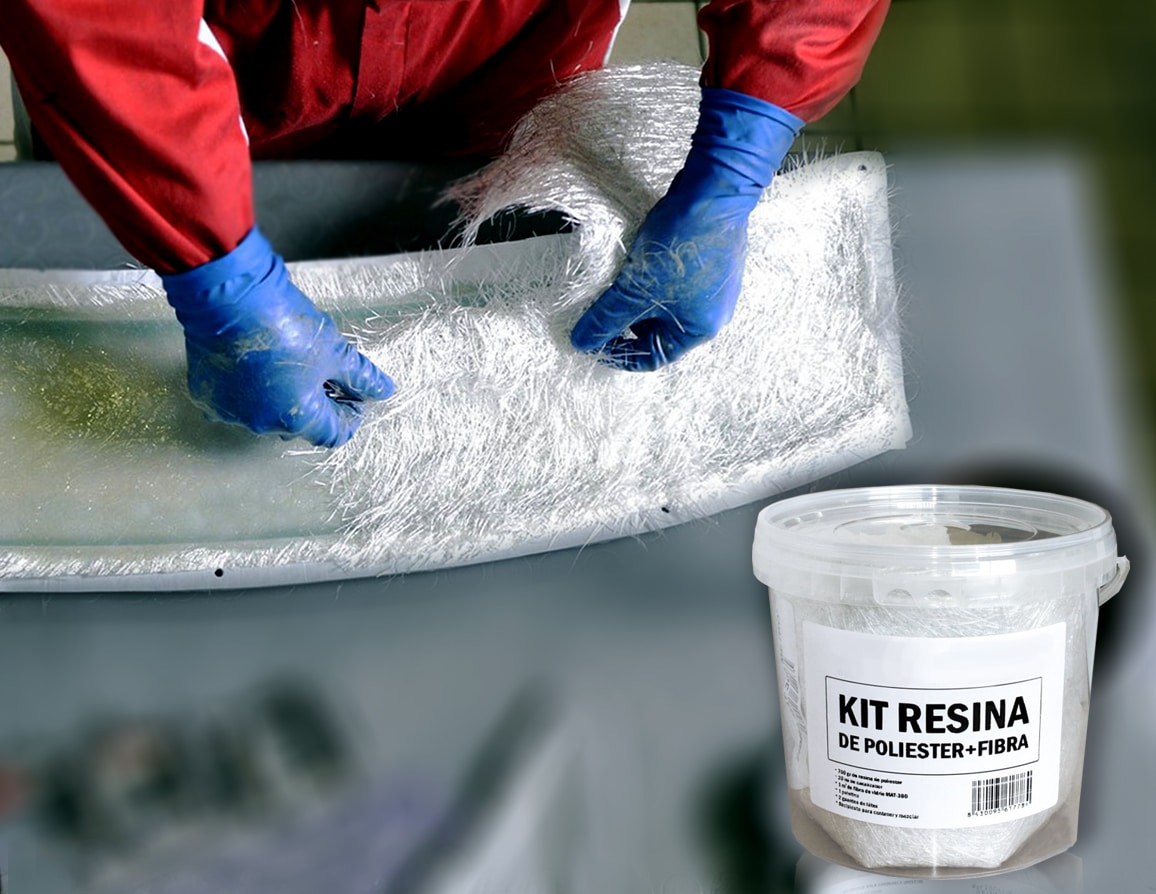
- Resin Fibreglass Repair Kit – Complete Polyester Resin and Hardener SetPrice range: £13.85 through £22.85Resin Fibreglass Repair Kit offers a complete polyester resin solution with fibreglass mat, suitable for various structural repairs.
- "Resi-Blast" – Cell Effect Additive for Resin Art, 25ml£20.50Resi-Blast is an additive designed for resin art to create cell effects, suitable for epoxy and polyester in this 'How do you dilute polyester…
Frequently Asked Questions
What’s the best thinner for polyester resin repair work?
Styrene monomer is commonly recommended to thin polyester resin. Always check your product’s instructions before use.
How much thinner should I add to polyester resin?
Typically 2–10% by volume, but exceeding the recommended amount may weaken the cured resin or cause slow curing.
Can you use acetone as a thinner for polyester resin?
Acetone is generally not recommended as it can affect curing and strength. Use only manufacturer-approved thinners.
What’s the difference between a resin additive and a thinner?
Thinners reduce viscosity for application, while additives like Resi-Blast create effects without changing cure or flow significantly.
Is thinned polyester resin as strong as undiluted?
Thinning can reduce final strength, water resistance, and bonding. Only thin when absolutely necessary and within limits.