 Free shipping on orders over £29,85
  Shipping Tracking!


 Google
 Facebook
how to dose polyester resin catalyst
A clear step-by-step guide for perfect resin-catalyst mixing

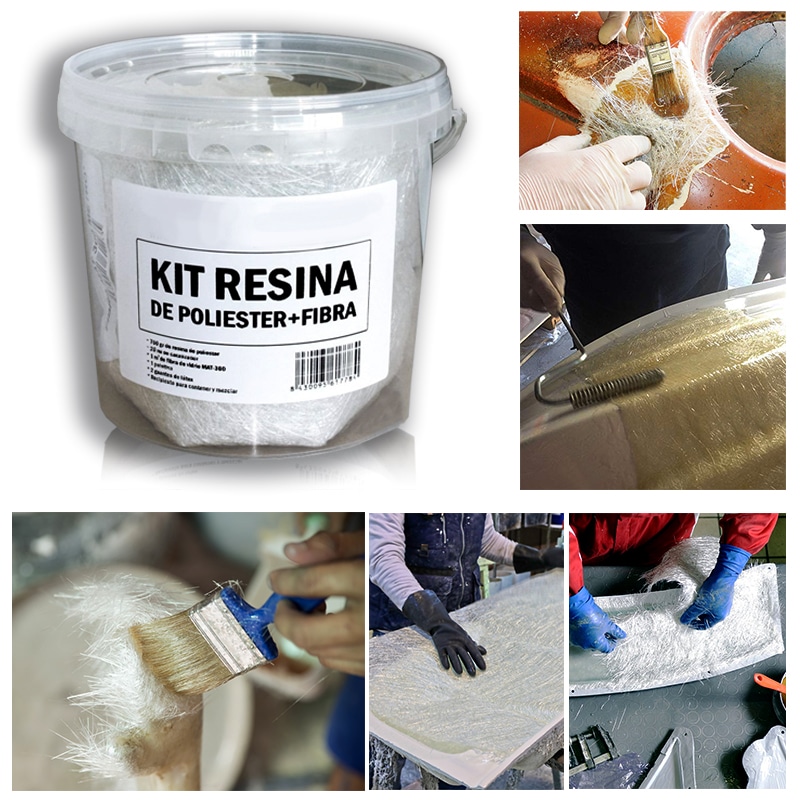
Dosing polyester resin catalyst correctly is essential for achieving strong, reliable repairs whether you are patching a boat hull, fixing a pool, or constructing with fibreglass. This guide explains the safe, effective way to measure, mix, and apply polyester resin catalyst to ensure consistent cure and maximum bond strength, whether you’re a first-timer or experienced DIY enthusiast.
What You’ll Need
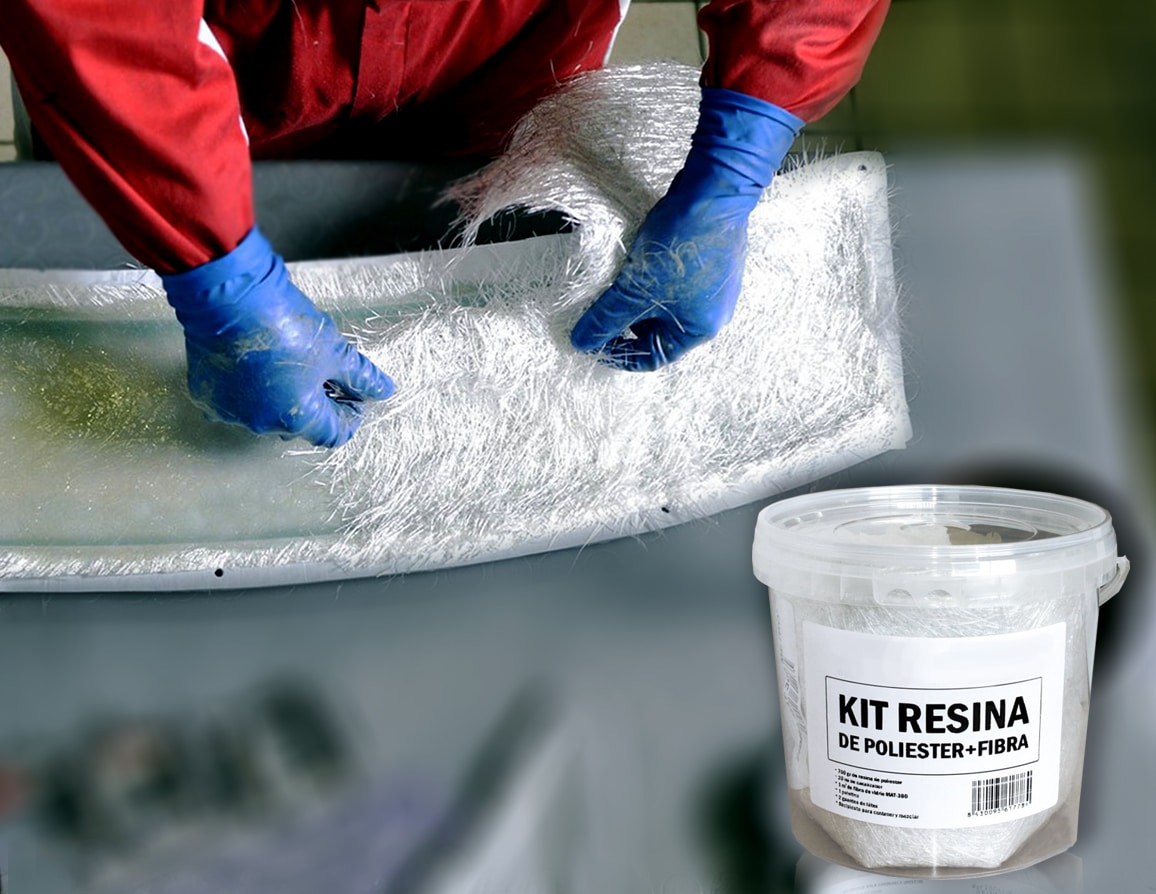
- Resin Fibreglass Repair Kit – Complete Polyester Resin and Hardener Set – a ready-made kit supplying resin, catalyst (hardener), fibreglass, and mixing accessories
- Graduated measuring cups or syringes for precise liquid measurement
- Stirring sticks or disposable spoons
- Protective gloves and goggles
- A well-ventilated workspace
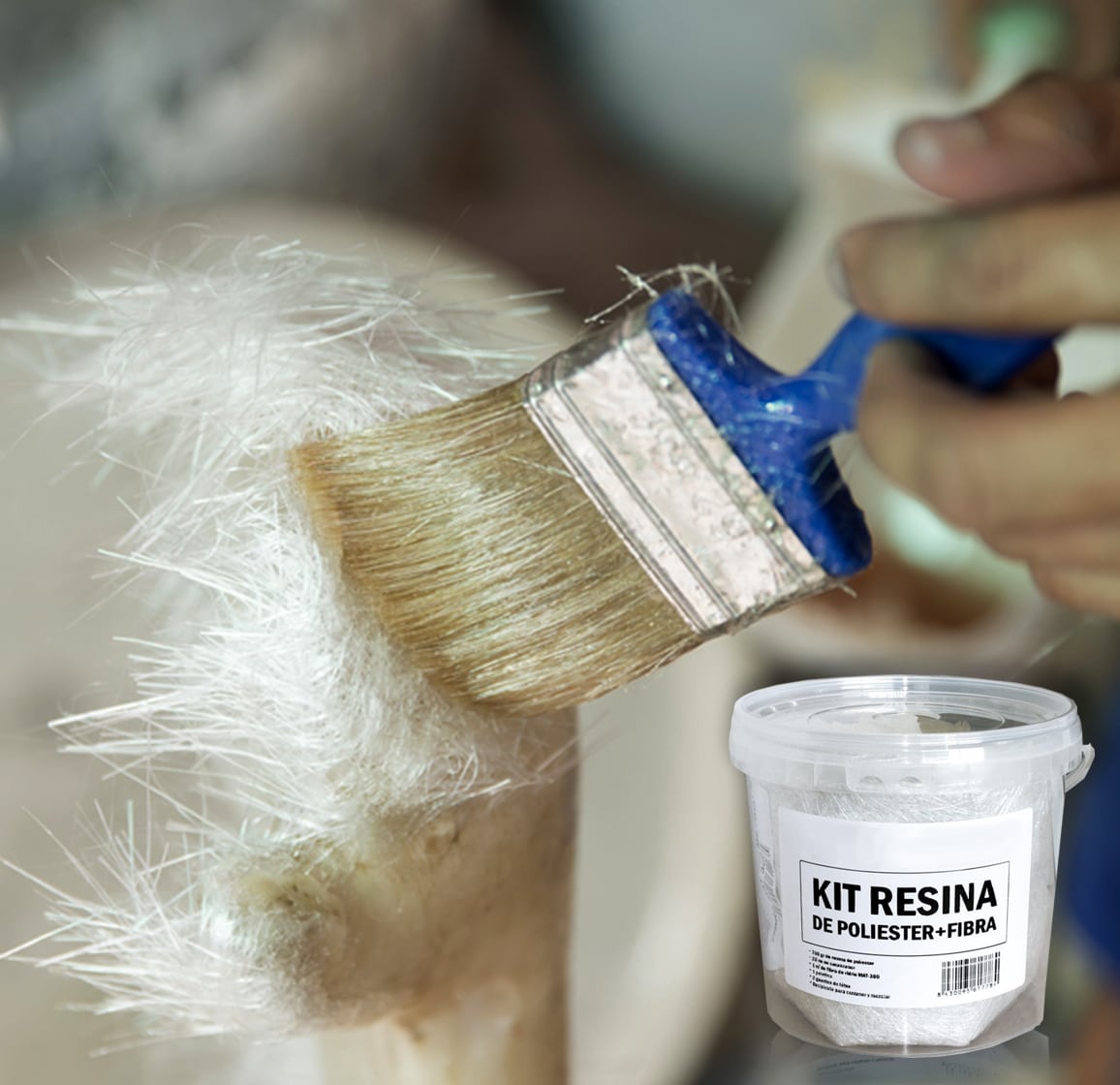
Visual Guide: Tools and Preparation for Safe Mixing
Gathering and laying out all required tools is the first step in avoiding accidental spills and ensuring a smooth workflow. Protective gloves, measuring tools, well-labelled containers, and the kit contents ready at hand help guarantee accuracy and safety during catalyst dosing.
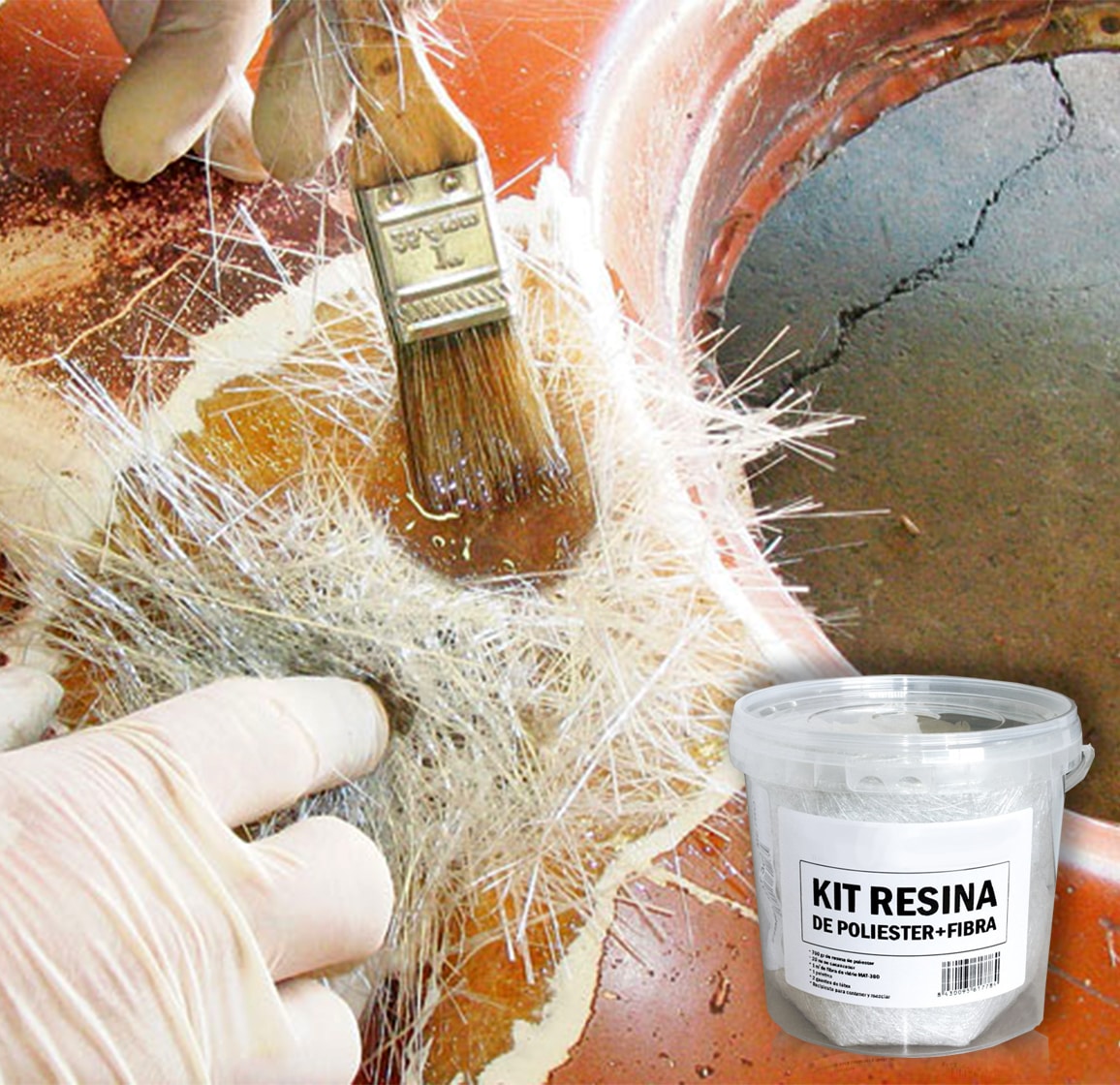
Step 1: Prepare Your Workspace and Safety Gear
Always wear gloves and work in a ventilated space to protect yourself from fumes and skin contact. Lay down protective covering to catch any spills. Organise your tools and materials before starting the mixing process to prevent delays once the resin is catalysed, as it will begin to cure quickly.
Step 2: Determine the Proper Catalyst Dose
Accurate catalyst dosing is critical for strength and cure. For most general-purpose polyester resins, the typical catalyst (hardener) amount is 2–3% by weight or volume of the resin. Check the instructions for your specific resin. The Resin Fibreglass Repair Kit – Complete Polyester Resin and Hardener Set includes a 3% dose guideline as standard, making measurement straightforward. Use a graduated measuring cup or syringe to measure resin and catalyst separately before mixing.
Step 3: Mix Resin and Catalyst Thoroughly
Pour the measured resin into your mixing container first, then add the pre-measured catalyst. Thorough mixing prevents weak spots in your repair – stir gently but consistently for at least 1–2 minutes, scraping the sides and base of the container to ensure an even blend. Incomplete mixing can cause uneven curing and weaken the finished result.
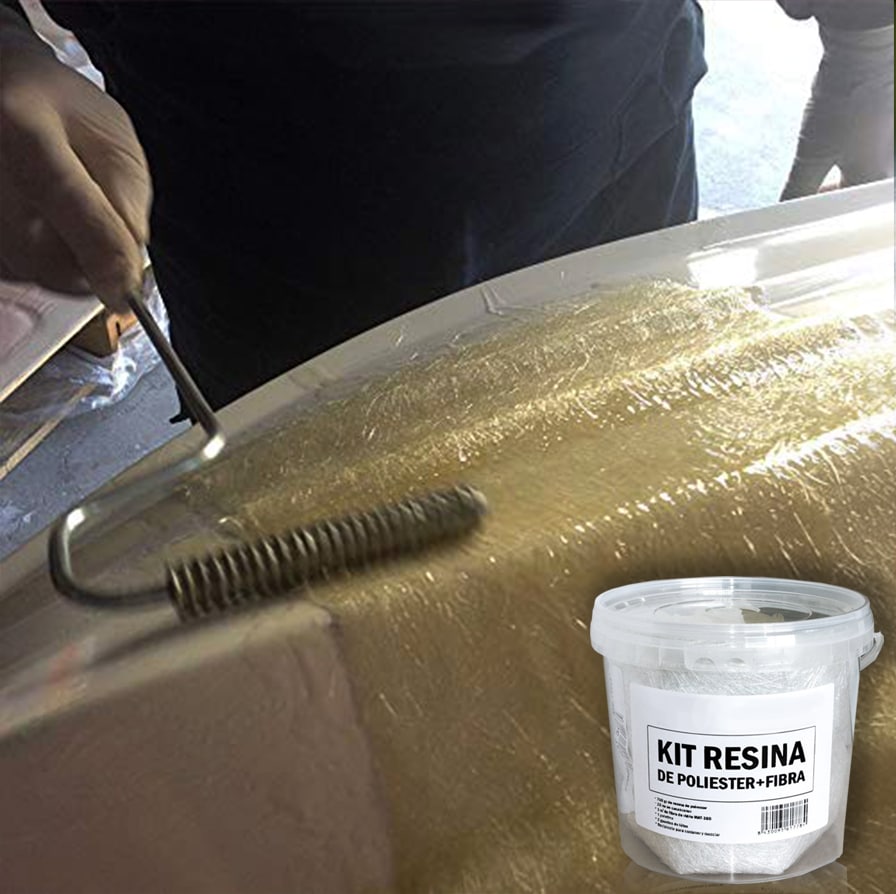
Step 4: Apply the Mixture Quickly and Evenly
Once mixed, polyester resin will begin to harden within minutes (often 10–20 minutes depending on temperature and dose). Apply the mixture without delay to your prepared surface, ensuring even coverage. If using a kit with fibreglass matting, embed the mat fully into the wet resin for a strong bond.
Tips, Common Mistakes, and Troubleshooting
Check the recommended ratio for your resin; too much catalyst leads to brittleness and overheating, while too little results in slow or incomplete curing. Avoid hurried or careless mixing – under-mixed resin may never harden fully. If in doubt, always prepare a small test batch before tackling critical repairs. Clean tools promptly with appropriate solvent before curing begins to avoid permanent residue.
Mixing in Action: Catalyst and Resin Integration
Observe the mixture closely as you add the catalyst to the resin. Steady stirring, clear containers, and immediate application showcase good technique for seamless hardening and optimal bond strength in fibreglass repairs.
Frequently Asked Questions
What is the standard mixing ratio for polyester resin catalyst?
Most polyester resins use 2–3% catalyst by weight or volume, but you should always check your product’s specific recommendations.
How long does polyester resin take to set after adding catalyst?
Typically, the resin begins hardening within 10–20 minutes, but cure times vary with temperature and catalyst quantity.
What safety gear should I wear when handling catalyst?
Wear gloves, safety goggles, and ensure good ventilation to avoid skin contact and exposure to fumes.
Why does my polyester resin remain sticky or go brittle?
Incorrect catalyst ratio or incomplete mixing can cause these issues; always measure and mix thoroughly for best results.
Can I reuse leftover resin once it’s mixed with catalyst?
No, once mixed, the resin will cure regardless of use; only mix what you need for immediate application.