 Free shipping on orders over £29,85
  Shipping Tracking!


 Google
 Facebook
how to make polyurethane resin stickers
Create flexible, glossy domed stickers for labels or crafts
If you’re looking to add a glossy, durable finish to your custom labels, crafts, or product badges, making your own polyurethane resin stickers is the perfect solution. This guide takes you through every step—from preparation to finishing—so you can achieve flexible, crystal-clear, professional-quality results at home or in your studio.
What You’ll Need
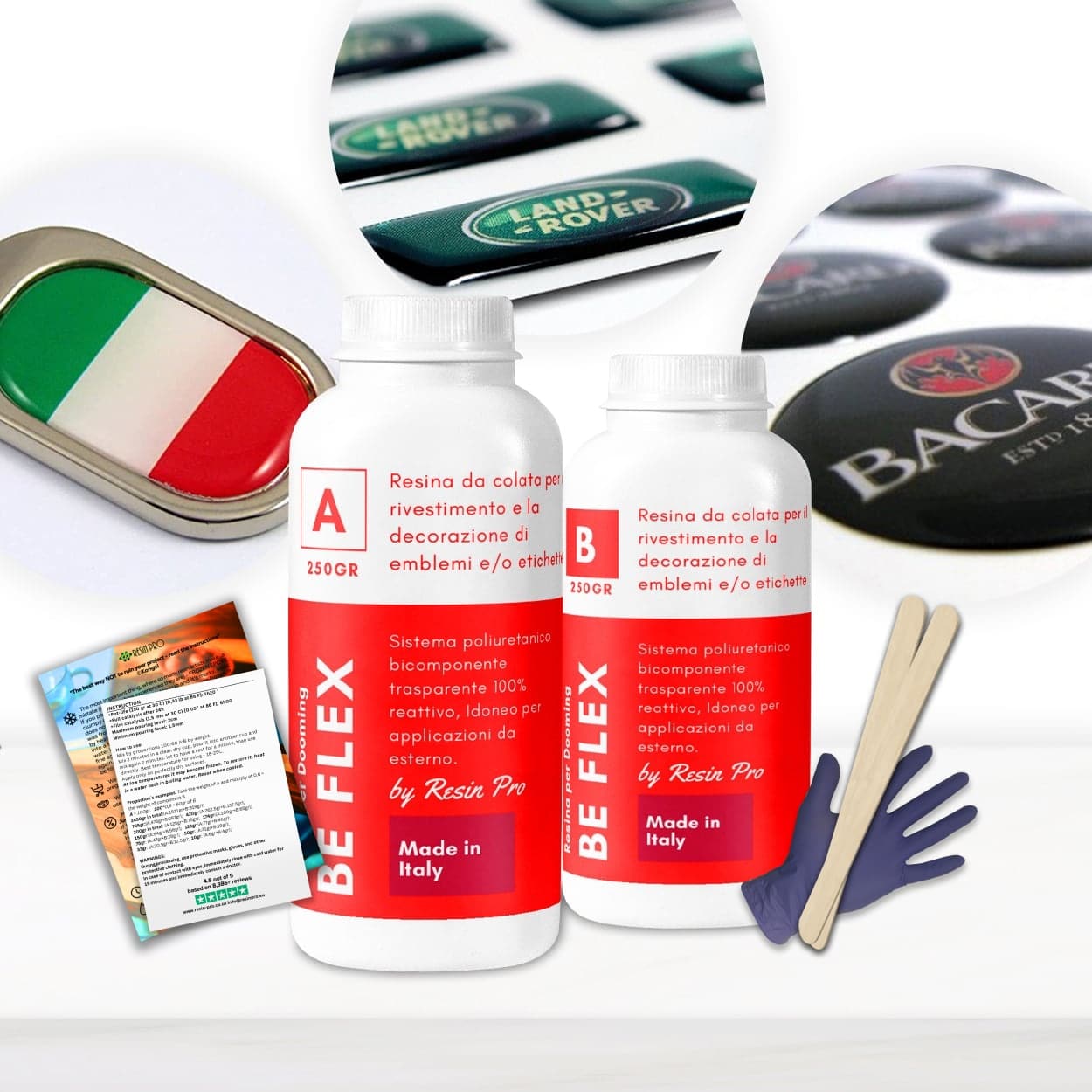
- “Be Flex” – Transparent Polyurethane Doming Resin – Scratch-Resistant: A flexible doming resin for clear, 3D sticker effects.
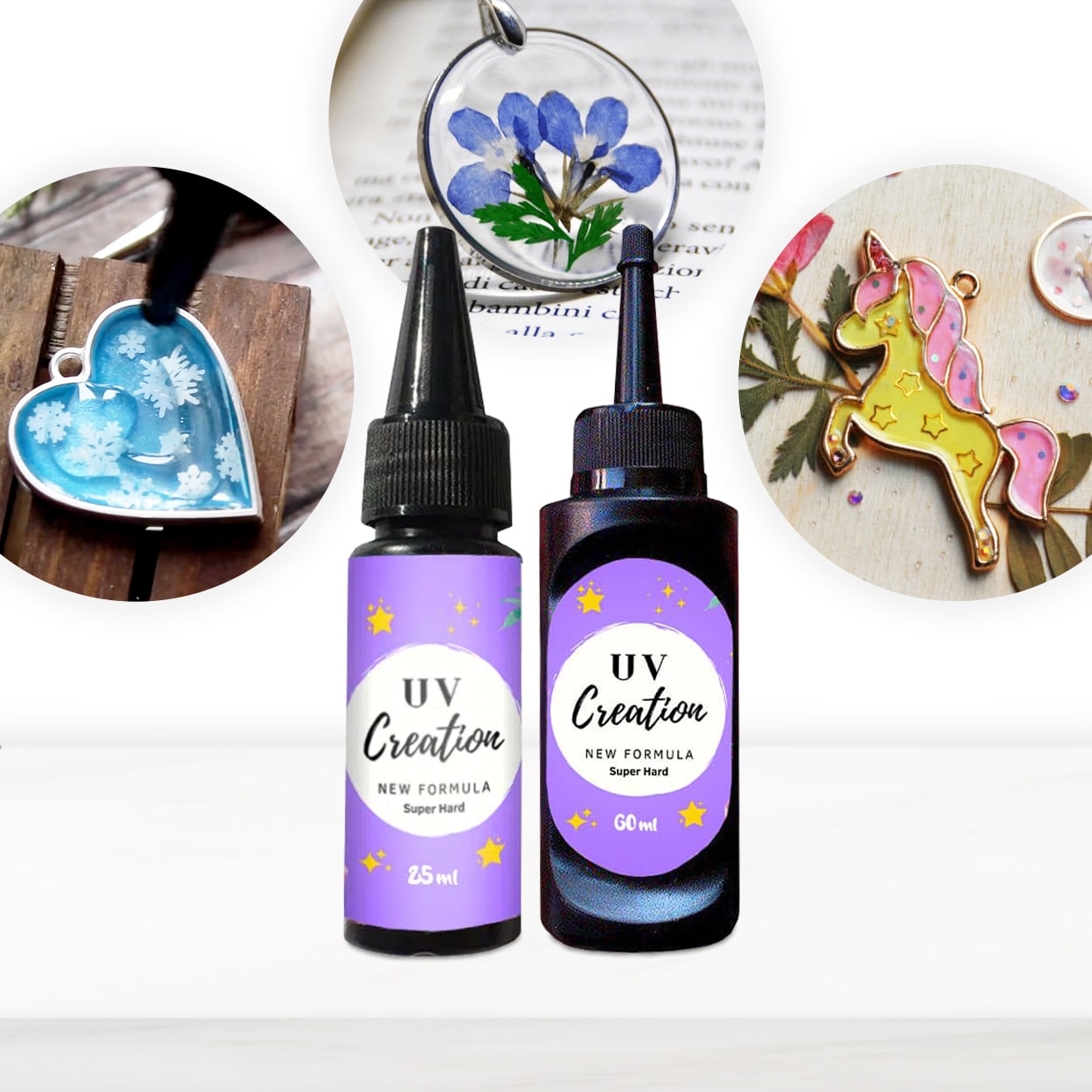
- “UV–Creation” – Fast Acrylic Resin, 3 Minute UV Cure: For fast-setting, small domed details.
- “Fairy Wings” – UV Resin for Volumetric Reliefs, Dual Colour, 30ml: For intricate, coloured relief accents.
- Mixing Sticks for Epoxy Resin – Perfect for Blending – 3Pcs Pack: Essential for accurate resin blending.
- Nitrile gloves and protective apron
- Non-stick work mat or silicone sheet
- Printed sticker designs on suitable media
- Pipettes or disposable syringes (optional for fine control)
- UV lamp (if using UV-cured resin)
Essential Tools for Resin Sticker Perfection
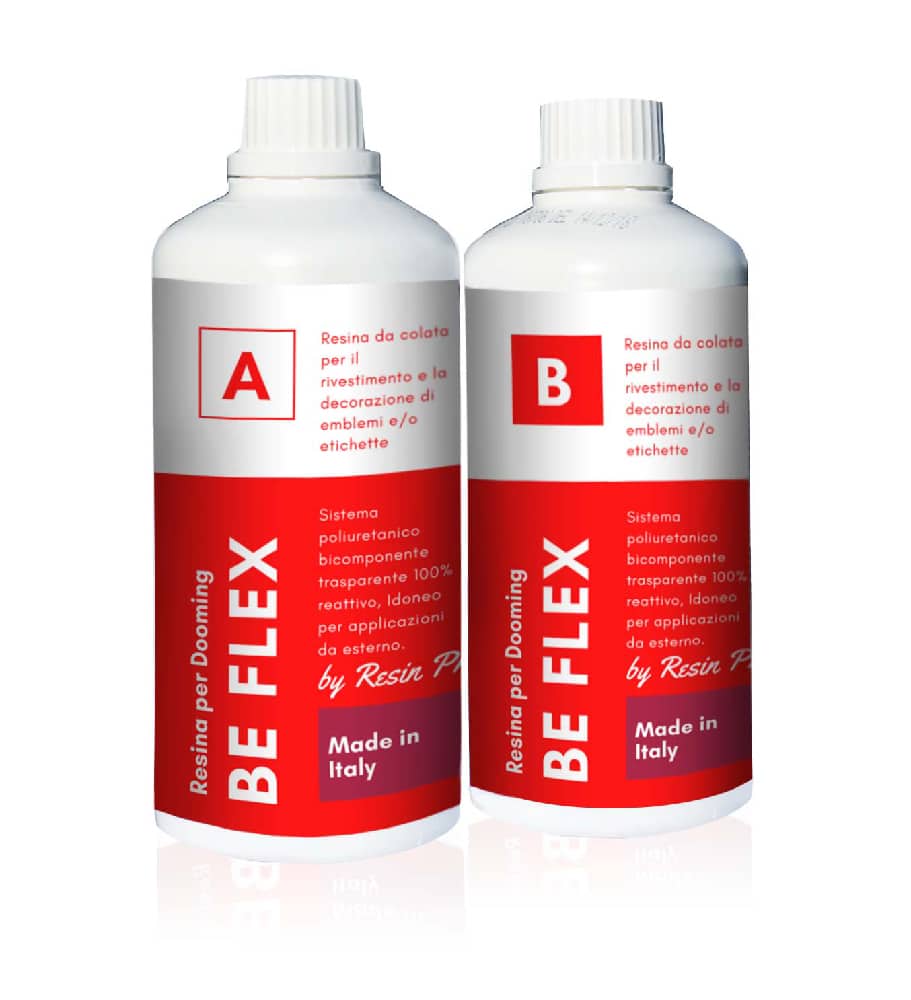
High-quality mixing sticks and reliable doming resins are the backbone of professional resin sticker crafting. Using proper tools like Mixing Sticks for Epoxy Resin ensures even resin blending, while doming resins such as “Be Flex” and versatile UV resins provide flexibility and clarity for every project.
Step 1: Prepare Your Workspace and Stickers
Start by choosing a clean, flat work surface well-ventilated and protected from dust. Work on a clean, dust-free surface to achieve a clear, bubble-free result. Lay out your printed sticker sheets on a silicone mat or non-stick surface, ensuring each sticker is well-separated to allow resin to pool without merging edges. Secure the sticker sheets if necessary to prevent movement.
For best adhesion, stickers should be printed on resin-compatible media—such as waterproof vinyl or specialised doming paper. Avoid using extremely absorbent surfaces, which may cause resin bleed. If in doubt, conduct a small patch test before your main pour.
Step 2: Accurately Mix Your Resin
Polyurethane doming resin usually comes as a two-part system. Measure resin and hardener accurately according to the manufacturer’s instructions. Use clean Mixing Sticks for Epoxy Resin for thorough blending—scrape the bottom and sides of your mixing container to ensure an even mix.
Mix slowly to minimise air bubbles. If you’re using UV-curing resins such as “UV–Creation” – Fast Acrylic Resin or “Fairy Wings” – UV Resin for Volumetric Reliefs, no mixing is necessary—these products are ready-to-use, but any pigment or glitter should be added gently to avoid bubbles.
Step 3: Apply the Resin to Your Stickers
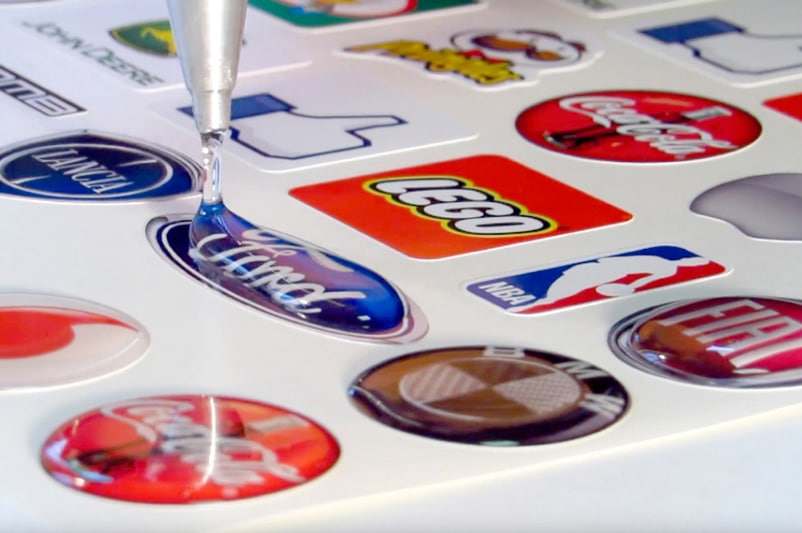
Once the resin is well mixed, use a pipette, syringe, or drop stick to dispense a small amount onto the centre of each sticker. The resin will naturally flow outward, creating a raised domed effect due to surface tension. Allow resin to flow naturally into domed stickers; avoid overfilling or pushing the resin past the sticker’s edge.
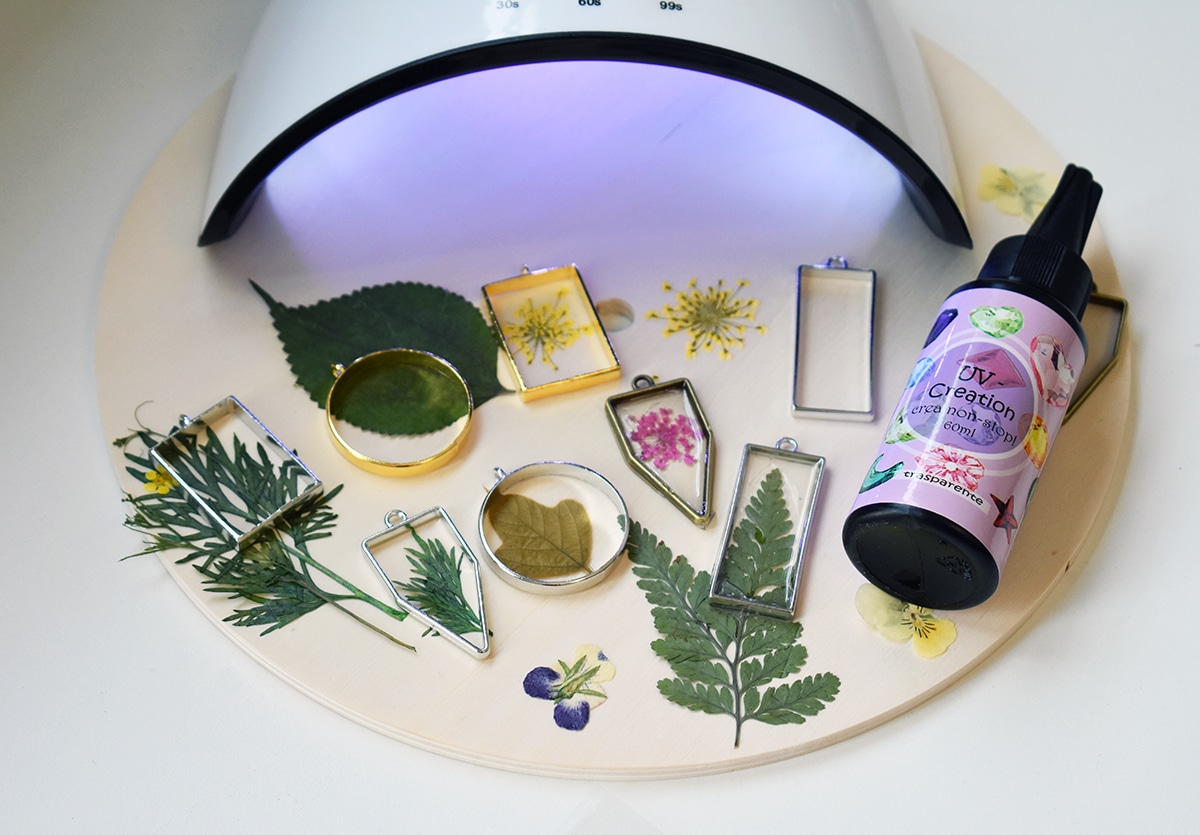
If working with intricate shapes or want artistic reliefs, use a UV resin like “Fairy Wings” for detailing. Use a fine brush or the bottle’s nib to control small accents or coloured domes. For fast projects or urgent doming, “UV–Creation” can be cured instantly under a lamp.
Step 4: Cure and Finish the Stickers
For polyurethane resins, let your stickers cure at room temperature, undisturbed and covered, for the recommended period (often 24 hours) until fully set. Cure the resin fully for lasting flexibility—moving stickers too soon can distort the finish.
When using UV-curing products, expose the resin to a UV lamp for the duration specified by the manufacturer (typically 2–5 minutes). Once cured, the stickers can be handled and applied to a variety of surfaces—curved or flat—thanks to their newfound flexibility.
Tips and Common Mistakes
For best results, protect stickers from dust and excess moisture during curing. Bubbling can be minimised by mixing slowly and avoiding over-agitation. Keep layers thin, especially with UV resin, to ensure full and even curing. Test your surface first if you’re unsure whether it will react with the resin, particularly with different types of adhesives or coatings on your stickers. If any doming resin overspills, wipe away drips immediately for a neat edge.
Creative Flourishes and Quality Assurance
Combine layered techniques and experiment with coloured reliefs using “Fairy Wings” or quick prototypes with “UV–Creation” for further customisation. Curing in clean, controlled environments guarantees glossy, bubble-free finishes for a truly professional result.
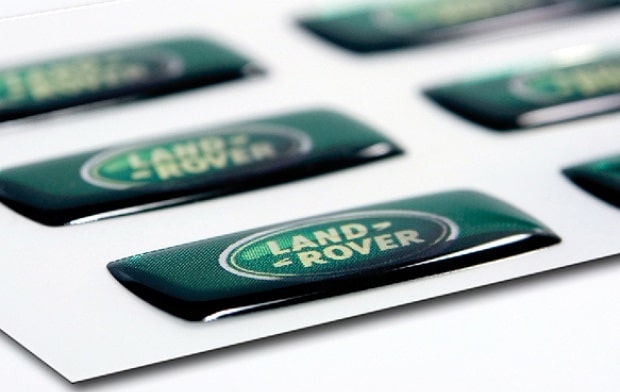
- "Be Flex" – Transparent Polyurethane Doming Resin – Scratch-ResistantPrice range: £21.85 through £77.85Flexible, transparent polyurethane resin designed for stickers and labels with a scratch-resistant, self-healing finish.
- "UV–Creation" – Fast Acrylic Resin, 3 Minute UV CurePrice range: £7.85 through £59.85"UV–Creation" is a ready-to-use UV gel resin curing quickly under UV light, suitable for jewellery and small craft projects with a clear, glossy…
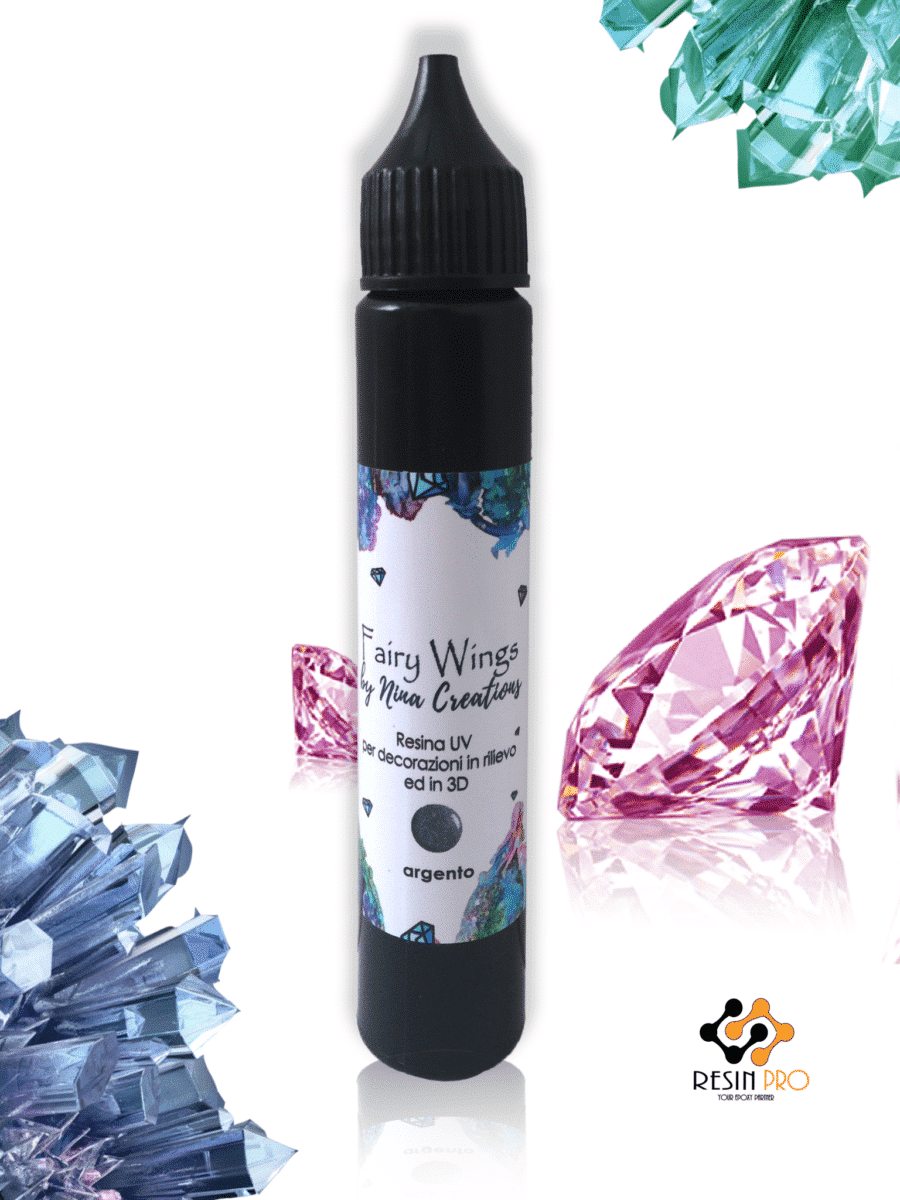 "Fairy Wings" – UV Resin for Volumetric Reliefs, Dual Colour, 30mlOriginal price was: £15.15.£2.85Current price is: £2.85."Fairy Wings" UV Resin offers artists a ready-to-use dual colour acrylic gel for detailed reliefs, suitable for crafting with polymer clay.
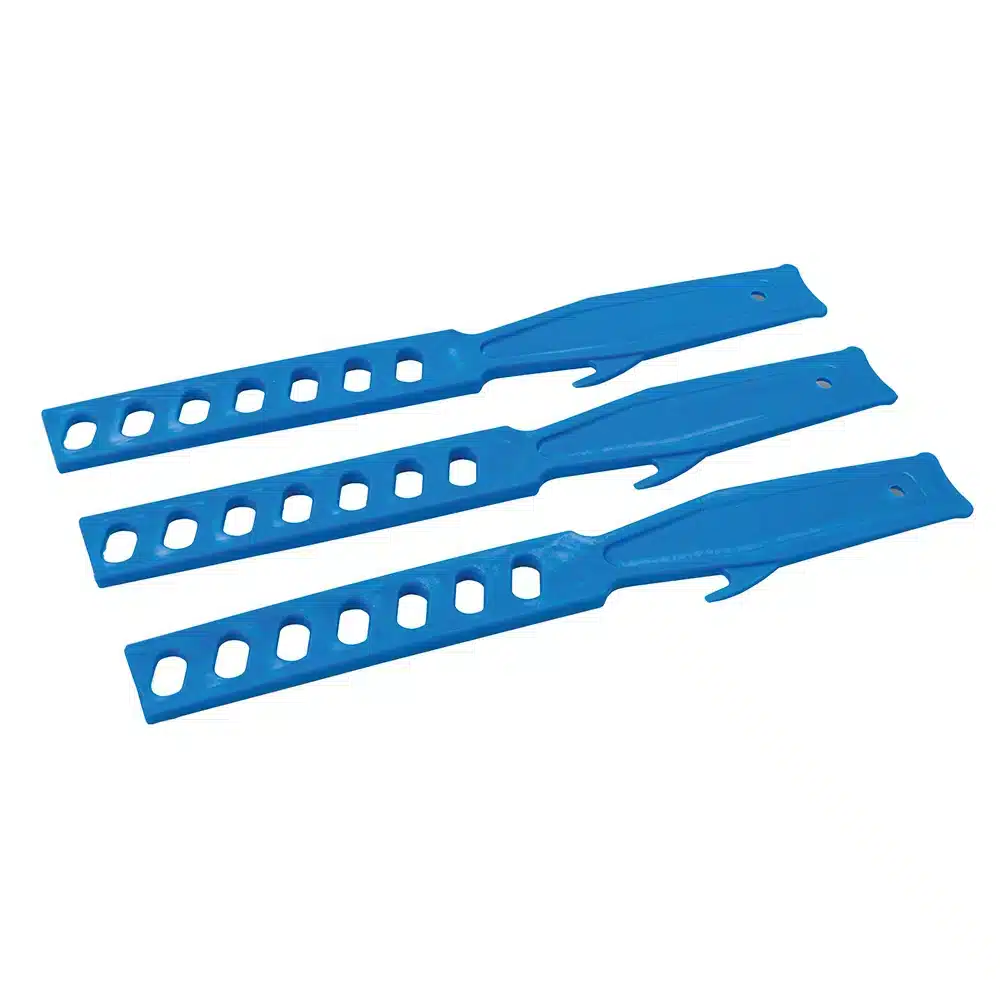 Mixing Sticks for Epoxy Resin – Perfect for Blending – 3Pcs Pack£4.45Mixing sticks designed for precision blending of epoxy resins, reusable and easy to clean for resin sticker making.
Frequently Asked Questions
Can I use UV resin instead of polyurethane resin for domed stickers?
Yes, UV resins can be used for small batch doming and fast cures, but for maximum flexibility and outdoor durability, a polyurethane doming resin is preferred.
How do I avoid bubbles when applying resin domes to stickers?
Mix resin slowly and apply in a dust-free space. Allow air bubbles to rise and pop before curing. Use a fine tool to guide trapped bubbles out if needed.
What sticker papers are suitable for resin doming?
Choose waterproof vinyl or doming-compatible media to prevent resin bleed. Avoid highly absorbent or untreated papers for cleaner results.
How long should I let polyurethane resin cure on my stickers?
Allow at least 24 hours at room temperature for a full cure. Do not disturb stickers until they are completely set to avoid marks or distortion.
Is Be Flex resin suitable for making stickers used on children’s products?
Be Flex is non-toxic and vegan, but as with any resin, supervise use and avoid prolonged contact with the mouth.
Can I layer UV and polyurethane resins for custom resin stickers?
Yes, but ensure each layer cures fully and test adhesion on a sample before combining the two types in one sticker.