 Free shipping on orders over £29,85
  Shipping Tracking!


 Google
 Facebook
How do you make costume jewellery with resin?
Step-by-step guide for resin jewellery beginners and enthusiasts


Creating costume jewellery with resin is an accessible and exciting way to produce unique accessories, ideal for gifts or personal style. Whether you are a passionate hobbyist or a first-time crafter, mastering basic resin techniques will let you design custom pieces with lasting impact. This guide walks you through every stage, from preparation to the final finishing touches.
What You’ll Need
- “Evershine Collection” – Artisan Jewellery Epoxy Resin Kit with 100+ Accessories
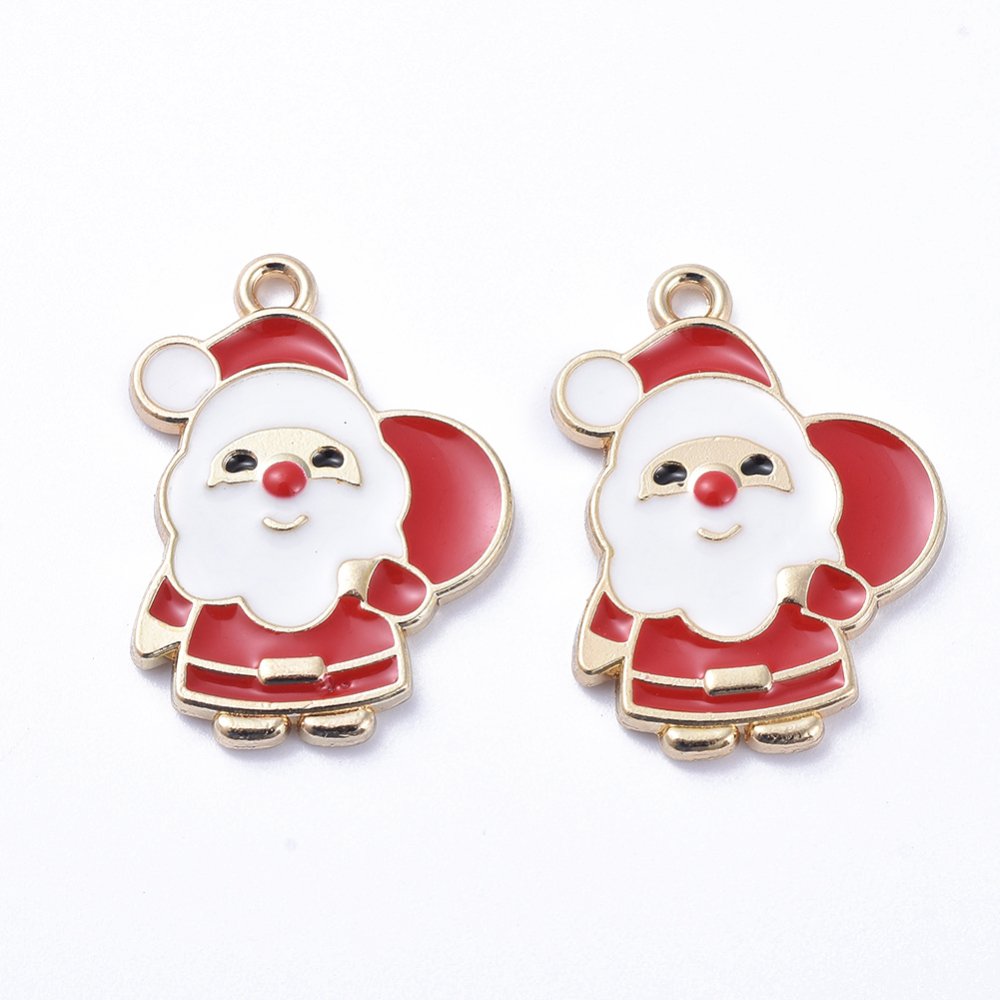
- Set of 10 Open Metal Bezels for Jewellery Making and UV Resin Projects
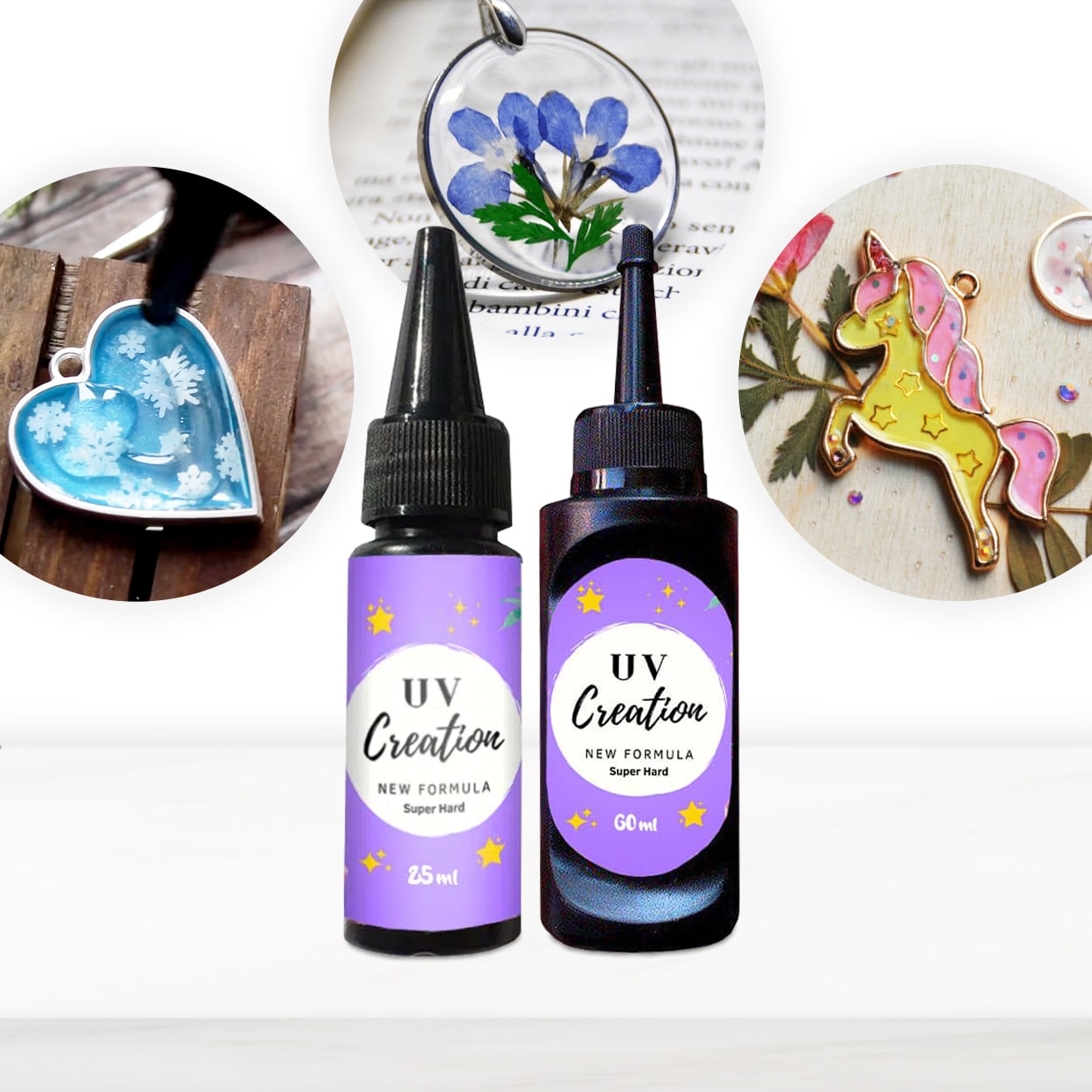
- “UV–Creation” – Fast Acrylic Resin, 3 Minute UV Cure
- “One-2-One” – Epoxy Resin for Handcraft, 1:1 Mixing Ratio
- Protective gloves and eye protection
- Mixing cups and stir sticks
- Jewellery moulds or silicone trays
- Pigments, dried flowers, or decorative elements
- UV lamp (for UV resin only)
- Toothpicks or tweezers for fine adjustments
- Sandpaper or polishing tools

Inspiration for Your Resin Jewellery Workspace
Visualise your crafting setup: A tidy, well-lit table with neatly arranged moulds and shimmering resin colours ready to pour. Having everything at hand lets you create without interruption.
Step 1: Set Up Your Workspace
Prepare a flat, clean, and well-ventilated area to work. Resin can be sticky and sensitive to dust, so cover your surface with a disposable sheet or a silicone mat. Use protective gloves and eye protection to prevent any contact with uncured resin, and keep windows open for airflow. Gather all your materials and ensure your moulds or bezels are clean and dry before you begin.
Organising your workspace in advance minimises mistakes and helps you achieve professional-looking results without mess.
Step 2: Measure and Mix Your Resin
Choose the right resin for your project. For beginners or multi-piece projects, an all-in-one kit such as the “Evershine Collection” – Artisan Jewellery Epoxy Resin Kit with 100+ Accessories offers pre-measured bottles and all necessary accessories. If you prefer a straightforward resin for handcraft, “One-2-One” – Epoxy Resin for Handcraft, 1:1 Mixing Ratio is ideal with its easy equal-parts mixing by volume.
Read your resin instructions carefully. Mix resin and hardener thoroughly for the recommended time, usually 2-3 minutes, scraping sides and bottom to ensure complete integration. Incomplete mixing may leave soft spots in your finished jewellery.
Step 3: Pour and Design Your Jewellery
Select your preferred method—either fill a silicone mould or use an open metal bezel. If you choose bezels, consider the Set of 10 Open Metal Bezels for Jewellery Making and UV Resin Projects for festive or custom shapes.
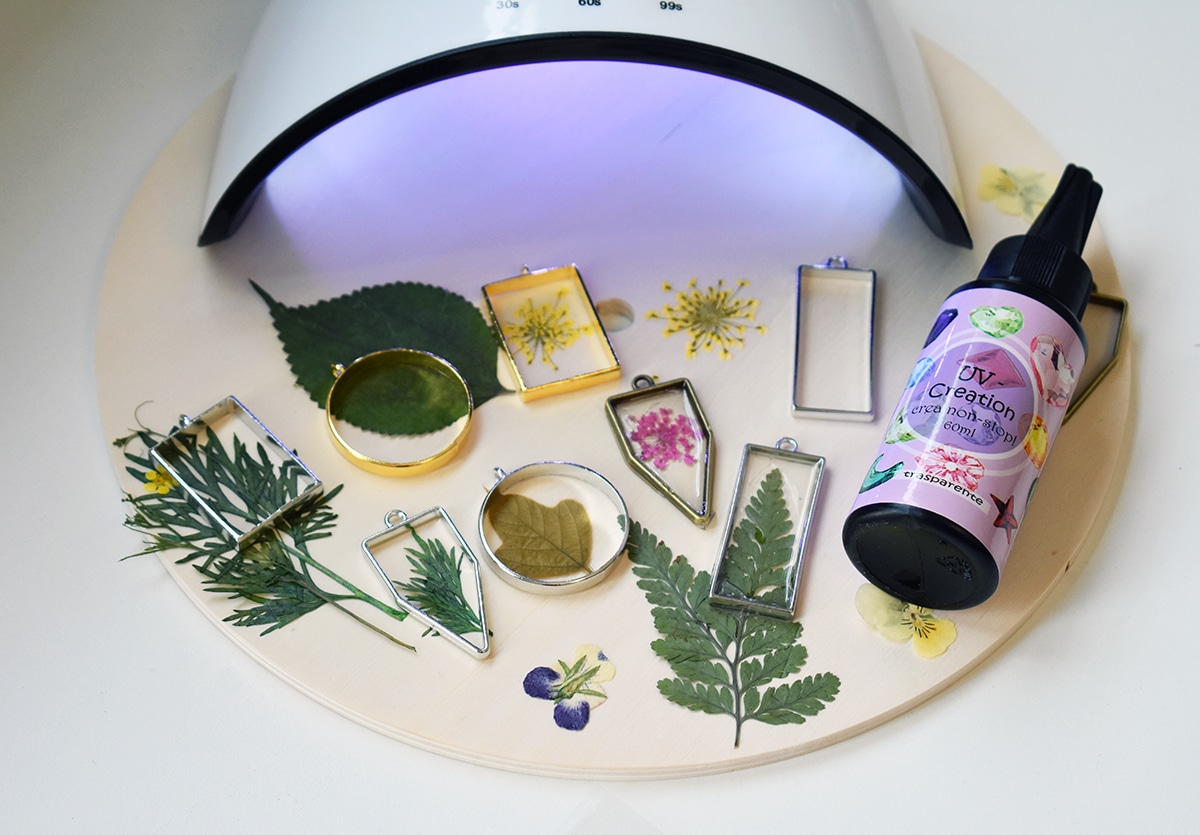
Carefully pour resin into your mould or bezel, filling slowly to minimise trapped air bubbles. Add decorative elements such as dried flowers or pigment powders for custom effects. To speed up curing for small pieces, “UV–Creation” – Fast Acrylic Resin, 3 Minute UV Cure is excellent for fast results when paired with a UV lamp.
Use toothpicks to adjust small details in the resin or remove surface bubbles as needed. Choose your mould or bezel and fill with attention to even layering and incorporate elements before setting.
Step 4: Demould and Finish Your Jewellery
Once the resin has fully cured—typically 24 hours for epoxy resins, or just minutes for UV resin—gently flex the mould to release your pieces. If using bezels, ensure resin has set hard before handling. Demould and finish your jewellery by trimming any excess resin or smoothing rough edges with sandpaper.
Add findings or chains as desired, using pliers or the jewellery accessories included in comprehensive kits. A final polish will enhance clarity and gloss, giving your piece a professional finish.
Tips and Trouble-Shooting for Resin Jewellery
Always work in a dust-free, ventilated area to avoid imperfections. Mix slowly to reduce bubbles, and use a heat source or torch briefly to help bubbles rise on the surface. Be careful not to overfill moulds or bezels. Allow pieces to cure without moving them for best results. If a piece remains tacky, give it extra curing time or check your mixing ratio.
If using UV resin, ensure your lamp is strong enough to cure the resin fully—thin layers work best. Experiment with pigments sparingly, as too much pigment can affect resin curing and transparency. Practice on small pieces to perfect your pour before moving to intricate designs.
Project Ideas: Creative Resin Jewellery
Explore creative possibilities by making letter charms, layered pendants, and nature-inspired pieces. Jewellery kits and open bezels offer endless options for style and gifting.

- "Evershine Collection" – Artisan Jewellery Epoxy Resin Kit with 100+ Accessories£20.85"Evershine Collection" offers a complete resin jewellery kit with 500g clear epoxy and over 100 accessories for costume jewellery creation.
- Set of 10 Open Metal Bezels for Jewellery Making and UV Resin ProjectsOriginal price was: £8.45.£6.85Current price is: £6.85.Set of 10 open metal bezels suitable for festive resin jewellery and keepsakes. Designed for creative resin crafters and DIY enthusiasts.
- "UV–Creation" – Fast Acrylic Resin, 3 Minute UV CurePrice range: £7.85 through £59.85UV–Creation is a fast-curing acrylic UV resin, designed for jewellery makers, offering a clear, glossy finish suitable for costume jewellery crafting.
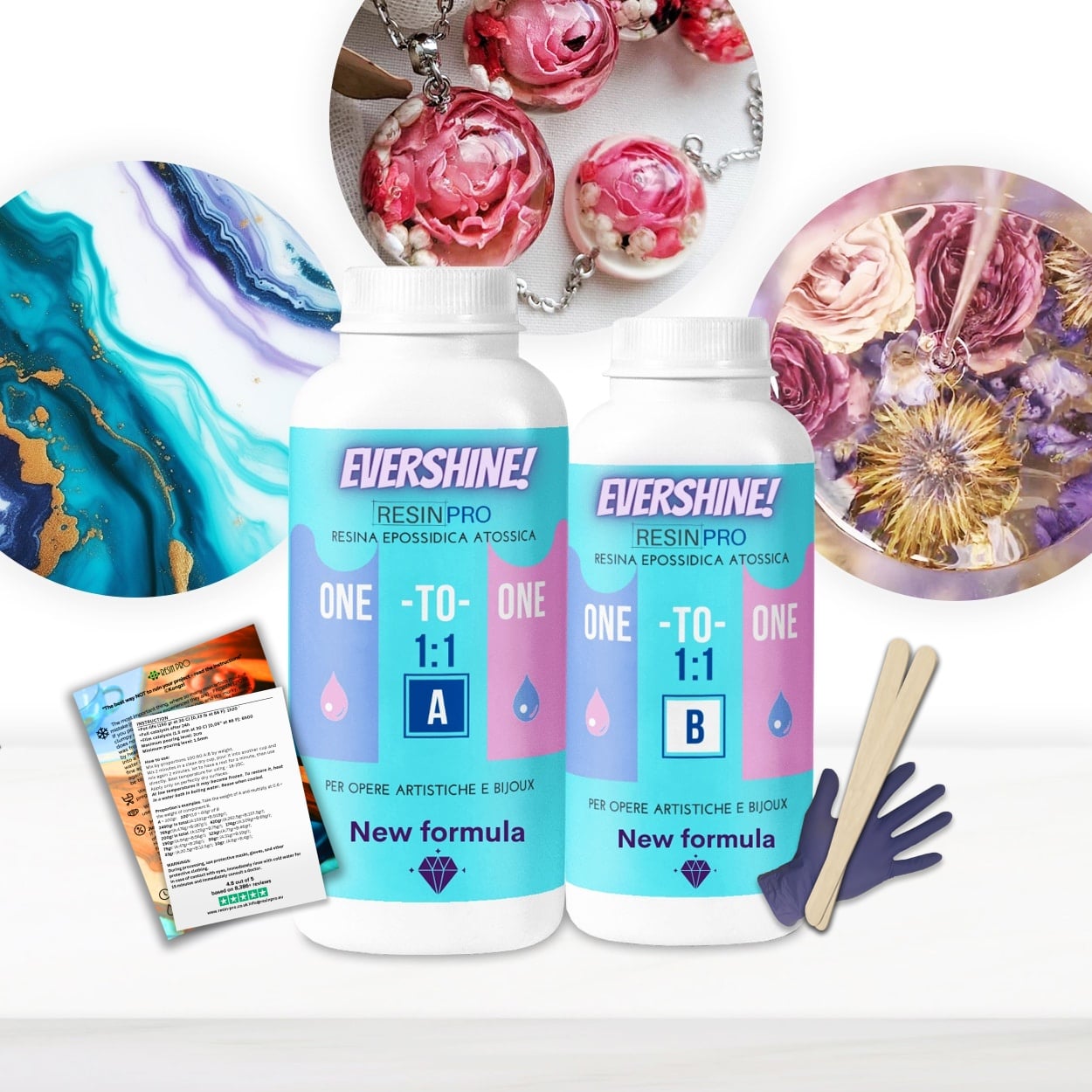 "One-2-One" – Epoxy Resin for Handcraft, 1:1 Mixing RatioPrice range: £14.85 through £56.85"One-2-One" epoxy resin is a medium viscosity, non-toxic resin suitable for jewellery and decorative projects with an easy 1:1 mixing ratio.
Frequently Asked Questions
Can I use any moulds for resin jewellery?
Silicone moulds work best for resin jewellery as they allow easy release and detailed shapes. Avoid plastic or rigid moulds.
How long does resin need to cure for jewellery?
Epoxy resin typically requires 24 hours to cure, while UV resin can harden in minutes under a UV lamp.
Why are bubbles forming in my resin pieces?
Bubbles are usually from mixing too quickly or pouring too fast. Mix slowly and use a toothpick or gentle heat to remove them.
How do I prevent dust on resin jewellery?
Work in a clean area and cover curing pieces with a box or sheet to keep dust away until fully set.
Is resin jewellery safe to wear?
Cured resin jewellery is safe to wear. Ensure resin is fully hardened and avoid skin contact with uncured resin.
Can I add flowers or photos in resin jewellery?
Yes, dried flowers and paper photos can be embedded. Ensure they're dry to prevent cloudiness or bubbles.