 Free shipping on orders over £29,85
  Shipping Tracking!


 Google
 Facebook
How do you make resin pendants?
Beginner-friendly guide for creating unique resin jewellery pendants.


Creating resin pendants is a rewarding craft that enables you to design custom jewellery with a professional finish. This guide walks you through the process, covering every key stage from preparation to demoulding, so you can achieve flawless, personalised pendants—whether as gifts or to add to your own collection.
What You’ll Need
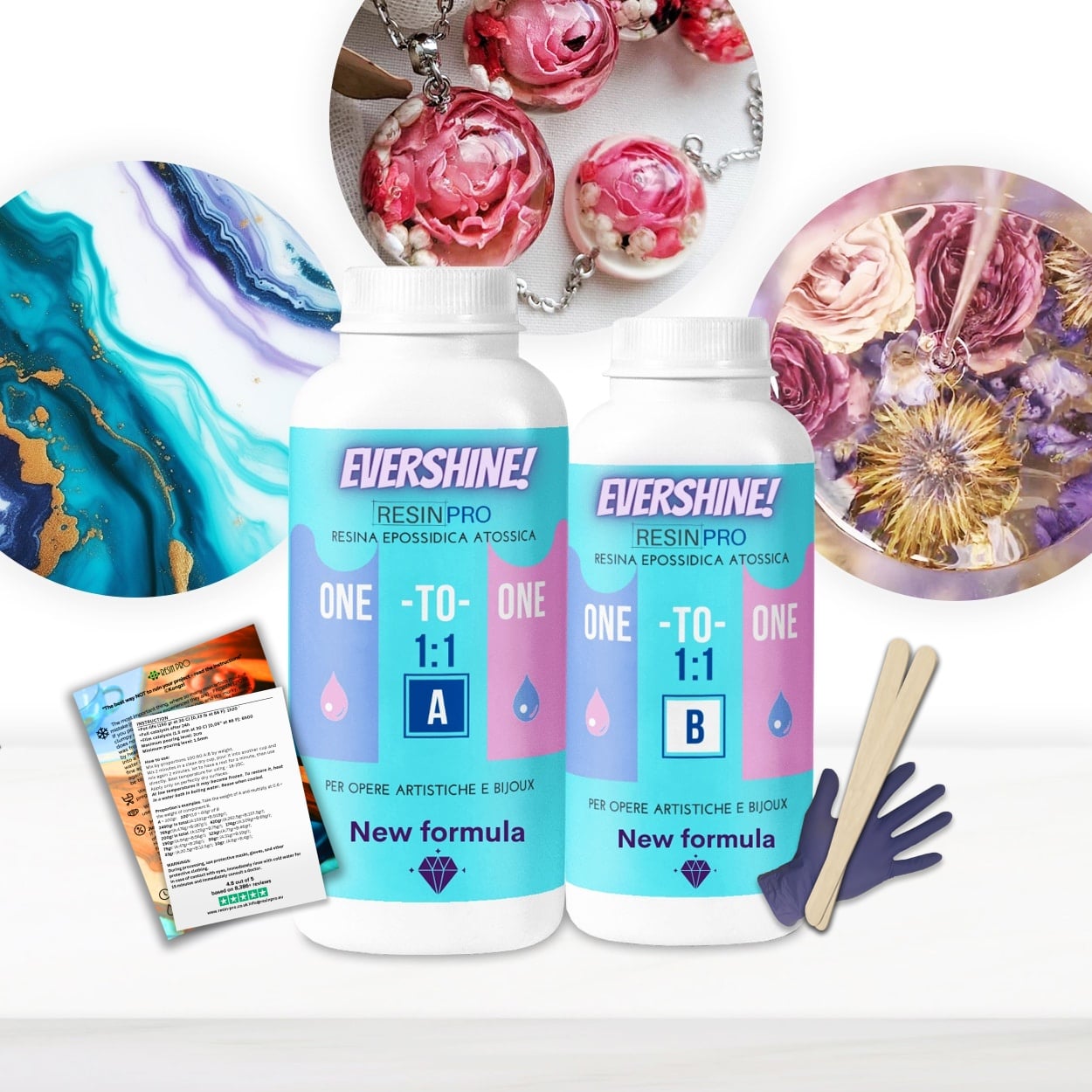
- “Evershine Collection” – Artisan Jewellery Epoxy Resin Kit with 100+ Accessories: A beginner-friendly kit with resin, moulds, and equipment for pendant making.
- Set of 10 Open Metal Bezels for Jewellery Making and UV Resin Projects: Durable bezels perfect for UV resin designs and framing creative inclusions.
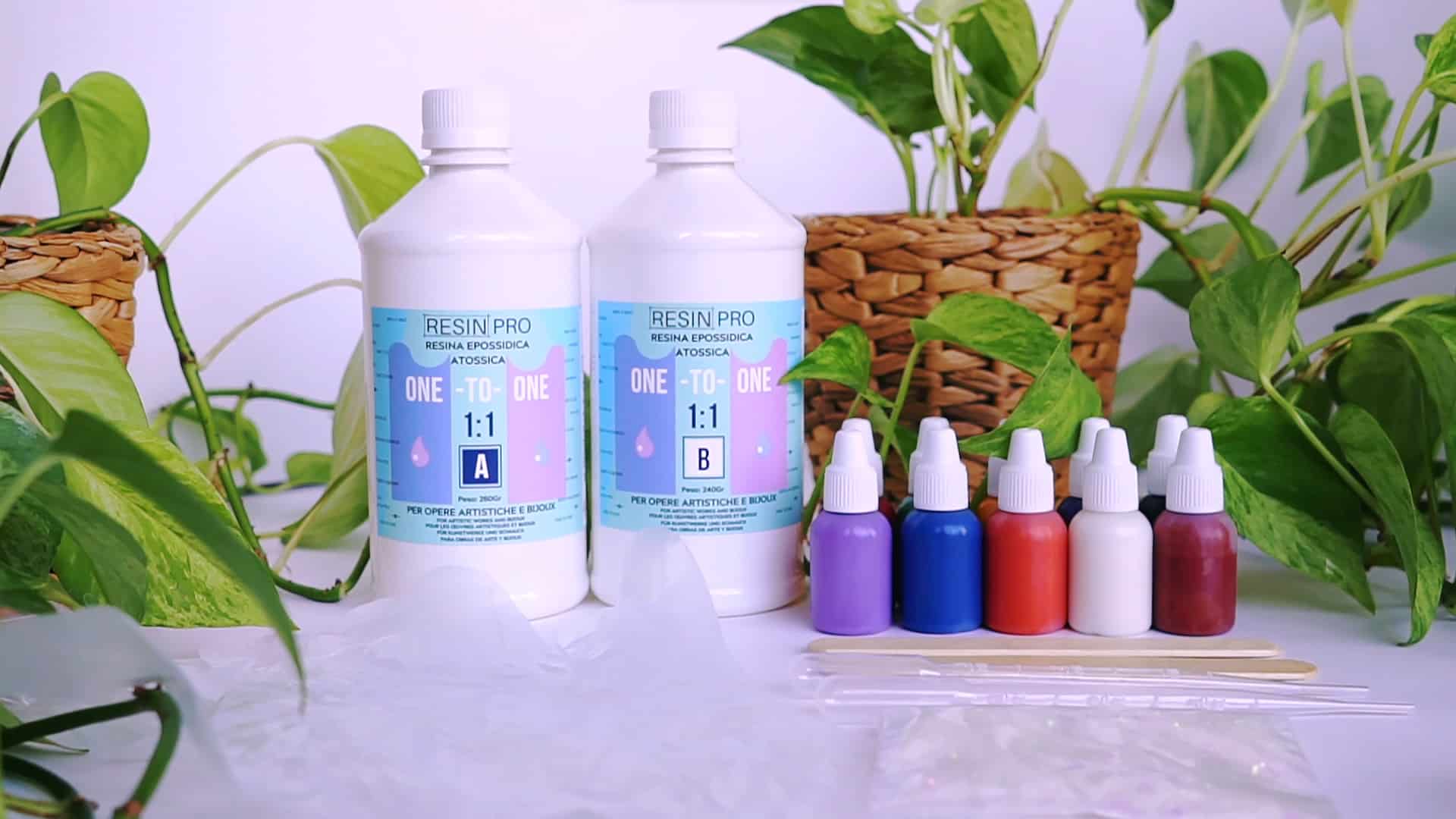
- “One-2-One” – Epoxy Resin for Handcraft, 1:1 Mixing Ratio: A clear, easy-mix epoxy resin suitable for casting pendants in silicone moulds.
- “UV–Creation” – Fast Acrylic Resin, 3 Minute UV Cure: Ideal for quick results with open bezels and detailed layered designs.
- Protective gloves, mixing cups and sticks, silicone or open bezel moulds, pigments or dried flowers (optional).

Inspiration for Resin Pendants
Browse a gallery of finished resin pendants: Get ideas on how colours, inclusions, bezels, and layering techniques combine to create standout jewellery pieces.
Notice the clarity and depth achievable with different resin types—aim for precision to achieve these results in your own pendants.
Step 1: Set Up Your Workspace
Begin by preparing a well-ventilated, dust-free area to work in. Lay down a disposable cover or silicone mat to protect the surface. Gather all your tools, accessories, and safety gear so everything is within reach before you start mixing resin. Always wear gloves and protective eyewear when working with resin. Keeping your workspace clean helps prevent unwanted debris from marring your pendant’s finish.
Step 2: Select and Prepare Your Mould or Bezel
Decide whether you’ll use a silicone mould for traditional pendants or an open metal bezel for unique framing effects. Silicone moulds should be clean and dry; a quick wipe with a lint-free cloth helps avoid dust particles in your resin. For projects involving bezels, ensure the base is fully sealed to prevent leaks and consider adhering transparent tape to the underside if needed. Arrange decorative elements such as dried flowers or pigments as desired before pouring any resin.
Step 3: Mix and Pour Your Resin
Prepare your chosen resin according to the manufacturer’s directions. Measure resin and hardener according to product instructions for best results. For small-batch handcrafting, “One-2-One” – Epoxy Resin for Handcraft, 1:1 Mixing Ratio is a good choice because its 1:1 ratio minimises mixing errors and gives a clear, glossy finish. Mix slowly, scraping the sides and base of your container to avoid introducing bubbles.
For bezel designs or when working with multiple quick layers, you can opt for “UV–Creation” – Fast Acrylic Resin, 3 Minute UV Cure, which requires no mixing and can be cured under a UV lamp layer by layer. Whether using epoxy or UV resin, pour slowly into the centre; use a toothpick or skewer to nudge resin into detailed corners or around inclusions as needed.
Step 4: Embed Decorative Elements and Cure
Add decorative touches—pigments, glitters, dried flowers, or small inclusions—just after pouring, before the resin begins to set. Arrange elements using tweezers for precision. If using a UV resin like “UV–Creation” – Fast Acrylic Resin, 3 Minute UV Cure, cure each layer for several minutes under a UV lamp. For epoxy resins, cover the mould to protect from dust and let cure for the full recommended period, usually 24 hours at room temperature.
Step 5: Demould, Finish, and Assemble
Once the resin is fully cured and hard to the touch, gently remove pendants from the mould or bezel. If there are any sharp or uneven edges, sand them carefully with fine-grit sandpaper or an included mini drill from your kit. Attach findings such as jump rings, chains, or tassels to transform your cured piece into a wearable pendant. Customise further as desired—resin does not require sealing but can be polished for additional shine.
Tips, Common Mistakes, and Troubleshooting
Work slowly and measure accurately to prevent issues with curing or clarity. If bubbles appear, pass a heat tool or lighter briefly over the surface to help them rise and pop—avoid overheating. Always check your moulds and bezels for dust or residue before pouring resin, as imperfections can transfer into the finished pendant. For first-time makers, start with simple designs and gradually incorporate more complex inclusions for best results.
Finishing and Polishing Examples
See before-and-after results of demoulded and polished pendants—highlighting the difference a careful touch can make in clarity and presentation.
Final detailing steps, such as attaching hardware and adding extra shine, give a professional look to your custom designs.

- "Evershine Collection" – Artisan Jewellery Epoxy Resin Kit with 100+ Accessories£20.85Kit designed for jewellery makers and craft enthusiasts with 1:1 mix epoxy resin and comprehensive accessories for resin pendant creation.
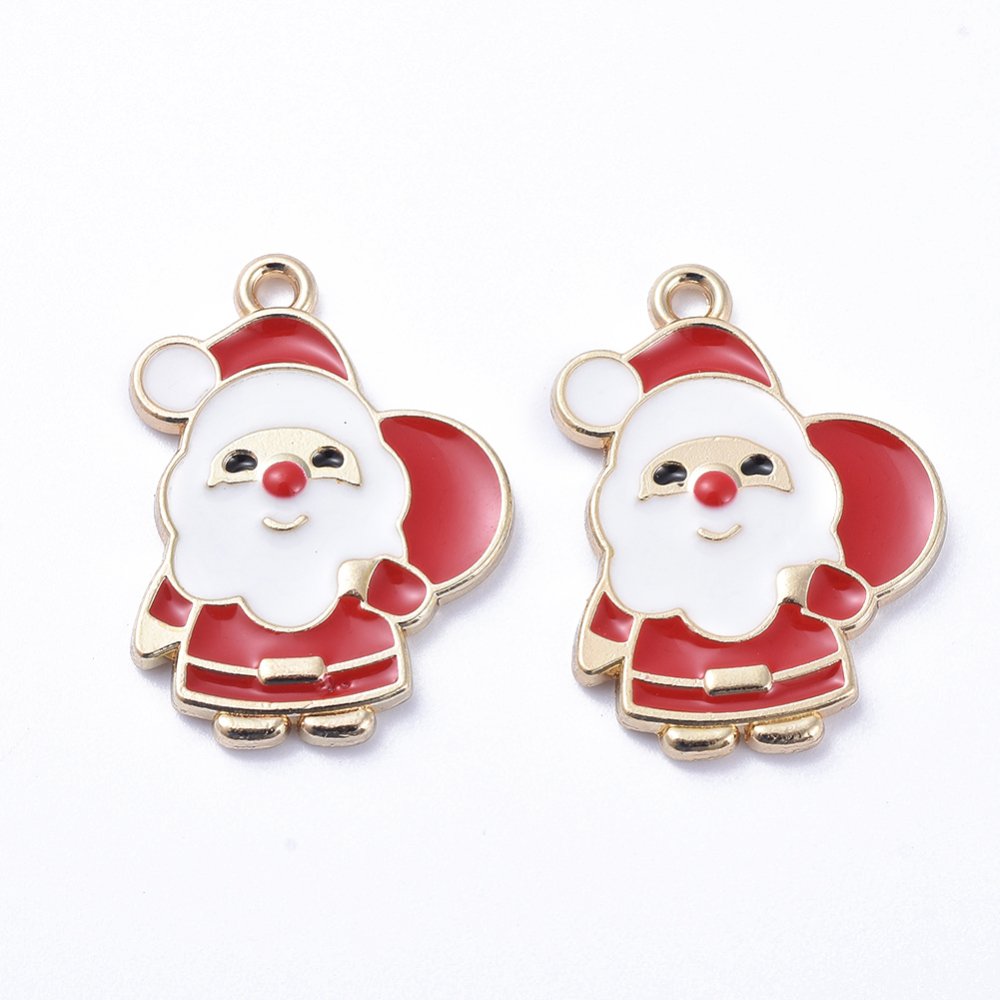
- Set of 10 Open Metal Bezels for Jewellery Making and UV Resin ProjectsOriginal price was: £8.45.£6.85Current price is: £6.85.Set of 10 open metal bezels designed for resin crafters to create festive jewellery and keepsakes in line with pendant making.
- "One-2-One" – Epoxy Resin for Handcraft, 1:1 Mixing RatioPrice range: £14.85 through £56.85"One-2-One" epoxy resin is suitable for beginners and experienced crafters aiming for clear, glossy decorative projects within handcrafting.
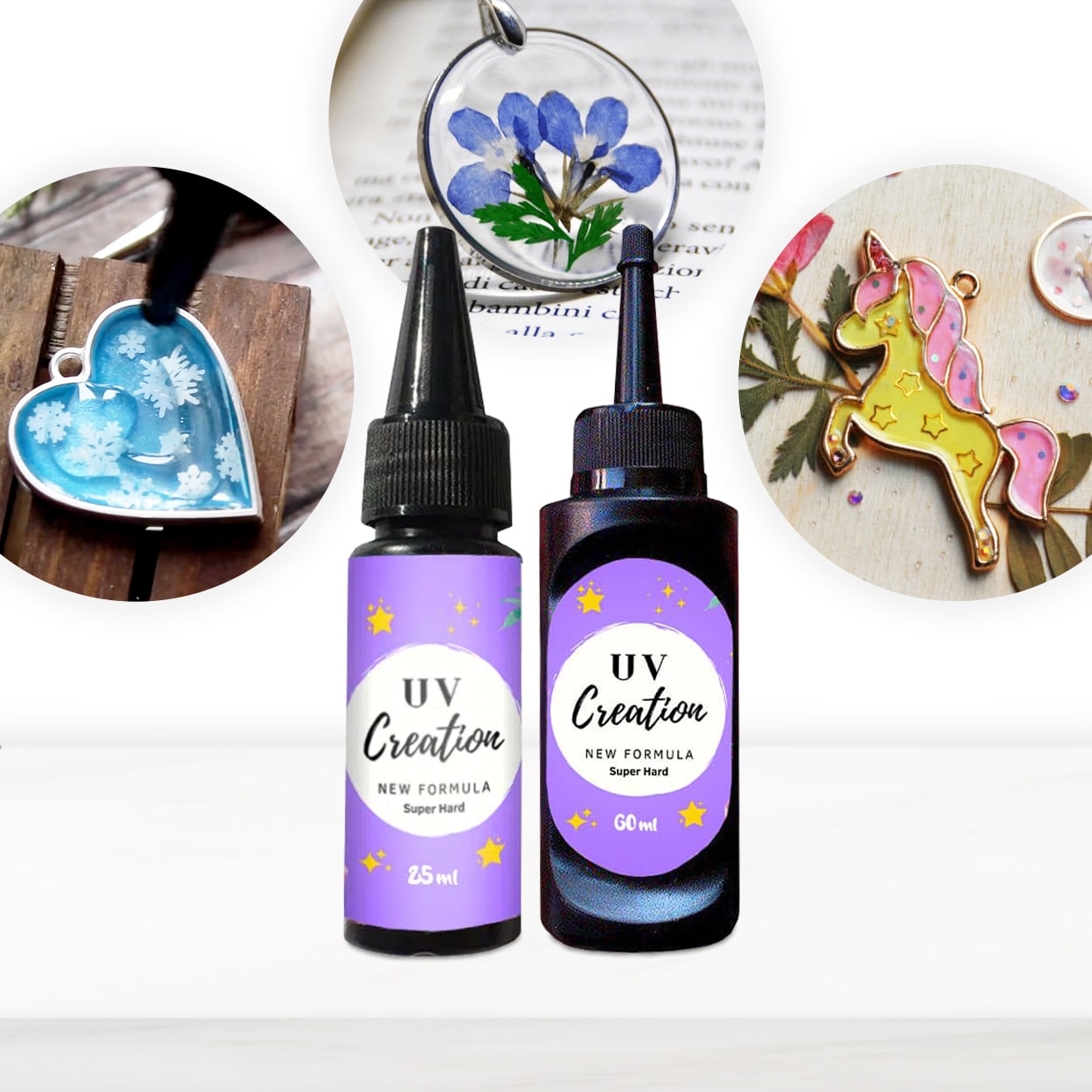 "UV–Creation" – Fast Acrylic Resin, 3 Minute UV CurePrice range: £7.85 through £59.85"UV–Creation" offers a fast-curing, crystal-clear acrylic resin useful for jewellery making and craft projects within the theme of making resin…
Frequently Asked Questions
Can I make resin pendants without a silicone mould?
Yes, you can use open metal bezels as a base for UV resin; silicone moulds are best for casting shapes or dimensional designs.
Which resin is best for making pendants: epoxy or UV?
Epoxy resin provides the best clarity and depth for moulds, while UV resin is excellent for quick cures and bezel projects.
How can I minimise bubbles when making resin pendants?
Mix resin slowly, allow it to rest, and pass a heat tool briefly over the surface after pouring to remove bubbles.
How do I know when my resin pendant is ready to be removed from the mould?
Wait until the resin is hard to the touch and fully cured—typically 24 hours for epoxy and a few minutes for UV resin.
What is the best way to make holes for pendant findings?
Use a mini drill or included accessory once the resin is fully cured to neatly create holes for adding jump rings.
Are resin pendants safe to wear against skin?
Fully cured, non-toxic resin is generally safe for skin contact; always ensure proper curing and avoid sharp edges.