 Free shipping on orders over £29,85
  Shipping Tracking!


 Google
 Facebook
how to make live resin
Step-by-step instructions for clean, detailed resin casting

Discover the process for making live resin specifically for artistic and craft projects. This guide is perfect for beginners and seasoned makers who want to achieve beautifully clear, detailed resin results for everything from deep pour tables to jewellery and small models. We break down the essential steps so you can create vibrant, long-lasting pieces with confidence.
What You’ll Need
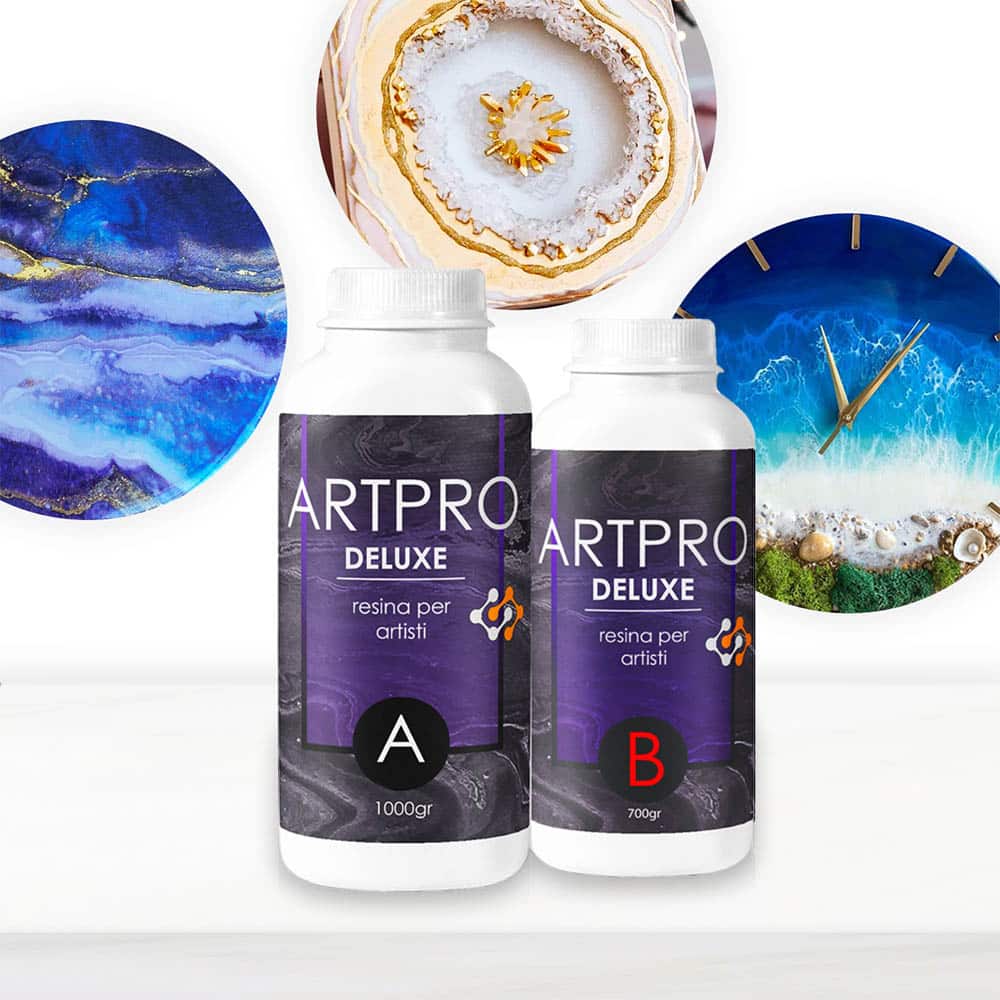
- “Art Pro Deluxe” – Ultra-High Viscosity Epoxy Resin for Artists: For precision in detailed artwork, geode designs, and finish layers.
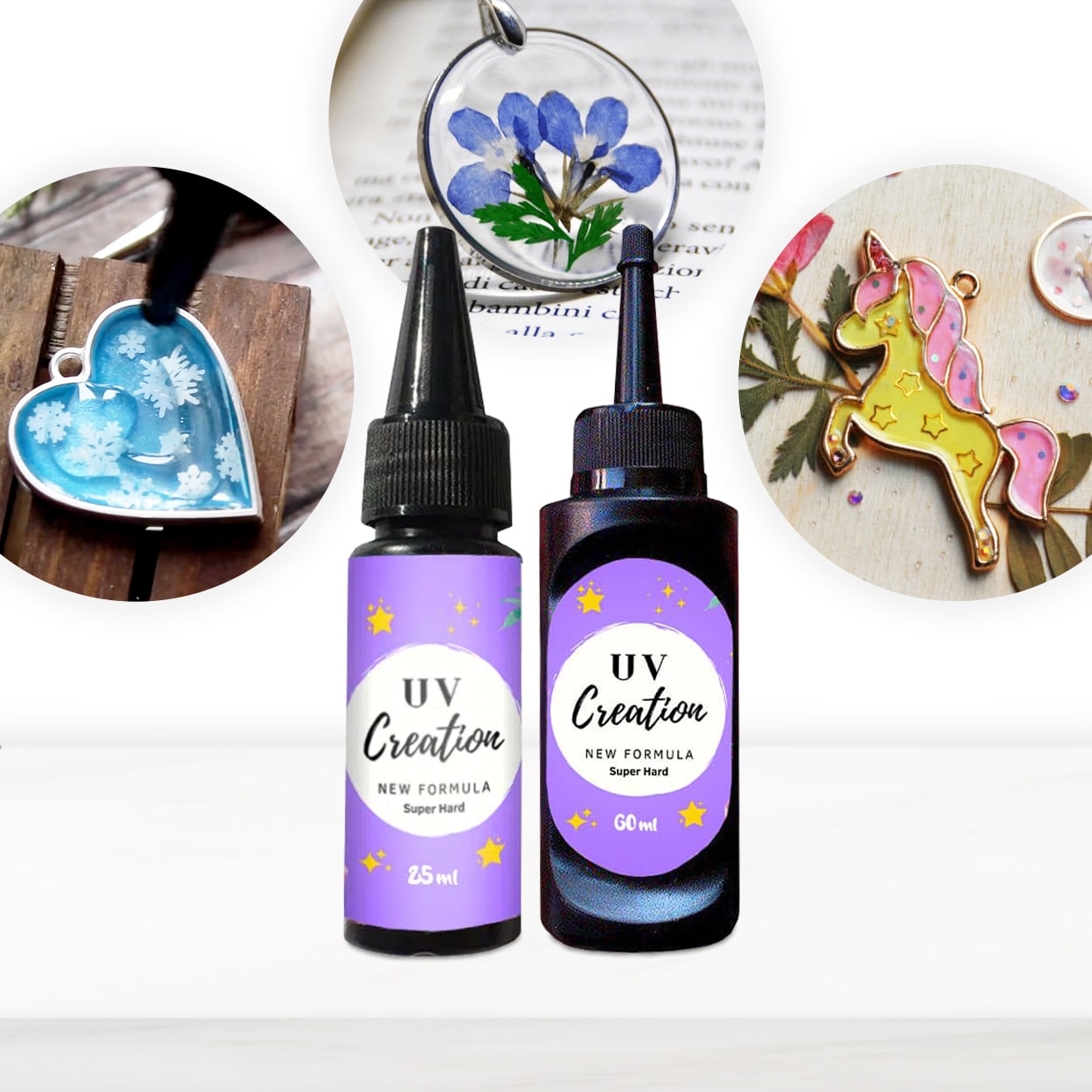
- “UV–Creation” – Fast Acrylic Resin, 3 Minute UV Cure: Ideal for rapid-cure jewellery and small items using UV light.
- “IWhite” – Polyurethane Casting Resin – White, Fast-Curing Two-Part System: Use for models and fast, opaque moulded elements.
- “Epoxytable 10-Ten” – Deep Pour Epoxy Resin for Tables, Up to 10cm Casting: For thick river tables or large artistic pours.
- Clean mixing cups and sticks
- Protective gloves and eye protection
- Silicone moulds or work surface (depending on project)
- UV lamp (for UV resin projects)
- Pigments, dyes, or inclusions as desired for decoration

See Resin Techniques in Action
Explore videos and photos of live resin creation, including detailed pours with Art Pro Deluxe and quick-cure jewellery made with UV–Creation. Visual inspiration helps refine your own projects.

Step 1: Prepare Your Workspace
Always work in a well-ventilated area to minimise exposure to fumes and dust. Lay down protective coverings to prevent spills, and make sure your area is dust-free to keep your finished resin as clear as possible. Gather all your tools and ingredients before you begin so the process runs smoothly from start to finish.
Wear gloves and eye protection when handling uncured resin. Many resins contain substances that can irritate the skin or eyes.
Step 2: Measure and Mix the Resin
Careful mixing is essential for a smooth, strong result. Measure the resin and hardener by weight or volume, following the manufacturer’s instructions for the specific resin type. Measure and mix resin components accurately to avoid sticky or improperly cured results.
For highly detailed casts, such as jewellery or deep pour projects, choose a resin suited to your project’s needs. For example, “Art Pro Deluxe” – Ultra-High Viscosity Epoxy Resin for Artists provides excellent line control for art pieces, while “Epoxytable 10-Ten” excels at deep pours up to 10cm.
Stir slowly for 2–3 minutes, scraping the sides and bottom to ensure a thorough blend. For UV resins like “UV–Creation”, no mixing is needed—simply pour and cure under a UV lamp.
Step 3: Pour and Layer the Resin
Once mixed, your resin should be poured immediately into the prepared mould or onto your surface. Pour each layer slowly to minimise air bubbles. Use a torch or heat gun briefly to remove surface bubbles, especially in thick pours (never overheat, as this can distort the finish!).
If working in multiple layers (such as for geode effects or live art pieces), let each one set until firm but tacky before pouring the next. Fast-curing options like “IWhite” Polyurethane Casting Resin can be demoulded in about 30 minutes, while deep pour projects with “Epoxytable 10-Ten” benefit from longer working times for large volumes.

Step 4: Cure and Finish the Resin
Allow your resin to cure completely, following the guidance on your chosen product. Epoxy and polyurethane options generally set within 12–48 hours, while UV resins harden in just minutes under a UV lamp. Avoid moving or touching your project until fully cured for best clarity and durability.
Once cured, edges can be trimmed or sanded, and surfaces buffed for a high-gloss effect. If you wish to add pigments or additional effects (like metallic foils), do so as part of your layering steps, always ensuring previous layers are sufficiently set.
Tips, Troubleshooting, and Common Mistakes
- Mix slowly to avoid trapping air bubbles.
- Do not rush the curing process—patience ensures clarity and strength.
- Be mindful of your workspace temperature. Too cold and resin may not cure, too hot and it may overheat.
- If using polyurethane resin like “IWhite”, always use appropriate PPE due to isocyanate content.
- If a sticky or soft finish occurs, the ratio of components or cure time may need checking and adjusting.
Gallery of Cured Resin Projects
Browse a range of finished pieces using deep pour epoxy, UV-cured resin, and fast-cure polyurethane. Notice clarity, colour separation, and details—so you can set quality goals for your live resin creations.

- "Art Pro Deluxe" – Ultra-High Viscosity Epoxy Resin for ArtistsPrice range: £33.85 through £287.85Art Pro Deluxe ultra-high viscosity resin offers precise control and a clear, scratch-resistant finish for detailed resin art projects.
- "UV–Creation" – Fast Acrylic Resin, 3 Minute UV CurePrice range: £7.85 through £59.85"UV–Creation" offers fast curing UV acrylic resin for jewellery making, suitable for quick, clear, and non-yellowing finishes.
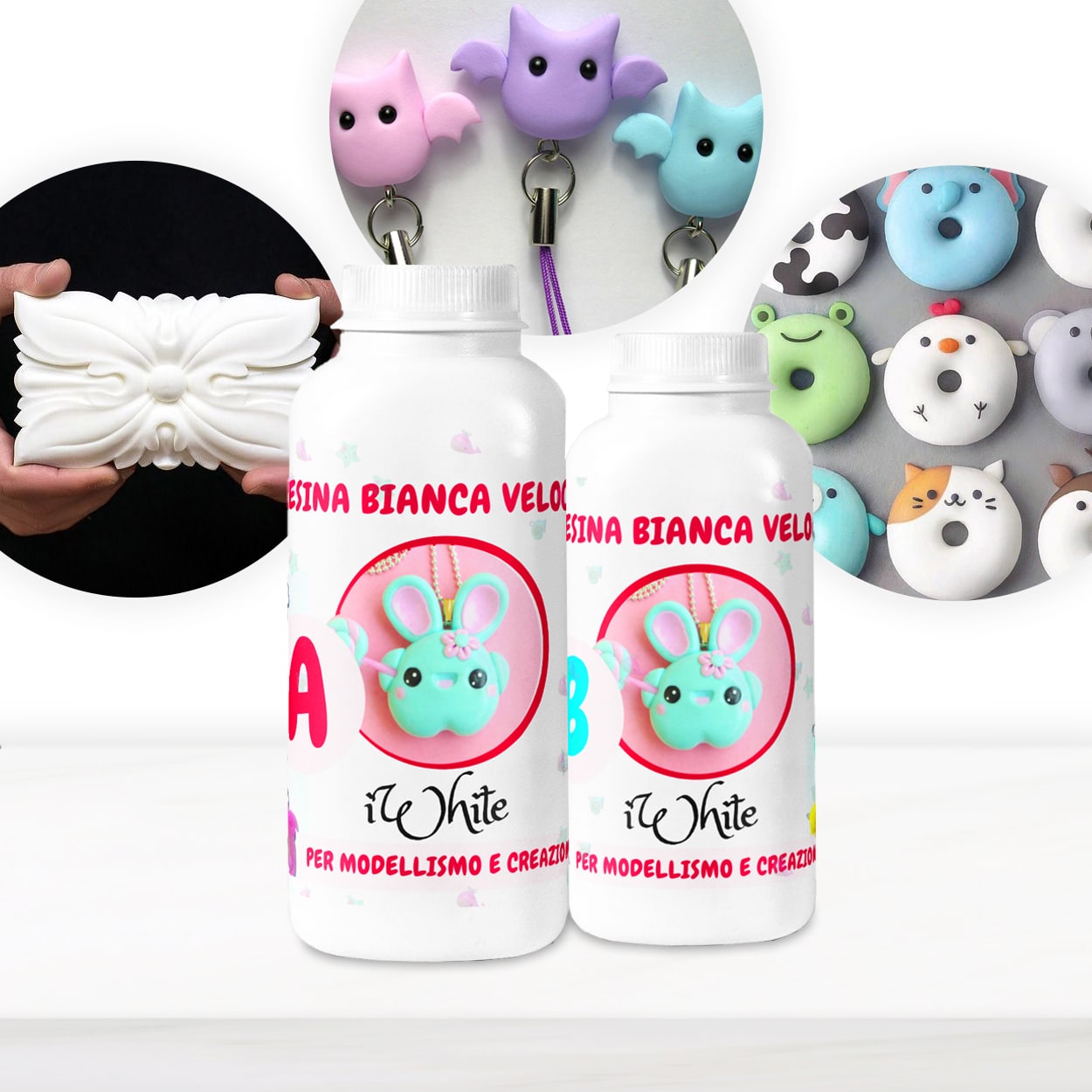 “IWhite” – Polyurethane Casting Resin – White, Fast-Curing Two-Part SystemPrice range: £22.85 through £34.85IWHITE is a fast-curing, polyurethane casting resin suitable for rapid prototyping and detailed moulding in this live resin theme.
 “Epoxytable 10-Ten” – Deep Pour Epoxy Resin for Tables, Up to 10cm CastingPrice range: £33.85 through £334.85“Epoxytable 10-Ten” is a suitable epoxy resin designed for deep pours up to 10 cm, commonly used in creating tables and artistic casts.
Frequently Asked Questions
What type of resin is best for live resin art?
For line control and colour separation, a high-viscosity epoxy like Art Pro Deluxe is ideal. For deep pours, use a specialised deep pour epoxy.
How do I minimise bubbles when pouring live resin?
Mix slowly, pour gently, and use a heat gun or torch over the surface to remove any bubbles that form immediately after pouring.
What is the difference between epoxy, UV, and polyurethane resin?
Epoxy cures slowly and is ideal for thick layers; UV resin cures rapidly under UV light; polyurethane cures quickly and is often used for detailed, opaque moulding.
Why is my resin sticky or soft after curing?
Incomplete mixing or incorrect ratio of resin to hardener are common reasons. Always check your product’s instructions and measure carefully.
Can you add pigments or inclusions to live resin projects?
Yes. Add pigments, glitters, or decorative elements while mixing. Make sure additives are compatible with your chosen resin type.
What safety precautions should I take when working with resins?
Wear gloves, eye protection, and work in a ventilated area. Use added care with polyurethane resins, as they contain isocyanates.