 Free shipping on orders over £29,85
  Shipping Tracking!


 Google
 Facebook
how to make resin cabinets
Crafting resin cabinets combines the striking appearance of epoxy finishes with the durability needed for everyday use. Whether you want to refinish traditional wooden cabinets with a glassy resin surface or build new cabinets featuring artistic resin details, this guide will walk you through each stage — from preparation to the final cure. Following professional techniques ensures your cabinets achieve both visual impact and long-lasting performance.
Step-by-step guidance for crafting epoxy-coated cabinets

What You’ll Need
- “EpoxyWood” – Wood Restoration Epoxy Resin for Deep Penetration and Waterproofing: For sealing and strengthening natural wood surfaces.
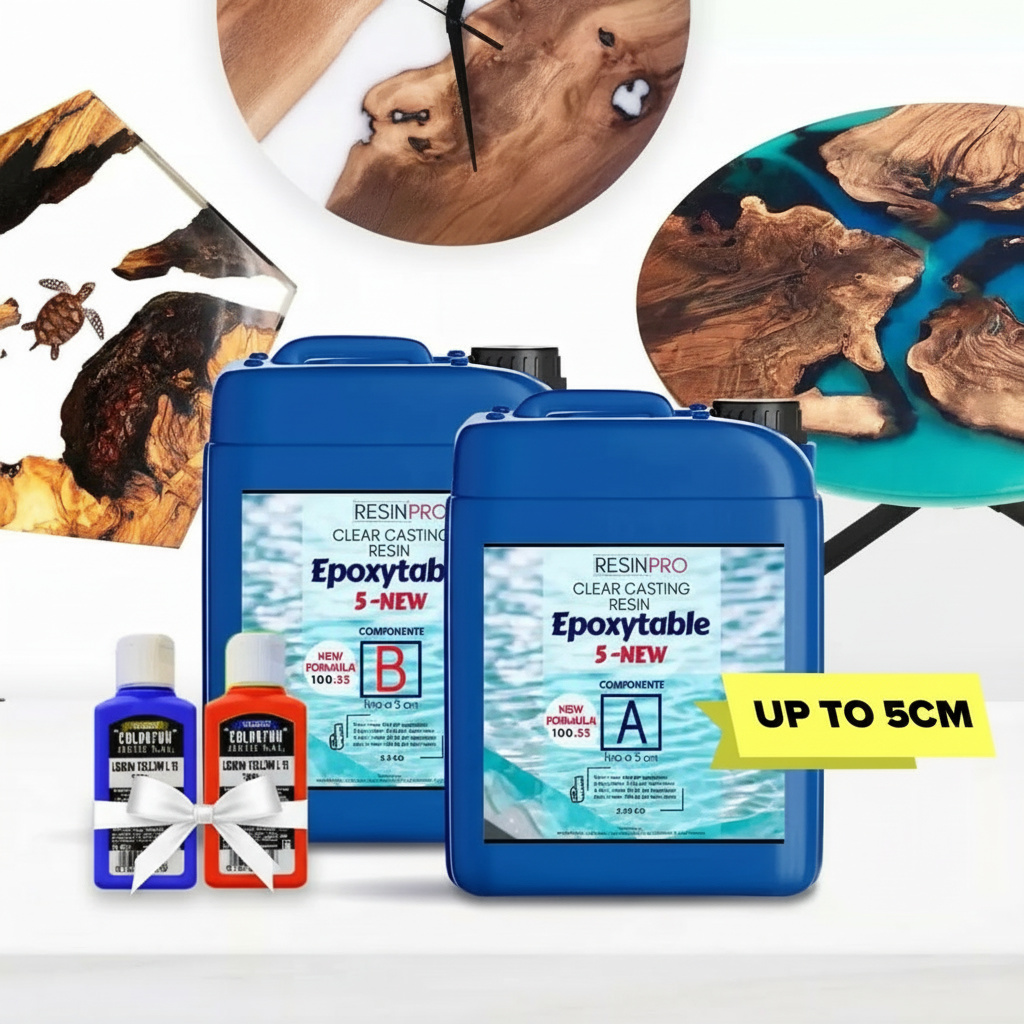
- “EpoxyTable 5-Five” – Deep Pour Epoxy Resin for Tables and Large Projects – Up to 5cm: Ideal for thick transparent layers or embedding objects in the cabinet design.
- “Epoxytable 10-Ten” – Deep Pour Epoxy Resin for Tables, Up to 10cm Casting: For exceptionally thick castings or highly dimensional cabinet features.
- “River-Table” – Complete Kit for Creating Your First Epoxy Resin Table: Contains resin, pigments and preparation tools, perfect for newcomers.
- Measuring cups, stir sticks, nitrile gloves, dust mask, painter’s tape and drop cloths
- Sandpaper (various grits, ideally from 240 up to 2000), soft cloths, spirit level
- A clean, dust-free workspace with good ventilation

Visual Inspiration: Resin Cabinet Creations
Browse finished epoxy cabinets to spark ideas for colour schemes, embedded details and surface effects. Take note of how transparent resin highlights wood grain, or how coloured and metallic pigments create unique focal points on cabinet doors and surrounds. Whether you prefer classic or contemporary designs, epoxy allows full creative freedom for standout cabinetry in your home.

Step 1: Prepare the Cabinet Surface
Proper preparation is the foundation of a beautiful resin cabinet. Remove all hardware and thoroughly clean the cabinet surfaces to eliminate grease, dust, wax, or old sealers. Lightly sand the entire area, focusing on corners and edges, to create a slightly roughened surface, which helps the epoxy adhere securely.
Always prepare surfaces thoroughly before beginning any resin work. After sanding, dust off all residue and wipe surfaces with a lint-free cloth. Let the wood dry fully, especially if using a water-based cleaner. Seal natural wood panels with EpoxyWood – Wood Restoration Epoxy Resin to protect against moisture intrusion and strengthen the wood fibres. This preliminary coat also helps prevent bubbles from escaping when the main resin is poured.
Step 2: Set Up a Safe Workspace
Select a horizontal, dust-free area with steady temperature (ideally 18–25 °C). Cover floors and work surfaces to safeguard against accidental drips. Use painter’s tape along cabinet sides and any areas not intended for resin coverage. Keep all tools and your selected epoxy resin within reach before you begin mixing.
Use painter’s tape and drop cloths to protect adjacent surfaces from spills or drips. Always wear gloves and a respirator mask when working with epoxy resins, as fumes and sticky drips can be hazardous or hard to remove from skin.
Step 3: Mix and Apply the Resin
Carefully measure out the resin and hardener according to the manufacturer’s instructions. Stir thoroughly using a clean spatula or stick, ensuring you scrape the sides and base of the mixing container to blend completely. For clear top layers or artistic pours, choose EpoxyTable 5-Five for layers up to 5 cm, or Epoxytable 10-Ten where thicker, statement features are desired.
Pour the resin evenly across the cabinet’s surface, using a notched trowel or brush to guide the flow. Start at the centre and work outward to the edges. A heat gun or torch can be gently waved above the surface to remove bubbles. For those wanting an all-in-one approach, the River-Table kit includes pigments and release films to expand design possibilities.

Step 4: Level, Cure, and Finish the Surface
While the resin is still fluid, check the cabinet with a spirit level to ensure the coating is flat and even, correcting any pooling or runs before initial curing. Let the resin cure in a protected area for the recommended time on the product packaging—typically 24–72 hours, depending on the type and thickness of the pour. Avoid moving or disturbing the cabinet during this period, as dust or vibration can mar the finish.
Ensure optimal curing by allowing each resin layer to fully set according to the manufacturer’s recommendations. For high-gloss, glassy finishes, sand cured resin lightly with ultrafine sandpaper, ending with a polish cream from your kit or a soft cloth buff. Clean away dust particles between each sanding or polishing stage.

Tips, Common Mistakes and Troubleshooting
Plan your resin pours in thin layers if aiming for a particularly deep or multi-tone look; this helps to minimise heat build-up and eliminate trapped bubbles. Take care to seal open wood grain beforehand to avoid “outgassing” bubbles or resin seepage. Work at moderate room temperatures, as excessive heat can accelerate curing and increase the risk of imperfections.
Avoid rushing the curing process to maintain a flawless finish. Should imperfections or small bubbles appear, a light sanding and additional thin coat of resin can help restore clarity and smoothness. Store leftover mixed resin in a sealed container only for a few minutes—most cannot be reused after curing begins.
Surface Finishing Examples
See close-up examples of sanded, glazed and polished resin cabinet finishes. Notice the variation between matte, satin and ultra-glossy textures. Professional finishing techniques, such as progressive sanding and careful wiping, result in a durable and attractive appearance that complements your cabinetry for years to come.
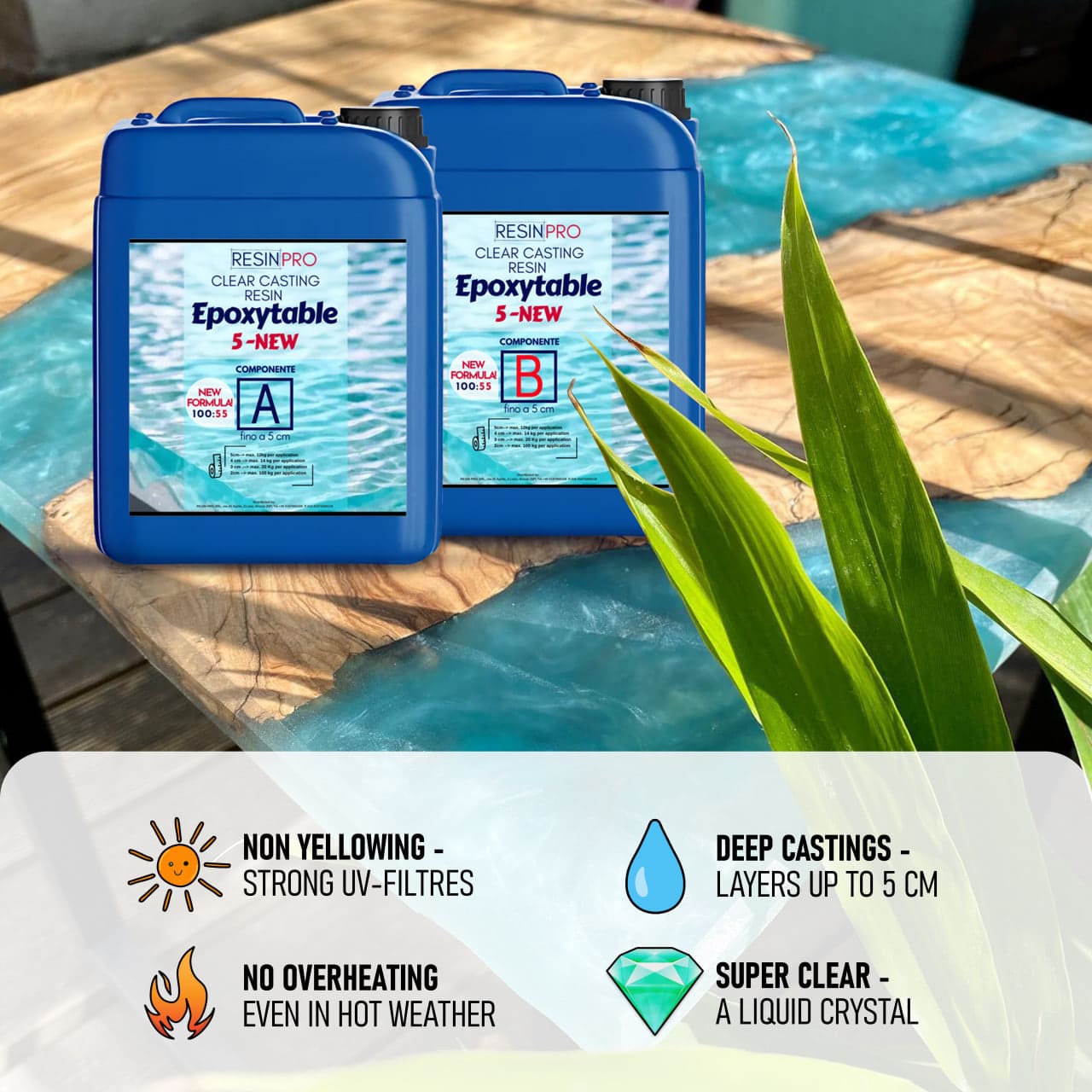
- "EpoxyTable 5-Five" – Deep Pour Epoxy Resin for Tables and Large Projects – Up to 5cmPrice range: £16.85 through £1,099.85EpoxyTable 5-Five is a deep pour epoxy resin designed for tables and large projects with castings up to 5cm thickness.
- “Epoxytable 10-Ten” – Deep Pour Epoxy Resin for Tables, Up to 10cm CastingPrice range: £33.85 through £334.85“Epoxytable 10-Ten” is an epoxy resin designed for deep casting applications up to 10cm, suitable for creating resin tabletops.
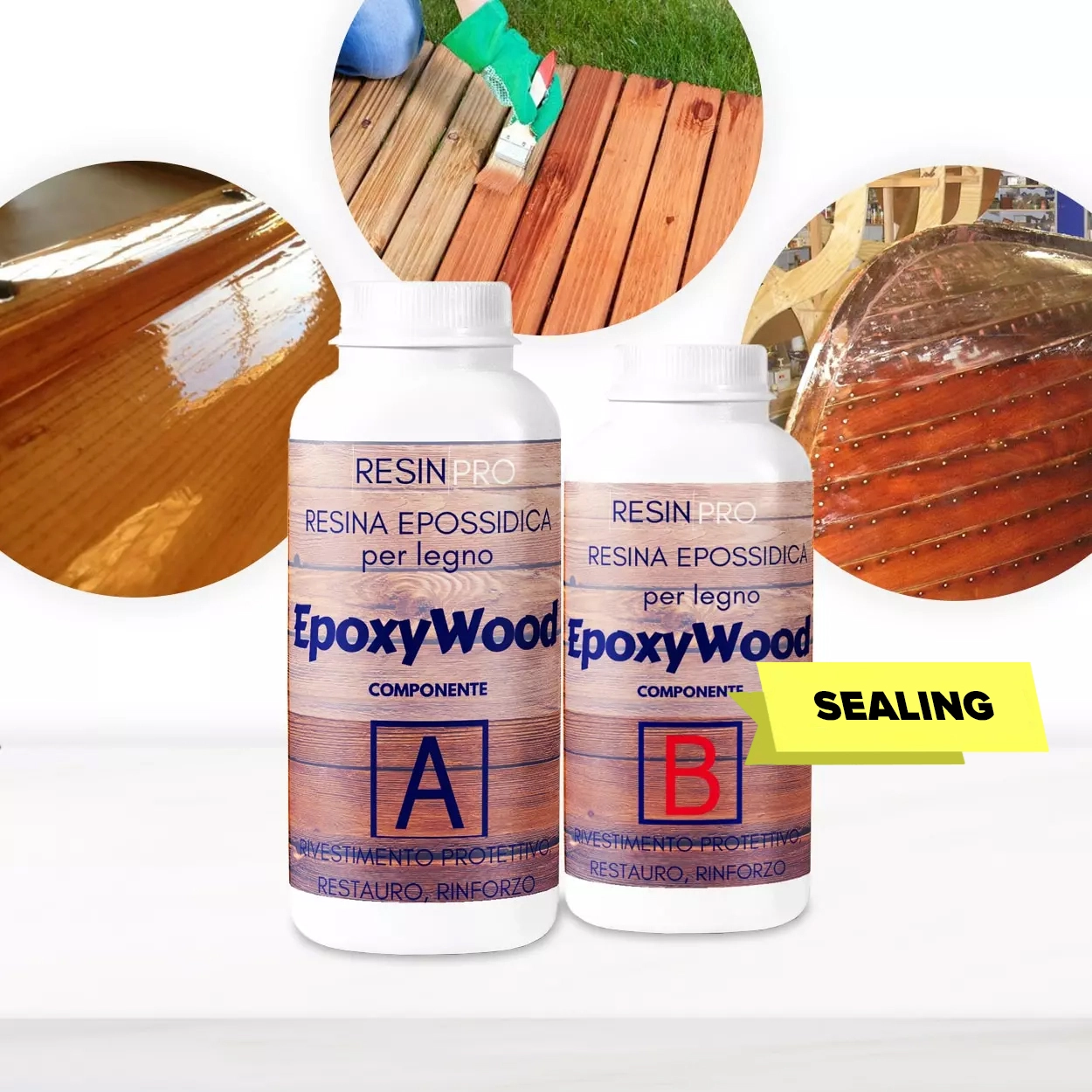 "EpoxyWood" – Wood Restoration Epoxy Resin for Deep Penetration and WaterproofingOriginal price was: £64.00.£39.85Current price is: £39.85."EpoxyWood" is a wood restoration resin designed for deep penetration and waterproofing, suited to how to make resin cabinets.
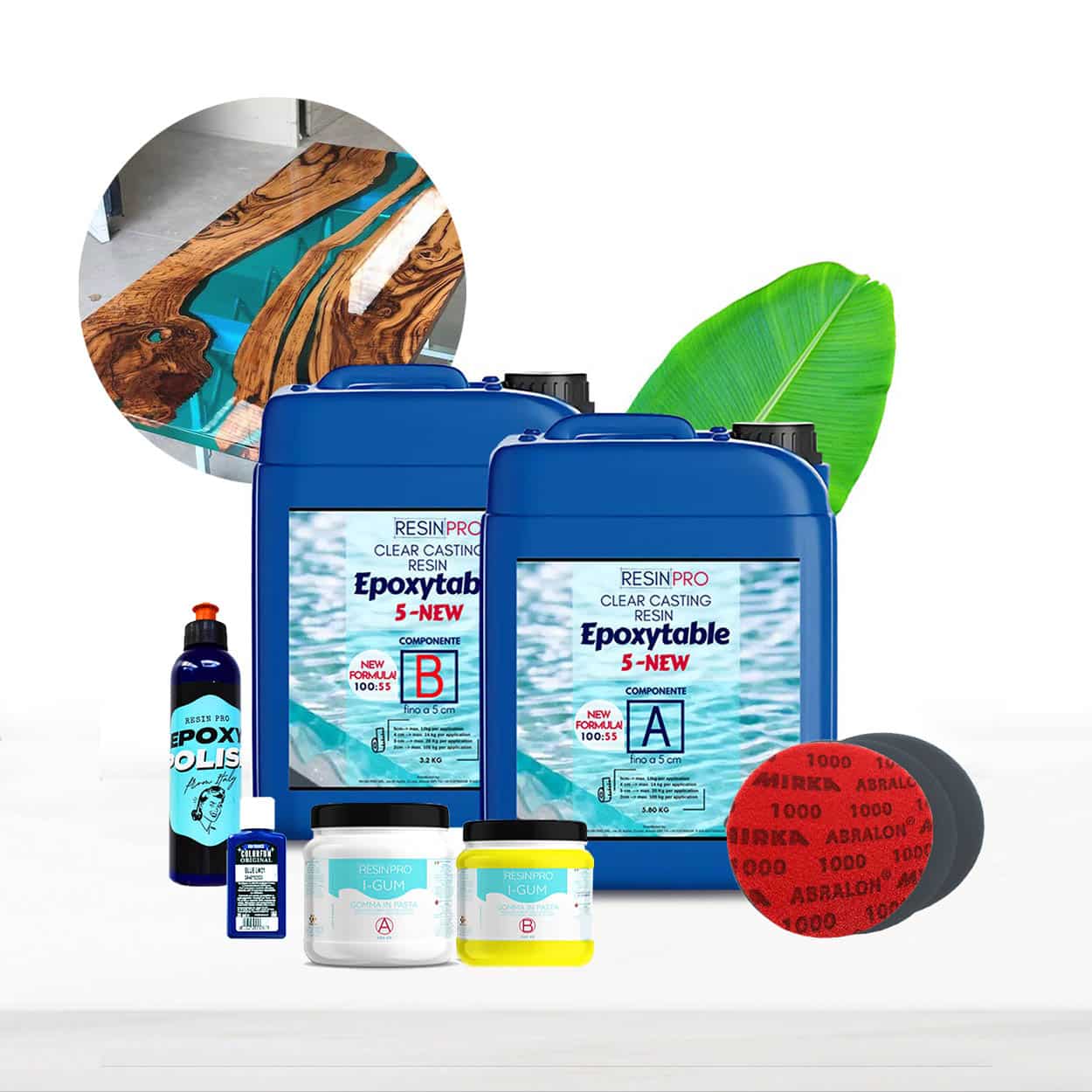 "River-Table" – Complete Kit for Creating Your First Epoxy Resin TablePrice range: £188.85 through £444.85"River-Table" kit supplies resin, sealing, polishing and pigments with instructions for making wood and resin tables.
Frequently Asked Questions
Which resin is best for sealing wooden cabinets?
EpoxyWood is formulated for deep penetration and waterproofing, making it ideal for sealing and strengthening wood cabinet surfaces.
Can I pour deep layers of resin on cabinets?
For layers up to 5cm, EpoxyTable 5-Five is suitable. For thicker applications, use multiple pours or Epoxytable 10-Ten for best results.
How do I avoid bubbles in cabinet resin finishes?
Seal wood first, mix resin slowly, and use a heat gun or torch to release bubbles immediately after pouring.
Should I sand between resin layers on cabinets?
Lightly sanding between fully cured resin layers improves adhesion and enhances the final finish quality.
Is epoxy safe for kitchen cabinet surfaces?
Once fully cured, epoxy creates a non-porous, food-safe surface suitable for most kitchen cabinetry applications.
What should I do if my resin feels sticky?
Sticky resin is often due to incorrect mixing. Scrape off uncured material and reapply correctly mixed resin as needed.