 Free shipping on orders over £29,85
  Shipping Tracking!


 Google
 Facebook
How do you make resin beads?
Step-by-step guide to creating stunning custom beads at home


Crafting your own resin beads opens up a world of creative possibilities, allowing you to design unique, personalised jewellery pieces that truly stand out. This guide covers everything you need to know to produce professional-quality resin beads at home, whether you’re making gifts, designing statement necklaces, or elevating your craft projects with bespoke charms. You’ll learn about essential preparation, mould techniques, resin selection, and finishing tips to achieve a flawless result.
What You’ll Need
- “Evershine Collection” – Artisan Jewellery Epoxy Resin Kit with 100+ Accessories
- “One-2-One” – Epoxy Resin for Handcraft, 1:1 Mixing Ratio
- “UV–Creation” – Fast Acrylic Resin, 3 Minute UV Cure
- “ICreation” – Fast Epoxy Resin, 6h Demoulding, Transparent Gloss Finish
- Small silicone bead moulds
- Pigments, dyes, or decorative inclusions (optional)
- Measuring cups and mixing sticks
- Nitrile gloves and protective apron
- UV lamp (for UV resin only)
- Fine sandpaper, micro files, or a mini drill (for finishing)

Essential Tools and Resin Choices for Bead Making
Choosing the correct resin and accessories for your bead projects is the key to consistent quality. High-transparency epoxies, fast-curing UV resins, and complete kits can all support your creative ambitions.
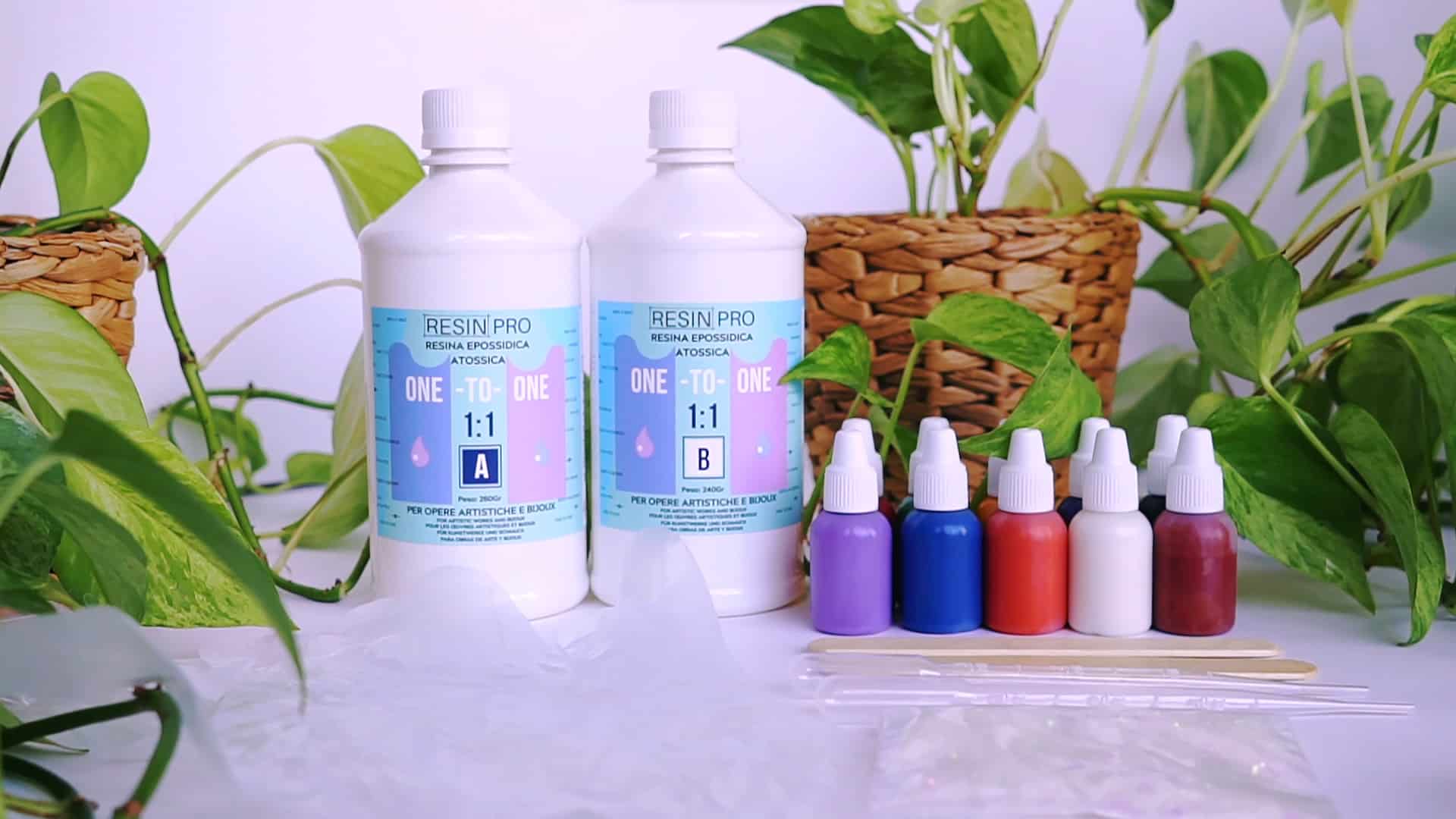
Step 1: Prepare Your Workspace and Moulds
Wear protective gloves and work in a well-ventilated space. Cover your working surface with disposable paper or a silicone mat to protect against drips and spills. Make sure your silicone bead moulds are clean, dry, and free from dust or lint, as debris will be captured in the cured resin and may affect clarity. Consider using a release spray if your moulds are particularly detailed or new.
Gather all required materials in advance, so you can work efficiently. Small cups and pipettes are especially handy for pouring resin into tiny mould cavities.
Step 2: Mix and Colour Your Resin
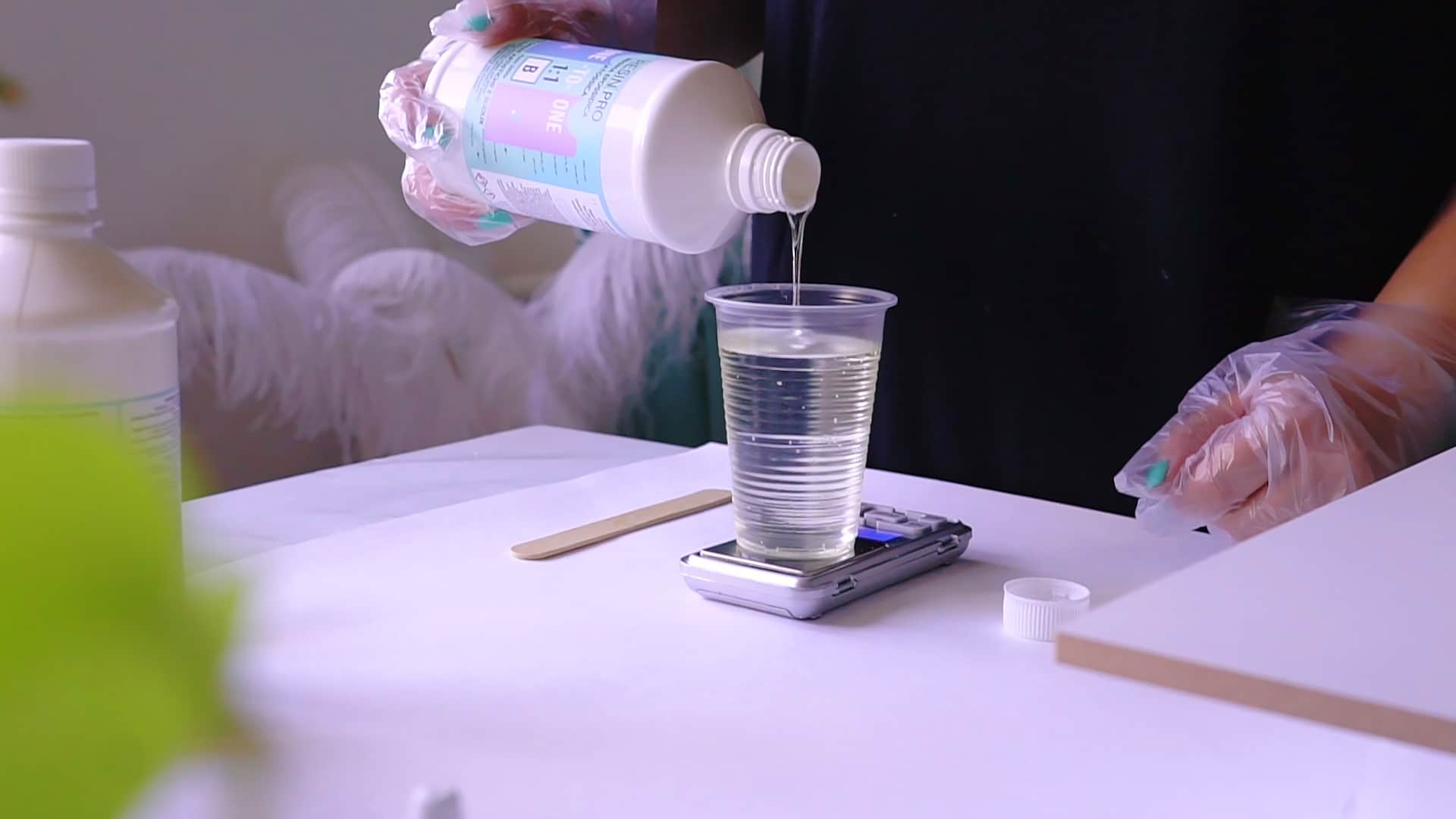
Use small, high-quality silicone bead moulds for best definition. Choose your preferred resin depending on working time and desired finish. For example, the “One-2-One” – Epoxy Resin for Handcraft, 1:1 Mixing Ratio is ideal for beginners thanks to its simple equal-parts mixing. If using a two-part epoxy resin, read the manufacturer’s instructions carefully for the mixing ratio.
Measure your resin according to the specific mixing ratio required. Combine the components in a disposable cup and mix slowly for at least two to three minutes, scraping the sides to ensure a uniform blend. Add pigments or decorative inclusions at this stage and mix until evenly incorporated. For very fast projects, a UV resin like “UV–Creation” – Fast Acrylic Resin, 3 Minute UV Cure can be poured directly, coloured, and then cured under UV light.
Step 3: Cast Resin into the Bead Moulds
Pour the mixed resin slowly into each cavity, using a pipette or dropper for precision. Fill the moulds just to the top to prevent flashing and reduce sanding work later. Gently tap the mould or use a toothpick to remove any surface bubbles. If bubbles persist, you can blow lightly or use a heat gun briefly, taking care not to overheat the resin.
For UV resin, cure each layer for the recommended time under your UV lamp. With traditional epoxies, cover the mould to shield it from dust and allow curing for the specified time according to the product used. Allow adequate curing time as per your chosen resin type.
Step 4: Demould and Perfect Your Beads
Once fully cured, carefully flex the silicone mould to release the beads, gripping gently to avoid fingerprints or deformations. Always demould gently to avoid damaging fine bead details. Inspect each bead; minor imperfections, such as ridges or protrusions, can be sanded off with fine grit sandpaper or trimmed with a craft knife.
For professional results, finish with a small file, or use a mini drill to create precise holes if required. If you desire a highly polished surface, buff beads using a soft cloth or polish designed for resin jewellery.

Tips, Common Mistakes, and Troubleshooting
Work at room temperature to ensure proper curing and avoid condensation in the resin. Take your time mixing to prevent introducing excess air bubbles. If beads appear cloudy or sticky after curing, double-check mixing ratios and curing times for your chosen resin.
For intricate or large batches, plan your pours and cure in stages to maintain precision and consistency. UV resins offer rapid turnaround but are best cast in thin layers no deeper than 3 mm for full curing.
Finishing Touches for Perfect Resin Beads
Polishing, sanding, and drilling can all transform a well-cast bead into a professional jewellery piece. Finish with patience and careful attention to keep your beads shining bright.
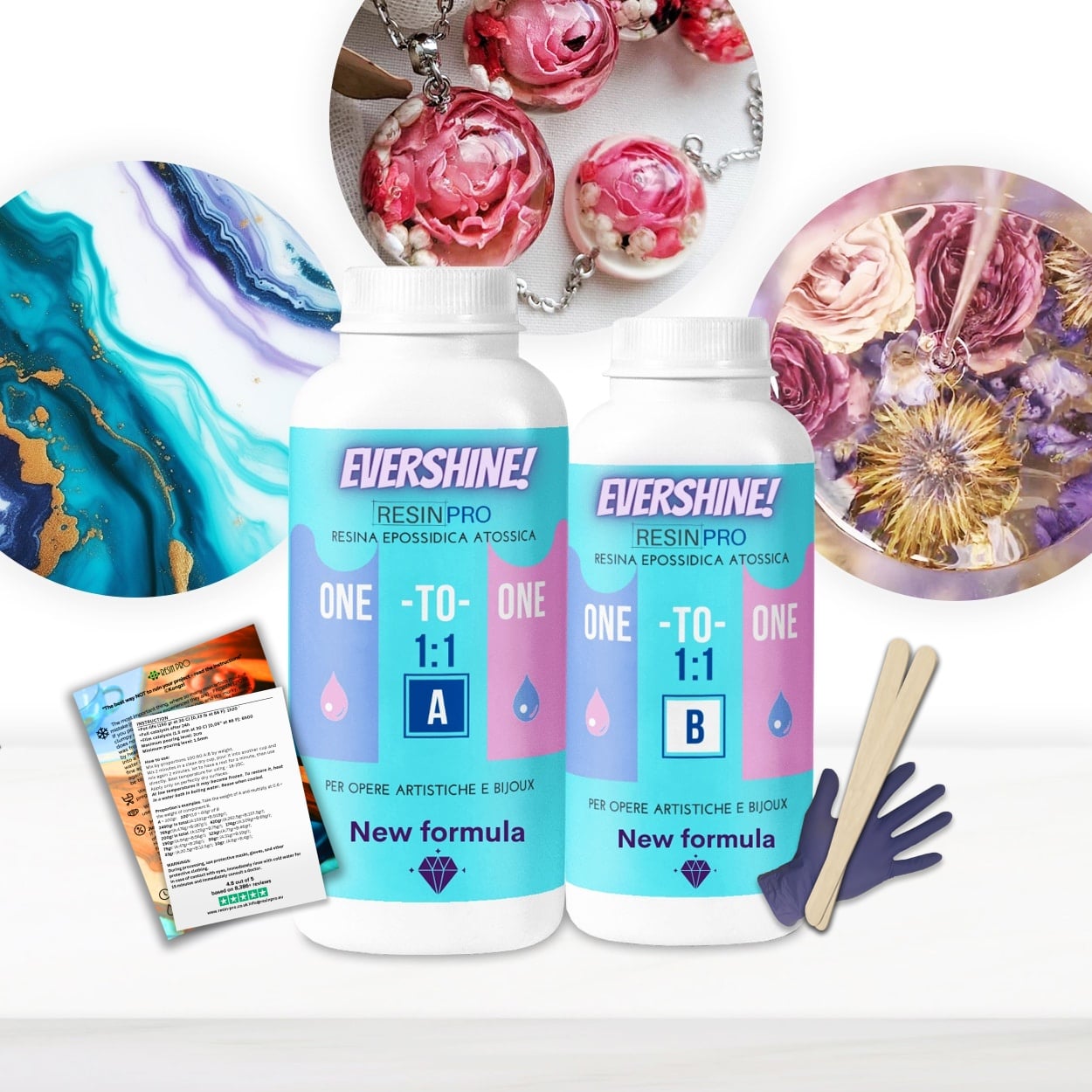
- "Evershine Collection" – Artisan Jewellery Epoxy Resin Kit with 100+ Accessories£20.85"Evershine Collection" offers a crystal-clear 1:1 epoxy resin kit with over 100 accessories, designed for jewellery makers and craft enthusiasts.
- "One-2-One" – Epoxy Resin for Handcraft, 1:1 Mixing RatioPrice range: £14.85 through £56.85"One-2-One" epoxy resin offers a medium viscosity and an easy 1:1 mixing ratio suitable for crafting jewellery and decorative projects.
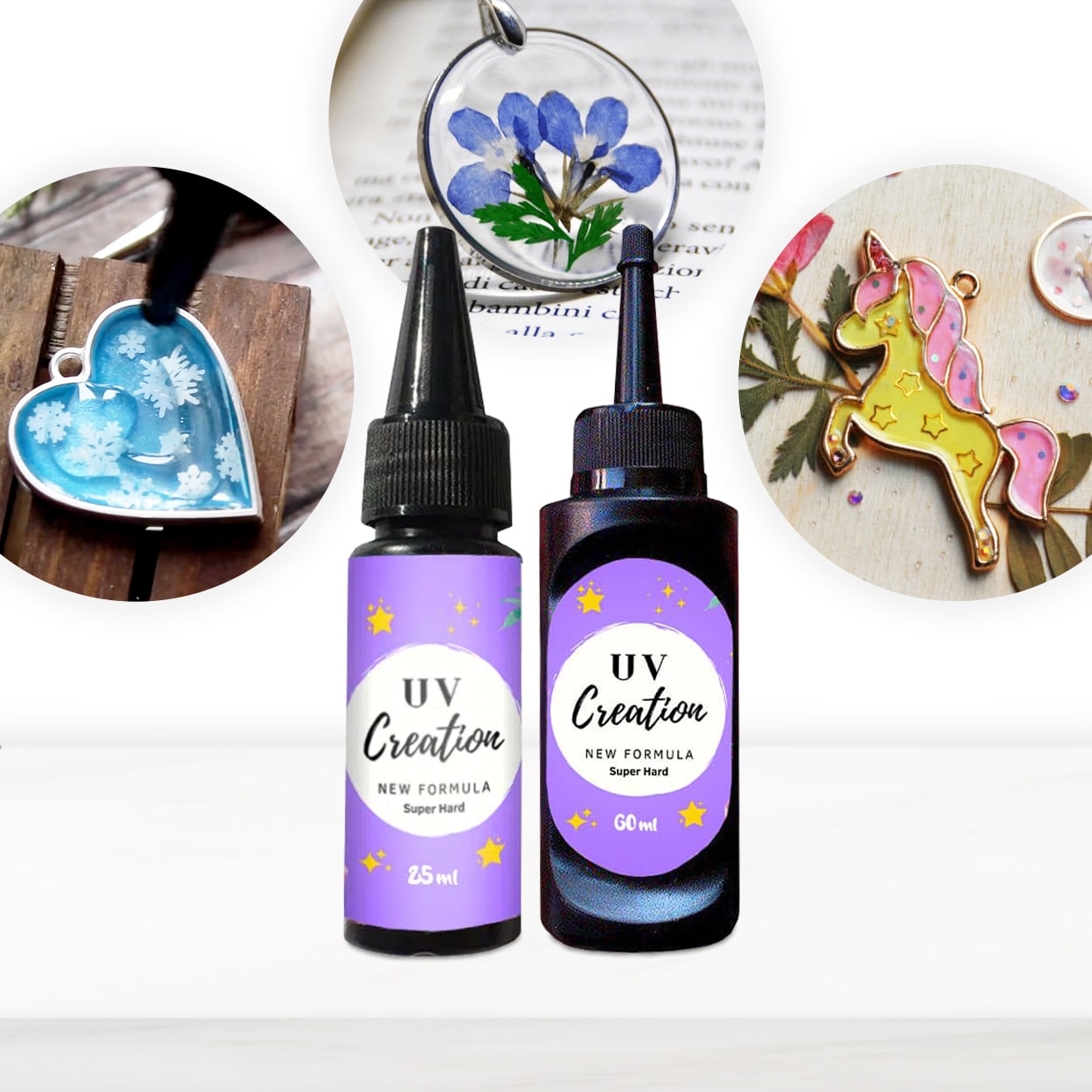 "UV–Creation" – Fast Acrylic Resin, 3 Minute UV CurePrice range: £7.85 through £59.85"UV–Creation" offers fast curing UV acrylic resin suitable for jewellery making with a clear, non-yellowing finish.
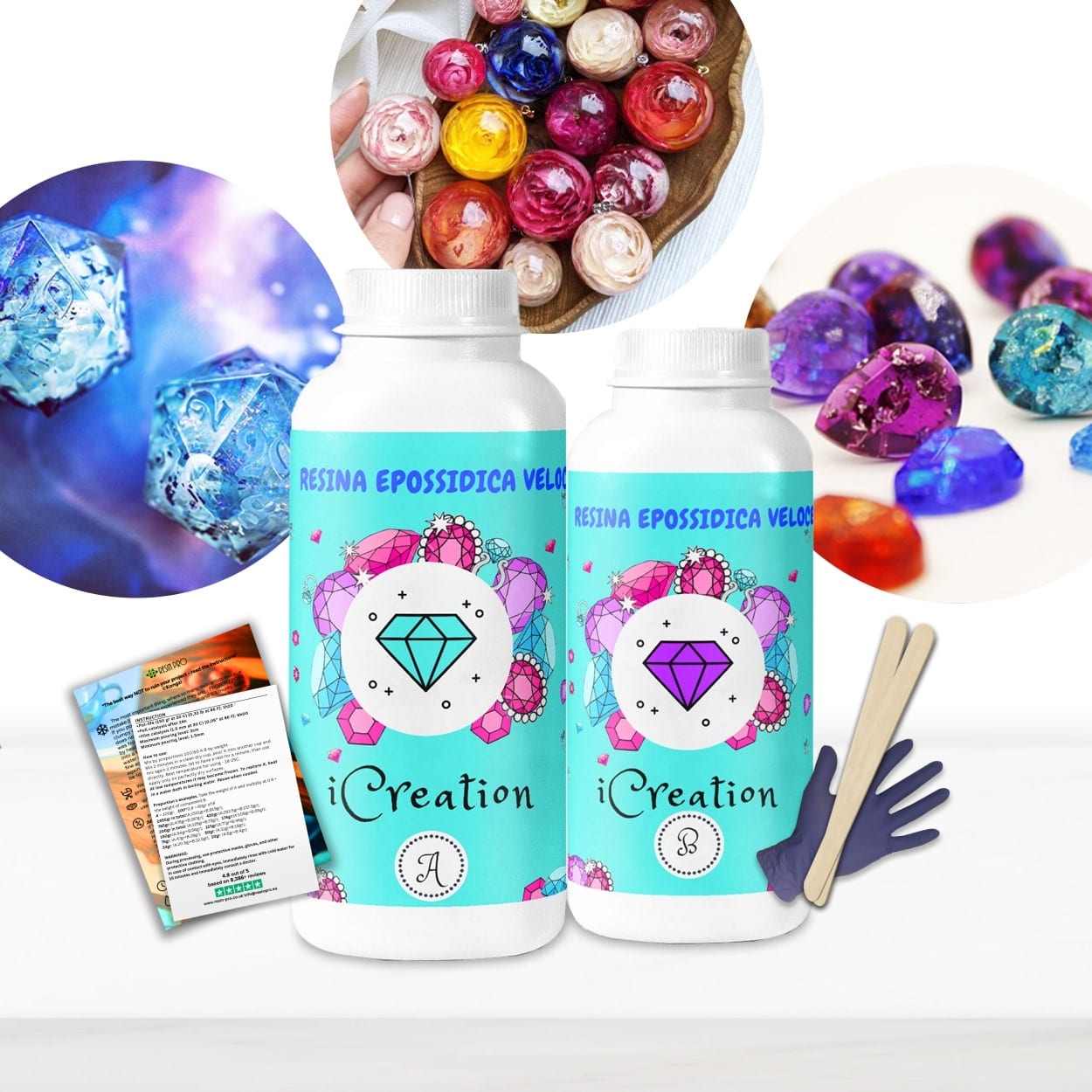 "ICreation" – Fast Epoxy Resin, 6h Demoulding, Transparent Gloss FinishPrice range: £19.40 through £52.85"ICreation" is a fast epoxy resin with a 6-hour demoulding time, offering a clear, glossy finish suitable for resin beads and jewellery.
Frequently Asked Questions
What resin is best for bead making?
Epoxy and UV resins are most commonly used. Choose fast-curing or easy-mix types for beginners and precise work.
How do I avoid bubbles in my resin beads?
Mix resin slowly and pour gently. Use a toothpick or heat gun to release air bubbles before curing.
Can I add colour or inclusions to resin beads?
Yes, compatible pigments, dyes, or decorative items like glitter and flowers may be added before pouring into moulds.
How long should resin beads cure?
Curing times vary by resin type. UV resins cure in minutes with a UV lamp, while epoxies often need 6–24 hours.
Is resin bead making safe at home?
Yes, when using gloves and working in a ventilated area. Always follow safety instructions on your chosen resin.