 Free shipping on orders over £29,85
  Shipping Tracking!


 Google
 Facebook
how to make resin bookmarks with prints
Creating resin bookmarks with embedded prints is a rewarding craft that allows you to showcase artwork, memorable photos, or decorative designs in a practical, long-lasting format. This guide walks you through every stage, from preparing your materials and workspace to pouring and finishing, so you can achieve professional results with confidence.
Make stunning resin bookmarks and preserve your favourite prints

What You’ll Need
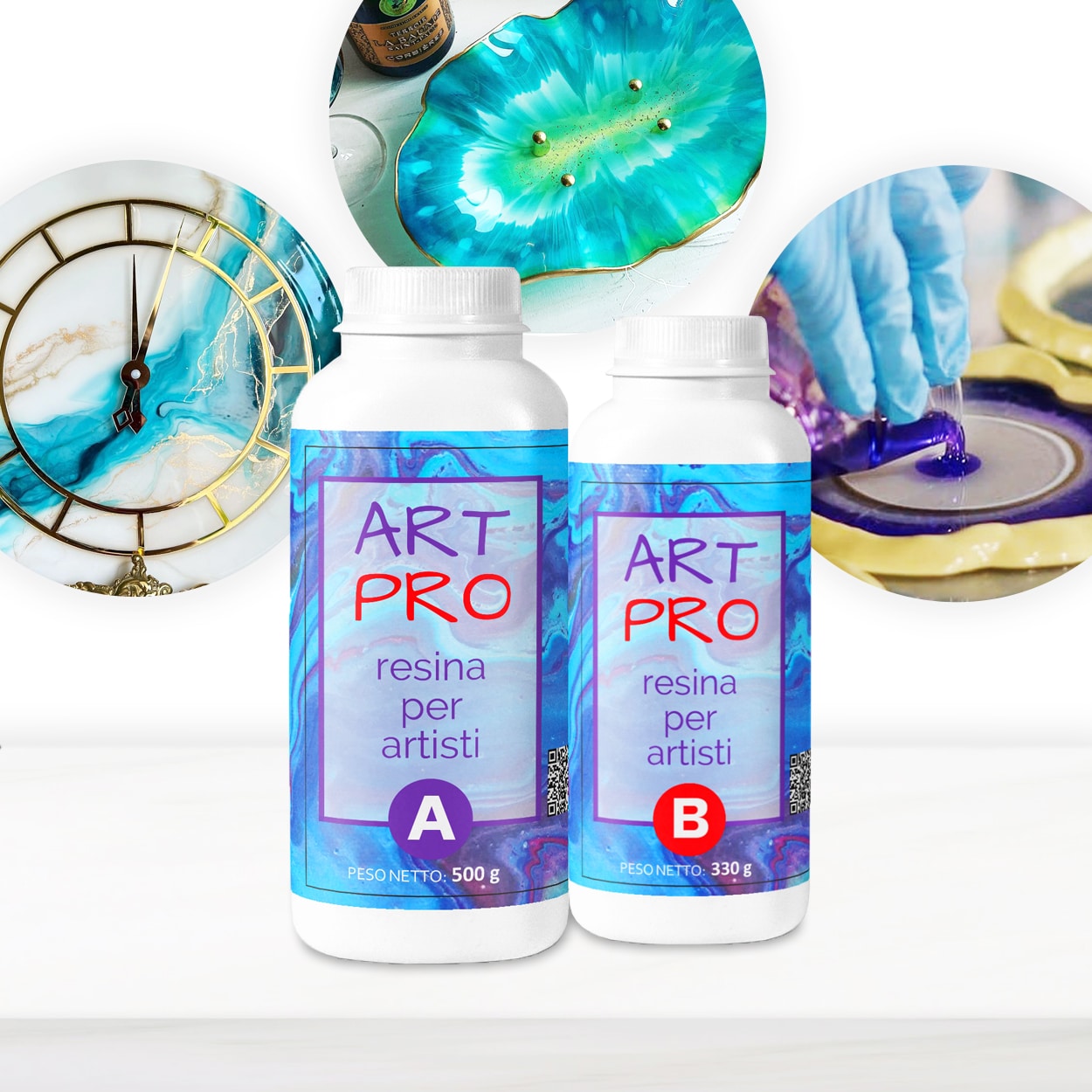
- “Art Pro” – Clear Epoxy Resin for Artists and Surface Coating – ideal for a durable, glossy finish and for highlighting detailed prints
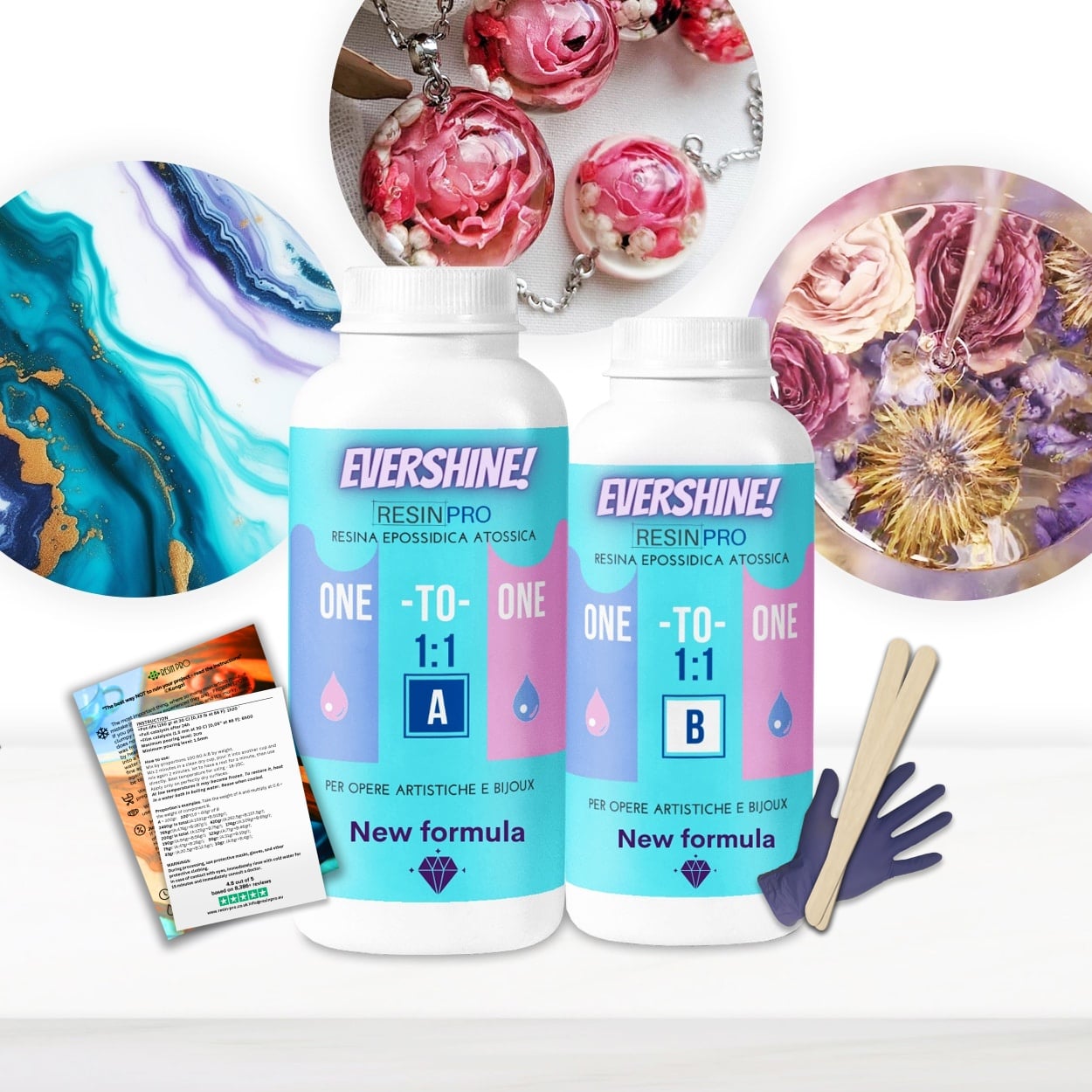
- “One-2-One” – Epoxy Resin for Handcraft, 1:1 Mixing Ratio – suitable for beginners, easy mixing for encapsulating prints
- “Icrystal” – Clear Epoxy Resin – Odourless Formula – Up to 1.5cm – offers an odourless, crystal-clear result, perfect for home crafting
- “Pure Mould” – Translucent Liquid Silicone Rubber for Mould Making – for making or selecting flexible, reusable moulds
- Bookmarks mould (rectangular silicone moulds work best)
- Printed designs (laser-printed images on non-porous, sealed paper for best results)
- Mixing cups and stir sticks
- Disposable gloves and protective workspace covering
- Small tweezers (optional, for positioning prints)


Step 1: Prepare Your Workspace and Materials
Before starting, secure your work area before you begin. Lay down a protective covering to catch any spills and ensure your surface is completely level. Good ventilation is crucial when working with resin. Organise your supplies—have your resin, moulds, prints, mixing cups, gloves, and tools at hand.
Check that your silicone bookmark mould is clean and free of dust or debris. If using a homemade silicone mould, such as one crafted from “Pure Mould” – Translucent Liquid Silicone Rubber for Mould Making, ensure it has fully cured and is ready to use.
Step 2: Prepare Your Prints for Embedding
Trim your prints to fit neatly inside the bookmark mould. It’s best to use laser-printed or laminated images, as inkjet prints can blur or run when exposed to resin. If your print is on porous paper, seal it with a thin layer of clear-drying glue or spray sealer and let it dry fully before proceeding. This prevents the resin from soaking into or discolouring the print.
Handle printed inserts with clean, dry hands to avoid fingerprints or moisture marks. Plan your design layout before mixing the resin for a smooth workflow.
Step 3: Mix and Pour the Resin
Carefully mix your chosen epoxy resin according to the manufacturer’s instructions. For example, “One-2-One” – Epoxy Resin for Handcraft, 1:1 Mixing Ratio uses an easy equal-parts (by volume) ratio, while “Art Pro” – Clear Epoxy Resin for Artists and Surface Coating uses a 3:2 ratio by weight. Mix resin slowly and thoroughly in a clean container, scraping the sides and base to ensure all components blend completely. Let the mixture sit briefly for the bubbles to rise.
Pour a thin layer of resin into the mould first, just enough to cover the base. Gently place your print on this layer, pressing down lightly with tweezers to avoid air pockets. Cover the print with another layer of resin, filling to the desired bookmark thickness.

Step 4: Cure, Demould, and Finish
Cover the filled mould to protect it from dust. Leave it undisturbed to cure fully according to the resin’s recommended time. For resins like “Icrystal” – Clear Epoxy Resin – Odourless Formula – Up to 1.5cm, curing occurs within 24 to 48 hours in a well-ventilated area. Avoid moving the mould during this period to prevent surface imperfections.
Once the resin is solid and cool to the touch, gently remove your bookmark from the mould. If sharp edges remain, lightly sand them with fine-grit sandpaper. Drill or punch a small hole if you wish to add a ribbon or tassel for a professional finish.
Tips, Common Mistakes and Troubleshooting
Patience is essential—avoid demoulding too early as soft resin may bend or mark. Prevent air bubbles in the resin by pouring slowly and, if needed, use a toothpick or heat gun gently over the surface to release trapped bubbles. Ensure moulds are dry, as any moisture may cause cloudiness or incomplete curing. Always measure your resin components accurately, following product-specific ratios for best results.
View close-ups of finished bookmarks and learn how to recognise common issues such as air bubbles, cloudy finishes, or uneven edges. Visual references help you perfect each stage and address minor flaws effectively.Troubleshooting Gallery: Spot and Fix Issues

- "Art Pro" – Clear Epoxy Resin for Artists and Surface CoatingPrice range: £31.15 through £388.85"Art Pro" clear epoxy resin provides a durable, scratch-resistant, and high-gloss finish ideal for artistic surface coating projects.
- "One-2-One" – Epoxy Resin for Handcraft, 1:1 Mixing RatioPrice range: £14.85 through £56.85"One-2-One" epoxy resin is a medium viscosity, non-toxic resin suited for beginners and experienced crafters working on handcraft projects.
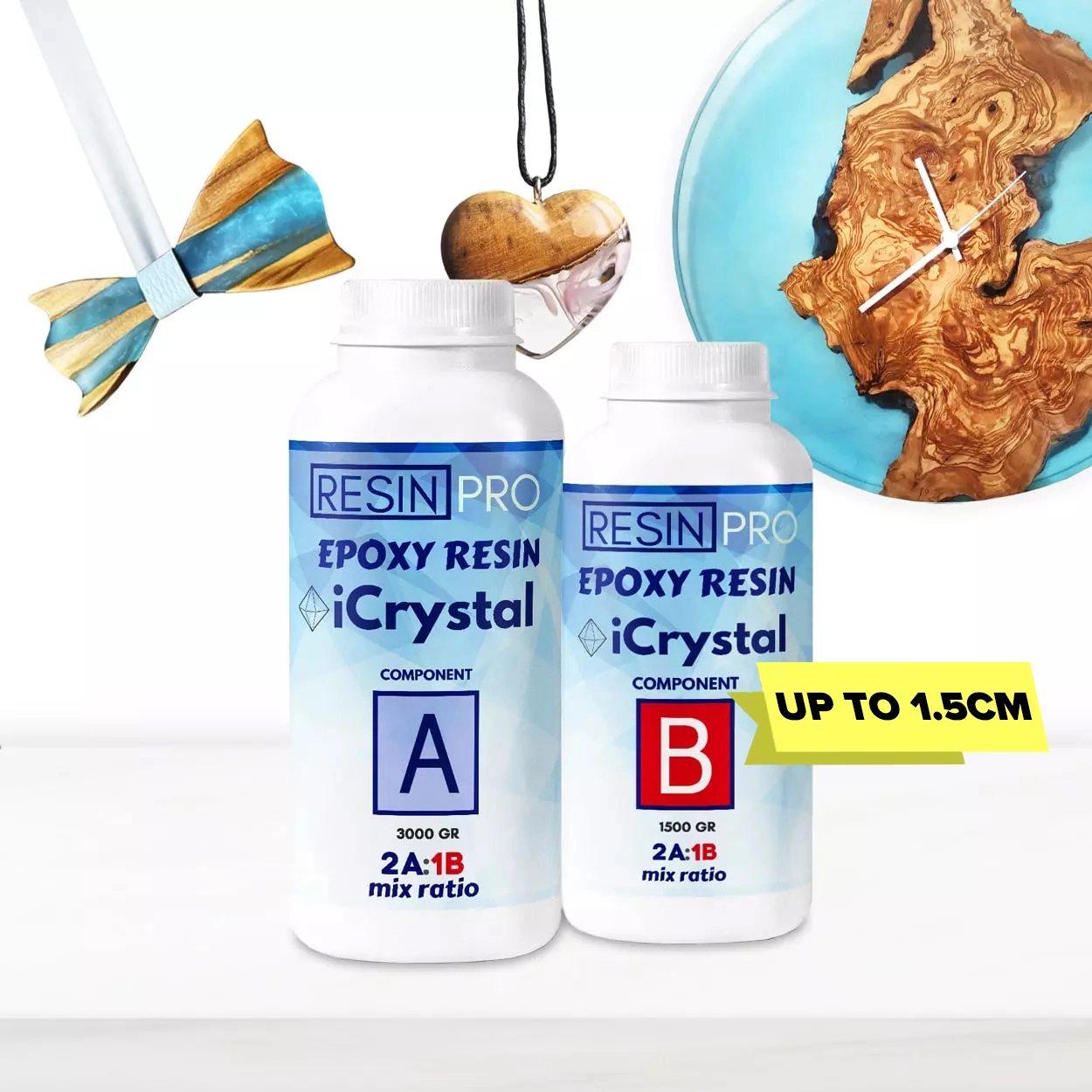 "Icrystal" – Clear Epoxy Resin – Odourless Formula – Up to 1.5cmPrice range: £11.65 through £954.85"Icrystal" Clear Epoxy Resin offers high transparency and scratch resistance. Suitable for making resin bookmarks with prints.
 "Pure Mould" – Translucent Liquid Silicone Rubber for Mould MakingPrice range: £22.85 through £158.85"Pure Mould" silicone rubber is translucent and suitable for creating detailed moulds using resins and other materials.
Frequently Asked Questions
What type of resin is best for embedding prints in bookmarks?
A clear, UV-resistant epoxy resin such as Art Pro or One-2-One produces glossy, durable results with excellent transparency for prints.
How should I prepare prints before placing them in resin?
Laminate or seal prints to prevent ink from bleeding. Ensure they are dry and trimmed to fit the mould.
How do I prevent or remove air bubbles in resin bookmarks?
Mix resin slowly, pour in layers, and use a toothpick or heat gun gently over the surface to release trapped air.
How long does it take for resin bookmarks to cure?
Most epoxy resins cure in 24 to 48 hours, but always follow the manufacturer’s instructions for specific timing.
When is it safe to remove bookmarks from the mould?
Wait until the resin is fully hard and cool to the touch. Demoulding too early may cause warping or marks.
Can I use regular home-printed pictures with epoxy resin?
Inkjet prints can bleed in resin. Preferably use laser prints or seal your images with clear glue or spray for best results.