 Free shipping on orders over £29,85
  Shipping Tracking!


 Google
 Facebook
How do you make a resin sink?
Creating a custom resin sink is a rewarding project that lets you add a unique, contemporary touch to kitchens, bathrooms, or workspace areas. With the right steps and materials, you can achieve a durable, seamless, and visually appealing basin tailored to your specifications. This guide takes you through planning, preparation, casting, and finishing a resin sink, highlighting key tips for success and troubleshooting potential challenges.
Step-by-step guide to casting a bespoke resin basin

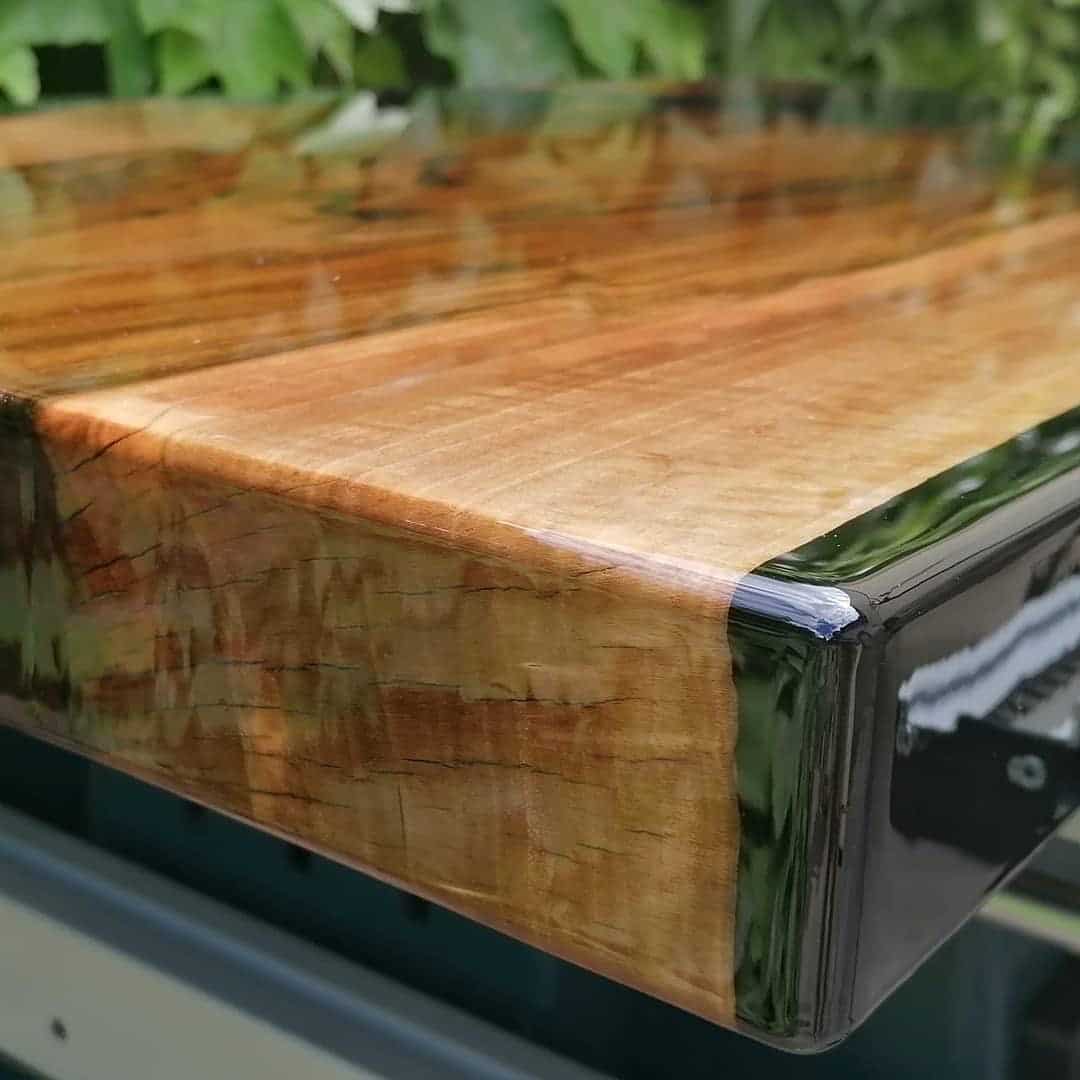
What You’ll Need
- “Epoxytable 10-Ten” – Deep Pour Epoxy Resin for Tables, Up to 10cm Casting: For deep, bubble-free and strong sink castings up to 10cm thick.
- Formwork materials (MDF, melamine board or plywood)
- Silicone sealant or release agent for formwork
- Protective gloves, eye protection and respirator mask
- Mixing containers and stirring sticks
- Pigments or dyes (optional, for colour effects)
- Sandpaper and polishing kit
- Spirit level and clamps

Visual Inspiration for Your Resin Sink Project
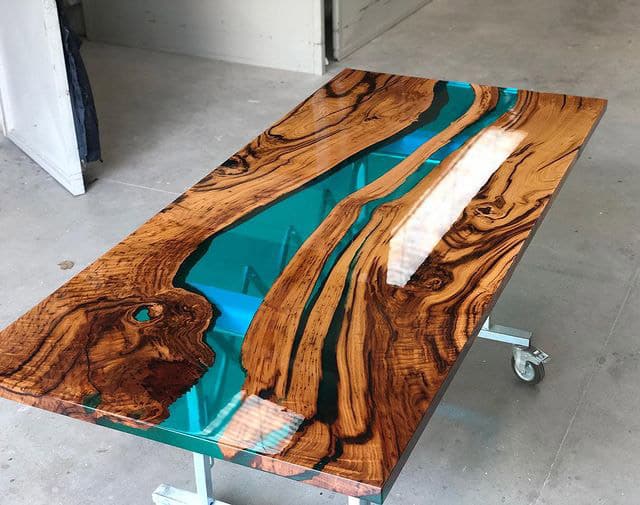
Browse images of completed resin sinks and bespoke basin designs to spark creativity. Notice the range of colours, translucent effects, and surface textures achievable with deep pour epoxy. High-gloss finishes and custom forms are all possible—your finished sink can be as artistic or as minimal as you like.
Step 1: Plan and Construct the Formwork
Begin by determining the size, shape, and features you want for your resin sink. Draw a precise outline and include any necessary holes for taps or drainage. Use moisture-resistant board such as melamine or coated MDF for the formwork. Accurately cut panels for sides and base, assembling them with screws or clamps for a tight, stable fit. The inside of the mould will directly shape your sink, so ensure edges are smooth and dimensions exact—any imperfection may transfer to the resin surface.
Ensure your formwork is completely sealed using silicone sealant in all seams and corners. This not only prevents leakage but also helps with later demoulding. Applying a release agent or tape to the mould’s inside surfaces can further simplify removal once the resin has cured.
Step 2: Mix and Colour Your Resin
Calculate the total epoxy volume needed, allowing a little extra for spillage and test pours. When working with deep pours, choose an appropriate resin to avoid overheating and bubbles. For sinks up to 10cm thick, “Epoxytable 10-Ten” – Deep Pour Epoxy Resin for Tables, Up to 10cm Casting is formulated for clarity and deep casting, ensuring a uniform, strong result.
Measure your epoxy components accurately according to the manufacturer’s instructions—incorrect proportions will affect clarity and curing. Wear gloves and eye protection throughout. Slowly incorporate pigments or dyes if desired, blending until the colour is uniform and free of streaks. Let the mixed resin rest briefly to allow air bubbles to rise before pouring.
Step 3: Pour and Level the Epoxy Resin
With your mould securely laid out on a level surface, begin pouring the epoxy into the formwork. For extra-thick sinks, consider pouring in several layers, waiting for the previous layer to reach a gel-like stage before adding the next, to reduce heat build-up and internal stress.
Pour the epoxy resin slowly and steadily from one end of the mould to minimise air entrapment. Use a heat gun or torch briefly at the surface if small surface bubbles appear (avoid prolonged heating to prevent warping). Check with a spirit level to confirm the resin surface remains even as it settles.

Step 4: Curing, Demoulding and Finishing
Allow the resin to cure in a dust-free, temperature-controlled environment according to the manufacturer’s specifications—curing may take up to 72 hours for deep pours. Avoid moving or disturbing the formwork during this time. When cured, gently remove the screws and separate the panels to expose the sink.
Allow the resin to cure fully before demoulding; premature removal can cause warping or damage. Sand the sink surface in progressive grits, starting from coarse to fine, to achieve the desired finish. Finish the process with polishing compounds to bring out clarity and shine, taking care to restore crisp edges and smooth corners for a professional look.
Tips, Common Mistakes and Troubleshooting
Treat working time and pour thickness recommendations seriously—overly thick single pours or rapid mixing can introduce excessive heat, leading to yellowing or cracking. Always double-check your formwork for leaks before mixing resin. If you spot bubbles or cloudiness, use a torch swiftly at the surface but avoid extended heat.
Wear protective gear and ensure your workspace is well ventilated. If polishing reveals scratches, step back to a coarser grit and repeat. Take time with each step—the quality of your final sink depends on initial preparation and patience throughout the process.
Finishing, Installation, and Next Steps
Once your resin sink is cured, you can drill holes for fittings or attach mounting structures as needed. For a seamless look, consider integrating your sink with resin countertops or matching splashbacks. Proper installation and periodic gentle cleaning will help maintain clarity and lustre for years to come.

- “Epoxytable 10-Ten” – Deep Pour Epoxy Resin for Tables, Up to 10cm CastingPrice range: £33.85 through £334.85“Epoxytable 10-Ten” is designed for deep pouring up to 10cm with low viscosity and UV resistance, suitable for table projects and artistic castings.
- "River-Table" – Complete Kit for Creating Your First Epoxy Resin TablePrice range: £188.85 through £444.85"River-Table" kit provides all necessary materials and instructions for making wood and resin tables, suitable for beginners and aligned with the…
 "EpoxyTable 5-Five" – Deep Pour Epoxy Resin for Tables and Large Projects – Up to 5cmPrice range: £16.85 through £1,099.85"EpoxyTable 5-Five" is a deep pour epoxy resin designed for tables and large projects, suitable for creating thick, clear, and mechanical resistant…
 "Trasparente" – Multipurpose Clear Epoxy Resin for Casting – Up to 2cmPrice range: £8.45 through £948.85"Trasparente" is a clear epoxy resin suitable for casting up to 2cm thick layers, designed for detailed and DIY applications with a glossy,…
Frequently Asked Questions
What is the best epoxy for casting a deep resin sink?
For pours up to 10cm thick, a deep pour epoxy such as 'Epoxytable 10-Ten' is recommended to prevent overheating and achieve crystal clarity.
How do I avoid bubbles in my resin sink?
Avoid vigorous mixing, pour slowly, and use a heat gun or torch briefly on the surface to help release trapped air.
How long should I let the resin cure before demoulding the sink?
Allow the resin to cure fully, typically 48–72 hours for deep pours, before removing the formwork to avoid distortion or damage.
What is the best way to finish and polish a resin sink surface?
Sand gradually from coarse to fine grits, then use a polishing compound to achieve a smooth, glossy surface.
Can I add colour or effects to my resin sink?
Yes, incorporate pigments or dyes during the mixing stage for custom colours or marbled effects. Blend thoroughly for consistent results.
What is the best formwork material for casting a resin sink?
Melamine board or coated MDF works well as they are smooth, durable, and allow easy demoulding when treated with release agents.