 Free shipping on orders over £29,85
  Shipping Tracking!


 Google
 Facebook
How do you make a wood and resin table?
Step-by-step guide to crafting your own resin and wood table
Creating a wood and resin table blends craftsmanship with creativity, letting you design a truly unique centrepiece for your home or workspace. Whether you’re aiming for a signature river table or a stylish modern feature, following the right process ensures a stable, beautiful, and durable result.
What You’ll Need
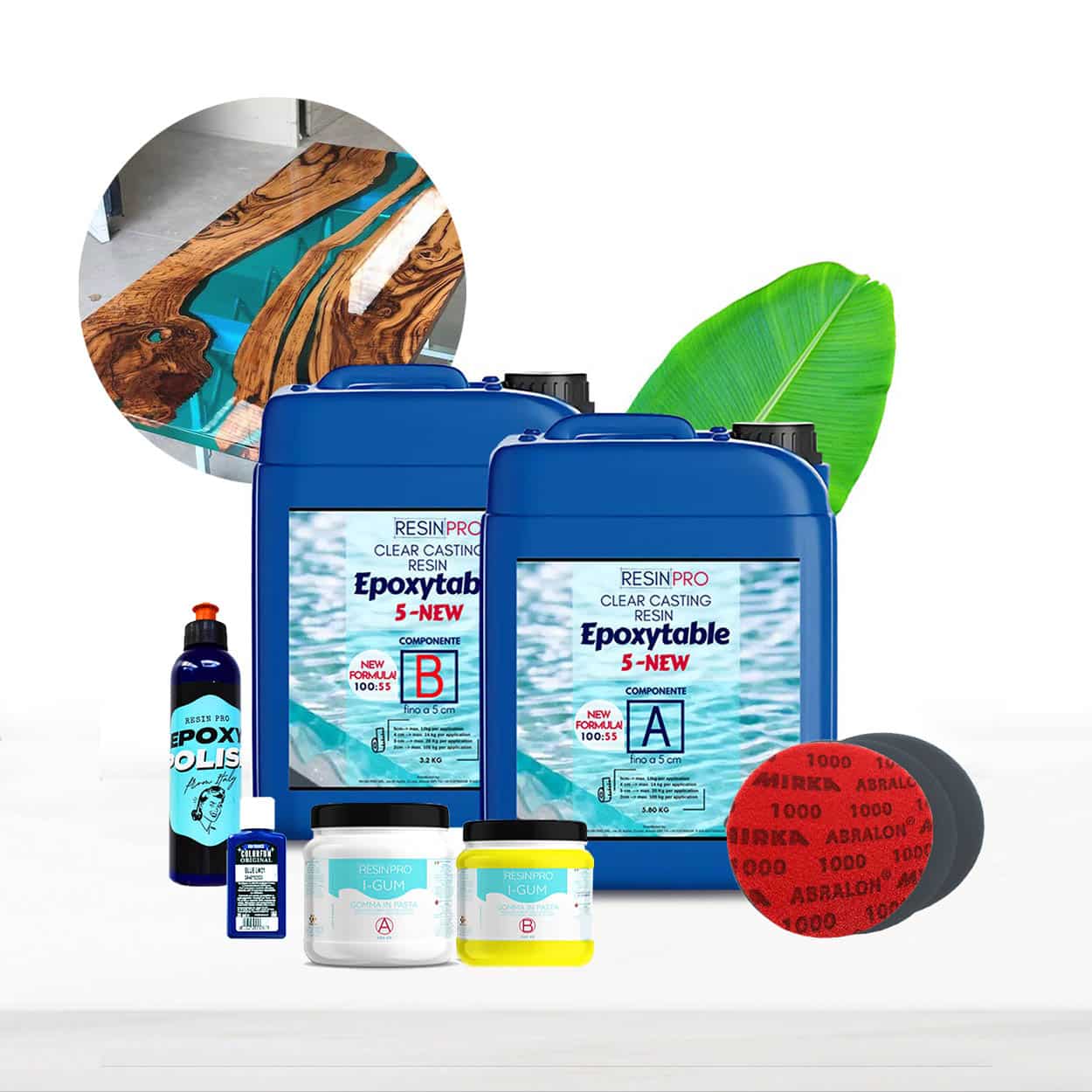
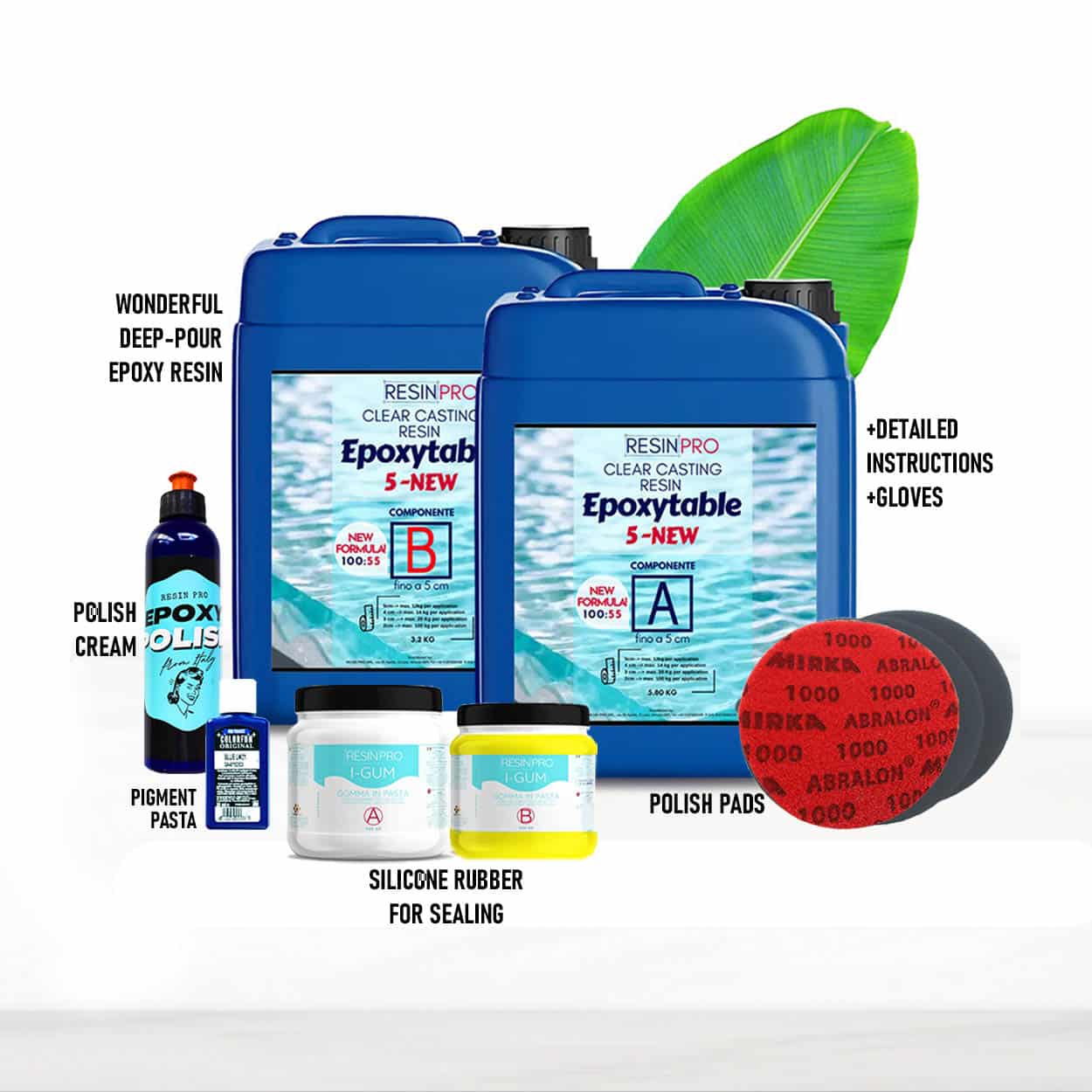
- “River-Table” – Complete Kit for Creating Your First Epoxy Resin Table – all-in-one solution for beginners and those seeking clear instructions
- “EpoxyTable 5-Five” – Deep Pour Epoxy Resin for Tables and Large Projects – Up to 5cm – ideal for projects requiring deep resin pours up to 5cm
- “Epoxytable 10-Ten” – Deep Pour Epoxy Resin for Tables, Up to 10cm Casting – for projects needing the deepest, clearest pours
- “Geode O” – Large Wooden Board Table Base for Epoxy Resin Projects – 90x60cm or 120x80cm – provides a stable base sized for typical tables
- Protective gloves, mask, mixing containers, and stirrers
- Sandpaper, tack cloth, painter’s tape, and a heat gun or hairdryer
- Wood plank (seasoned, dry, and planed)

Essential Wood and Resin Table Tools
Gather everything you need before starting—this streamlines the process and avoids missed steps. For beginners, consider a complete kit that includes resin, sealant, colour pigments, and polishing supplies, covering every stage from mixing to finishing.
Step 1: Prepare the Wood and Workspace
Begin by selecting a quality, well-seasoned piece of wood for your table. Remove any bark if desired, and use sandpaper to achieve a smooth surface on all edges and faces. Wipe down the wood with a tack cloth to remove dust, ensuring strong adhesion and a clean finish. Protect your workspace with plastic sheeting and secure the wood in your chosen table base or a custom-built mould.
Seal any knots or cracks with painter’s tape along the edges to prevent resin leakage. Make sure everything is level, as an uneven setup may cause the resin to accumulate inconsistently across the table.
Step 2: Build Your Mould and Seal the Form
If you are not using a ready-made table base like the “Geode O” – Large Wooden Board Table Base for Epoxy Resin Projects, construct a watertight form using melamine boards or similar non-stick material. Carefully seal all joints with silicone and double-check for potential leaks. The form must fit closely around your wood slab, allowing room for the resin fill. Apply a release agent if needed, especially on surfaces you want to demould cleanly after the resin cures.
Check that the form is both square and rigid, as shifting during pouring may alter the river effect or create imperfections.
Step 3: Mix and Pour the Epoxy Resin
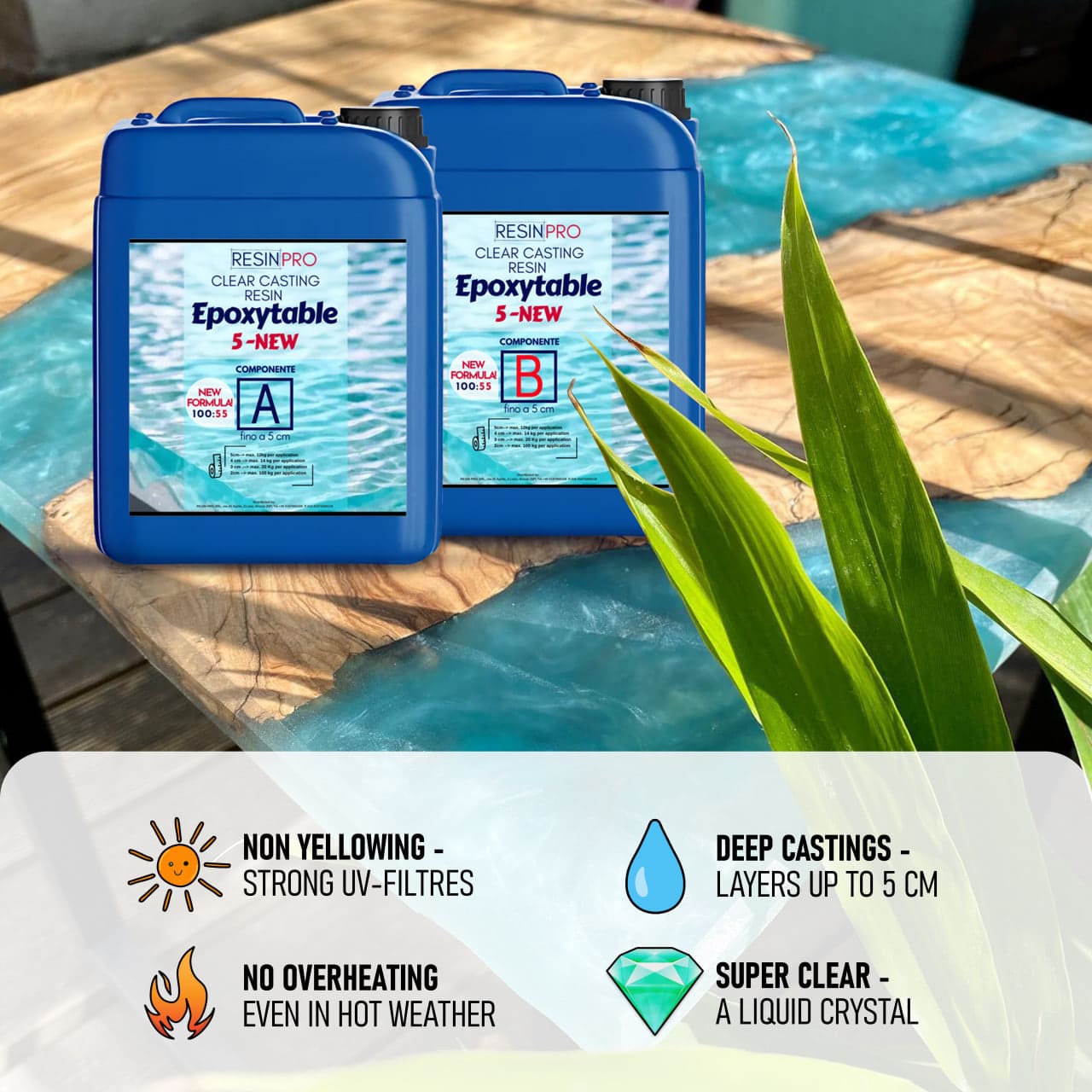
Measure the total volume needed, factoring in any voids within the wood and the size of the ‘river’ area. Deep pour projects up to 5cm thick typically benefit from an epoxy like “EpoxyTable 5-Five” – Deep Pour Epoxy Resin for Tables and Large Projects – Up to 5cm. For thicker pours (up to 10cm), consider “Epoxytable 10-Ten” – Deep Pour Epoxy Resin for Tables, Up to 10cm Casting for clear, bubble-free results.
Don protective gloves and mask. Following the manufacturer’s instructions, carefully mix the epoxy resin and hardener, ensuring consistency and avoiding air entrapment. Add pigments as desired for a unique colour effect. Pour the mixture slowly into your form, working from one end to the other. Use a heat gun or hairdryer to Smooth out air bubbles before the resin sets.
Step 4: Cure, Demould, and Finish the Table
Allow the resin to cure undisturbed and in a dust-free environment. Curing time varies depending on resin choice and thickness, but patience is essential for optimal clarity and strength. Once cured, carefully remove the table from the form. Sand uneven areas and edges smoothly, progressing from coarse to fine grit sandpaper for the best finish.
If your table requires final polishing and detailing, this stage is crucial for achieving a professional look. The “River-Table” – Complete Kit for Creating Your First Epoxy Resin Table offers an included polishing kit tailored for resin surfaces.
Allow for full curing time for lasting results—premature handling can mark or compromise the table surface.

Tips & Common Mistakes to Avoid
Always measure resin and hardener precisely—incorrect ratios can cause incomplete curing. Work in a climate-controlled environment to reduce dust and temperature variations, which interfere with resin flow and setting. Never rush the mixing or pouring process, as hasty preparation often causes visible bubbles or uneven surfaces.
Expert Advice for Pristine Results
Take your time during every stage—quality results come from careful preparation, accurate pouring, and proper curing. If you encounter issues such as bubbles or surface imperfections, sanding and re-coating can help restore a flawless finish.
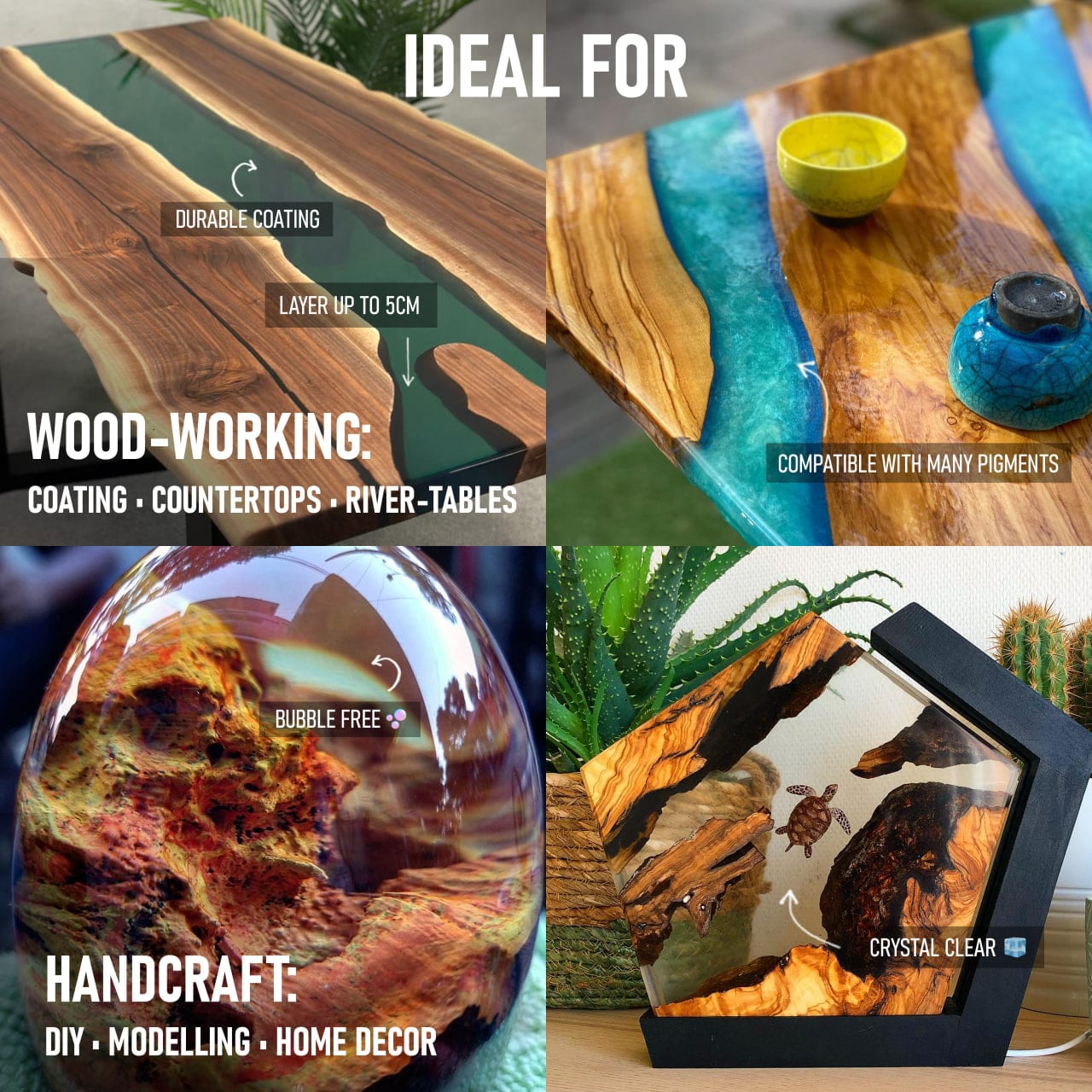
- "River-Table" – Complete Kit for Creating Your First Epoxy Resin TablePrice range: £188.85 through £444.85"River-Table" kit provides materials and guidance for creating wood and resin tables following the theme of wood and resin table making.
 "EpoxyTable 5-Five" – Deep Pour Epoxy Resin for Tables and Large Projects – Up to 5cmPrice range: £16.85 through £1,099.85EpoxyTable 5-Five resin is designed for deep pour projects such as tables, offering non-yellowing and scratch-resistant results.
 “Epoxytable 10-Ten” – Deep Pour Epoxy Resin for Tables, Up to 10cm CastingPrice range: £33.85 through £334.85“Epoxytable 10-Ten” is suitable for deep pouring in table making, allowing casting up to 10cm with strong UV resistance and low viscosity.
 "Geode O" – Large Wooden Board Table Base for Epoxy Resin Projects – 90x60cm or 120x80cmA durable wooden table base designed for epoxy resin projects, suitable for various creative applications.
Frequently Asked Questions
How thick can I pour epoxy resin for tables?
Specific resin types allow pours up to 5cm or 10cm per layer. Always follow the manufacturer's maximum thickness guidance for your chosen product.
How do I prevent bubbles in my resin table?
Mix slowly and thoroughly, then use a heat gun immediately after pouring to help release any trapped air in the resin.
Is making a wood and resin table suitable for beginners?
Yes, especially when using a comprehensive kit with instructions. Taking your time and following each step improves results.
How long does it take to cure a resin table?
Curing times vary by resin and thickness, but deep pour epoxies often require 48–72 hours for full curing before demoulding and finishing.
How should I polish and maintain a resin table?
After sanding, apply a suitable polishing cream with soft pads. Regular dusting and cleaning with a gentle cloth maintain its shine.
What is the best type of wood for a resin table?
Stable, seasoned hardwoods work best. Woods must be thoroughly dry and planed to reduce risk of movement or moisture issues.