 Free shipping on orders over £29,85
  Shipping Tracking!


 Google
 Facebook
How do you make a mould with silicone rubber?
Compare leading silicone rubbers for accurate, durable moulds
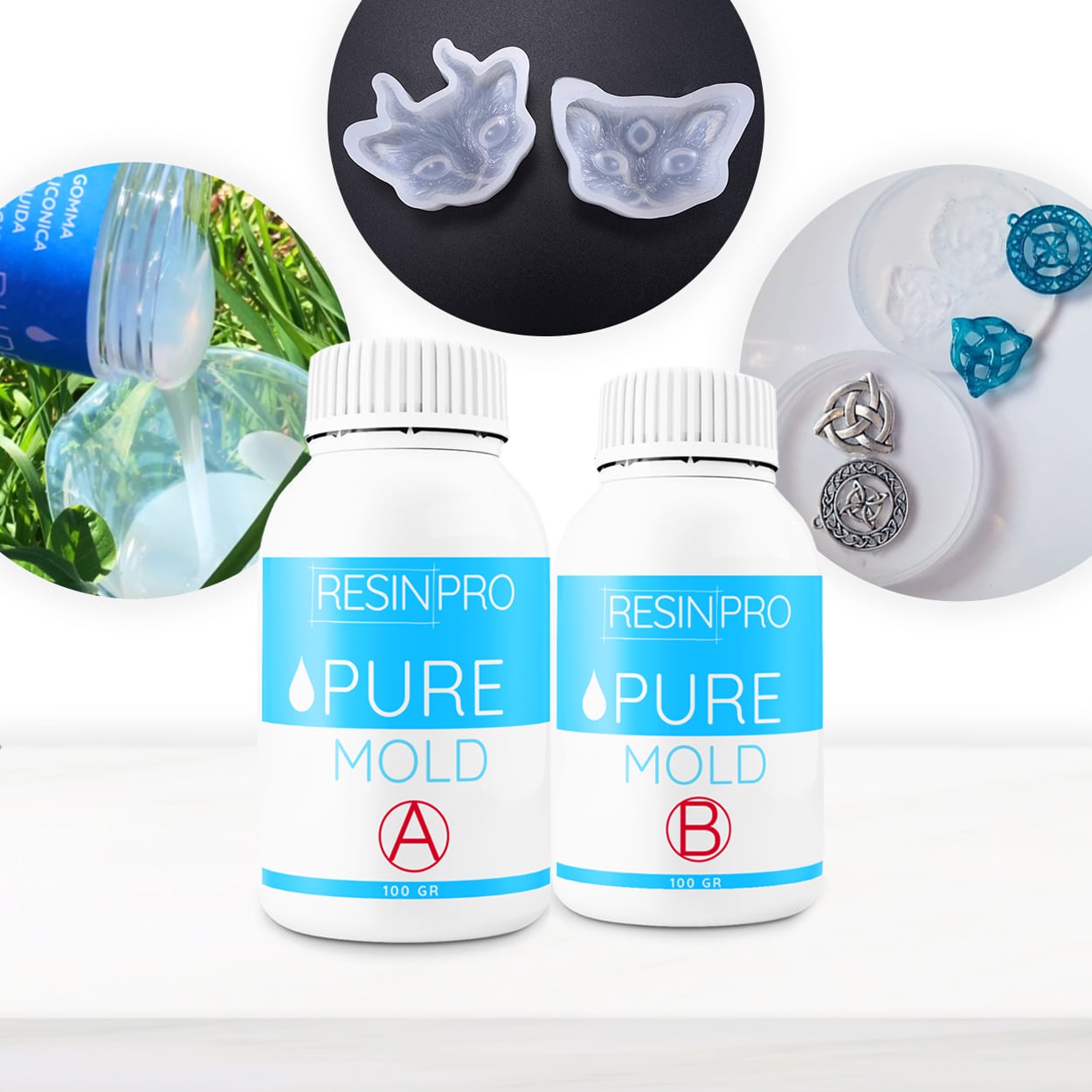
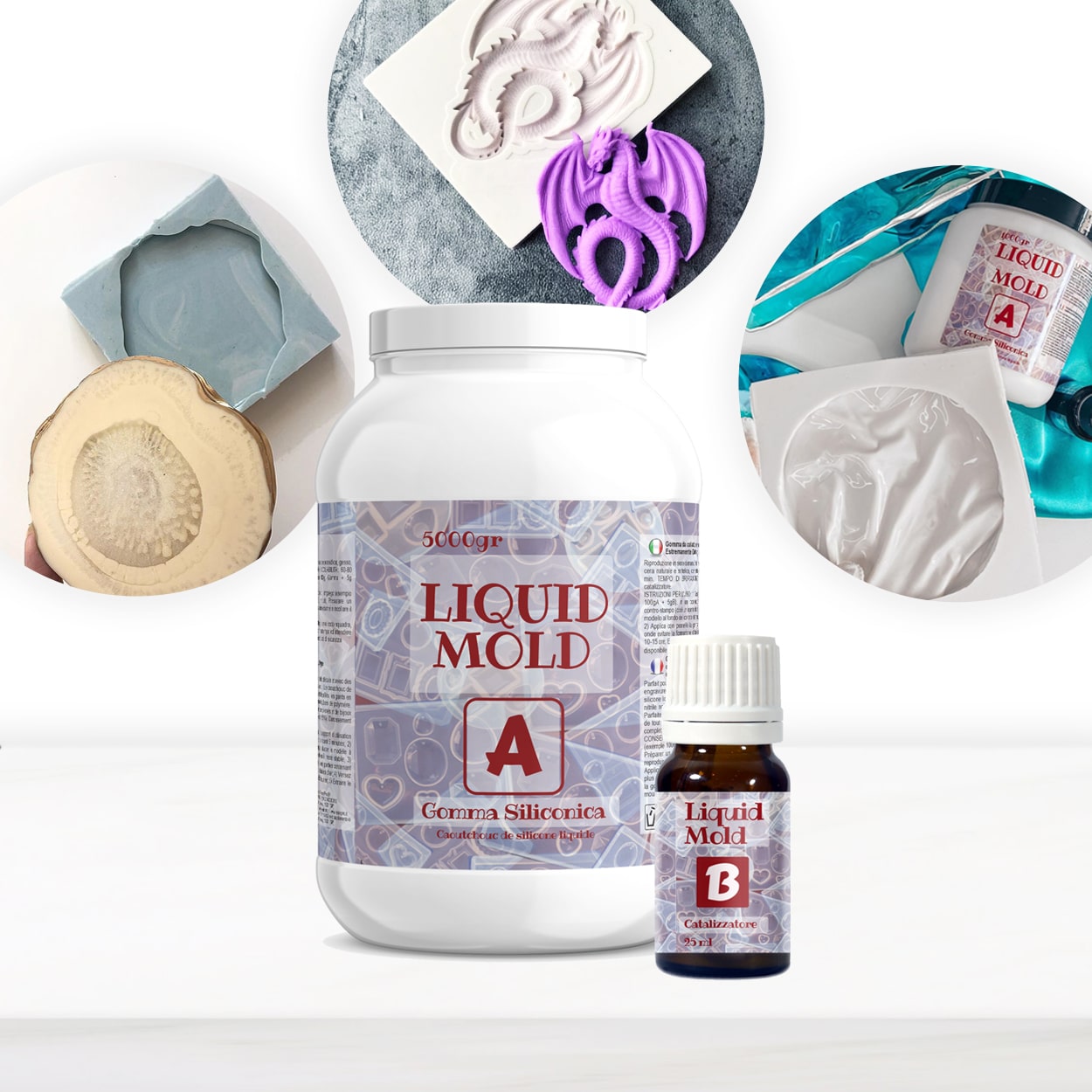
Looking to create precise, durable silicone rubber moulds for resin, plaster, wax, or a range of casting materials? This page helps you compare the top options for making professional-quality silicone moulds. Whether you’re a hobbyist, model maker, candle crafter, or a professional mould maker, discover the ideal silicone rubber for your project below.
Silicone Rubber for Mould Making: Overview and Key Differences
Choosing the best silicone rubber depends on the level of detail needed, your material compatibility, and whether you prefer a liquid or putty format. Liquid silicones are best for complex, intricate shapes and producing transparent or detailed moulds. Putty silicones offer convenience and speed for quick, simple shapes directly by hand.
- Translucent Liquid Silicone Rubbers allow easy observation of the model during curing and are ideal for multiple-use, highly durable moulds with detailed features.
- Casting Liquid Silicone Rubbers in bi-component (A+B) form provide the highest replication accuracy for small objects and designs with fine details or undercuts.
- Silicone Putty is non-toxic and suitable for direct moulding from your hands, offering a simple, glove-free process with a longer work time.
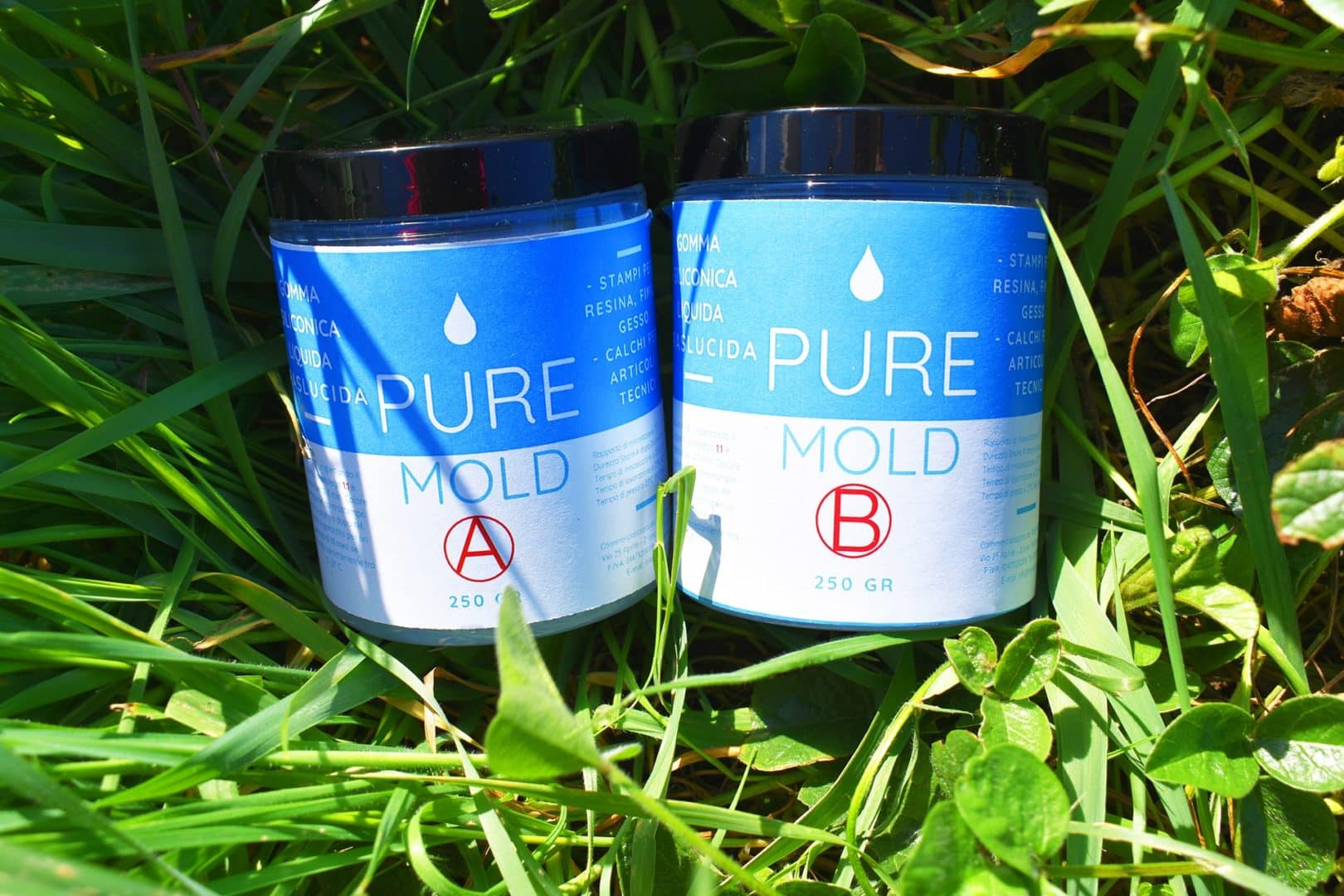
Liquid vs Putty: Real Project Examples
Liquid silicones create precise, multi-use moulds for casting resin or decorative candles, while silicone putty is favoured for quick moulds of items like buttons, jewellery, or ornaments directly by hand.
“Pure Mould” – Translucent Liquid Silicone Rubber for Mould Making
If you require a robust, highly detailed, and translucent mould, “Pure Mould” – Translucent Liquid Silicone Rubber for Mould Making is engineered for both professionals and hobbyists. With an easy 1:1 mixing ratio, this platinum-based silicone rubber sets in 3–8 hours and offers reduced shrinkage and extended service life—ideal for repeated use with resins, cements, plasters, and waxes. Its transparent finish enables monitoring for air bubbles or imperfections, and its mechanical strength ensures your moulds stay sturdy and usable across many castings.
“Liquid Mould” – Casting Liquid Silicone Rubber, 5-40 Shores, Bi-Component A+B
For projects demanding extraordinary fine detail and the ability to reproduce intricate shapes and undercuts, “Liquid Mould” – Casting Liquid Silicone Rubber, 5-40 Shores, Bi-Component A+B is the ideal choice. This two-part silicone rubber is designed to penetrate complex designs, capturing every nuance in your master model—from jewellery and small statues to decorative art and industrial prototypes. Used with a catalyst, it delivers high-fidelity moulds compatible with resin, soap, polymer, and wax. Suited for frequent use, artistic foundries, and projects where detail cannot be compromised.
“I–Gum” – Non-Toxic Silicone Putty for Mould Making
If you prefer a ready-to-use putty format for shaping directly around objects—no mould box or pouring required—choose “I–Gum” – Non-Toxic Silicone Putty for Mould Making. This two-component, odourless, and non-toxic silicone putty is perfect for making quick, accurate moulds of smaller items, frames, or creative shapes. With its user-friendly 1:1 ratio and no requirement for gloves, it’s especially convenient for beginner and experienced crafters alike. Its long working time (approx. 20 minutes) allows you to manipulate and perfect the putty for a variety of moulding tasks involving resin, polyurethanes, wax, and cement.
Choosing the Right Silicone Rubber for Your Project
Consider the size, complexity, and casting material compatibility for your upcoming project. “Pure Mould” excels for reusable, clear, and detailed moulds ideal for professional and repeated use. “Liquid Mould” is designed for exquisite detail and flexibility with different hardness ratings. “I–Gum” is best for direct, glove-free application and quick finishes. For more product options, see our Silicone Rubbers category.
Matching Your Mould to the Casting Material
For best results, match the silicone type to your casting material. Translucent and liquid silicones suit clear resin and fine art, while silicone putty suits hobby projects in wax or polymer. Always check compatibility for the finish you need.
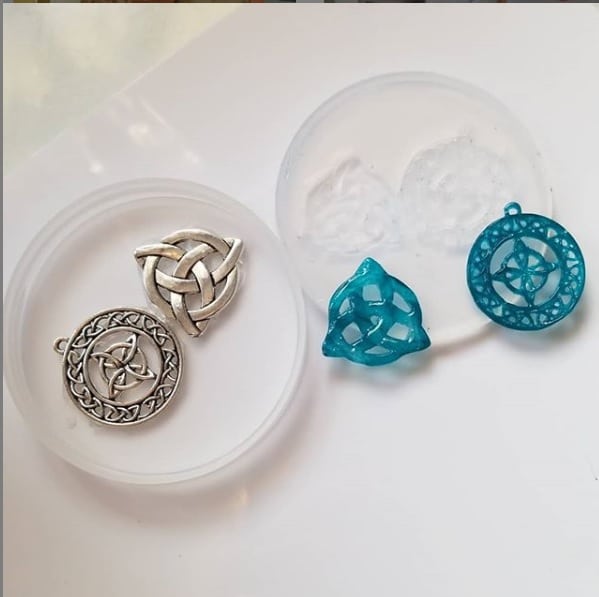
- "Pure Mould" – Translucent Liquid Silicone Rubber for Mould MakingPrice range: £22.85 through £158.85"Pure Mould" silicone rubber is translucent and fast curing, used to create moulds compatible with a variety of materials including resins and…
- "Liquid Mould" – Casting Liquid Silicone Rubber, 5-40 Shores, Bi-Component A+BPrice range: £13.45 through £368.85"Liquid Mould" – Casting Liquid Silicone Rubber is suitable for making detailed moulds and reproductions in the context of mould making with silicone…
 "I–Gum" – Non-Toxic Silicone Putty for Mould MakingPrice range: £22.85 through £99.85Non-toxic silicone putty designed for creating moulds and forms for use with resin and other materials.
Frequently Asked Questions
Which silicone rubber is best for detailed, reusable moulds?
"Pure Mould" and "Liquid Mould" silicone rubbers both provide excellent detail and repeat usability. Choose based on your preference for translucent or standard liquid.
When should I use translucent liquid vs putty silicone rubber?
Use translucent liquid for professional, complex, or repeated projects. Use putty silicone for simple, fast moulds or direct application to objects.
What are the mixing ratios and working times for these products?
"Pure Mould" and "I–Gum" have a 1:1 mixing ratio, while "Liquid Mould" requires mixing with a catalyst. Working times range from 20 minutes to several hours depending on type.
Do silicone moulds shrink and how long do they last?
Shrinkage is minimal, especially with "Pure Mould". With proper use, all these moulds offer extended service life and repeated casting capability.
Are these silicone rubbers compatible with resin, wax, and other materials?
Yes, all listed silicones work with common casting materials including epoxy resin, wax, cement, and plaster (see individual product details for any exceptions).
Do I need special equipment to make silicone rubber moulds?
No special tools are required—liquid silicones may benefit from simple mixing containers, while silicone putty can be shaped by hand without extra tools.