 Free shipping on orders over £29,85
  Shipping Tracking!


 Google
 Facebook
how to fix a thread with resin
Repairing damaged or stripped threads doesn’t have to mean replacing the entire part. This guide walks you through how to fix a thread with resin, a technique that restores the integrity and function of worn or broken threaded holes or bolts. Whether you’re working with metal, plastic, or composite materials, this method ensures your repairs are strong, durable, and ready for daily use.
Restore stripped or worn threads to strong, reliable condition


What You’ll Need
- “Klebfix” – Two-Component Fast Epoxy Glue 2K, 25g Syringe – best for fast, precise thread repair in small components
- “FixExpress” – Two-Component Epoxy Glue 500g – ideal for stronger or larger repairs where more material is needed
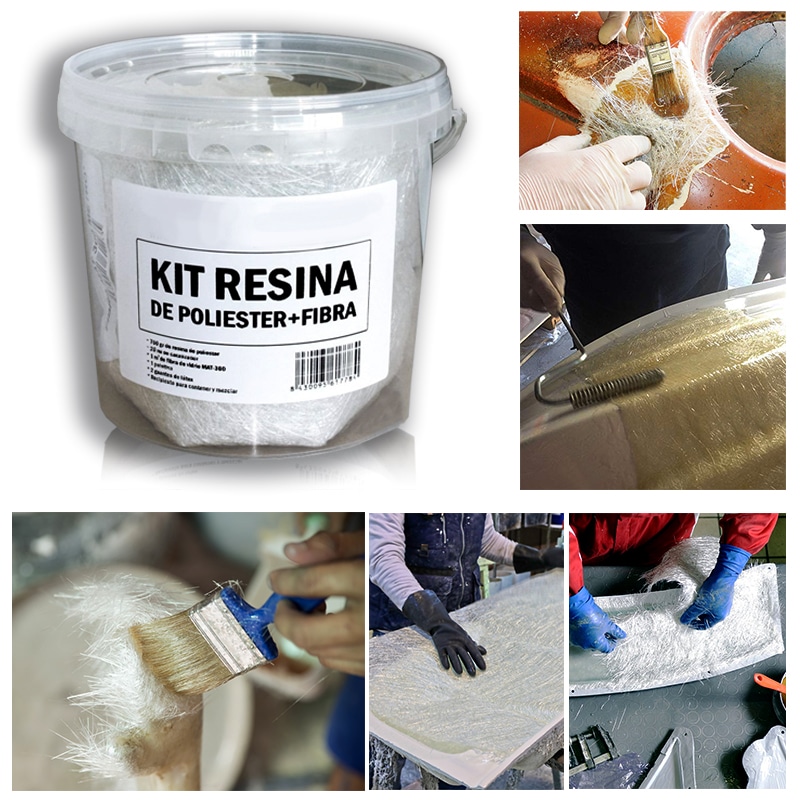
- Resin Fibreglass Repair Kit – Complete Polyester Resin and Hardener Set – for heavy-duty repairs requiring reinforcement
- Protective gloves
- Small brush or applicator stick
- Thread insert or original bolt (for forming the repair)
- Isopropyl alcohol or a degreasing cleaner
- Paper towels

Matching the Resin Type to Your Thread Repair
Choose a rapid-setting epoxy for speed and precision on smaller jobs, such as “Klebfix” – Two-Component Fast Epoxy Glue 2K. For larger or structural threads, use a ready-to-mix kit like “FixExpress” – Two-Component Epoxy Glue 500g or reinforce with Resin Fibreglass Repair Kit – Complete Polyester Resin and Hardener Set for high-load applications.

Step 1: Clean and Prepare the Thread
Wear gloves for any resin handling to ensure your skin stays safe. Begin by thoroughly cleaning the damaged thread. Check the thread for oil, dirt, or loose debris from previous use or failed repairs. Use isopropyl alcohol and paper towels to degrease the area completely. The bond depends on a clean surface—any contamination can compromise the repair.
If there’s significant old material or corrosion, carefully remove it with a small pick or brush, but avoid removing extra base material that may further weaken the thread shape. Let the area dry fully before proceeding.
Step 2: Mix and Apply the Resin
Choose a suitable resin for your repair scale. For small or precision applications, “Klebfix” – Two-Component Fast Epoxy Glue 2K, 25g Syringe allows precise mixing and dispensing, making it ideal for single-thread repairs. For larger threads or more extensive damage, “FixExpress” – Two-Component Epoxy Glue 500g provides ample resin for a strong bond.
Dispense equal parts of resin and hardener according to the instructions. Mix thoroughly until the colour is uniform. Use a fine stick or the supplied syringe tip to apply a minimal but complete coat into the threaded area. Fill the void, but do not overfill, as excess will be extruded when the former is inserted.
Step 3: Re-form the Thread and Allow Curing
Immediately insert the original bolt or a suitable thread-forming insert into the freshly applied resin. Rotate gently to ensure proper alignment and coverage of the entire thread profile, but avoid forcing excess resin out.
Give the resin enough time to start to set before repositioning parts. Most fast-setting epoxies require around five minutes for initial handling strength. Keep the forming piece in place and undisturbed during the cure period. Refer to the product instructions for full cure times before attempting to use the repaired thread.

Step 4: Remove Insert and Inspect the Repair
Once cured, carefully unscrew the bolt or thread former. The resin should have set into the exact shape, creating a renewed threaded surface. Inspect for any voids, incomplete areas, or adhesive overflow.
If needed, lightly clean away any excess resin with a pick or blade. For large-section or structural repairs (for example, with broken plastics or fibreglass), a Resin Fibreglass Repair Kit – Complete Polyester Resin and Hardener Set can reinforce the area further before thread restoration.
Tips, Mistakes, and Troubleshooting
Avoid using too much resin—excess can fill and block the new threads or ooze out. Always mix the resin thoroughly for maximum bonding strength. If you struggle to get a clean thread profile, allow the bolt or insert to stay in place until the resin is semi-cured, then gently remove and reinsert to prevent sticking.
Should the repair fail to hold, repeat the process with extra care during cleaning and mixing. For structural parts or those under continuous stress, consider supported repairs with a reinforced kit.
When to Use Reinforcement for Thread Repairs
Heavily stripped, cracked, or thin-walled threads often benefit from added support. The Resin Fibreglass Repair Kit provides structural backing and a bigger bonding area for long-lasting results, especially in applications exposed to vibration or pressure.

- "Klebfix" – Two-Component Fast Epoxy Glue 2K, 25g Syringe£22.85KLEBFIX 2K Fast Epoxy Glue is suitable for professional-strength bonding across various materials using a transparent, two-part resin.
- "FixExpress" – Two-Component Epoxy Glue 500g£25.45"FixExpress" offers rapid repairs with strong adhesion. Suitable for various materials and used in 'how to fix a thread with resin' applications.
- Resin Fibreglass Repair Kit – Complete Polyester Resin and Hardener SetPrice range: £13.85 through £22.85Kit with resin and fibreglass mat designed for emergency repairs of rigid structures including boats and pools.
Frequently Asked Questions
How long does epoxy set when fixing a thread?
Most two-component epoxies set in about five minutes for initial strength. Always allow full curing as per product instructions before applying load.
Can I use resin for metal or plastic threads?
Yes, suitable resins bond to both metal and plastics. Ensure surfaces are clean for best adhesion and lasting results.
Do I need to remove all old resin or glue?
Removing loose or poorly bonded residue is crucial. Clean thoroughly but avoid further damaging the thread.
How to stop the bolt sticking in the repair?
Lightly coat the bolt with release agent or oil before inserting it in wet resin. Remove it once the resin has semi-cured to avoid permanent sticking.
Can epoxy glue fill completely stripped threads?
Yes, epoxy can rebuild a thread’s form if a proper former or bolt is used during curing.
Will the repaired thread be as strong as original?
Resin repairs restore usability and can be very strong, but may not match original metal strength under extreme loads.