 Free shipping on orders over £29,85
  Shipping Tracking!


 Google
 Facebook
How to embed animals in resin
Clear step-by-step for safe and lasting encapsulation results
Embedding animals in resin can yield striking, permanent displays that preserve delicate specimens for generations. Whether you are working with small insects or larger found objects, the resin encapsulation process protects the subject from air and physical deterioration. This guide will walk you through the safe, careful steps to achieve a crystal-clear, professional result.
What You’ll Need
- “Icrystal” – Clear Epoxy Resin – Odourless Formula – Up to 1.5cm: Perfect for small castings and thin layers due to its clarity and odourless formula.
- “Trasparente” – Multipurpose Clear Epoxy Resin for Casting – Up to 2cm: Ideal for slightly deeper pours up to 2cm for medium-sized specimens.
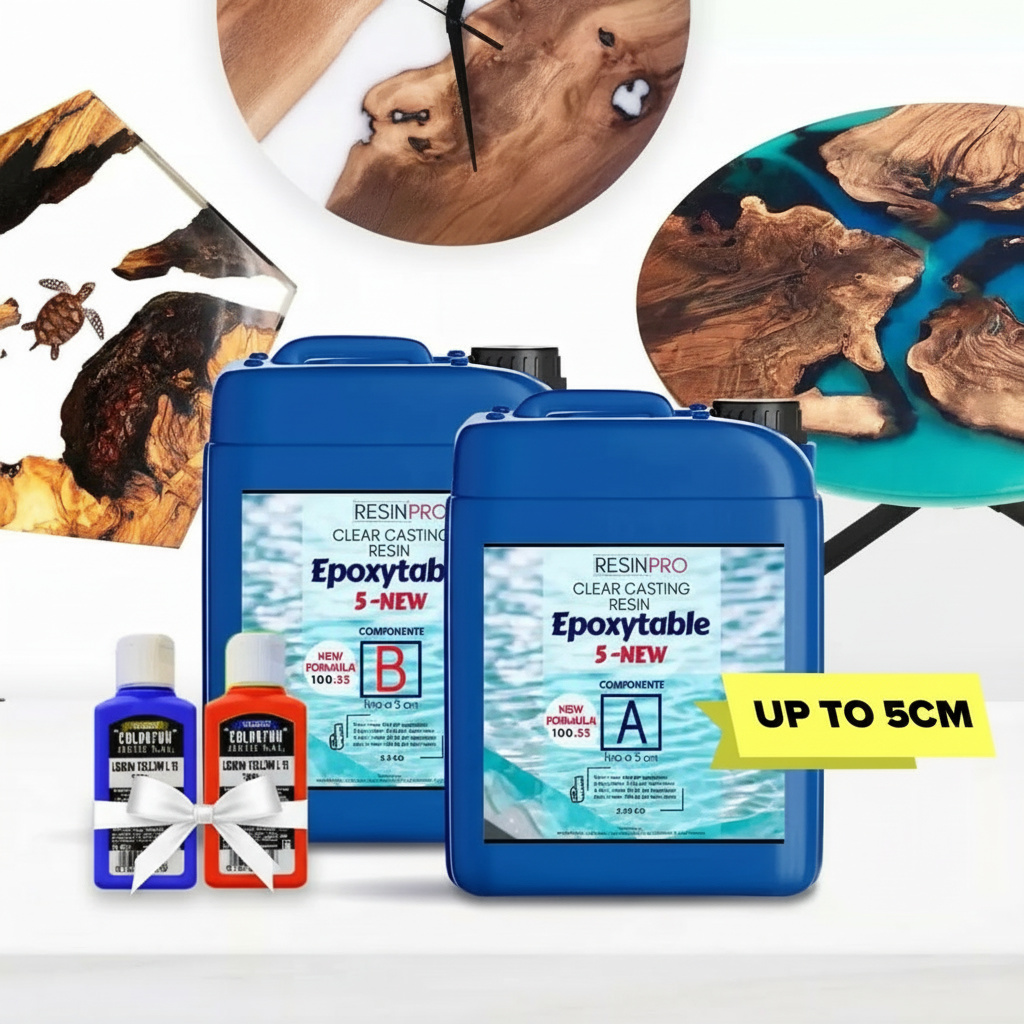
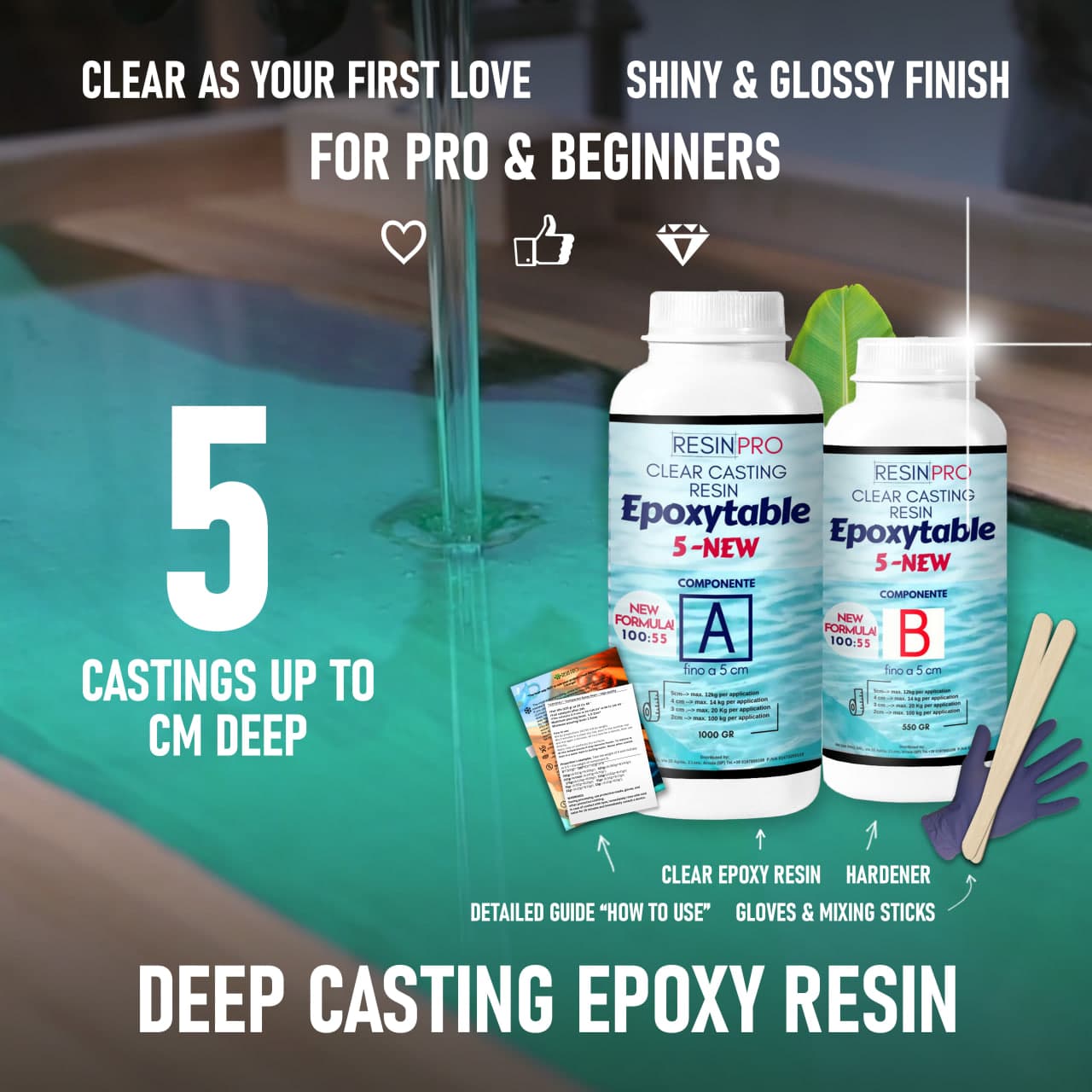
- “EpoxyTable 5-Five” – Deep Pour Epoxy Resin for Tables and Large Projects – Up to 5cm: Choose this for larger projects requiring thicker encapsulation.
- “Epoxytable 10-Ten” – Deep Pour Epoxy Resin for Tables, Up to 10cm Casting: For the deepest projects or bulkier items to ensure even curing without overheating.
- Nitrile gloves and safety goggles
- Mixing sticks and clean disposable containers
- Protective mask and workspace covering
- Moulds suitable for the object size (silicone is ideal)
- Fine-bristle paintbrush, tweezers, and a small sealant/varnish (optional for organic items)

Choosing the Right Resin for Your Project
When embedding animals or delicate items, selecting a resin with the correct pour depth and clarity matters greatly. For small or thin specimens, odourless resins like Icrystal keep the process comfortable indoors. For thicker projects, EpoxyTable 5-Five or Epoxytable 10-Ten ensure the casting cures evenly and with minimal bubbles.
Step 1: Prepare and Dry the Animal Specimen
Thoroughly dry and prepare the animal before embedding. Moisture is a common cause of cloudiness, discolouration, or even mould within resin casts. Air-dry smaller objects for several days, or use a desiccant or low-temperature dehydrator for faster results. Handle specimens gently with clean gloves or tweezers to avoid damage.
If working with previously preserved, taxidermied, or dehydrated animals, double-check they are moisture-free. Any organic residue should be brushed off delicately. Avoid using resin on freshly collected or damp specimens.
Step 2: Seal the Animal Surface
Seal the animal to prevent bubbles and discolouration in your finished piece. Organic materials like animal exoskeletons, feathers, or small bones can emit air or react with resin. Apply a thin coat of clear, non-water-based sealant (such as a spray varnish or a thin layer of compatible resin) using a fine paintbrush. Allow this seal to fully dry before moving to the next step.
This stage is particularly vital for porous or fragile specimens, such as butterflies or beetles, as it creates a protective barrier, minimising air release during resin curing.
Step 3: Mix and Pour the Resin in Layers
Mix and pour resin in thin layers to achieve clarity and prevent heat build-up, especially with deep moulds. Follow the specific product instructions for your chosen resin—such as “Icrystal” epoxy resin for up to 1.5cm layers, or select “Trasparente” resin for slightly thicker projects. For larger, denser castings beyond 2cm, “EpoxyTable 5-Five” or “Epoxytable 10-Ten” provide the depth and pot life required.
Mix resin and hardener thoroughly, following mixing ratios, and pour a thin base layer into the mould. Gently place your sealed specimen into the unset resin, and top up with further resin as needed. For deeper pieces, allow the resin to partially set between layers to prevent overheating and bubble entrapment.

Step 4: Curing and Demoulding
Allow full curing before demoulding your cast. Cover the mould to keep it dust-free, and leave it in a level, ventilated space away from direct sunlight. Curing times will vary—thin layers may set in 24–48 hours, but deep pours can require several days.
Once cured, ease the resin piece out of the mould slowly. If stubborn, gently flex the silicone mould; avoid using metal or sharp tools, as these can damage the finish.

Finishing Touches and Polishing
If desired, lightly sand uneven edges and polish the surface with a fine polishing compound for added shine. Handle your new display with care; if intended for display, ensure the piece is shielded from UV sources or strong heat to protect against discolouration over time.
Tips, Troubleshooting, and Common Mistakes
Work in a dust-free, low-humidity environment for optimal clarity. Avoid overfilling the mould or rushing layers—both can cause air bubbles. Always ensure full drying and sealing of the animal, as moisture or unsealed surfaces are leading causes of cloudiness. If bubbles appear, they can sometimes be coaxed to the surface with a cocktail stick or brief use of a heat gun (with caution).
Showcasing Embedded Specimens Safely
After curing, display your embedded animal pieces away from UV light to prevent fading. Use gentle cleaners and soft cloths for maintenance, preserving the clarity and brilliance of your resin art for years to come.
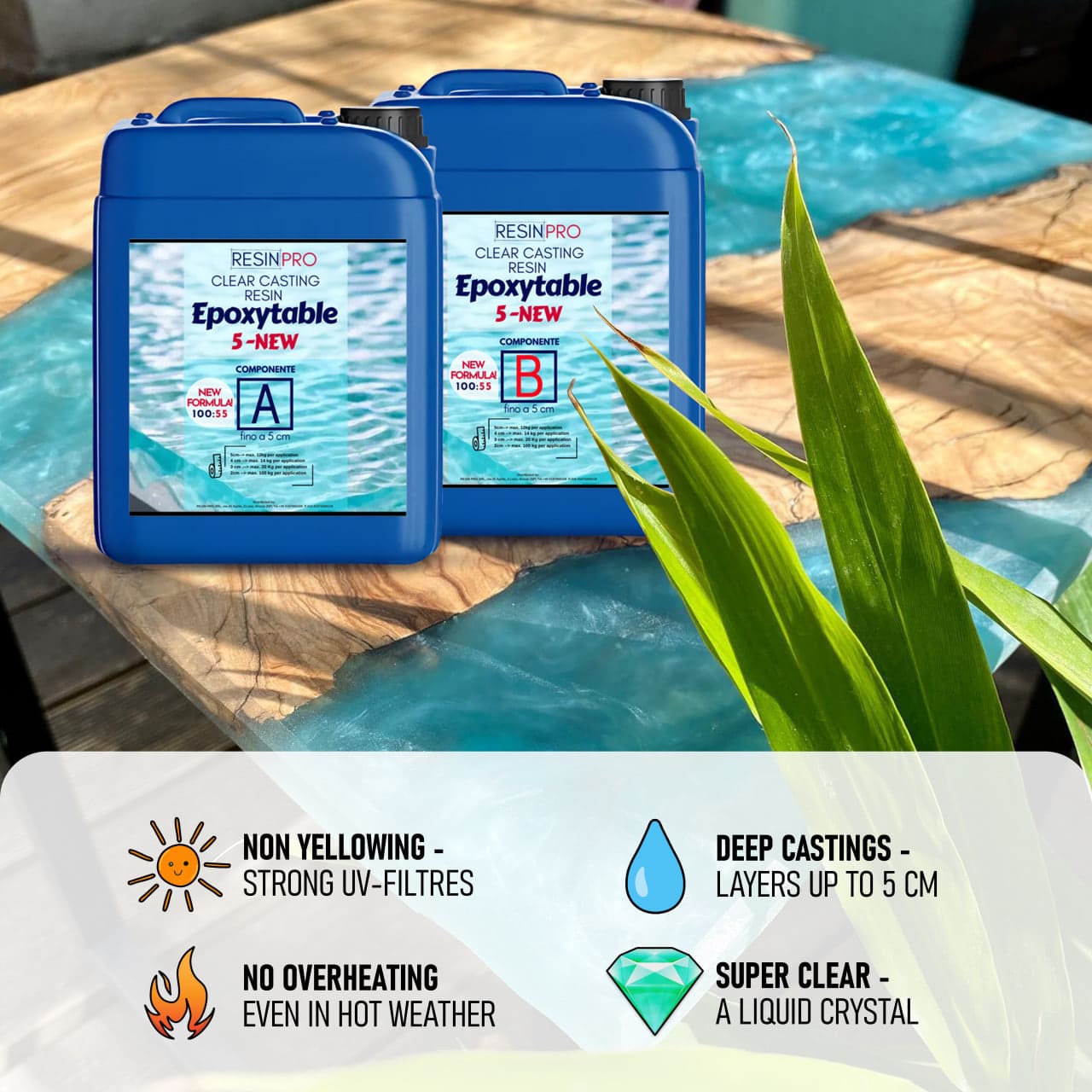
- "EpoxyTable 5-Five" – Deep Pour Epoxy Resin for Tables and Large Projects – Up to 5cmPrice range: £16.85 through £1,099.85"EpoxyTable 5-Five" is a deep pour epoxy resin suitable for tables and large projects, designed to provide a clear, bubble-free finish with UV…
- “Epoxytable 10-Ten” – Deep Pour Epoxy Resin for Tables, Up to 10cm CastingPrice range: £33.85 through £334.85“Epoxytable 10-Ten” is designed for super-deep casting up to 10cm and suitable for clear resin tables and artistic projects.
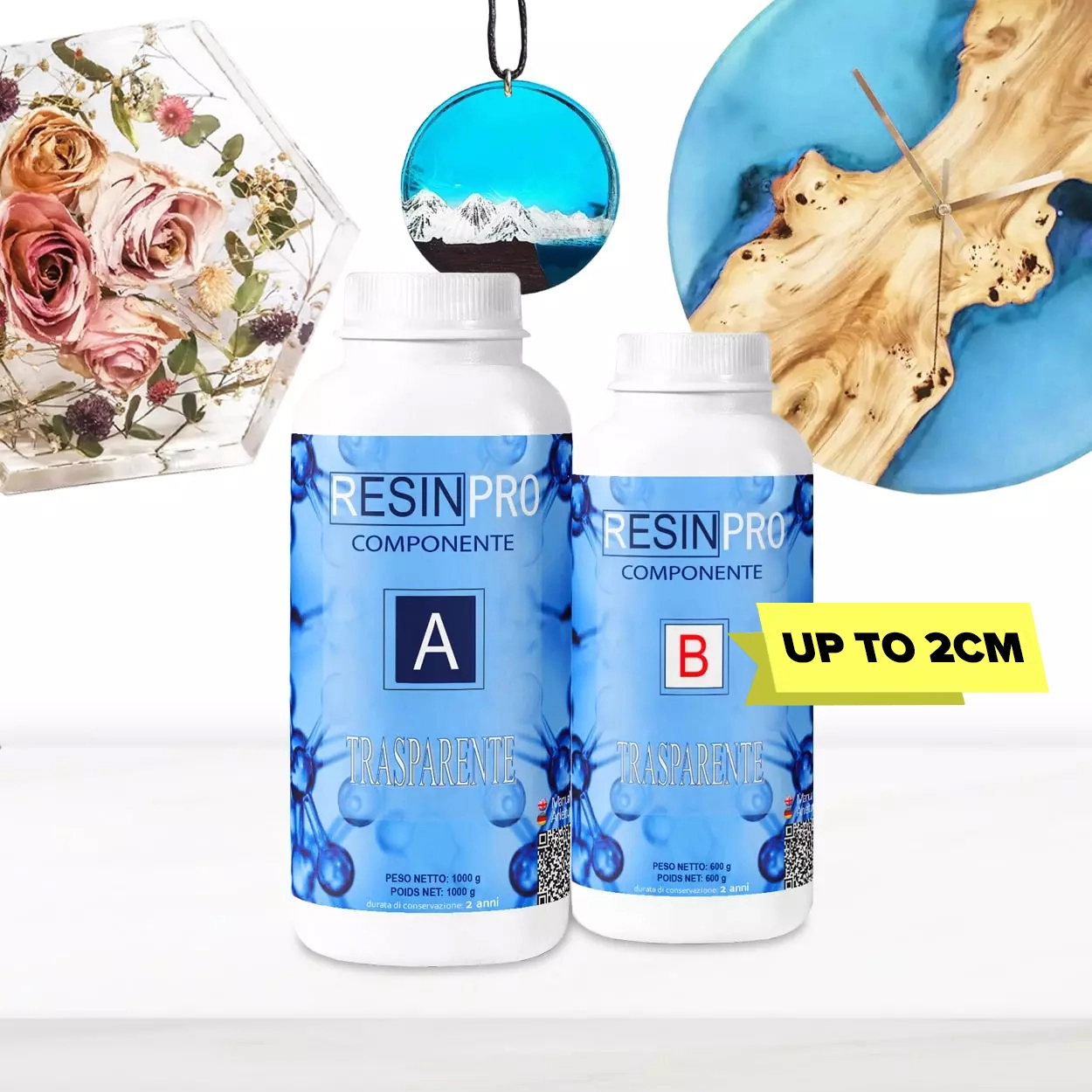 "Trasparente" – Multipurpose Clear Epoxy Resin for Casting – Up to 2cmPrice range: £8.45 through £948.85"Trasparente" is an ultra-clear epoxy resin with up to 2cm layer thickness, suitable for detailed castings and woodworking under the 'How to embed…
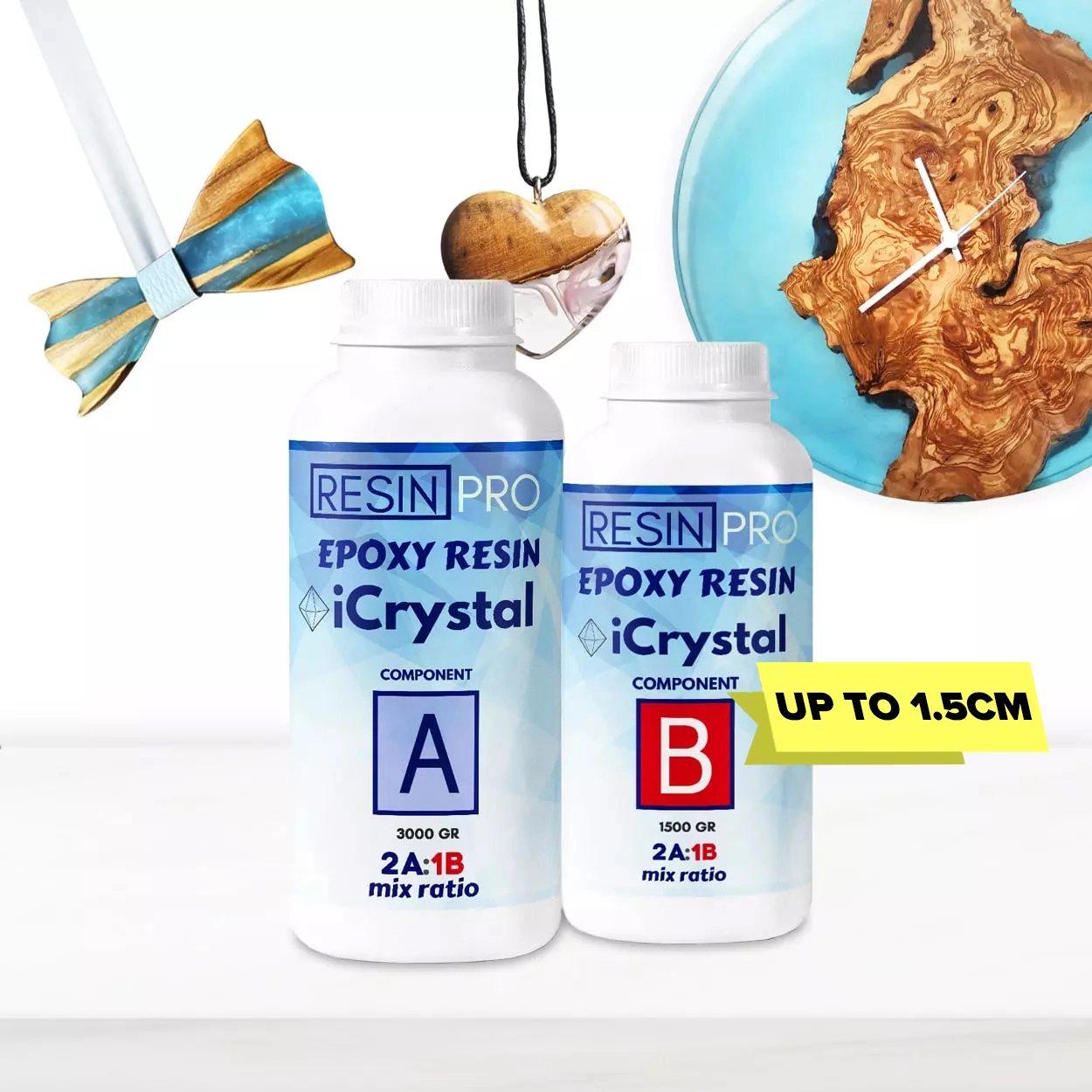 "Icrystal" – Clear Epoxy Resin – Odourless Formula – Up to 1.5cmPrice range: £11.65 through £954.85"Icrystal" is a transparent epoxy resin with high scratch resistance and odourless formula, suitable for embedding within the theme of How to embed…
Frequently Asked Questions
What resin thickness should I use for my animal specimen?
Use 1–2cm for small items with Icrystal or Trasparente, 5–10cm for larger specimens using a deep pour epoxy like EpoxyTable.
How do I prevent bubbles when casting resin over animals?
Thoroughly seal the dried animal before embedding, pour resin in thin layers, and degas if possible.
What preparation should I do before embedding an animal in resin?
Ensure the specimen is fully dry and sealed to prevent air release, discolouration, or rot set inside the cast.
How long does epoxy resin need to cure before removing the mould?
For thin layers, wait at least 24–48 hours; for deep castings, allow several days for a solid cure.
What safety precautions should I follow embedding animals in resin?
Always wear gloves and goggles and work in a well-ventilated area to avoid skin or respiratory irritation.
Will embedding animals in resin last or turn yellow over time?
Using a resin with UV filter and keeping the finished piece out of direct sunlight will minimise yellowing.
How do I achieve a smooth, glossy finish after demoulding?
Sand edges lightly and use resin polishing compounds for clarity. Avoid aggressive abrasives on the main surface.