 Free shipping on orders over £29,85
  Shipping Tracking!


 Google
 Facebook
How to polish a resin bathroom sink?
Step-by-step guide for restoring beautiful gloss on resin sinks


Restoring a beautiful, glossy finish to a resin bathroom sink not only enhances its appearance but also extends its lifespan by protecting the surface from stains and wear. This comprehensive guide walks you through each stage of polishing your resin sink—from preparation and sanding to buffing for a flawless, mirror-like shine. Suitable for both first-timers and experienced DIYers, follow these carefully explained steps for impressive and lasting results.
What You’ll Need
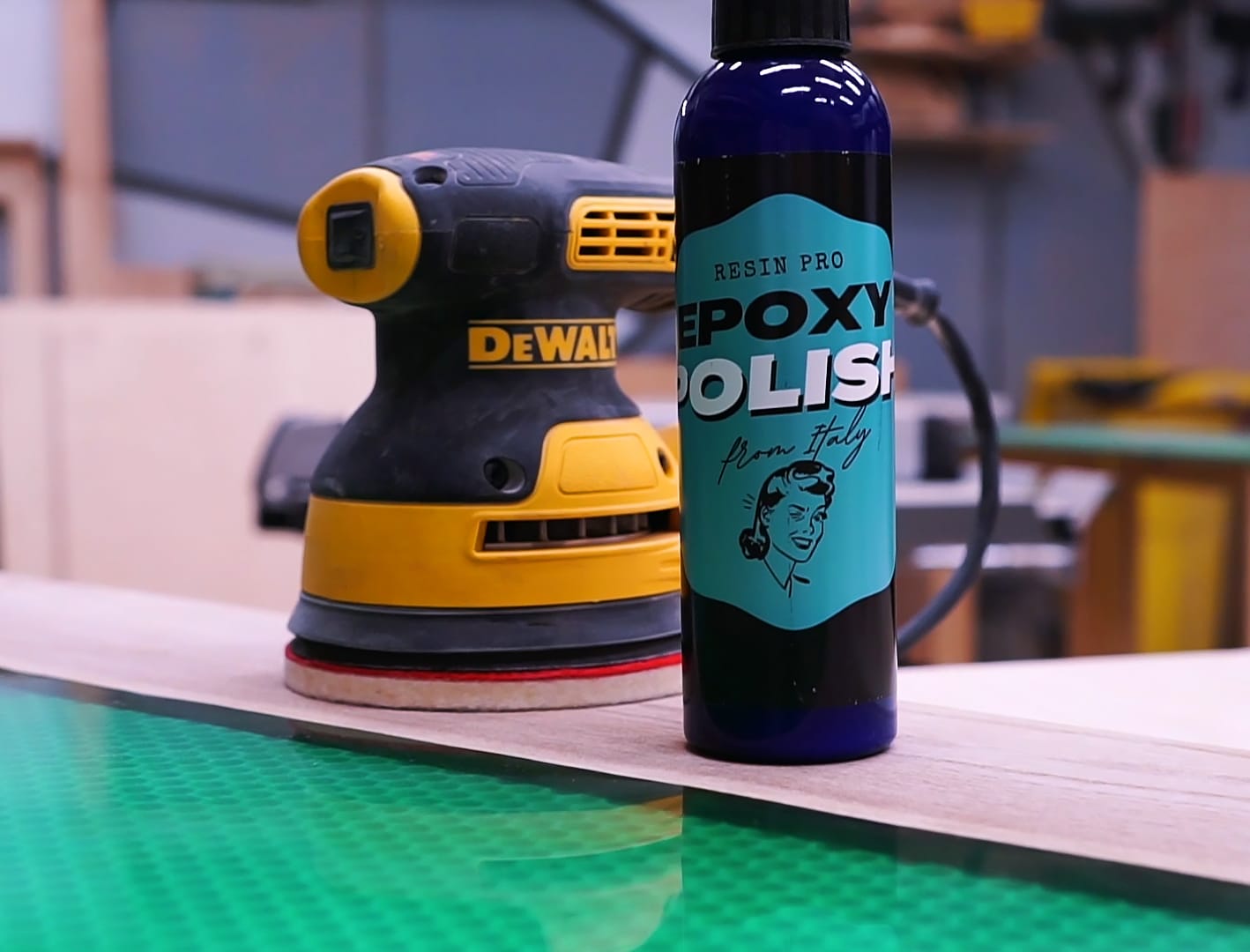
- “Epoxy Polish” – Epoxy Resin Polishing System – A specialist polishing system for restoring resin gloss.
- 1200W Polisher for Sanding and Buffing – Variable Speed, D-Handle – For efficient sanding and polishing with adjustable speed and control.
- “Ebonite Abralon” – Sanding Pads 360-4000 Grit for Resin and Wood – For progressive sanding, from initial surface smoothing to fine finish.
- Polishing Sponge Discs 150mm – 2 Pack – For final-step buffing and gloss enhancement.
- Microfibre cloths (clean)
- Fresh water and mild soap
- Protective gloves and safety glasses

Essential Polishing Tools and Materials
For a flawless result, equip yourself with specialised resin polishing products and variable speed tools. Choosing the right grits for sanding pads and trusted brands is vital for both quick progression and enduring shine. Protective gear ensures a comfortable and safe polishing experience throughout the process.

Step 1: Prepare the Surface
Always begin with a clean, dust-free surface. Remove all cosmetics, soap residue, and loose debris from the resin sink using mild soap and warm water. Rinse thoroughly and allow it to dry completely. This ensures sanding pads and polish work efficiently without trapping dirt or causing scratches.
It is also a good idea to mask off taps, drains, and any surrounding surfaces that do not require polishing to prevent accidental abrasion.
Step 2: Sand the Resin Surface
Sanding refreshes the top resin layer, eliminates dullness, and removes minor scratches. Start with a low-grit sanding pad (e.g., 360 or 500 grit), such as the “Ebonite Abralon” – Sanding Pads 360-4000 Grit for Resin and Wood, lightly wet with water to reduce dust.
Progress gradually through finer grits. Use circular, overlapping strokes and rinse both the surface and sanding pad regularly. Move step by step through higher grits (up to 4000), which further refines the surface and prepares for polishing. Take care not to focus too hard on one area or apply too much force, as this may create unevenness.
Step 3: Polish to a Glossy Finish
Apply a small amount of a dedicated resin polish, such as the “Epoxy Polish” – Epoxy Resin Polishing System, to your selected polishing pad. Using a 1200W Polisher for Sanding and Buffing – Variable Speed, D-Handle at a low-to-medium setting ensures you do not overheat the resin or cause streaks.
Do not rush the polishing process. Work in small sections, moving the pad in slow, overlapping circles to evenly distribute the polish. Replace or clean pads as soon as they appear clogged. After thorough polishing, use a clean Polishing Sponge Disc for the final stage, followed by gentle buffing with a microfibre cloth to reveal a gleaming surface.
Tips, Common Mistakes, and Troubleshooting
Use circular motions with even pressure. Applying uneven pressure can lead to cloudiness or swirl marks. Always keep your equipment moving rather than focusing on one spot.
Employ microfibre cloths for the final buff. They help remove polish residue and amplify shine without scratching. Avoid using old towels or paper, which may cause micro-abrasions.
Avoid excessive pressure when sanding. Too much force can dig into the resin and create visible marks. Let the grit and tool do the work. Test on a small, inconspicuous area first. This helps confirm your technique before committing to the visible basin area.
Professional Advice for a Brilliant Resin Finish
Consistent technique and patience pay off when polishing resin bathroom sinks. Use gentle, even strokes across each part of the surface. Always double-check for residue between each stage, and do not move to the next until fully satisfied with the previous finish. These habits deliver the signature crystal-clear gloss that truly transforms your bathroom space.

- "Epoxy Polish" – Epoxy Resin Polishing SystemPrice range: £17.85 through £44.85"Epoxy Polish" is designed to restore a glossy finish on resin surfaces, suitable for polishing resin bathroom sinks.
 1200W Polisher for Sanding and Buffing – Variable Speed, D-Handle£85.95The 1200W Polisher provides versatile sanding and polishing performance suited for epoxy resin projects.
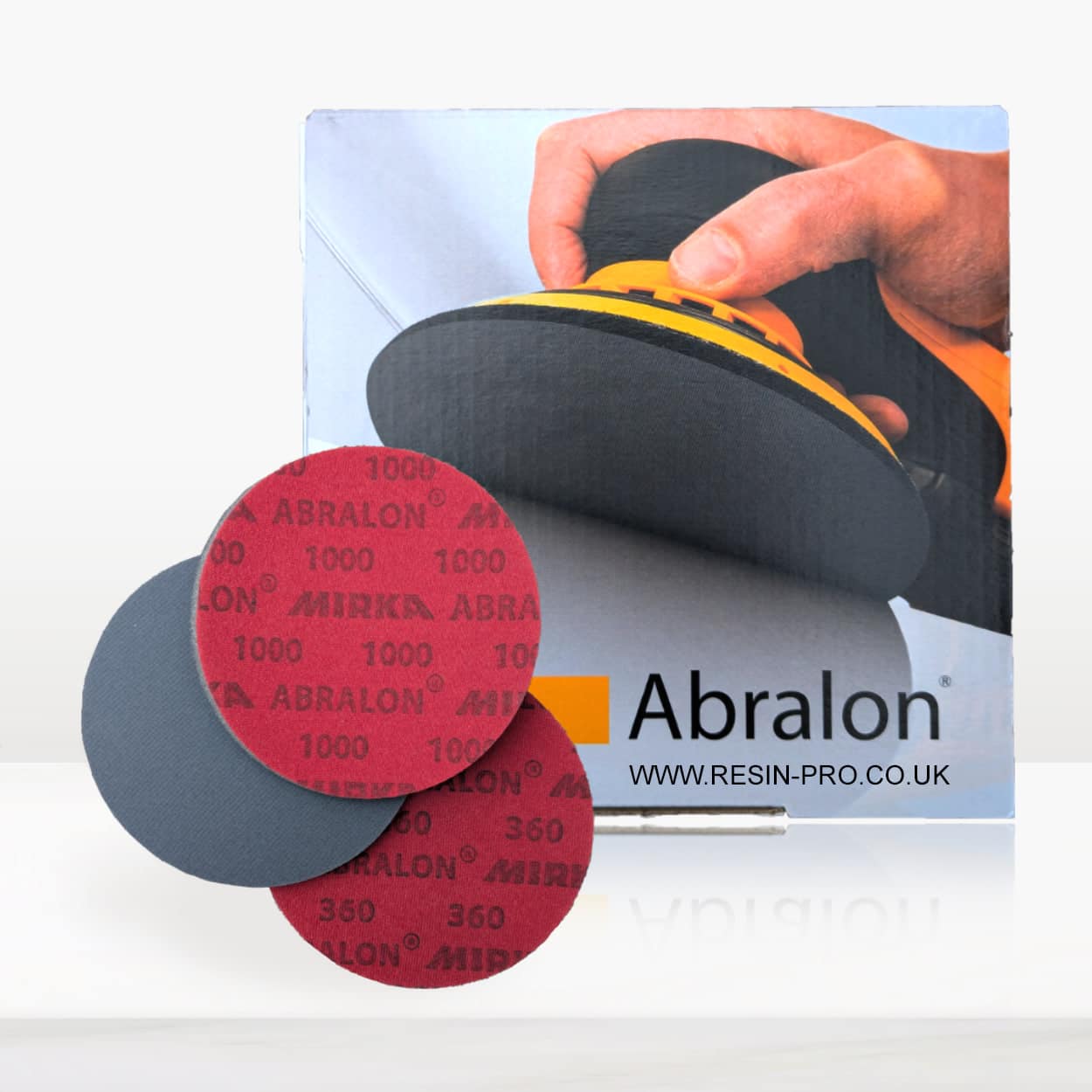 "Ebonite Abralon" – Sanding Pads 360-4000 Grit for Resin and Wood£3.95"Ebonite Abralon" Sanding Pads offer a range of grits for polishing resin and wood surfaces, designed for detailed finishing work.
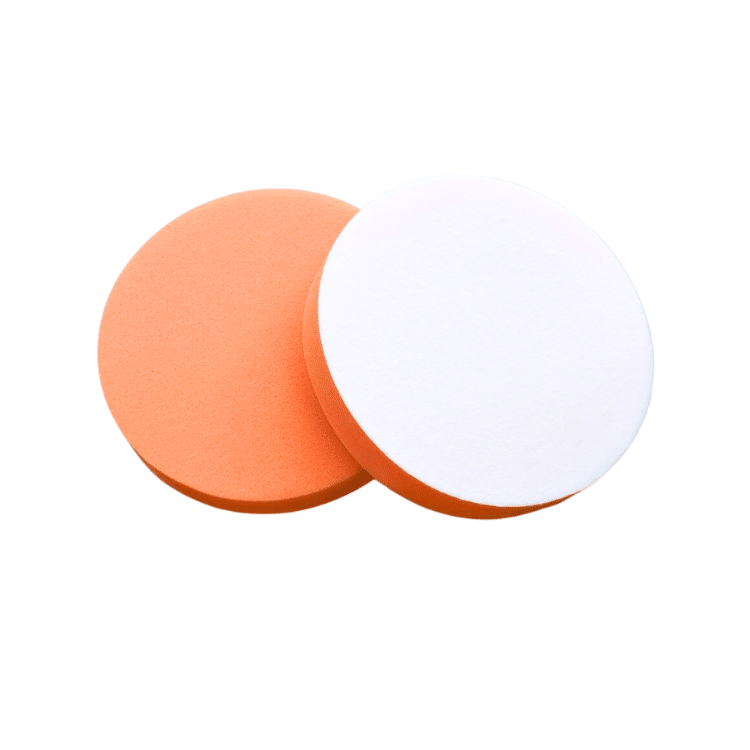 Polishing Sponge Discs 150mm – 2 Pack£7.85Polishing Sponge Discs 150mm – 2 Pack are suitable for achieving a clear, professional finish on epoxy resin projects.
Frequently Asked Questions
Do you need special polish for resin sinks?
Yes, a dedicated resin or epoxy polish is recommended to avoid surface damage and to achieve optimal shine.
Can you polish resin sinks by hand?
Hand polishing is possible with sanding pads and microfibre cloths, but using a polisher delivers faster and more consistent results.
How to avoid streaks or swirl marks while polishing resin?
Use the correct polishing pad and move in overlapping, even circles. Clean pads frequently to avoid residue buildup.
How often should you polish a resin bathroom sink?
Polish as needed when the surface appears dull or scratched—usually every 1–2 years for normal use.
Can you polish over small chips or deep scratches?
Polishing removes surface dullness and shallow scratches but will not fill chips. Epoxy repair may be required for damage.
What to do if the polished surface looks cloudy?
Repeat final sanding and polishing steps, ensuring thorough cleaning between grits and using a fresh polishing pad.