 Free shipping on orders over £29,85
  Shipping Tracking!


 Google
 Facebook
How do you apply resin to a pool?
Step-by-step instructions for reliable pool repairs

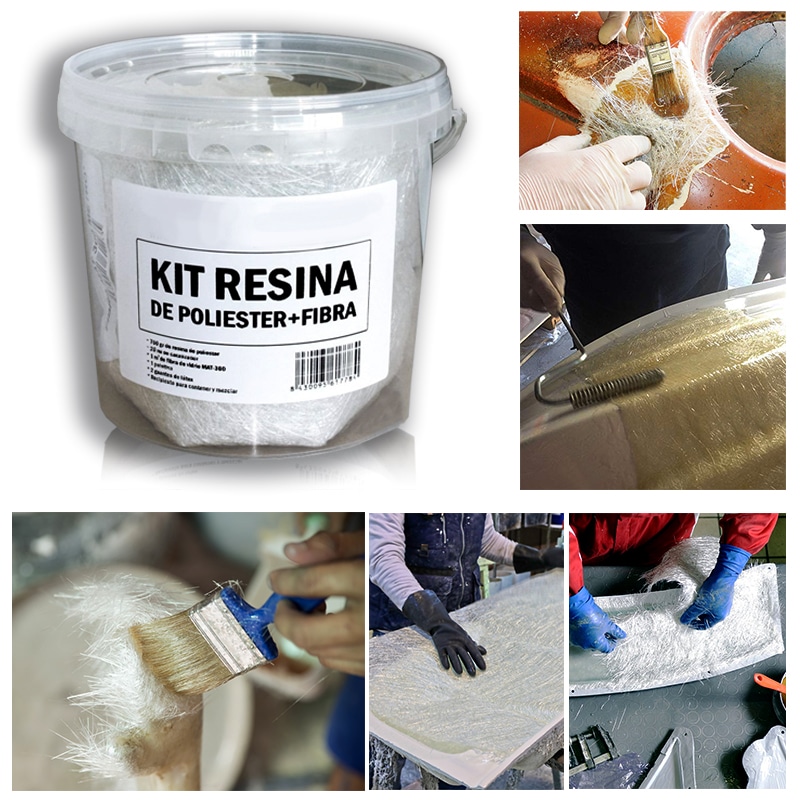
Applying resin to your swimming pool is a highly effective way to repair cracks, reinforce surfaces, and create a long-lasting waterproof barrier. Whether you are a DIY enthusiast or a professional, understanding the correct technique ensures that your pool remains safe, watertight and visually appealing for years to come.
What You’ll Need
- Resin Fibreglass Repair Kit – Complete Polyester Resin and Hardener Set – For structural repairs and waterproofing of pool surfaces.
- “Carbon Resin” – Epoxy Resin for Carbon Fiber & Fiberglass Coating – For bubble-free, high-strength overlays on technical fabrics.
- Resin & Paint Application Rollers – Short-Pile, Large, and Sponge Types – For even and controlled resin distribution.
- “Resinstone” – One-Component Methacrylic Resin for Concrete Floors and Driveways – To seal or rejuvenate concrete pool surrounds.
- Sanding tools and cleaning supplies (not supplied in kit)
- Protective gloves and mask
- Clean mixing containers and stirrers
Choosing the Right Tools and Resins for Pool Work
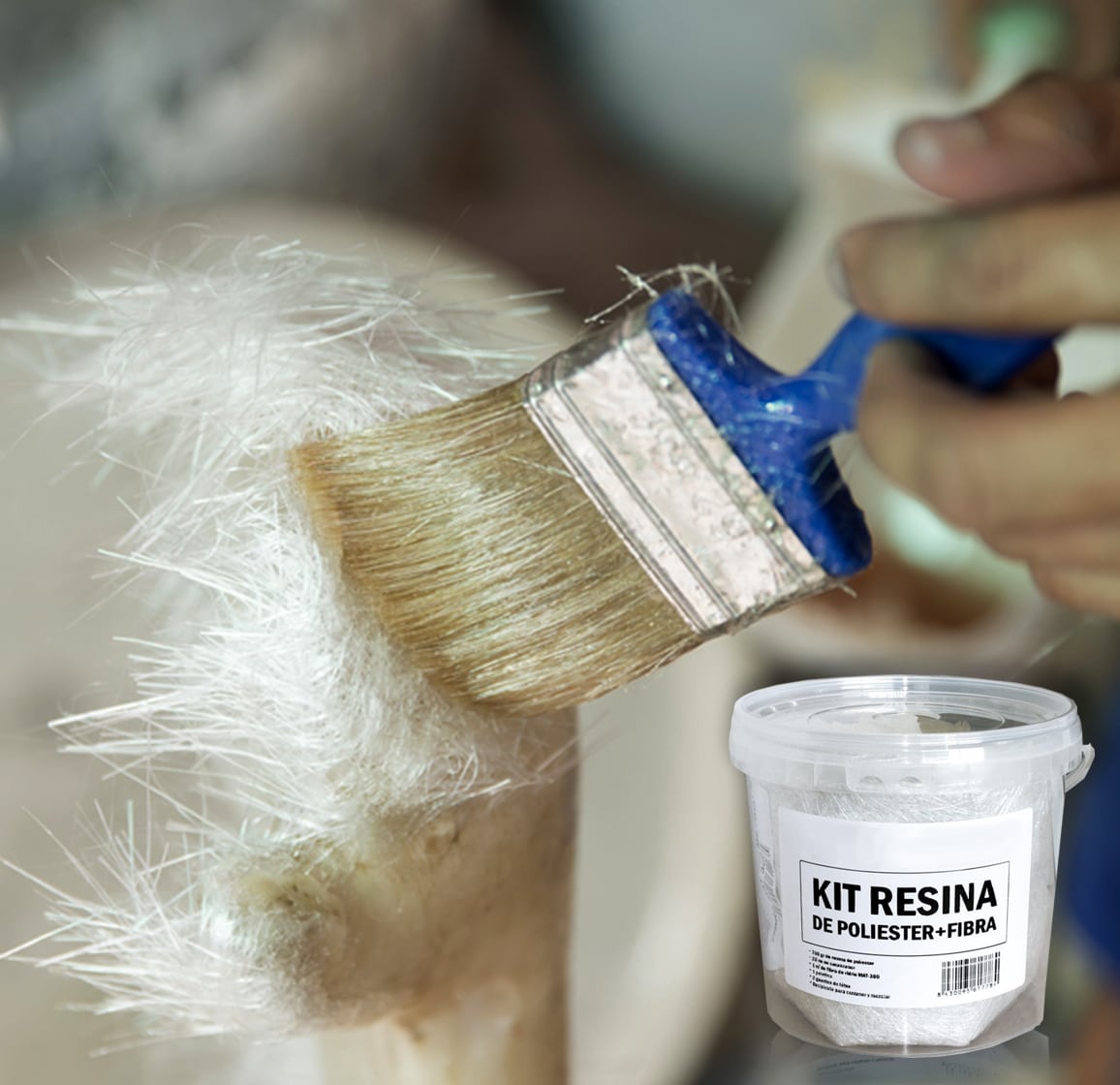
Matching the right resin and application tool to your project ensures the best results. For crack repairs and fibre reinforcement, use a specialised repair kit with both resin and fibreglass. Precision rollers designed for resin application greatly improve finish consistency and coverage. When working on broader surface areas, consider professional-grade resins formulated to prevent bubbling and ensure structural durability.
Step 1: Prepare the Pool Surface
Begin by draining your pool completely and ensuring that the surface is dry. Remove any dirt, algae, or loose material using a pressure washer or stiff brush. For best adhesion, the pool surface should be thoroughly sanded, especially around cracks or damaged areas. This also helps remove existing coatings and roughen the substrate for optimal resin bonding.
Use a vacuum or damp cloth to remove all dust and debris. Mask off areas that should not be treated to avoid accidental resin application. Thorough surface preparation is key for long-term adhesion and preventing future failures.
Step 2: Mix and Apply the Resin Layer
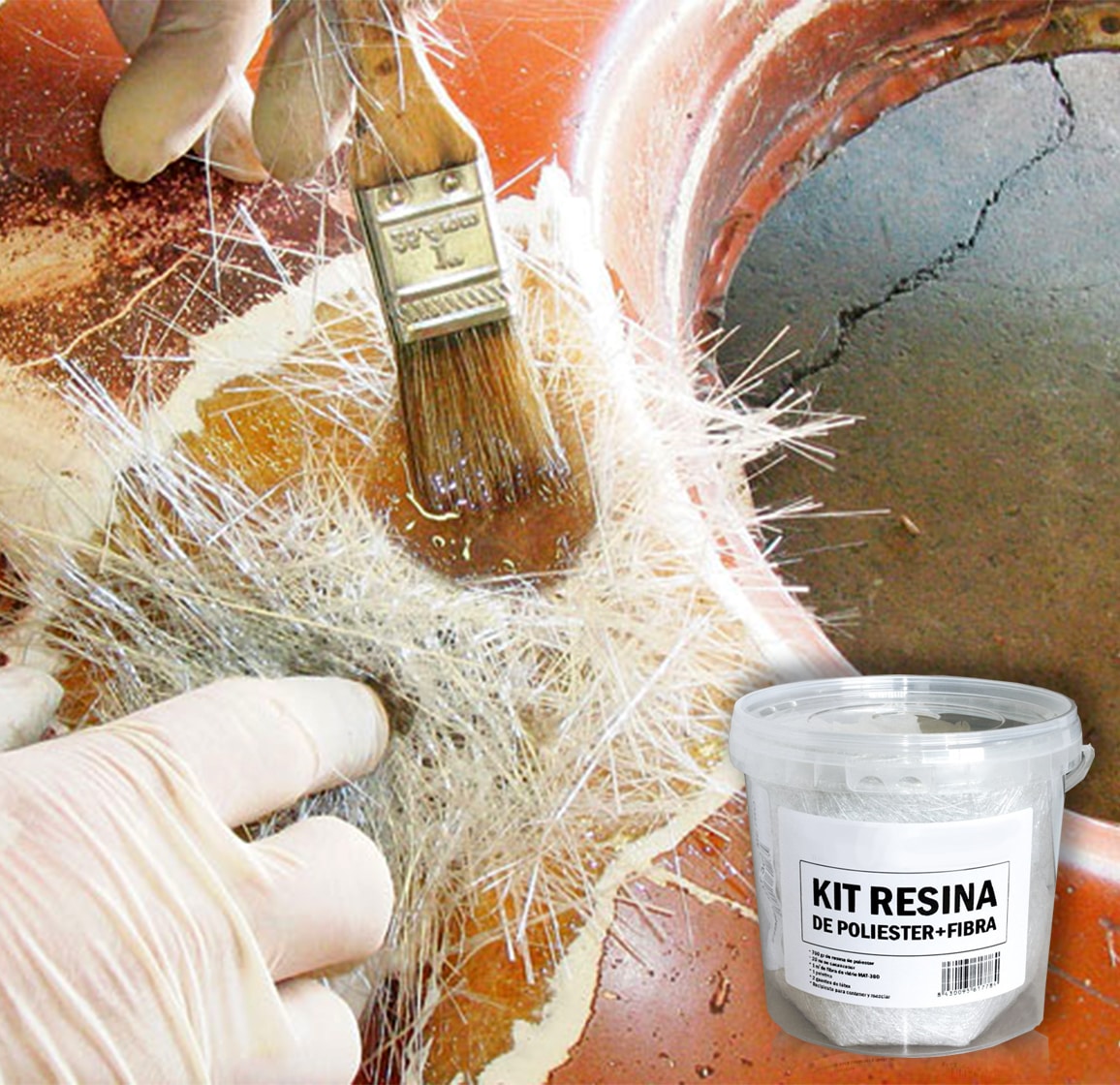
With the surface perfectly clean and dry, carefully follow the manufacturer’s instructions to mix your chosen resin. If repairing cracks or structural issues, the Resin Fibreglass Repair Kit – Complete Polyester Resin and Hardener Set offers both the resin and reinforcement mat. Combine the appropriate ratio of resin and hardener in a clean container, mixing thoroughly to a uniform consistency.
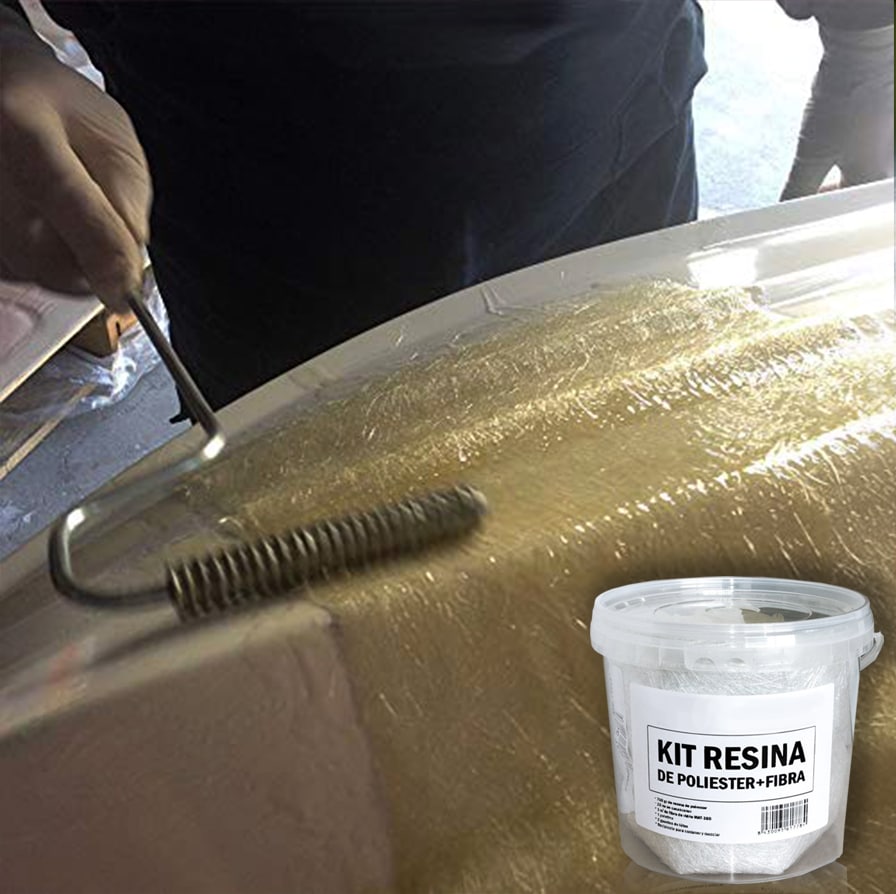
Using a suitable Resin & Paint Application Roller, apply the mixture in thin, even layers. For areas with fibreglass reinforcement, lay the mat over the surface and saturate it with mixed resin, eliminating all air bubbles. Apply resin in thin, even layers to prevent bubbles and pooling.
Step 3: Build Up Multiple Layers for Maximum Strength
For high-traffic or high-stress pool areas, multiple resin layers are recommended. Allow each layer to set according to the manufacturer’s curing time—usually several hours or overnight—before sanding lightly and wiping down the surface. This ensures the next layer bonds perfectly and the pool remains smooth and aesthetically pleasing.
If you require a particularly robust, glossy, and bubble-free finish on fibreglass overlays, consider using “Carbon Resin” – Epoxy Resin for Carbon Fiber & Fiberglass Coating in subsequent layers. Allow each coat to cure fully before proceeding.
Step 4: Inspect, Test, and Refill the Pool
Once the final resin coat has cured completely, inspect the pool for any missed spots or imperfections. Sand gently if needed and wipe away any residue. Before refilling, test the repaired area for waterproofness by slowly introducing a small amount of water, checking for any seepage or weakness.
If you have concrete surrounds that require resealing, “Resinstone” – One-Component Methacrylic Resin for Concrete Floors and Driveways can be applied to fully dry surfaces for further protection against water ingress. Test your repairs for waterproofness before refilling the pool to avoid having to repeat the process.

Tips and Common Mistakes When Applying Resin to Pools
- Always check ambient temperature and humidity—these affect curing speed and finish quality.
- Wear protective gloves and masks to avoid skin or respiratory irritation from uncured resins.
- Work in well-ventilated conditions to speed up curing and minimise odour buildup.
- Avoid thick layers, which can trap bubbles and slow curing.
- Never apply resin to wet or damp surfaces, as this will compromise adhesion.
Professional Finishing Touches for Pool Resurfacing
Attention to detail makes a noticeable difference in the final look and longevity of your pool lining. Ensure each resin layer is fully cured and free from dust before continuing. Add a final protective coat if your pool surface will face intensive use. Sealing pool surrounds with a compatible resin further extends the waterproof barrier and keeps your installation looking its best.
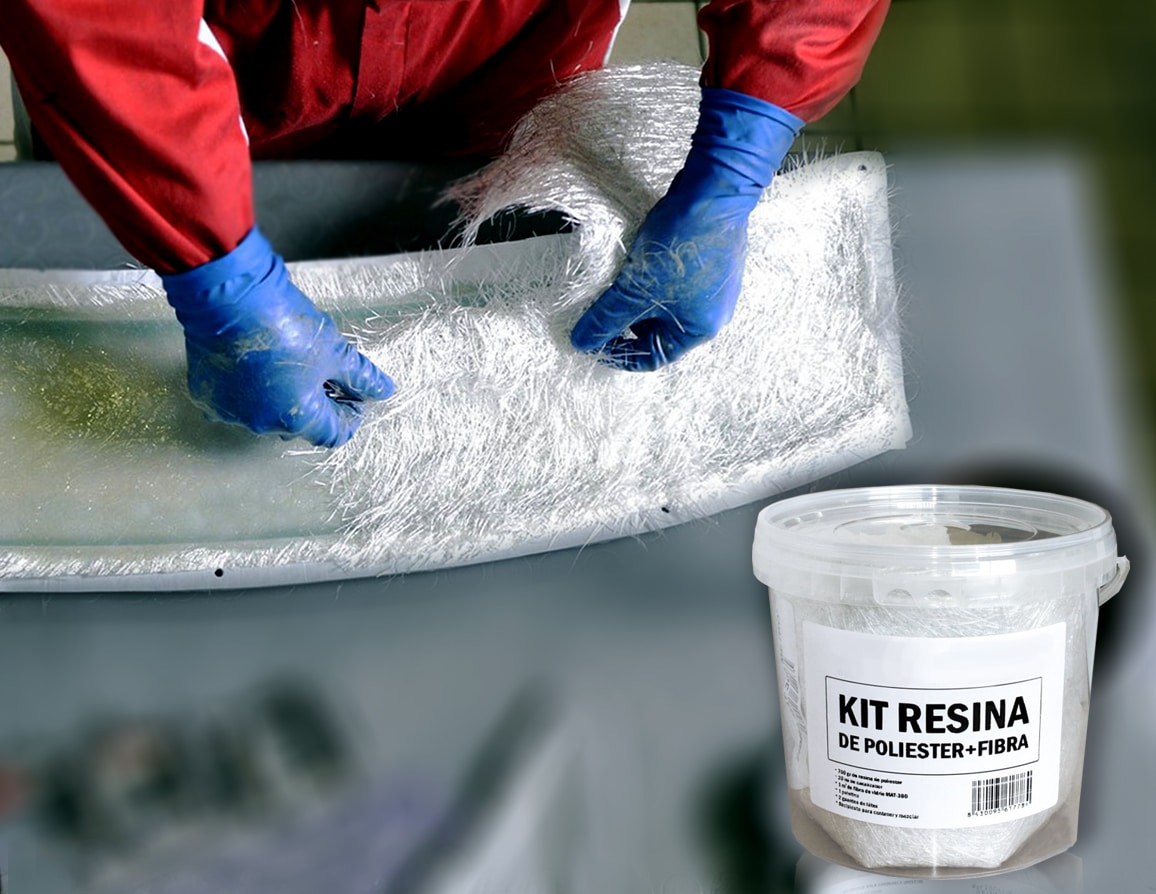
- Resin Fibreglass Repair Kit – Complete Polyester Resin and Hardener SetPrice range: £13.85 through £22.85The Resin Fibreglass Repair Kit offers a waterproof and impact-resistant polyester resin set suitable for repairs involving swimming pools.
- "Carbon Resin" – Epoxy Resin for Carbon Fiber & Fiberglass CoatingPrice range: £18.85 through £35.85Epoxy resin designed for carbon fibre and fibreglass with easy application and a glossy finish, suited to technical fabric work.
 Resin & Paint Application Rollers – Short-Pile, Large, and Sponge TypesPrice range: £3.45 through £4.85Rollers designed for epoxy resin surfaces offer precision and uniform application for detailed and larger scale tasks.
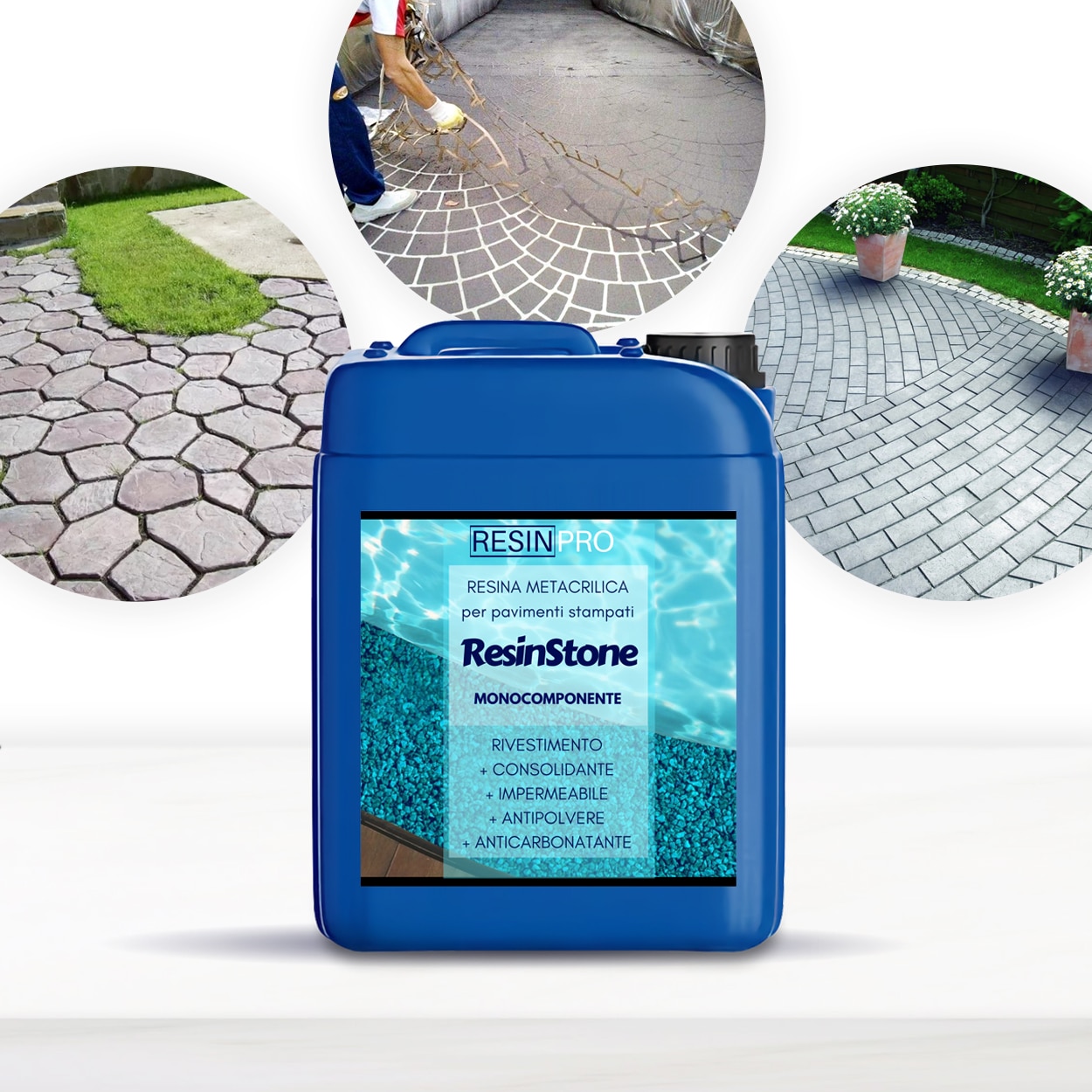 "Resinstone" – One-Component Methacrylic Resin for Concrete Floors and DrivewaysPrice range: £29.85 through £59.85"Resinstone" offers protective sealing for concrete floors and driveways with durable, breathable coverage suitable for indoor and outdoor use.
Frequently Asked Questions
How long does pool resin take to cure?
Most resins cure within 6 to 24 hours depending on temperature, product type, and thickness applied. Always refer to the manufacturer's instructions.
Can I apply resin to a wet pool surface?
No. Surfaces must be completely dry before resin application to ensure proper adhesion and prevent potential failures.
Is fibreglass mat necessary for crack repair?
Using a fibreglass mat enhances the structural strength of resin repairs, especially over large cracks or worn areas in pool shells.
How many coats of resin should I use in my pool?
Generally two to three thin coats provide optimal protection. Each layer should cure fully before the next is applied.
What can I do if there are bubbles in my resin finish?
Sand down the affected area once cured and reapply a thin resin layer, ensuring even application and correct mixing to avoid bubbles.
Which resin type is best for underwater pool repair?
A waterproof polyester or epoxy resin, combined with fibreglass reinforcement, offers the most durable results for pool surfaces.