 Free shipping on orders over £29,85
  Shipping Tracking!


 Google
 Facebook
How many liters can I make with one kg of silicone rubber?
Compare silicone rubbers to estimate casting volume and coverage
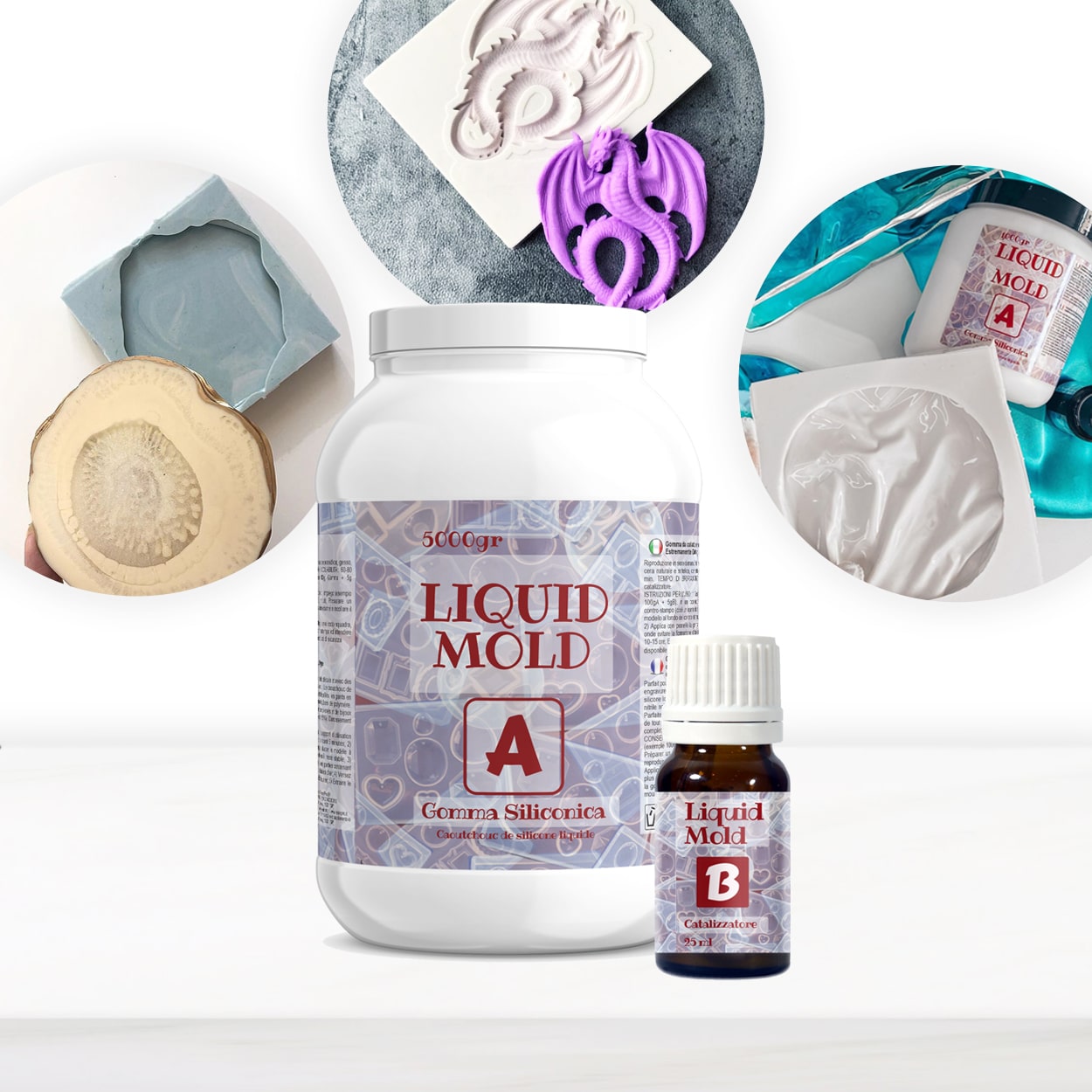
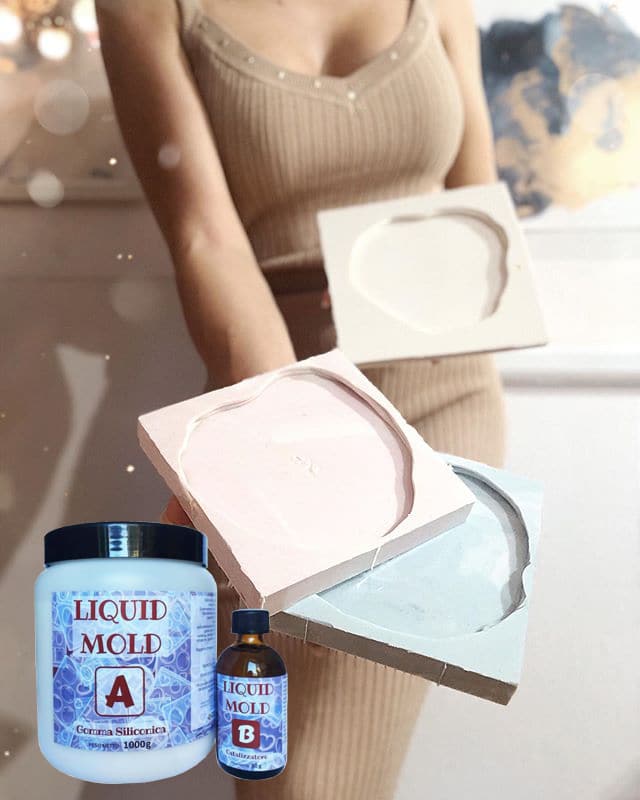
If you are planning a mould making project and want to know how much liquid volume one kilogram of silicone rubber will create, this page is for you. We’ll explain how to estimate the volume from a given weight, what influences this calculation, and how ResinPro’s selection of silicone rubbers compare for different project requirements—from detailed resin jewellery to larger creative moulds.
How Much Volume Does 1 kg of Silicone Rubber Make?
The coverage you get from one kilogram (kg) of silicone rubber depends primarily on its density—which can vary by formulation. Most mould making silicones have a density between 1.0 and 1.2 g/cm³. For easy maths, 1 kg of silicone rubber typically yields about Volume yield: approximately 1.08 litres per 1 kg (or about 1,080 cm³). Some denser formulations will produce slightly less volume, while lighter formulations yield a bit more. Always factor in the correct mixing ratio for two-component (A+B) systems, as the catalyst adds to the total amount.
Density matters: approx 0.92–1.2 g/cm³, and this is noted for each major silicone type. For full kits, mixing part A and B should be done by weight to ensure accuracy.
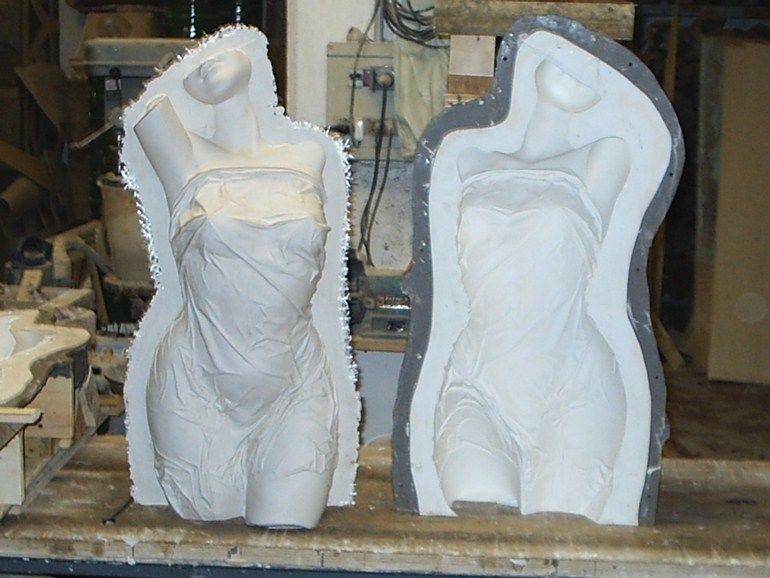
Silicone Density and Volume Calculation
To work out the volume produced by a weight of silicone rubber, divide the mass (in grams) by the product’s density (in g/cm³). For example, if the silicone rubber’s density is 1.1 g/cm³: 1000g / 1.1 = ~909cm³ (or 0.91 litres).
Remember: Check your product’s datasheet for an exact value, as densities can differ slightly by type (liquid, translucent, or putty-based systems).
“Liquid Mould” – Casting Liquid Silicone Rubber, 5-40 Shores, Bi-Component A+B
“Liquid Mould” – Casting Liquid Silicone Rubber, 5-40 Shores, Bi-Component A+B is a versatile mould-making silicone suitable for intricate detail and undercuts. It is ideal for small objects, resin art, wax casting, and even technical applications. The recommended bi-component (A+B) mixing ratio means your final volume includes both components. Owing to its formulation, expect approximately 1.08 litres per 1 kg of mixed silicone.
This product is best for highly detailed and complex shapes, offering precise reproduction and flexibility. Compatible with resins, wax, soap, and polymer pastes, so it fits a huge variety of creative and industrial needs.
“Pure Mould” – Translucent Liquid Silicone Rubber for Mould Making
The “Pure Mould” – Translucent Liquid Silicone Rubber for Mould Making is designed for users who require speedy curing and easy visual inspection of castings. Its platinum-based formula has a density near 1.0–1.1 g/cm³, with a convenient 1:1 mixing ratio by weight, producing nearly 1 litre per kg (including catalyst).
This silicone rubber is especially suitable for applications with resins, plasters, and cements. Its high resistance and reduced shrinkage make it a reliable option for repeated use moulds.
“Liquid Mould” – Casting Liquid Silicone Rubber, 15 Shores 20.8 kg
For large-scale or repeated work, “Liquid Mould” – Casting Liquid Silicone Rubber, 15 Shores 20.8 kg offers the same detailed replication with excellent coverage due to low viscosity and high flexibility. The product is also a bi-component system where A+B are mixed by weight.
Generally, with this formulation, you get a similar yield—around 1.08 litres per 1 kg total mixed product. This option suits professionals and studios wanting consistent, high-volume results for complex shapes and undercuts in jewellery or sculpture.
“I–Gum” – Non-Toxic Silicone Putty for Mould Making
“I–Gum” – Non-Toxic Silicone Putty for Mould Making is a two-part, hand-mixed silicone putty. Due to the putty form, the density tends to be close to the liquid silicones, so one kg generally produces just under one litre of mould material. However, shape and technique can affect coverage in practice.
“I–Gum” is ideal for small-scale, quick, and non-toxic applications, such as making custom moulds for coasters, trays, or decorative items. Its 1:1 mix and European-made formula mean you know exactly how much putty you’ll have.
Factors Influencing Silicone Volume and Coverage
When selecting a silicone rubber, consider not just the weight-to-volume ratio but also cure shrinkage, mixing ratio, and your project’s complexity. Thicker or more detailed moulds may require a slight increase in material to ensure proper coverage and flexibility around sharp or deep features. Also, a Mixing ratio impacts final volume—always weigh out parts precisely for best results, and allow for slight variations due to bubbles or spills during mixing.
Planning for Your Mould-Making Project
Estimate the internal volume of your desired mould by filling it with water and measuring the amount required. This gives a real-world sense of how much mixed silicone you need. Always prepare a slight excess to account for spillages or material lost during mixing and pouring.
Careful planning ensures successful, bubble-free moulds with sharp details and long service life.
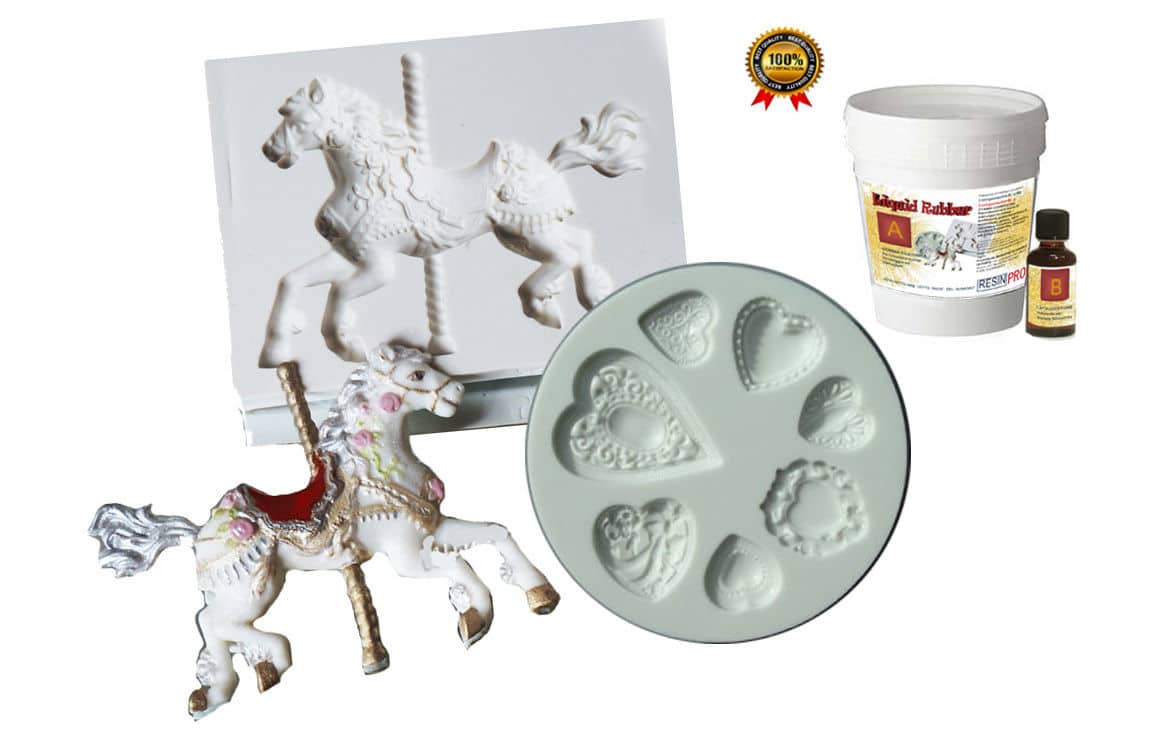
- "Liquid Mould" – Casting Liquid Silicone Rubber, 5-40 Shores, Bi-Component A+BPrice range: £14.45 through £387.45"Liquid Mould" is a casting liquid silicone rubber designed for making detailed moulds with fine detail and undercuts, compatible with resin and…
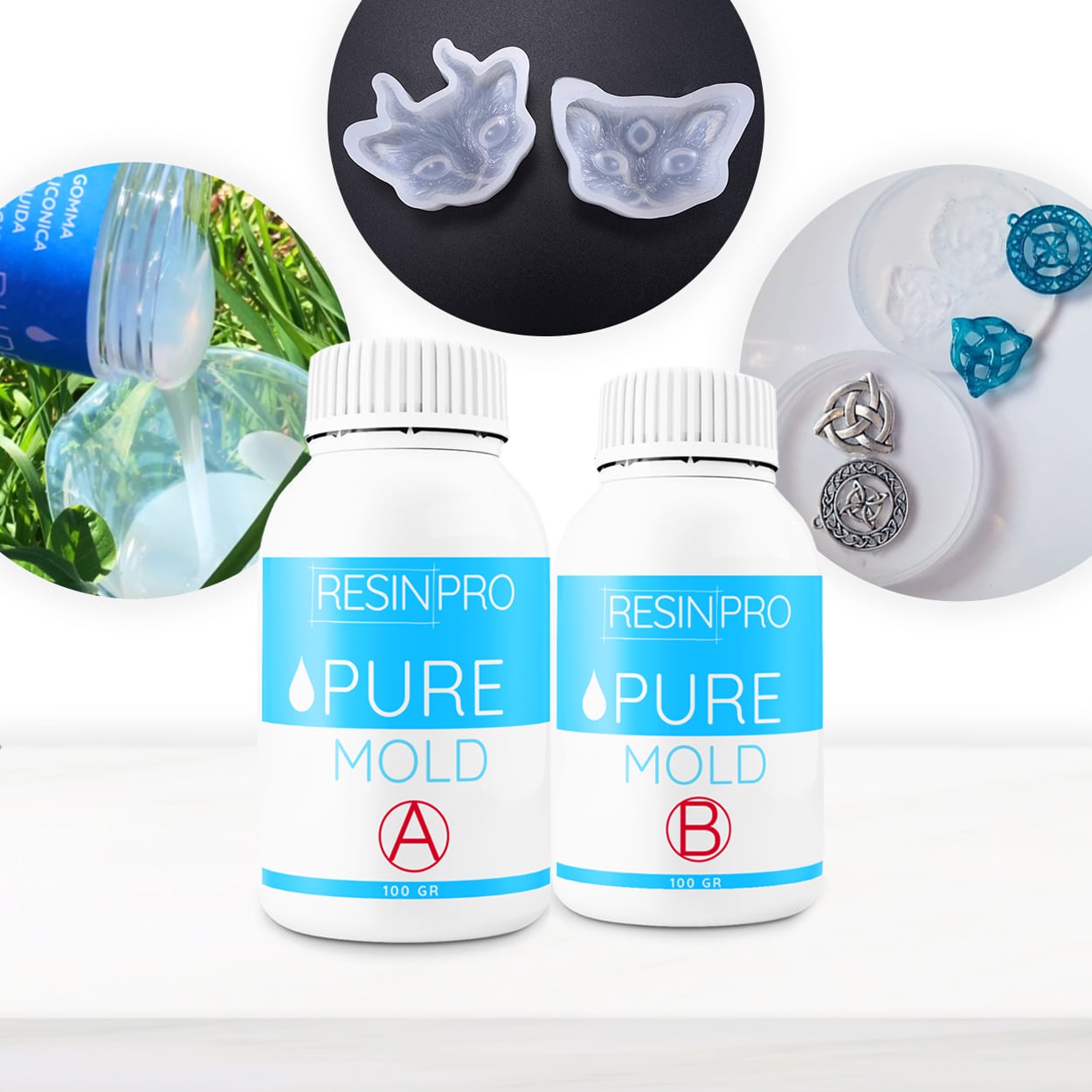 "Pure Mould" – Translucent Liquid Silicone Rubber for Mould MakingPrice range: £23.95 through £166.95"Pure Mould" is a translucent, fast curing liquid silicone rubber, suitable for mould making with resins, plaster and cement.
- "Liquid Mould" – Casting Liquid Silicone Rubber, 15 Shores 20.8 kg£348.85"Liquid Mould" is a casting liquid silicone rubber designed for making highly detailed moulds suitable for small objects and complex shapes.
 "I–Gum" – Non-Toxic Silicone Putty for Mould MakingPrice range: £24.00 through £104.95Non-toxic silicone putty for mould making with a 1:1 mix ratio and long working time, suitable for resin and other materials.
Frequently Asked Questions
How do I calculate the volume from silicone rubber weight?
Divide the weight in grams by the density in g/cm³ to get the volume in cm³. Check your product label for an exact density.
Does cure shrinkage impact the final silicone volume?
Slight shrinkage can occur during curing, but it is usually minimal in modern silicone rubbers, especially those designed for high-precision mould making.
Should I include catalyst weight when estimating litres?
Yes, always include both parts (A+B) in your total, measured by the correct mixing ratio. This gives the accurate final amount.
Is there a difference in yield between liquid and putty silicones?
Generally, both yield close to 1 litre per kg, but liquid silicones can give slightly more accurate and even coverage, especially for intricate moulds.
What happens if I mix too much or too little silicone rubber?
Mixing too much can lead to waste, while too little may result in incomplete coverage. It’s best to measure carefully, with a small excess.
Are silicone moulds reusable?
Yes, silicone moulds are typically reusable many times if properly cared for and not overstressed during de-moulding.